Overview
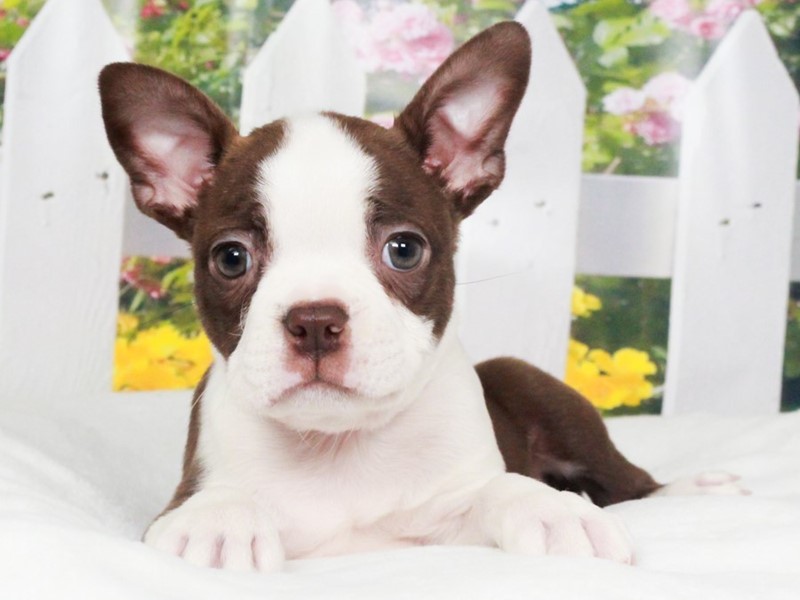
The Boston Terrier is a compact, cheerful companion dog often nicknamed the “American Gentleman” thanks to its tuxedo-like coat and friendly manners. Adults typically stand about 10–12 inches at the shoulder and weigh 12–25 pounds. Their short, smooth coat, often black-and-white, brindle-and-white or seal-and-white, and expressive eyes make them instantly recognizable and much loved in both apartments and family homes.
The Boston Terrier is recognized by major kennel clubs and international canine organizations, including the American Kennel Club (AKC), United Kennel Club (UKC), The Royal Kennel Club (UK), Canadian Kennel Club (CKC), and the Fédération Cynologique Internationale (FCI), with additional support from the Boston Terrier Club of America.

History
The Boston Terrier originated in the United States in the late 1800s. It was developed by crossing an English Bulldog with a now-extinct white English terrier, created to be a friendly companion rather than a working dog. Over time, breeders refined the breed’s size and temperament, focusing on a compact build, good manners, and a pleasant disposition. The Boston Terrier is one of the first dog breeds to be recognized in the United States.
Background & Development
Boston Terriers were bred intentionally as companion or “non-sporting” dogs rather than for hunting or work. Their short coat, manageable size, and friendly demeanor made them ideal for urban or suburban living. The “tuxedo” markings (that classic black or seal/brindle and white coat) quickly became a signature trait. Given their flat-face (brachycephalic) structure, care over exercise, temperature, and weight is especially important for health, something responsible breeders and owners keep in mind when raising and housing Boston Terriers.
Temperament
Boston Terriers are typically friendly, affectionate, and people–oriented dogs. They enjoy being part of family life, delight in fun activities, and bond closely with their humans. They’re intelligent and can be quite playful and mischievous, but they also love to cuddle and relax once playtime is over. At the same time, Bostons can be a bit headstrong or stubborn, but positive reinforcement and patience tend to work well. They usually get along well with children and other pets, and adapt well to household life, especially when given enough love, attention, and mental stimulation.
Care & Environment
Boston Terriers are well suited to apartment living and smaller homes, provided they receive regular exercise and companionship. Their adaptable temperament and moderate activity needs make them a good fit for urban lifestyles.
As a brachycephalic breed, Boston Terriers can struggle in hot or humid conditions and may overheat easily. Owners should avoid strenuous activity in warm weather and ensure access to shade, ventilation, and fresh water. Regular veterinary care and weight management are important due to their predisposition to breathing, joint, and eye issues.
Grooming
Boston Terriers have a short, smooth coat that is easy to maintain with light grooming, such as weekly brushing. Routine nail trimming, ear cleaning, and dental care help support overall health and comfort.
Reviews
There are no reviews yet.