
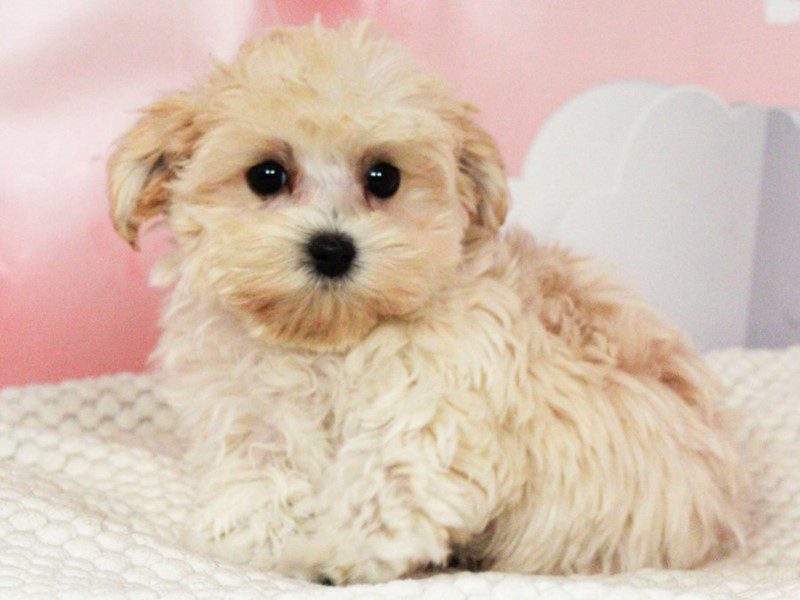
- Breed Maltipoo
- Birth Date 11/26/2025
- Color CRM
- Gender Male
- Pet ID 47594
- Location Animal Kingdom Tucson Mall
- Breeder Name Pam Middleton
Maltipoo - 47594
Interested in this Maltipoo? Please call 520-408-1750 to schedule an appointment or send us a message below.
Other Available Maltipoo Puppies
About the Maltipoo Breed
Overview
The Maltipoo is a friendly, adaptable, and often fluffy hybrid companion. A cross between a Maltese and a Poodle (usually Toy or Miniature), they’re celebrated for their soft, wavy or curly coat, sweet temperament, and suitability for a variety of households. They typically stand 8–14 inches tall at the shoulder and weigh around 10–20 pounds, making them a perfect small-to-medium option for apartments, small homes, or families. Because of their mixed heritage, Maltipoos often carry a gentle, affectionate vibe combined with intelligence and a playful streak; traits that make them a popular pick among first-time dog owners, singles, seniors, and families alike.
As a designer hybrid, the Maltipoo is not officially recognized by the American Kennel Club (AKC) but is recorded by several notable hybrid and designer dog registries, including the Continental Kennel Club, American Canine Hybrid Club, Designer Breed Registry, International Designer Canine Registry, and supported by breed-focused organizations such as the Maltipoo Club of America and National Maltipoo Club.

History
Maltipoos are a product of the designer-dog trend, intentionally bred by crossing Maltese dogs with Toy or Miniature Poodles to combine the best traits of both: the Maltese’s affectionate, gentle nature with the Poodle’s intelligence and often low-shedding coat.
While not a “registered” breed under major kennel clubs (so no standardized breed lineage), Maltipoos have gained popularity over recent decades thanks to their charming mix of looks, temperament, and lifestyle adaptability. Because they’re hybrids, there’s no universal “standard” for Maltipoos; each dog may vary slightly in appearance, size, coat type, and energy level depending on which parent’s genes are more prominent.
Background & Development
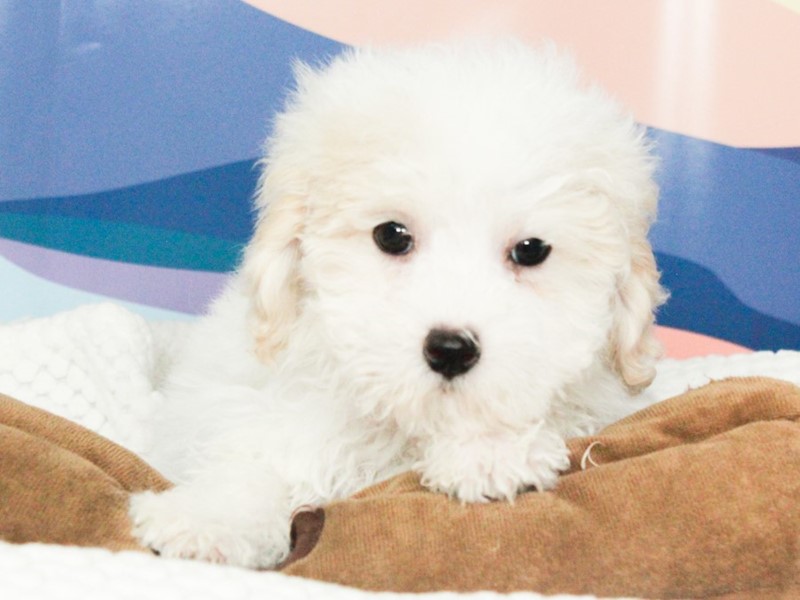
Physically, Maltipoos often have soft, fluffy coats that can be straight, wavy, or curly, influenced by the Poodle side. Coat colors vary widely: white, cream, apricot, red, black, brown, gray, sometimes even multicolored or parti-color combinations. Their body tends to be compact and proportionate: small but sturdy, with straight legs, expressive round eyes, floppy ears, and a mellow yet alert carriage. Because Maltipoos are not a purebred with fixed standards, each one can look a little different, which adds to their uniqueness and charm.
Maltipoos combine the Maltese’s gentle, companion-oriented disposition with the Poodle’s intelligence and trainability. The result is a puppy or dog that’s often sweet, eager to please, curious, and responsive, a mix many people look for when they want a loving, versatile pet.
Temperament
Maltipoos are affectionate, sociable, and people-oriented. They love being around their humans and often bond strongly with them, making them ideal companions for singles, couples, families, or seniors. They tend to have gentle, playful, and intelligent personalities. Their Poodle heritage gives them smarts: many learn quickly and respond well to training (especially positive-reinforcement methods).
Since Maltipoos crave companionship and social interaction, they may become anxious or distressed when left alone too long. Early socialization, gradual training, and routines help.
Maltipoos also tend to be alert dogs: despite their small size and cuddly appearance, many will bark to alert their family to strangers or unfamiliar sounds, so they can double as little, friendly “watchdogs.”
Care & Environment
Maltipoos adapt well to a wide range of living environments, from apartments to houses, as long as they receive companionship, attention, and moderate daily exercise. A daily walk combined with playtime or indoor activity usually meets their physical needs.
As a small breed, Maltipoos may be prone to certain health concerns, including dental disease and joint issues such as patellar luxation. Regular veterinary care, a balanced diet, and appropriate exercise support long-term health. Maltipoos thrive in homes where they’re included in daily life, with people who spend time with them, give them love, mental stimulation, and gentle structure. They may not do well if left alone for long hours frequently.
Grooming
Maltipoo coats can range from soft and wavy to curly, depending on genetics. Regular brushing is essential to prevent matting, along with routine trimming or “puppy cuts” to maintain coat health. Ongoing grooming should also include ear care, dental hygiene, and nail trimming to keep them comfortable and healthy.



Reviews
There are no reviews yet.