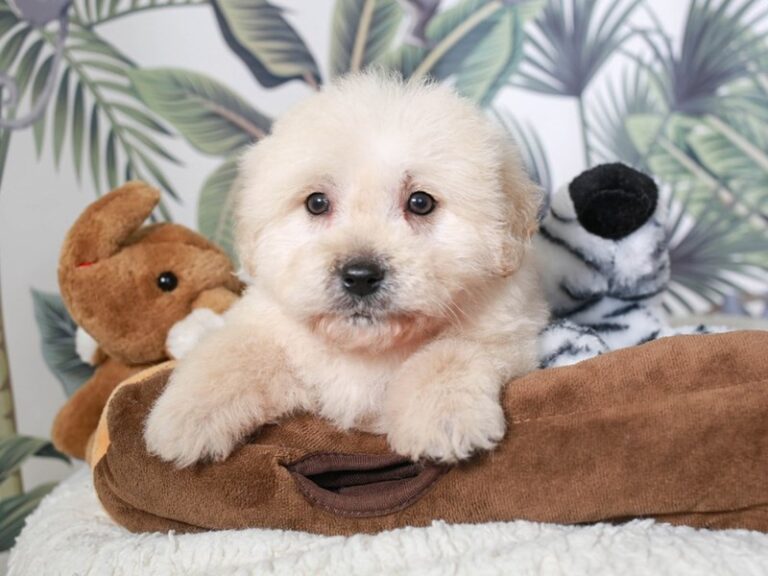
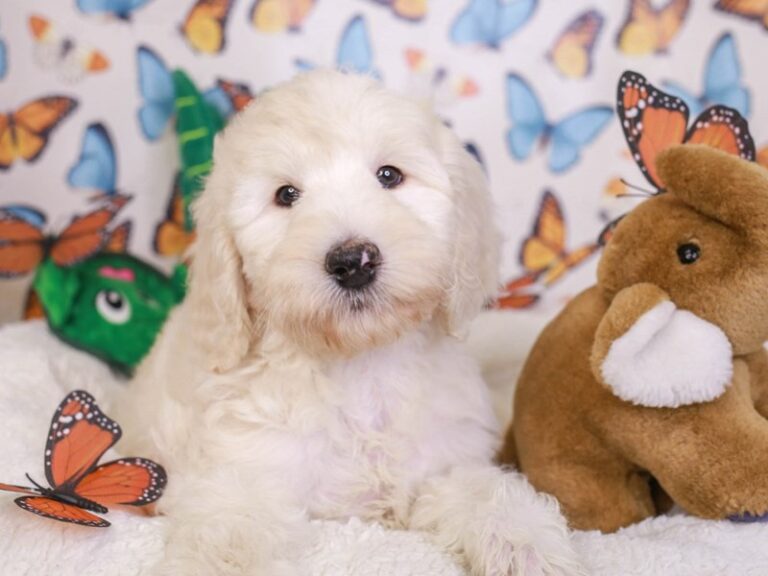
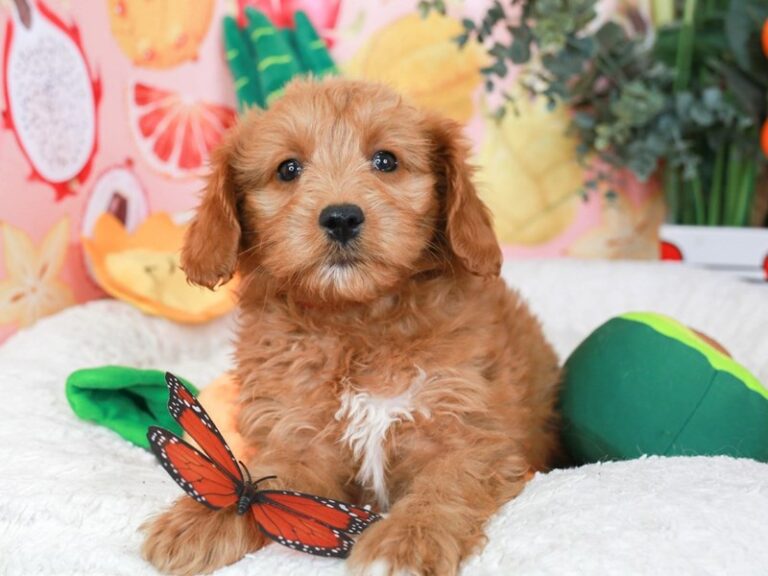
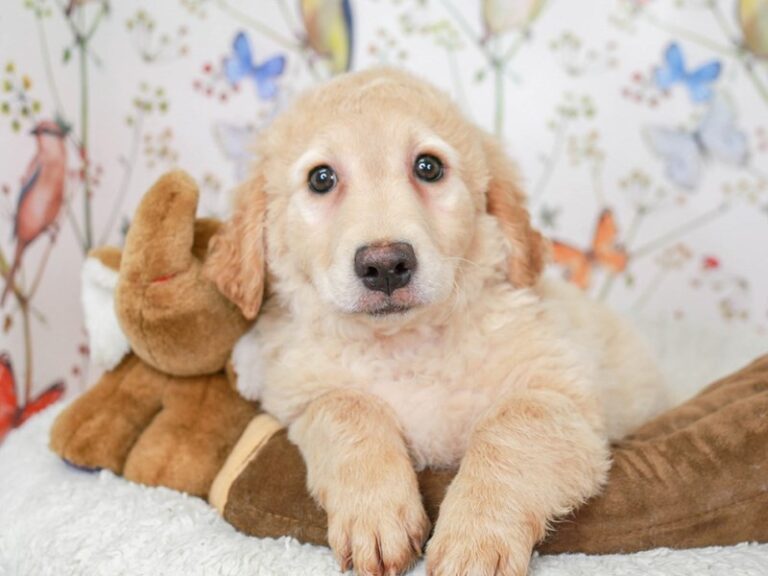
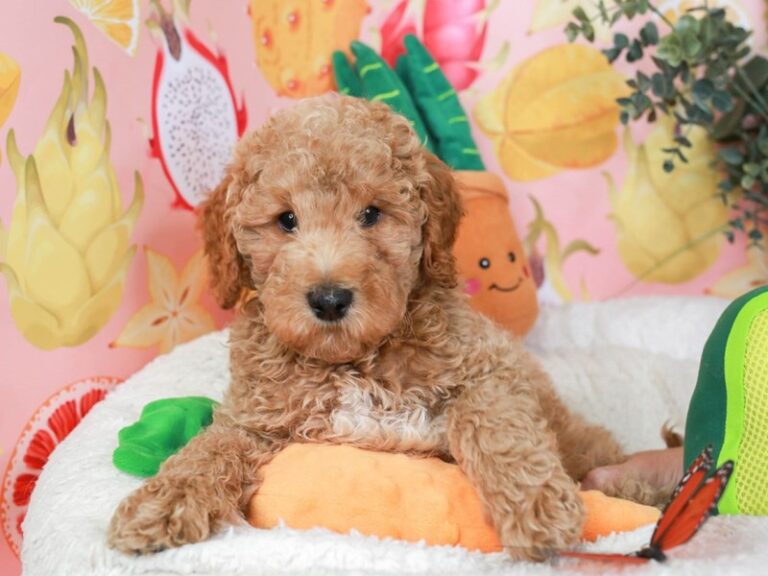
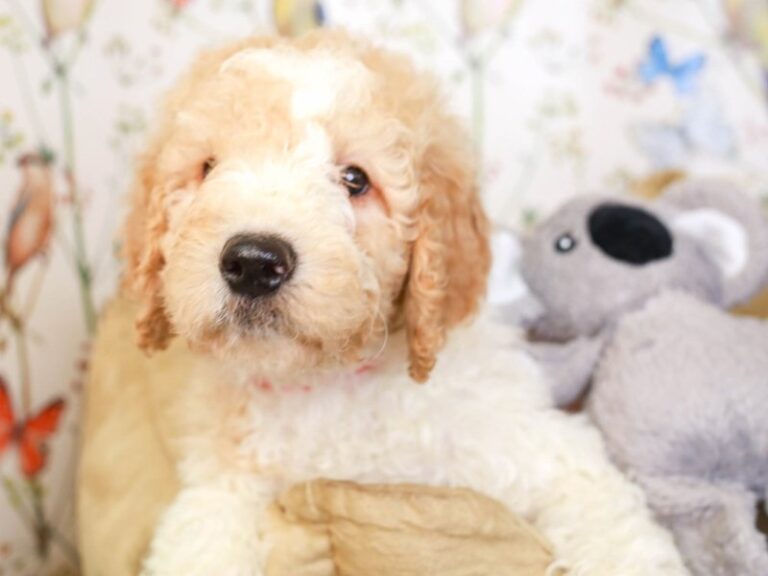
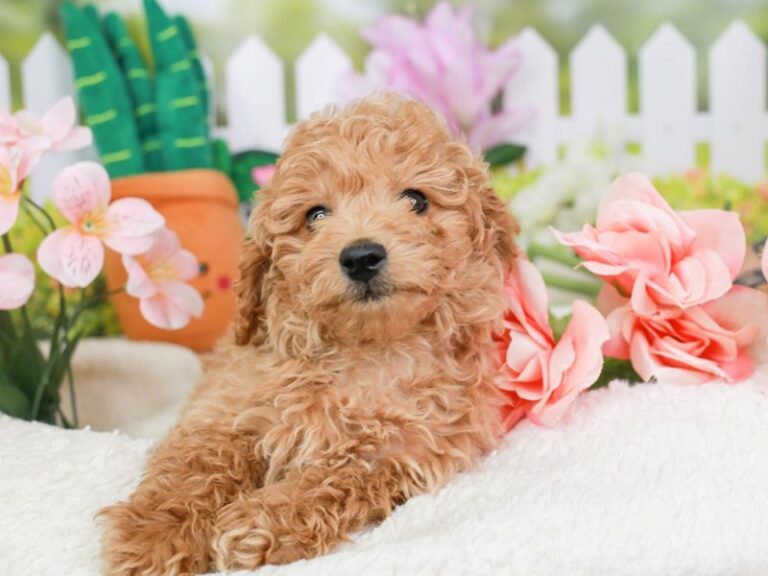
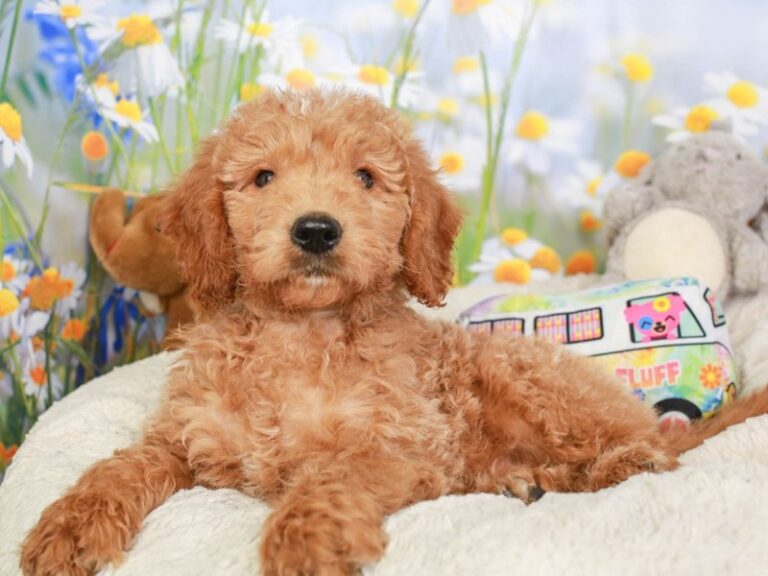
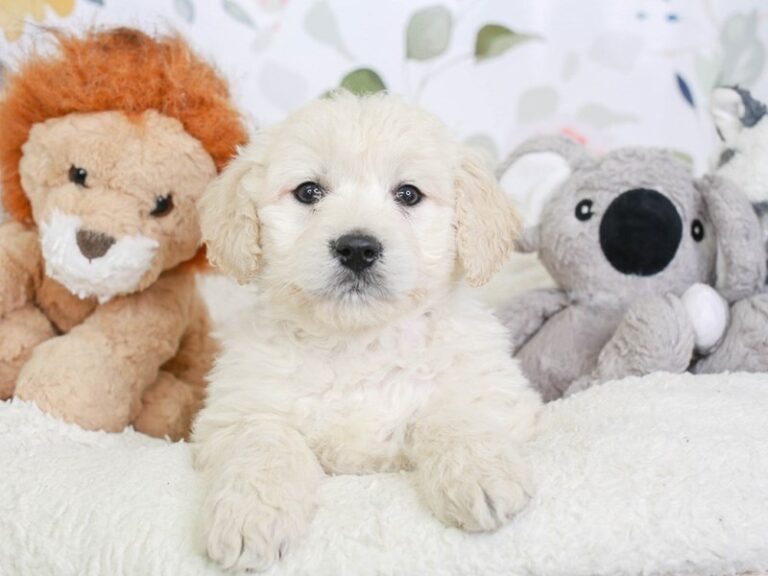
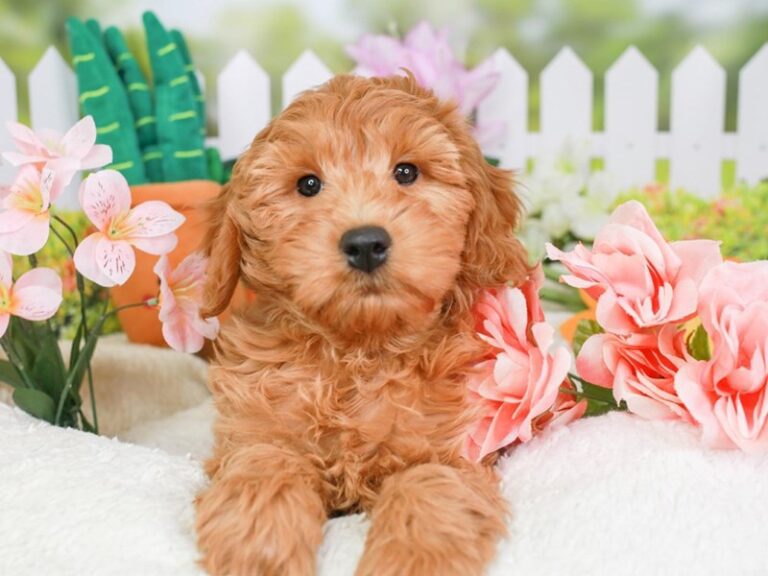
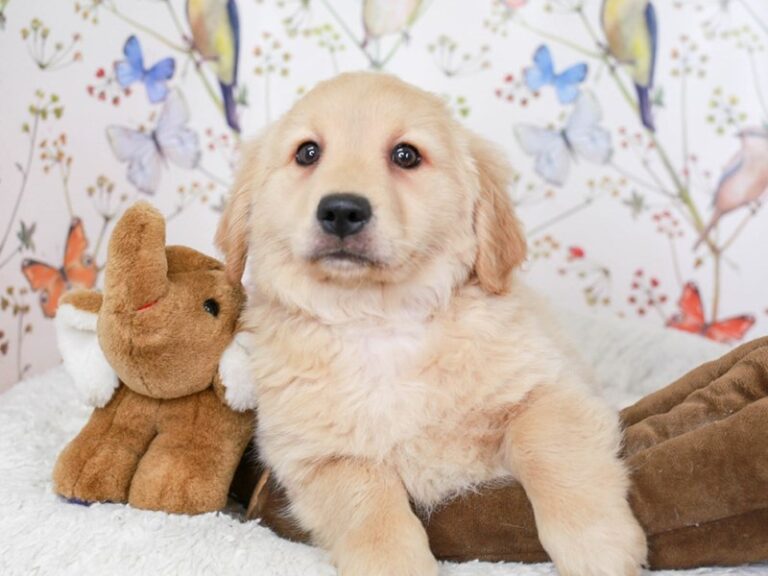
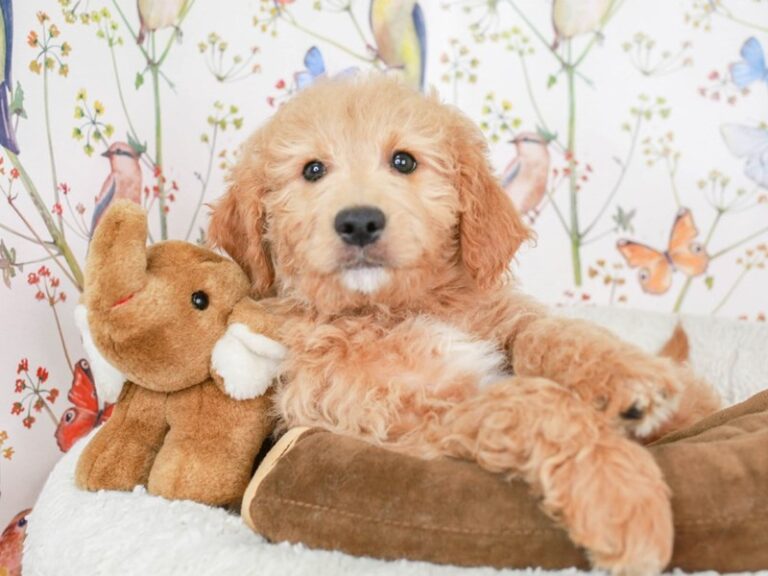
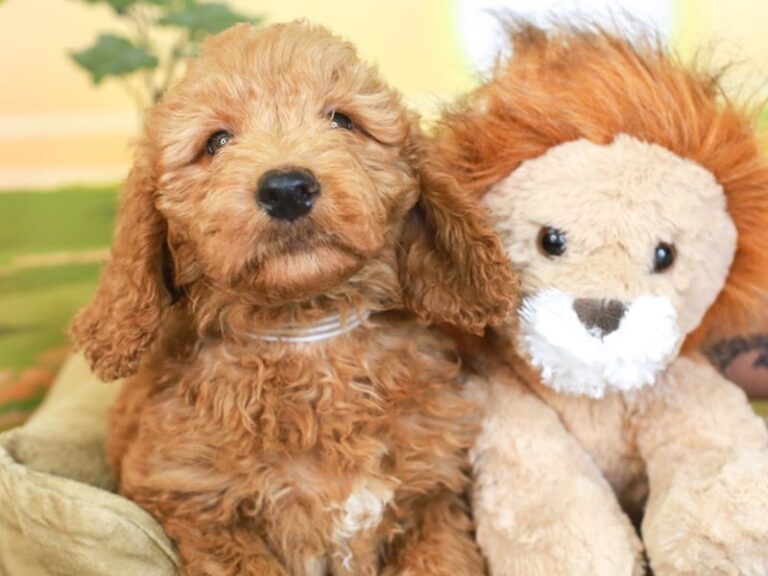
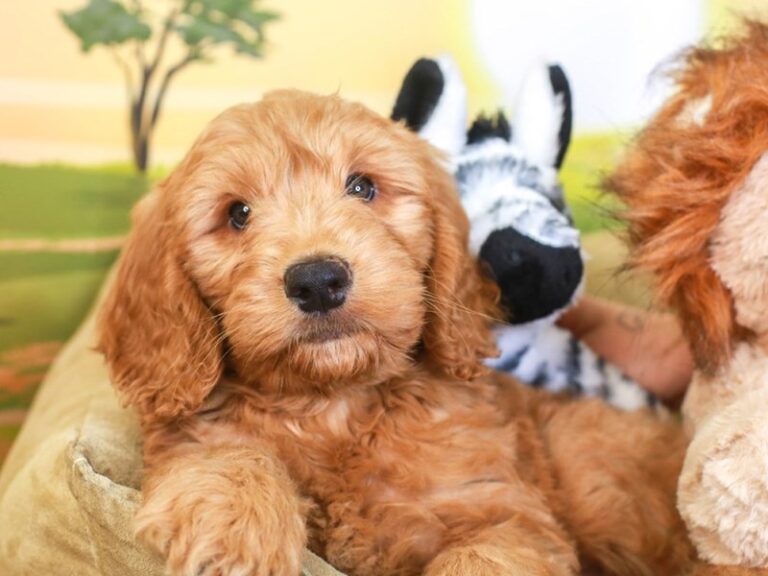
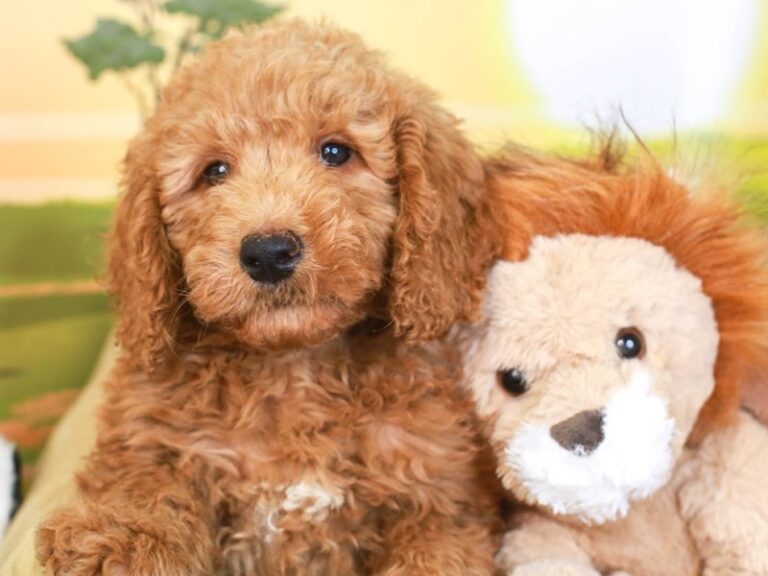
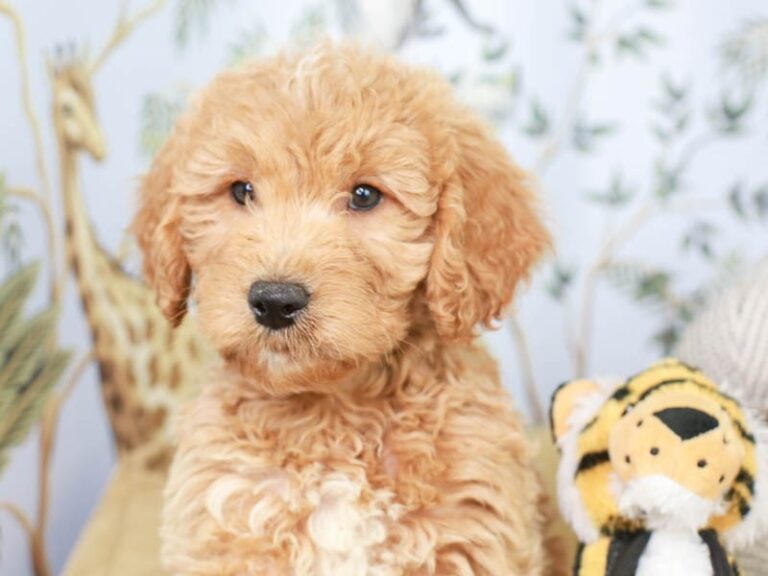
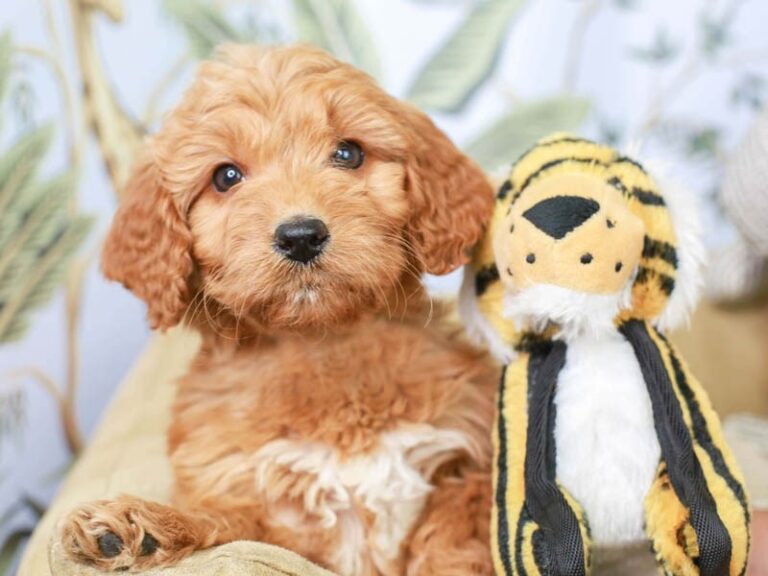
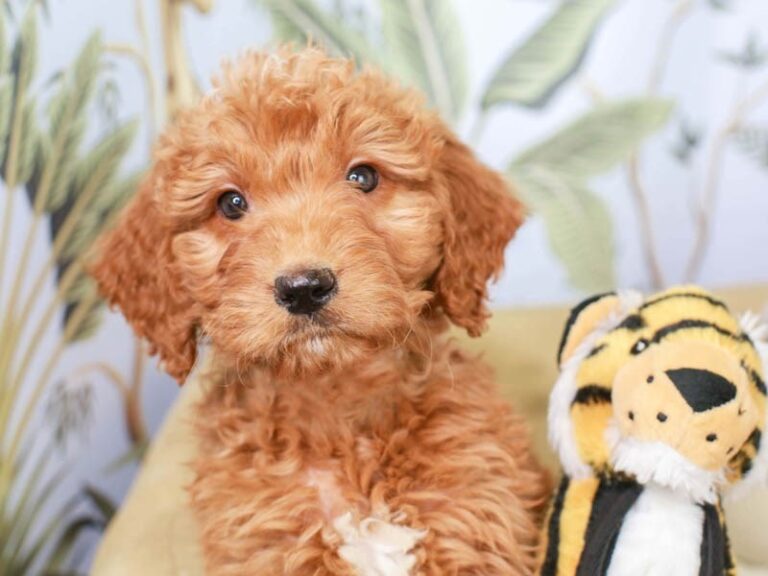
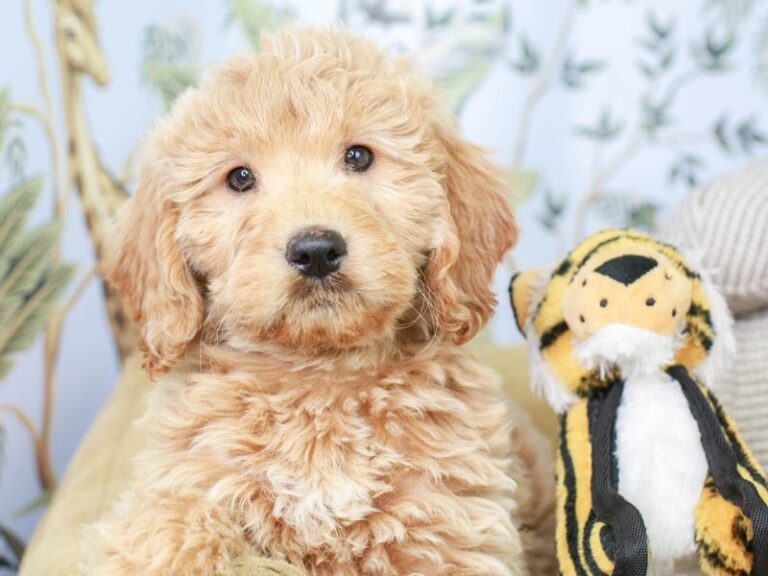
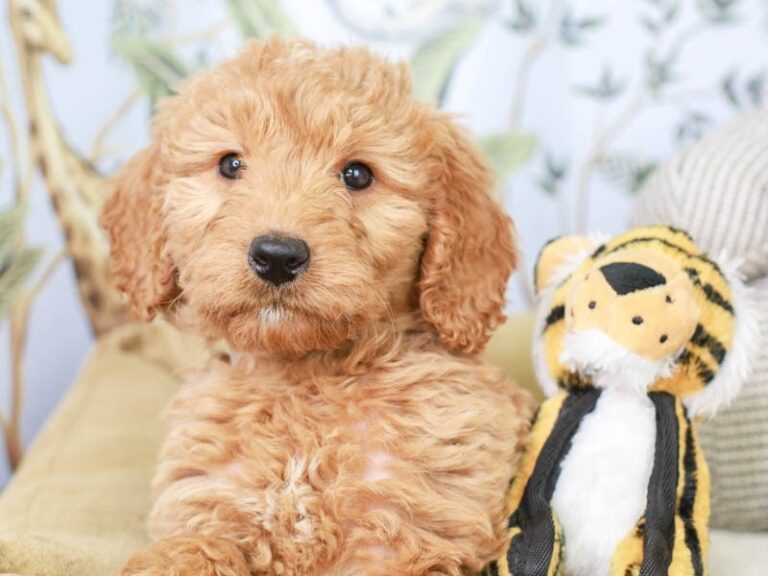
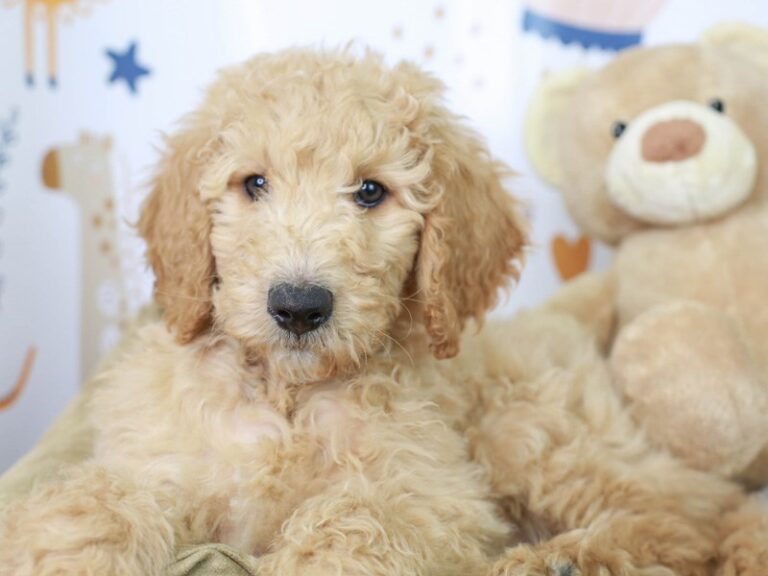
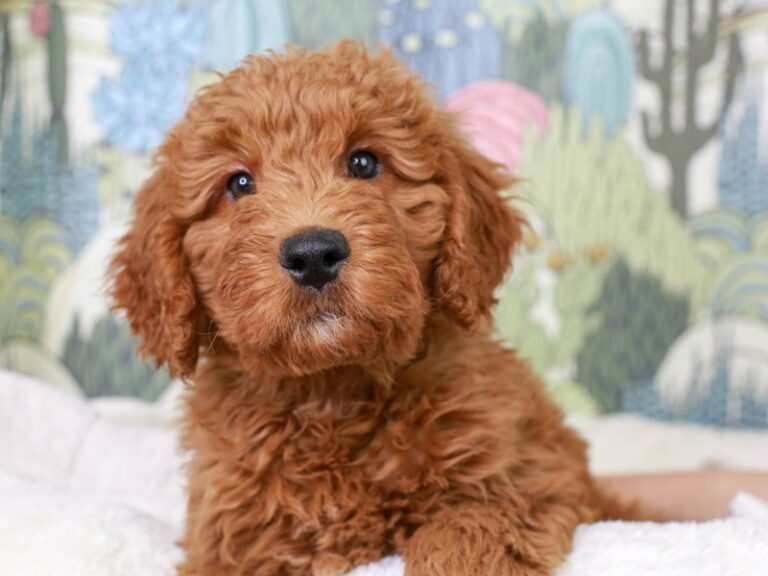
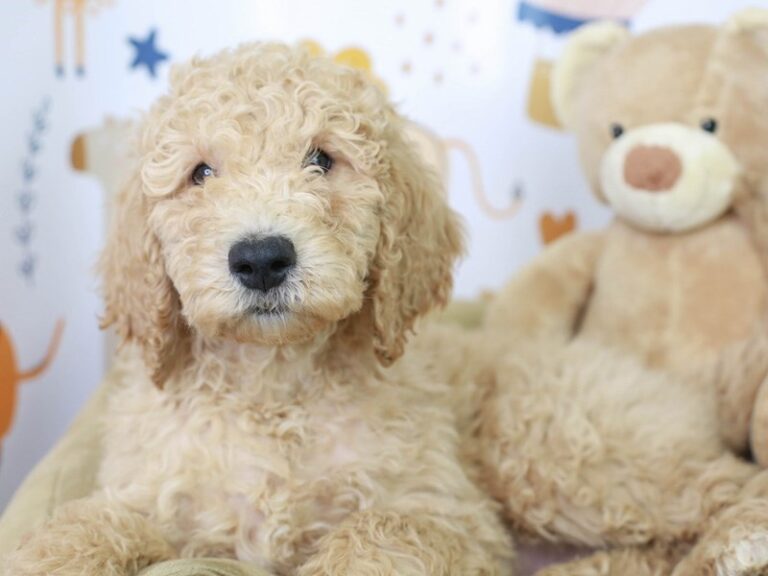
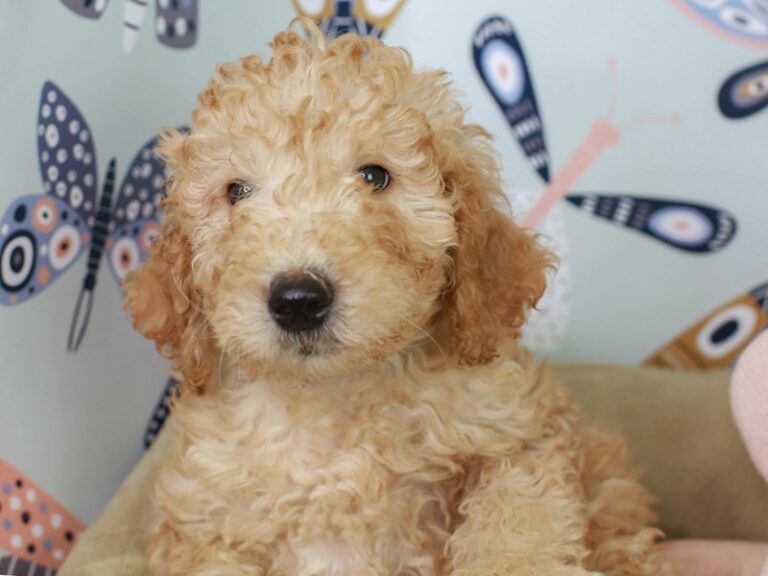
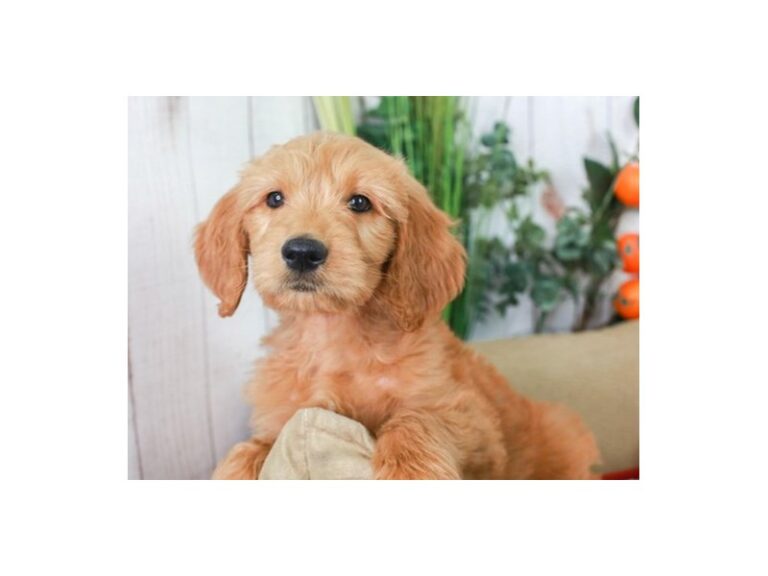
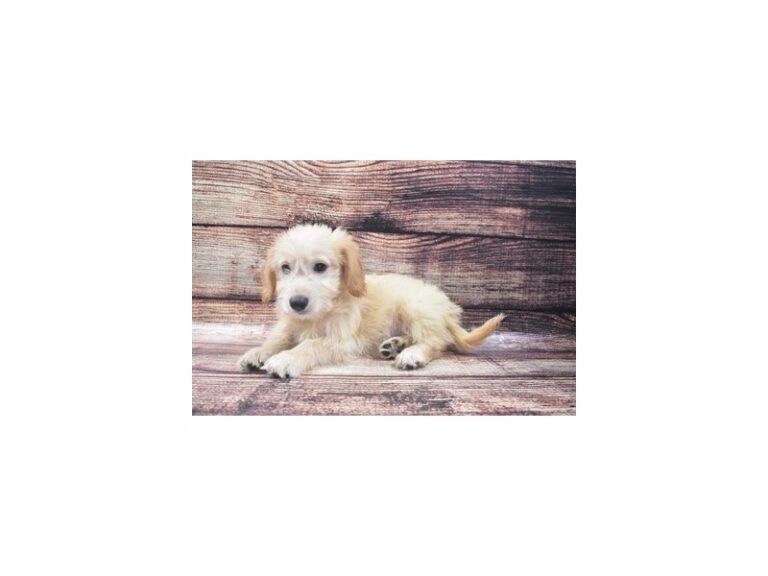
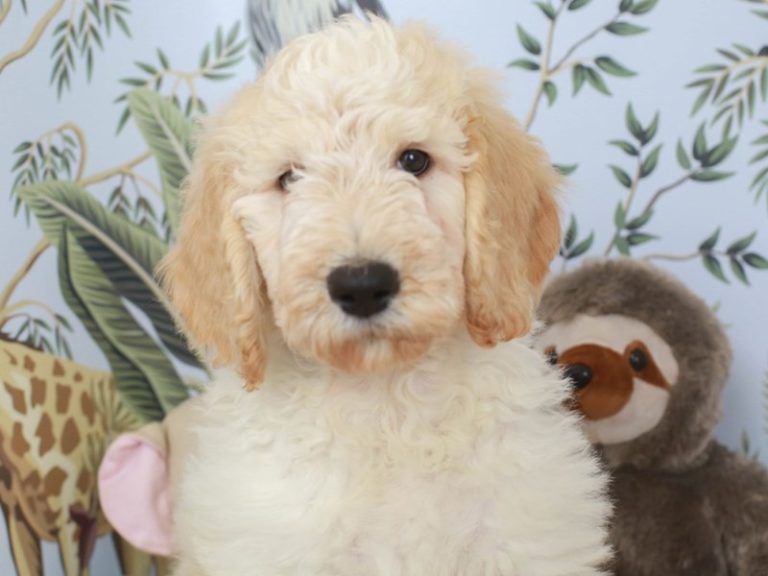
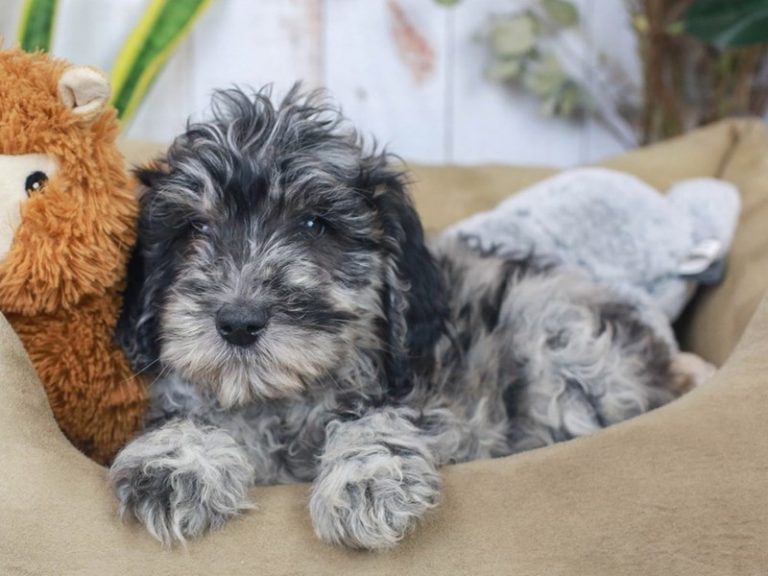
They often inherit the Golden Retriever’s friendly nature and the Poodle’s intelligence and eagerness to learn.
Their playful personalities can make them entertaining companions, while their affectionate side often leads them to seek plenty of attention from their owners.
Goldendoodles can be social with visitors and other pets when introduced properly. Early socialization is important for helping puppies develop confidence in different environments and situations.
Breed Characteristics
- Breed Type: Golden Retriever–Poodle mix
- Height: Approximately 13–24+ inches, depending on size
- Weight: Approximately 15–75+ pounds, depending on size
- Life Expectancy: Around 10–15 years
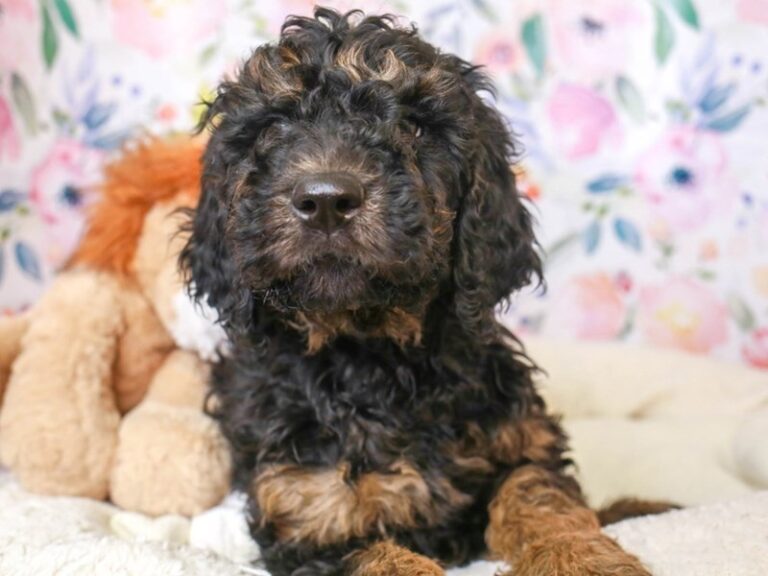
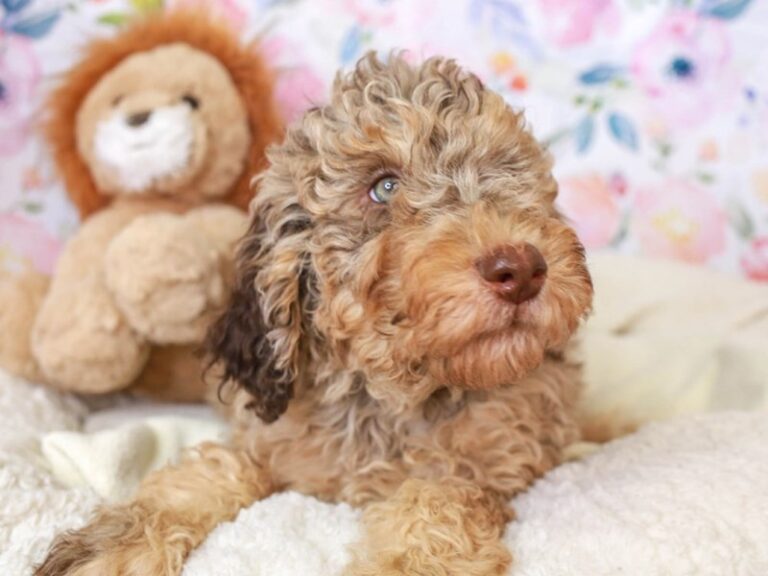
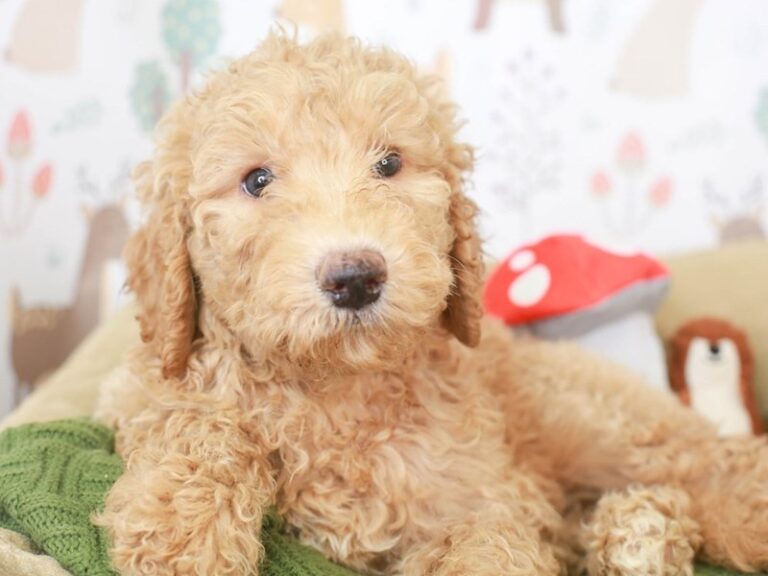
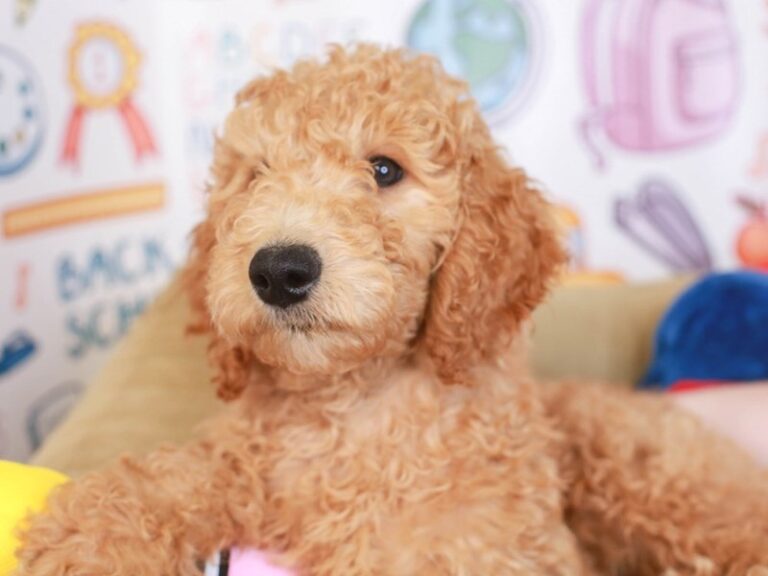
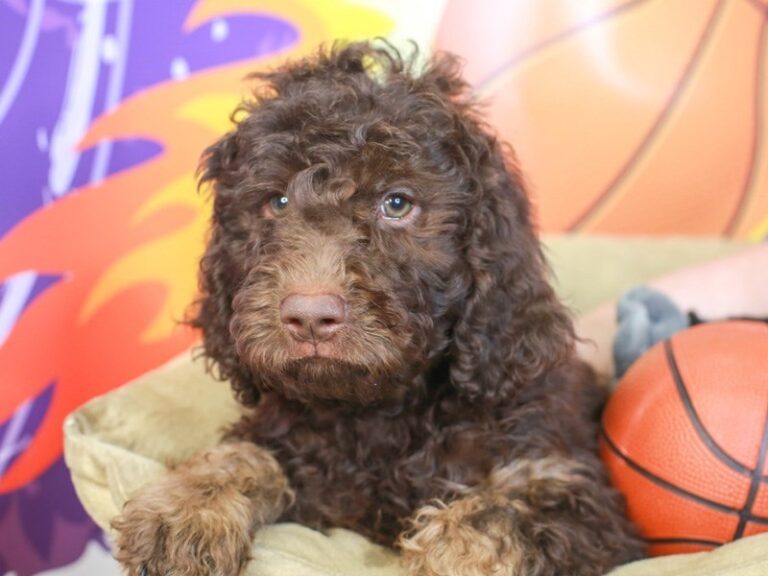
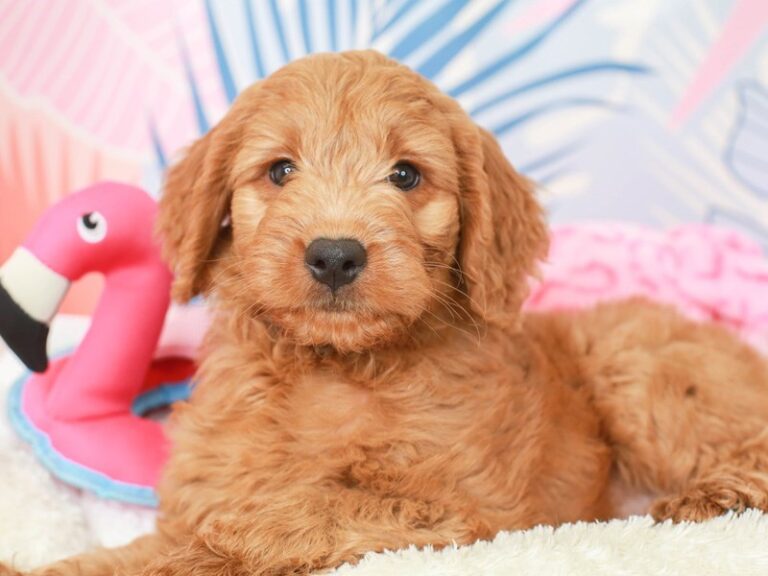
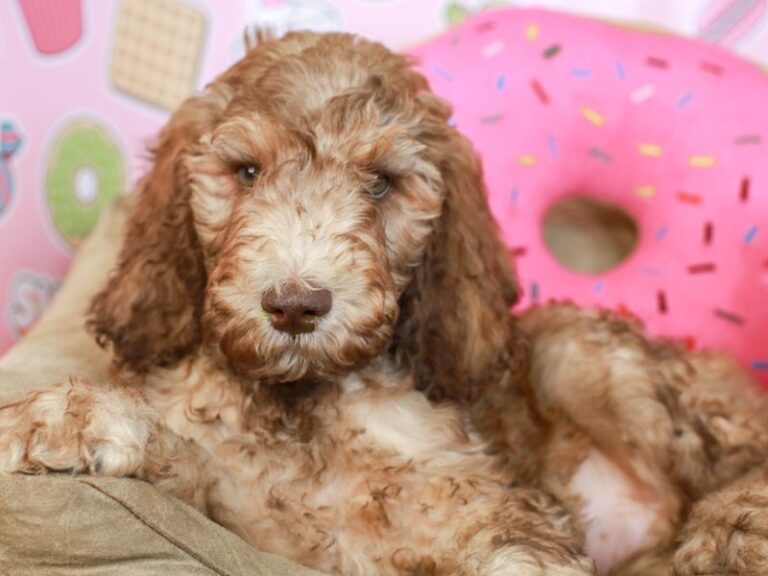
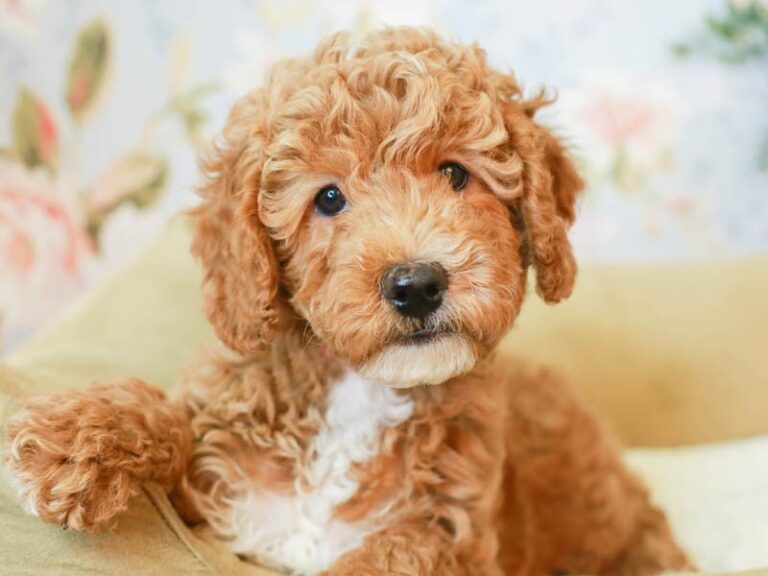
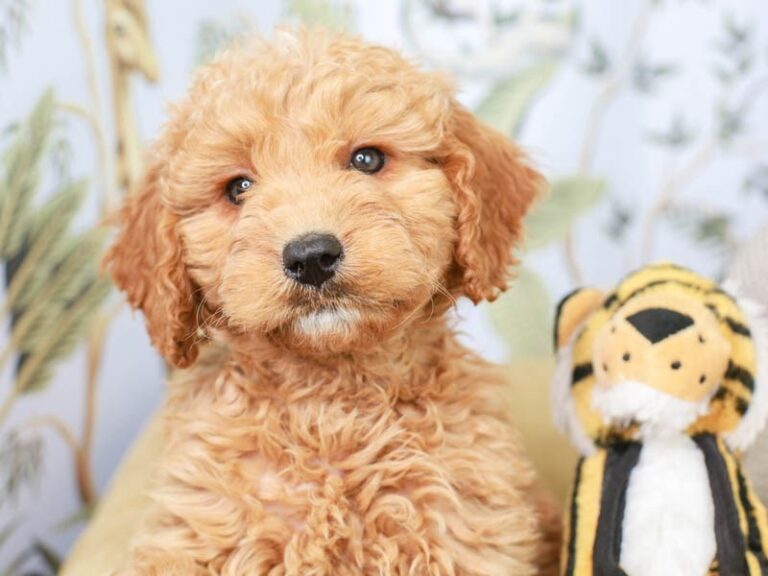
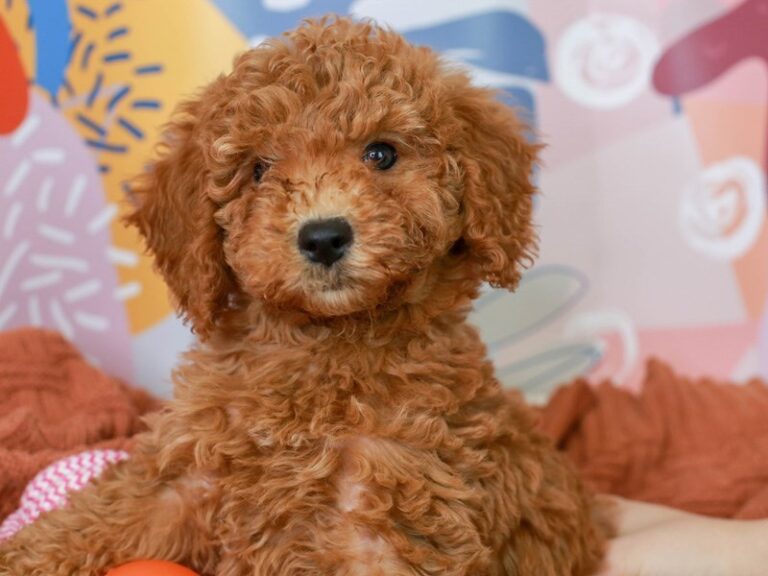
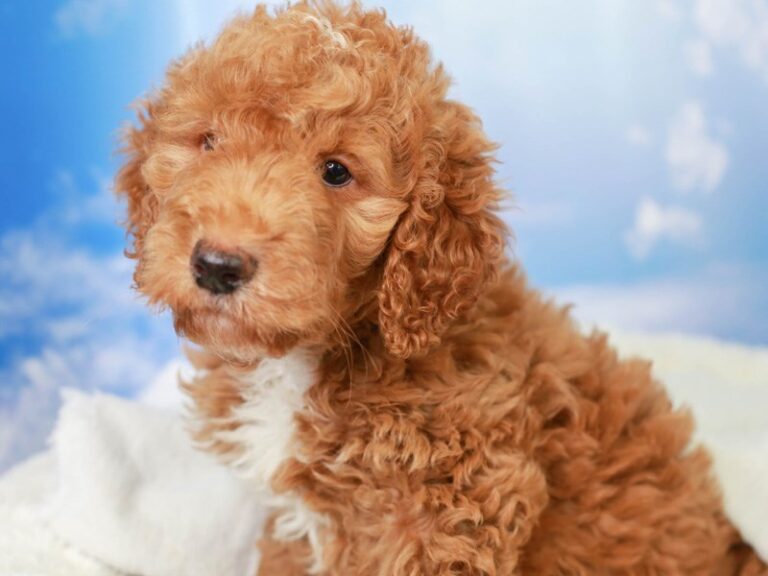
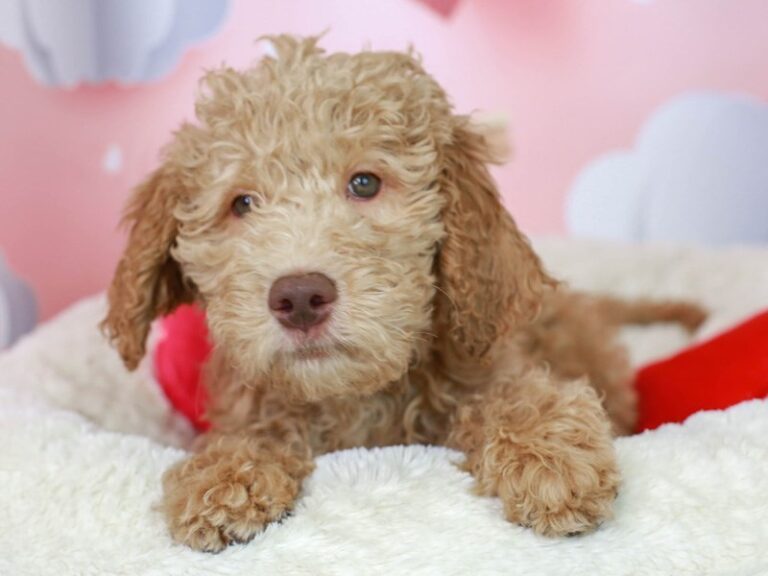
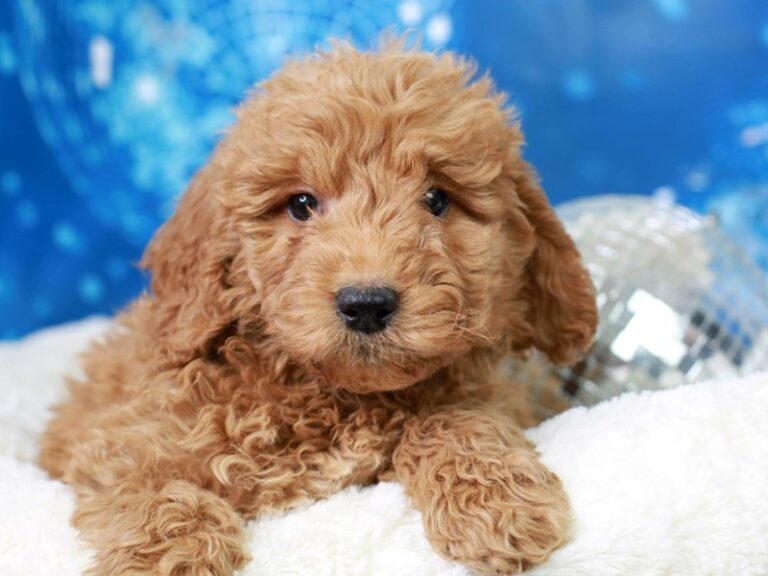
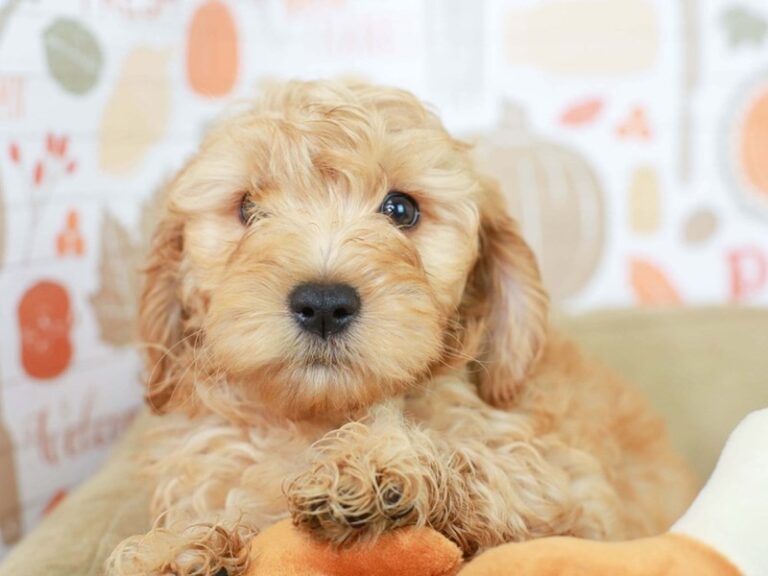
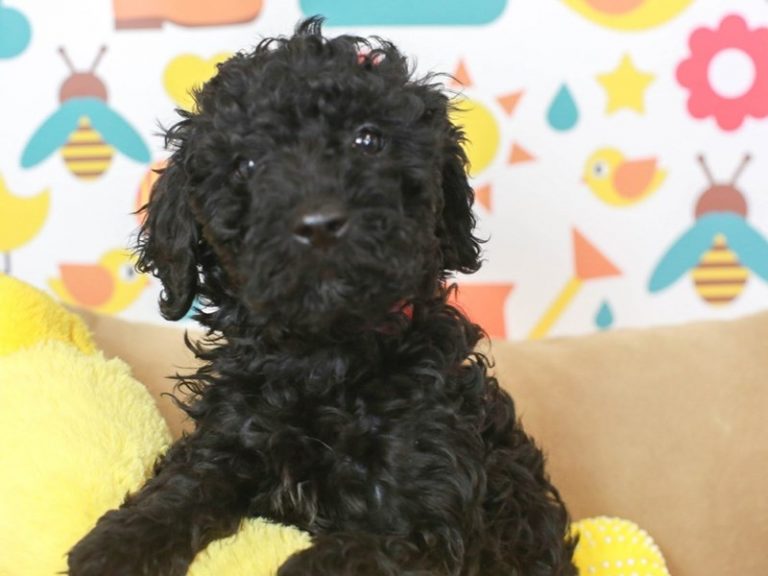
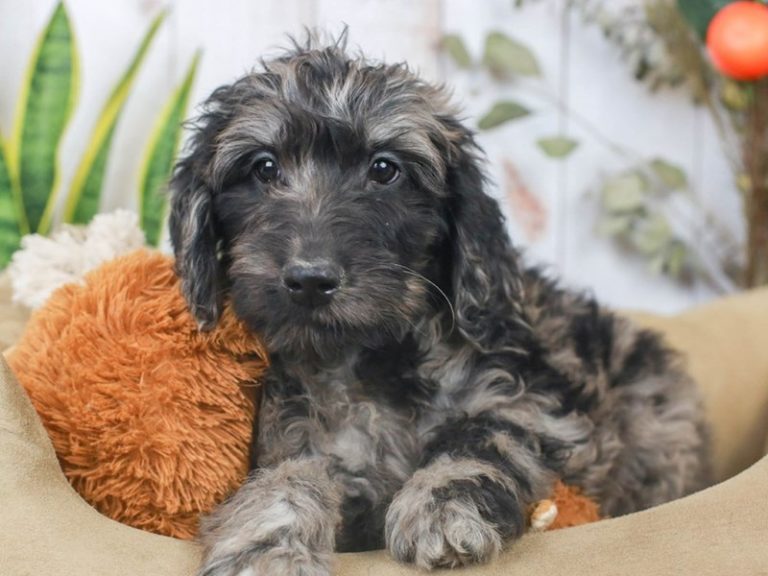
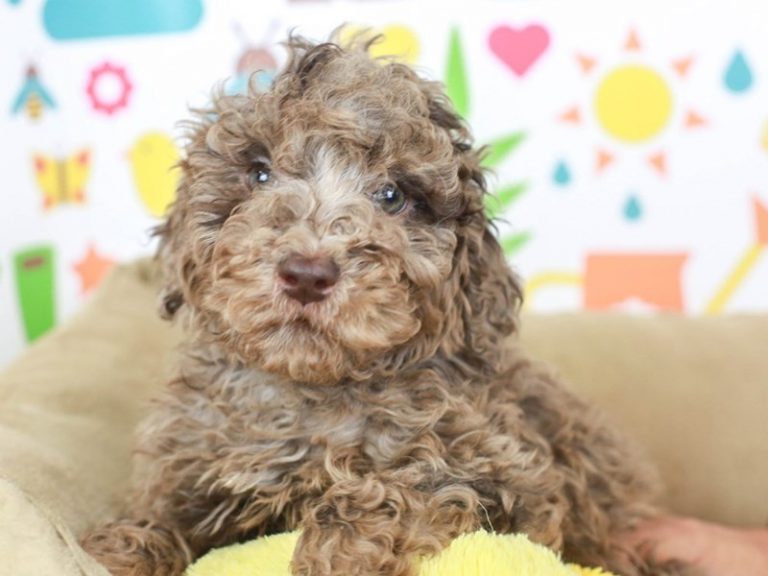
- Coat: Wavy, curly, or straight
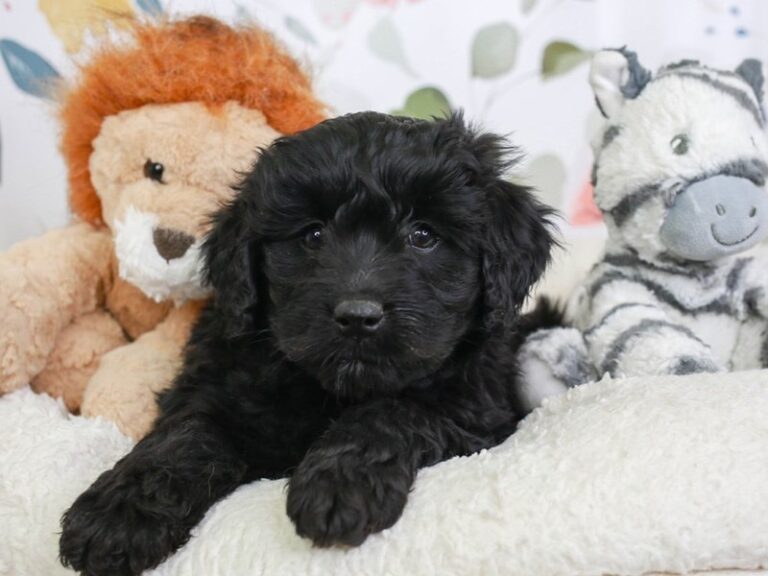
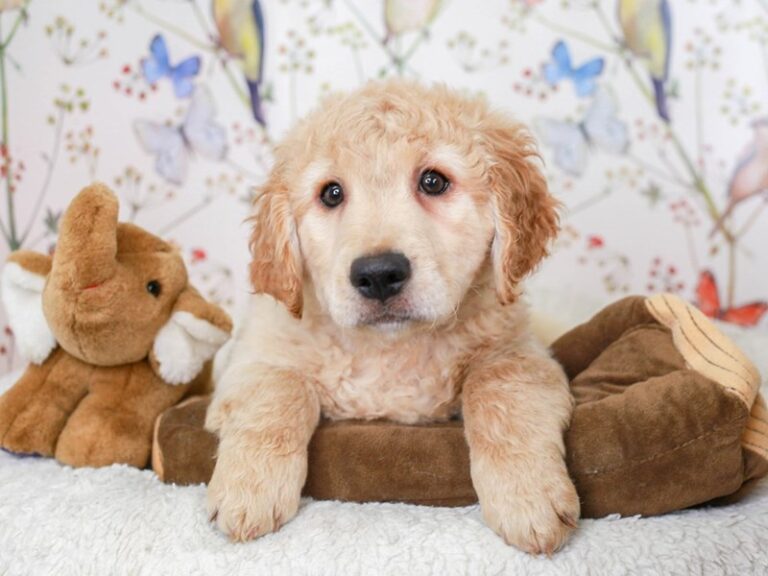
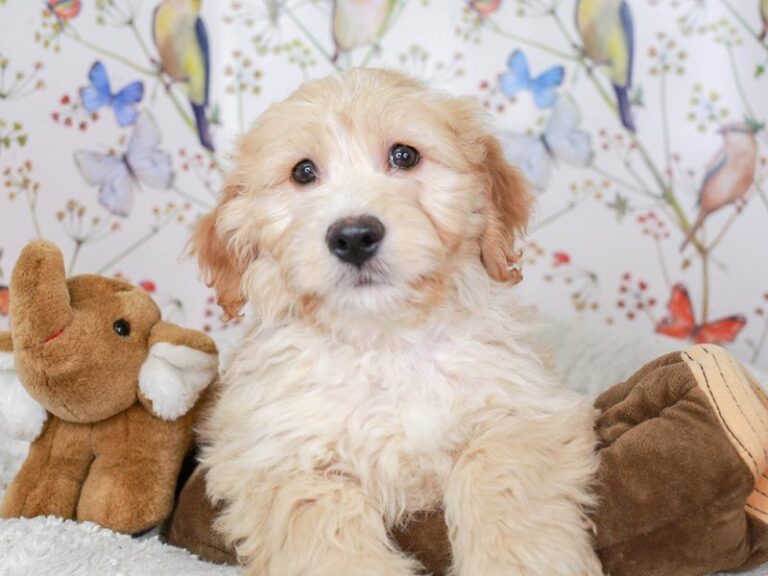
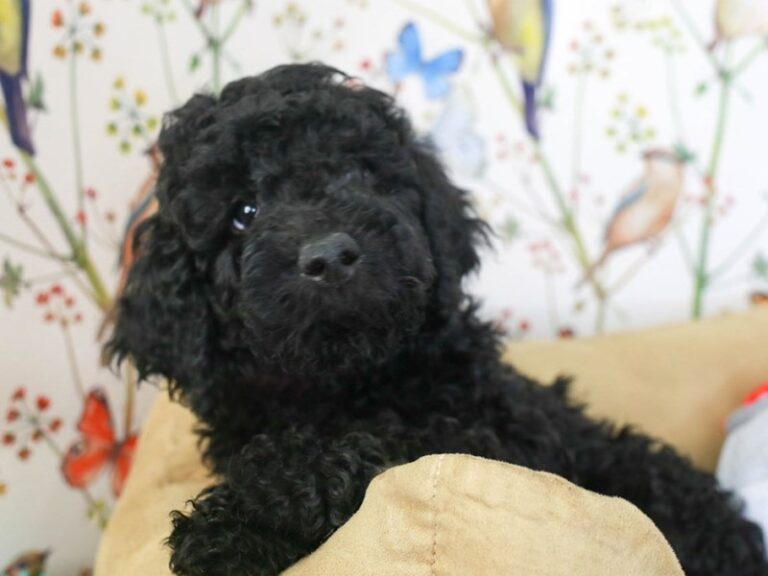
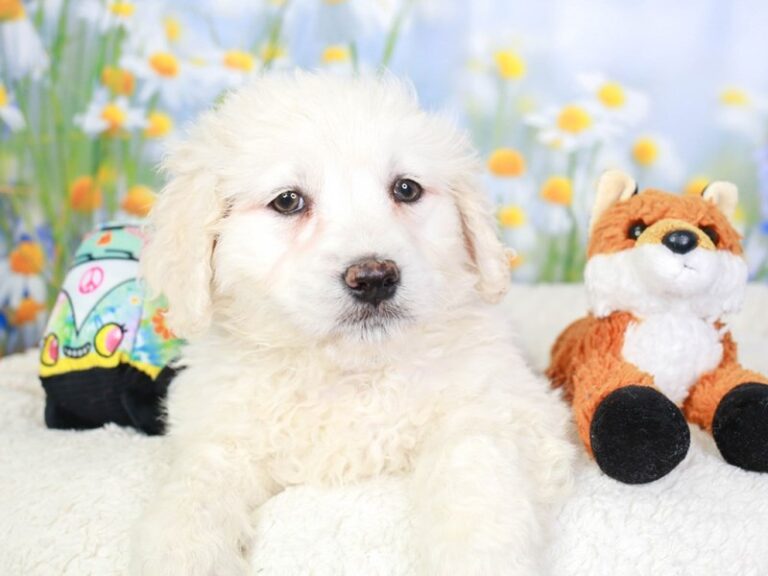
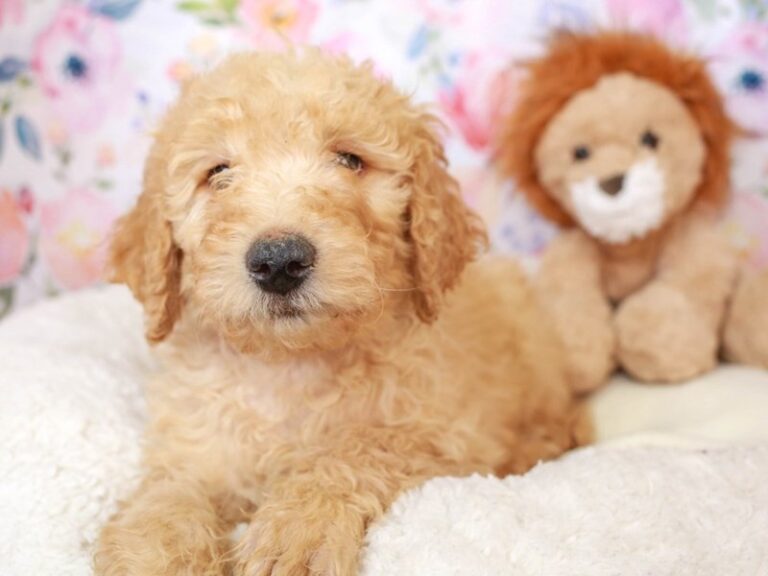
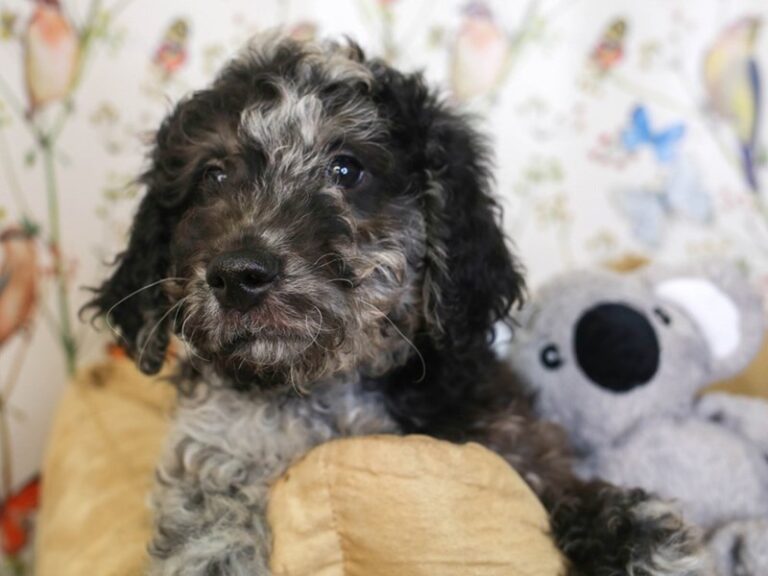
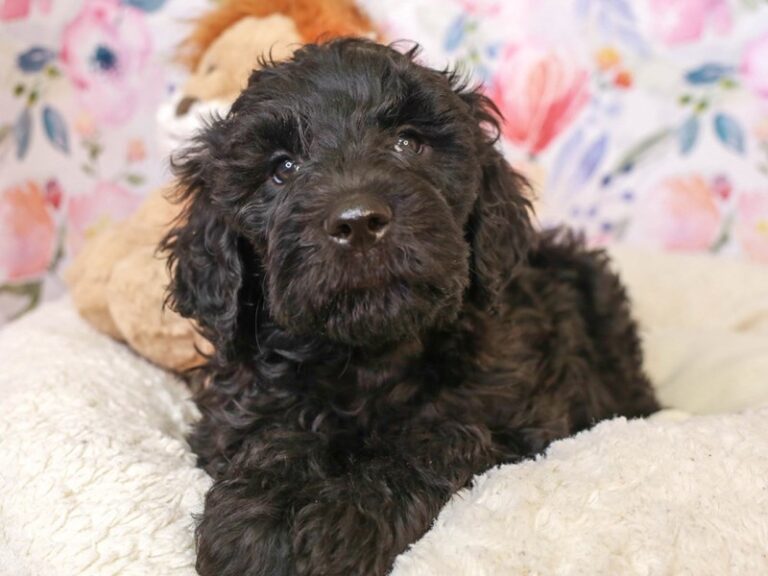
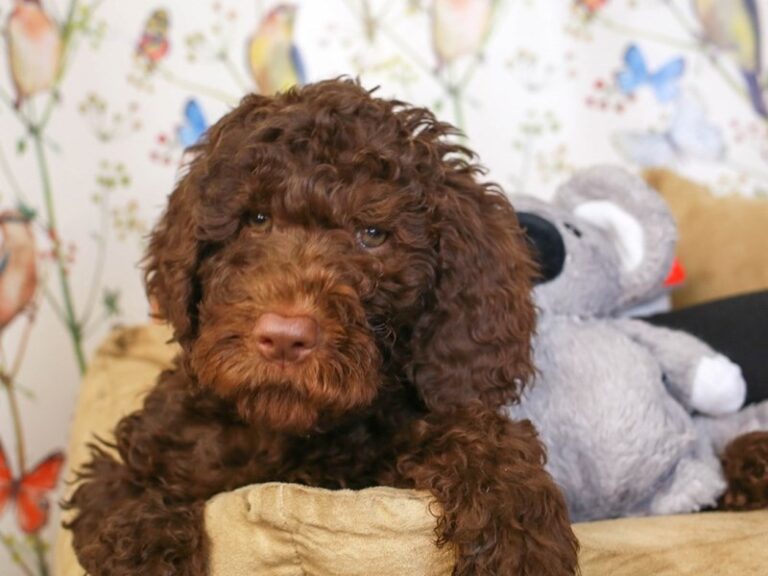
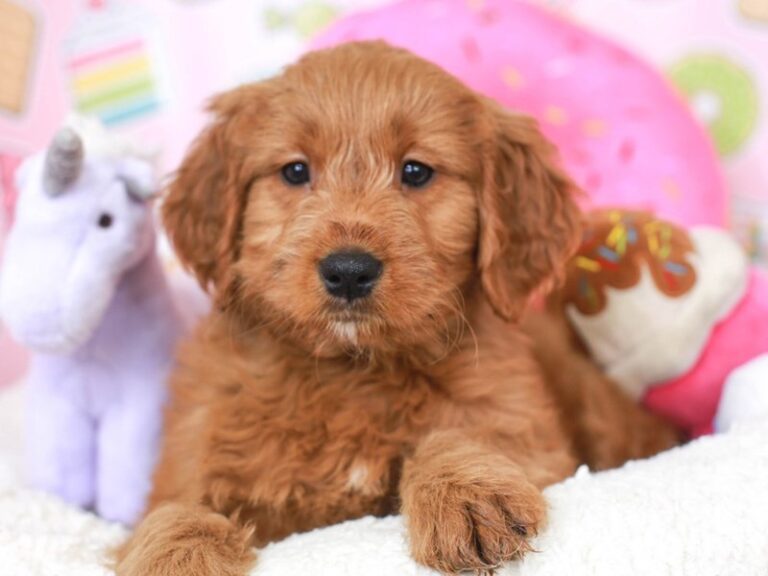
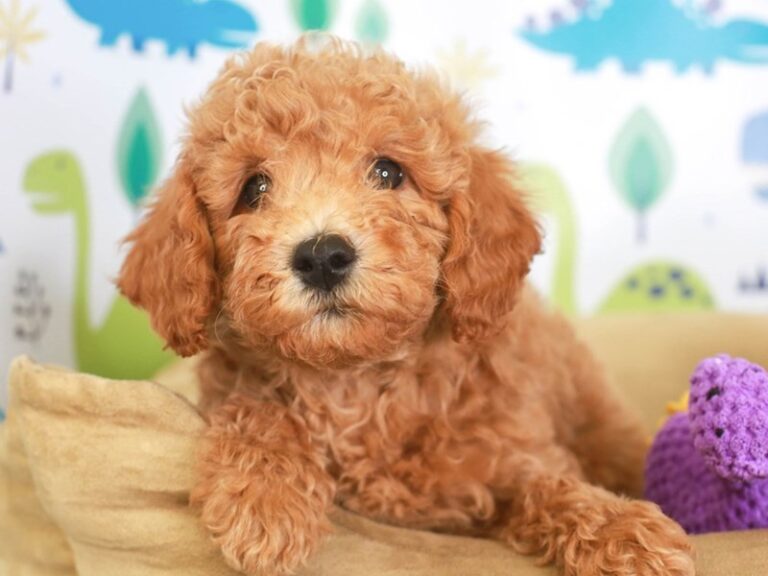
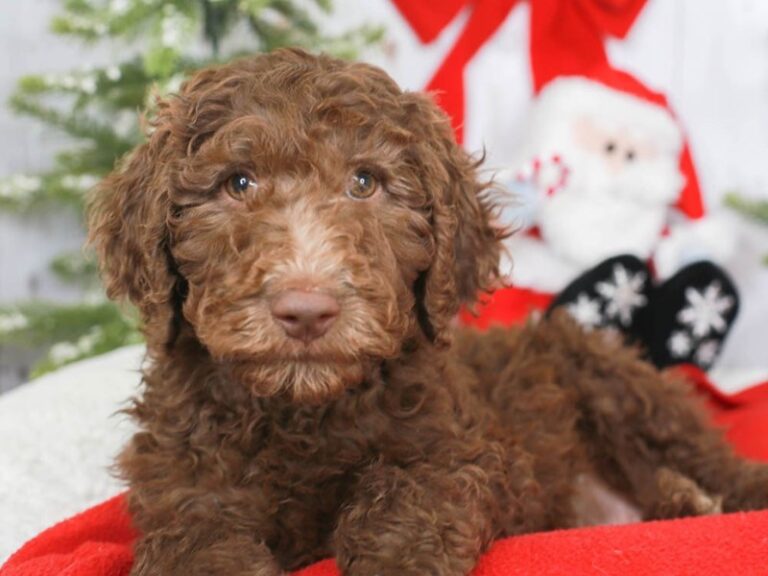
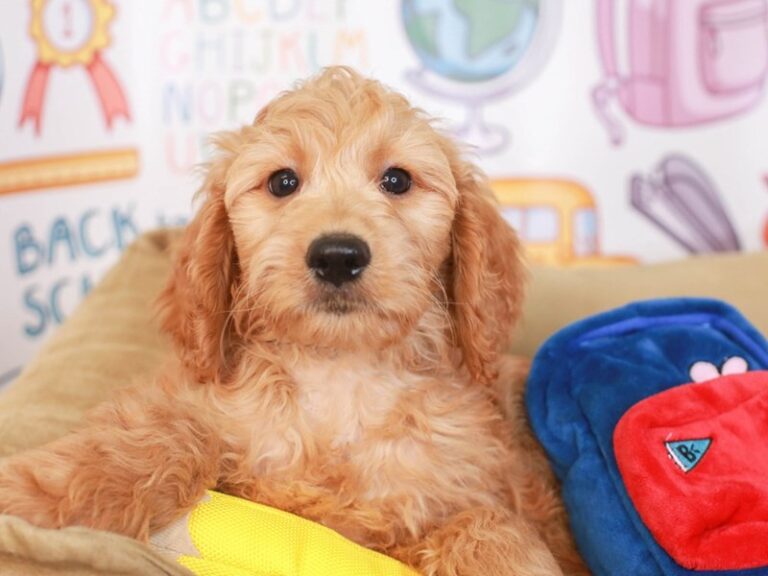
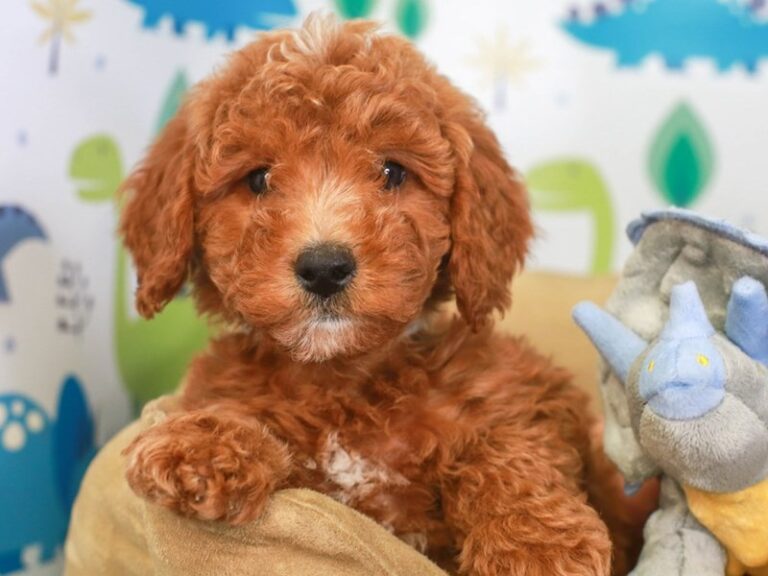
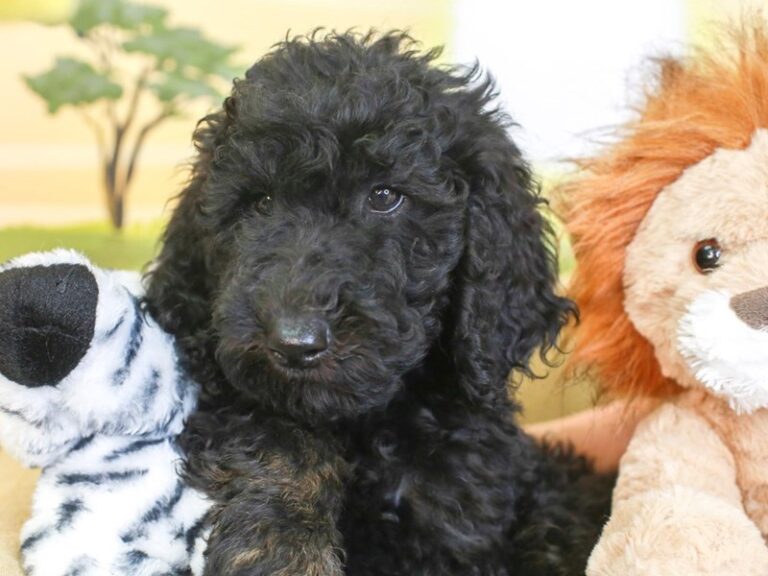
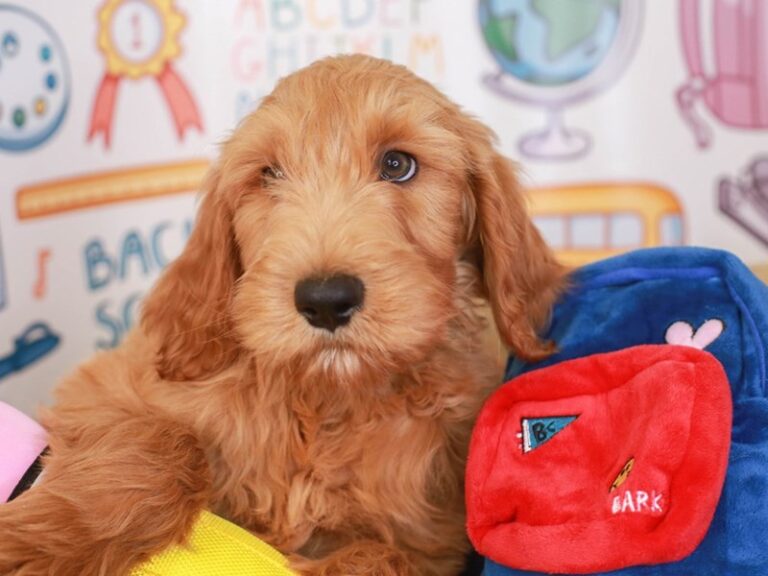
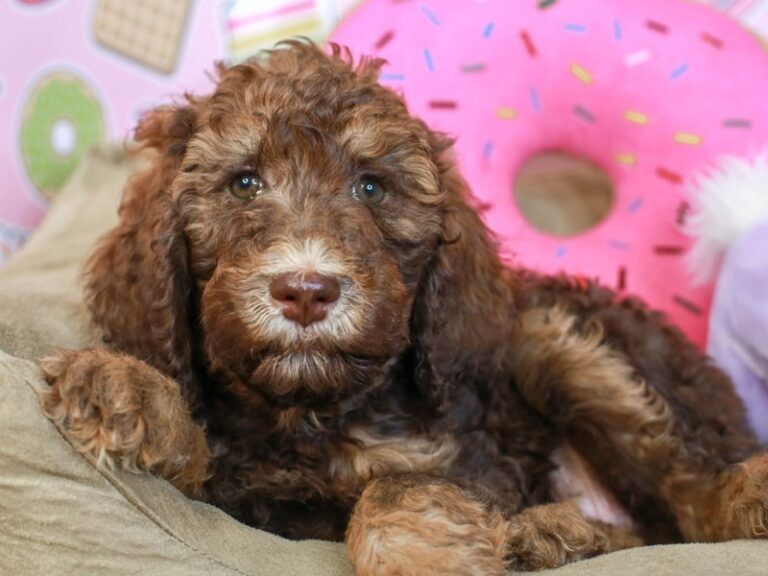
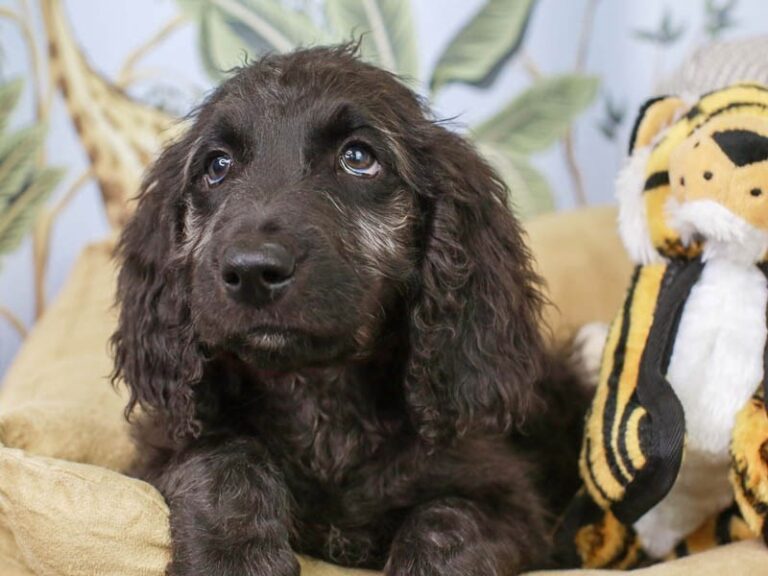
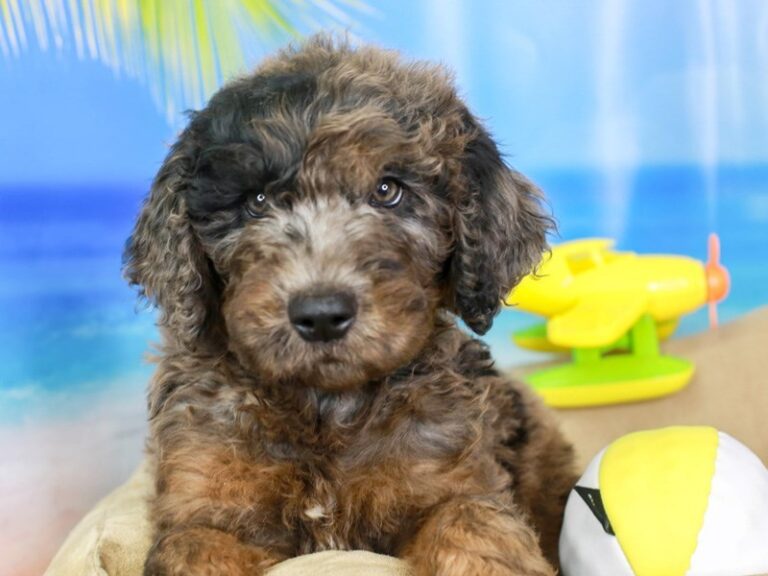
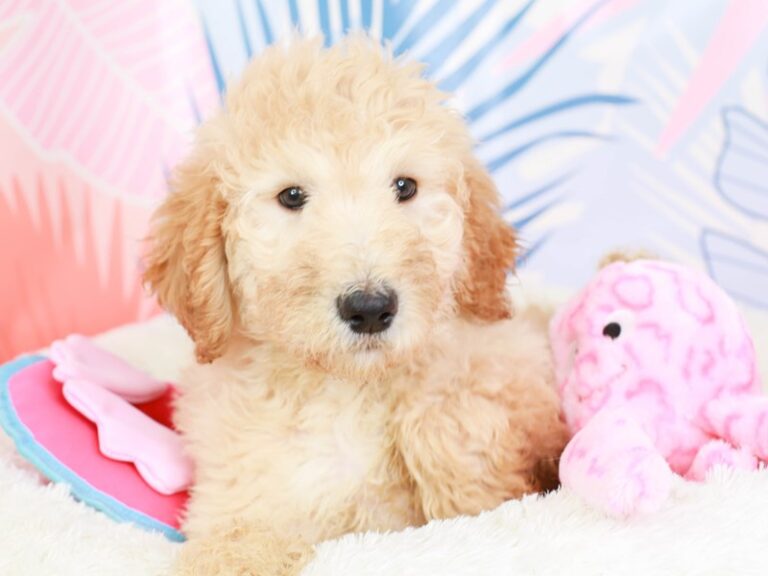
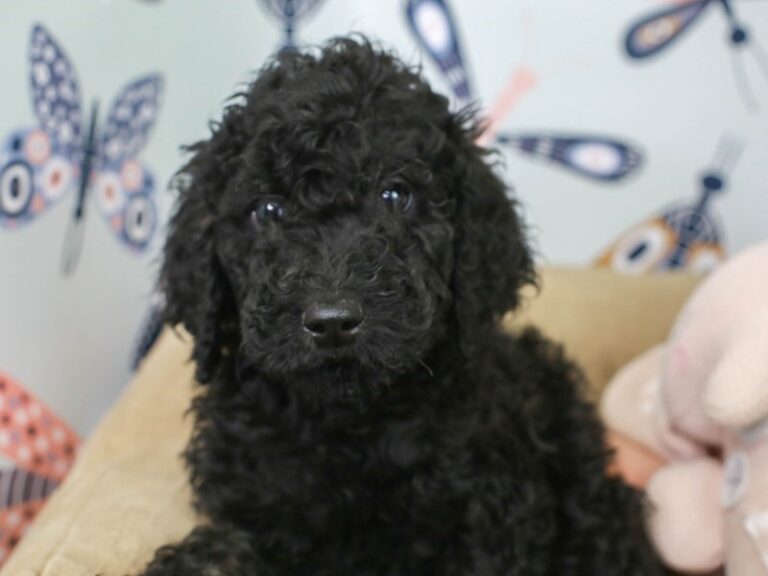
- Colors: Cream, apricot, red, golden, black, brown, and various combinations
- Temperament: Friendly, affectionate, intelligent, playful, social
- Energy Level: Moderate to High
Intelligence & Trainability
One of the Goldendoodle’s biggest advantages is its potential for trainability. Both parent breeds are known for their intelligence and ability to learn, and many Goldendoodles respond well to positive reinforcement.
Training can include:
- Basic obedience
- House training
- Leash manners
- Recall
- Socialization
- Trick training
- Impulse control
Short, engaging sessions using treats, praise, and toys can help keep a Goldendoodle puppy motivated. Mental stimulation is particularly useful because intelligent dogs can become bored when their minds are not challenged.
Grooming Requirements
Goldendoodle grooming needs can vary considerably depending on coat type. Wavy and curly coats generally require more maintenance than straighter coats.
A regular grooming routine may include:
- Brushing several times each week
- Professional grooming every few weeks
- Bathing as needed
- Regular nail trimming
- Ear cleaning
- Routine dental care
- Trimming around the eyes and face when necessary
Regular brushing is especially important for curlier coats because they can become tangled or matted. Grooming should be introduced gradually during puppyhood so the dog becomes comfortable with regular handling.
Goldendoodle Puppies & Children
Goldendoodles can be wonderful family companions thanks to their playful and affectionate personalities. Many enjoy interacting with children and participating in family games and outdoor activities.
Because puppies can be energetic and excitable, children should be taught how to interact appropriately with them. Young children should always be supervised around a puppy.
Early socialization and training can help a Goldendoodle develop good manners around children, visitors, and other pets.
Is a Goldendoodle Puppy Right for You?
A Goldendoodle puppy may be a great match if you’re looking for a dog that is:
- Friendly and affectionate
- Intelligent and trainable
- Playful and active
- Social and family-oriented
- Available in different sizes
- Potentially low-shedding depending on coat type
Prospective owners should understand that Goldendoodles are not guaranteed to be hypoallergenic or completely non-shedding. Their grooming requirements can also be significant, particularly for dogs with curly coats.
Frequently Asked Questions
Are Goldendoodle puppies good family pets?
Yes. Goldendoodles are often friendly, affectionate, playful, and social, making them popular family companions when properly trained and socialized.
Are Goldendoodles easy to train?
Goldendoodles are generally intelligent and responsive to positive reinforcement. Consistent training from puppyhood can help develop good manners and obedience.
Do Goldendoodles shed?
Shedding varies. Some Goldendoodles shed very little, while others may shed more depending on the coat they inherit. No Goldendoodle can be guaranteed to be completely non-shedding or hypoallergenic.
How much exercise does a Goldendoodle need?
Goldendoodles generally need daily exercise combined with mental stimulation. Walks, fetch, swimming, training, and interactive games can all be good options.
Are Goldendoodles good with children?
Many Goldendoodles can be excellent companions for children because of their playful and affectionate nature. Young children should always be supervised around puppies.
Do Goldendoodles get along with other pets?
With proper socialization and introductions, Goldendoodles can often live successfully with other dogs and household pets.