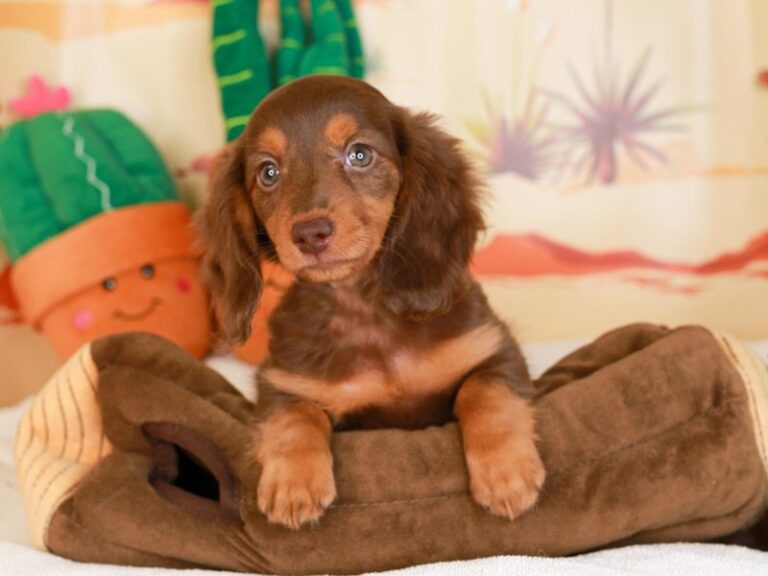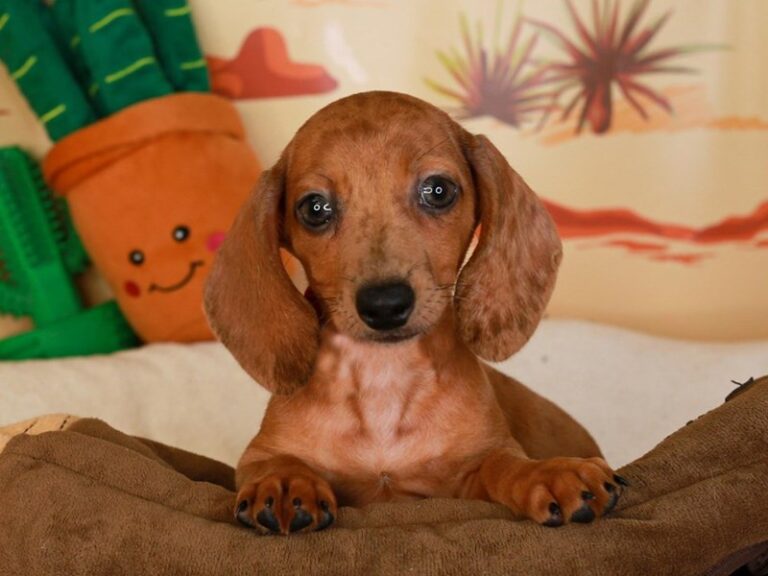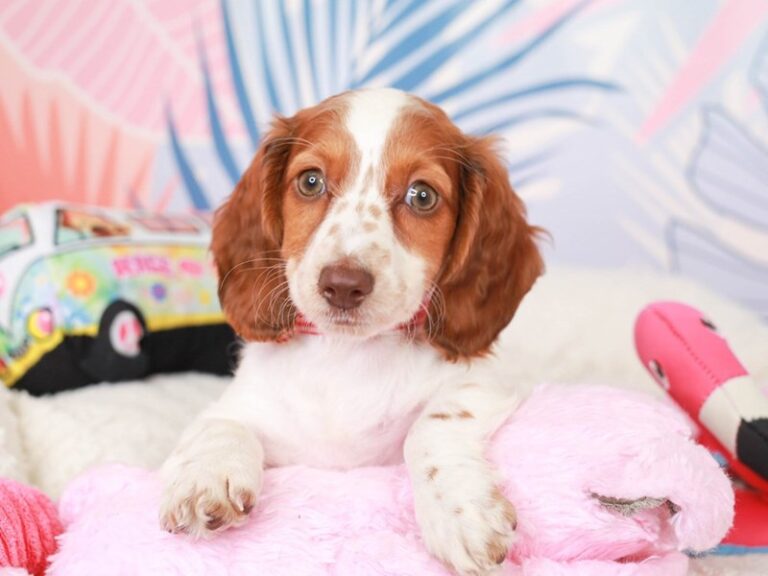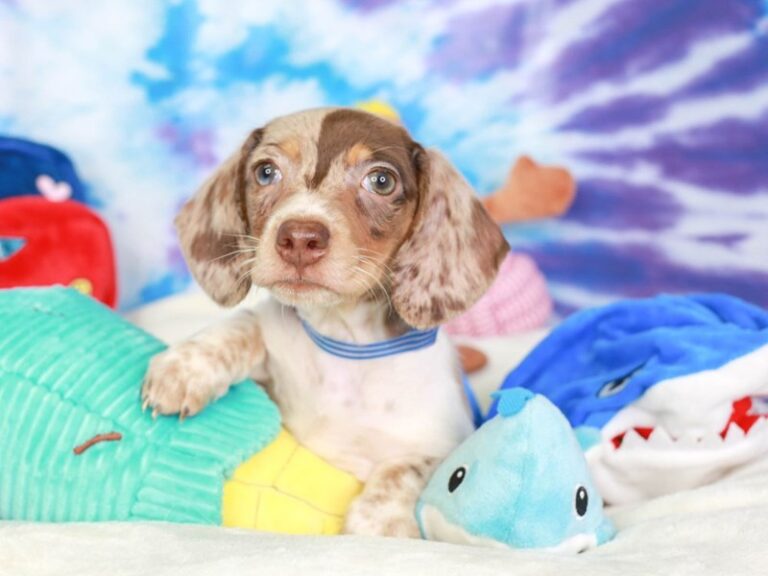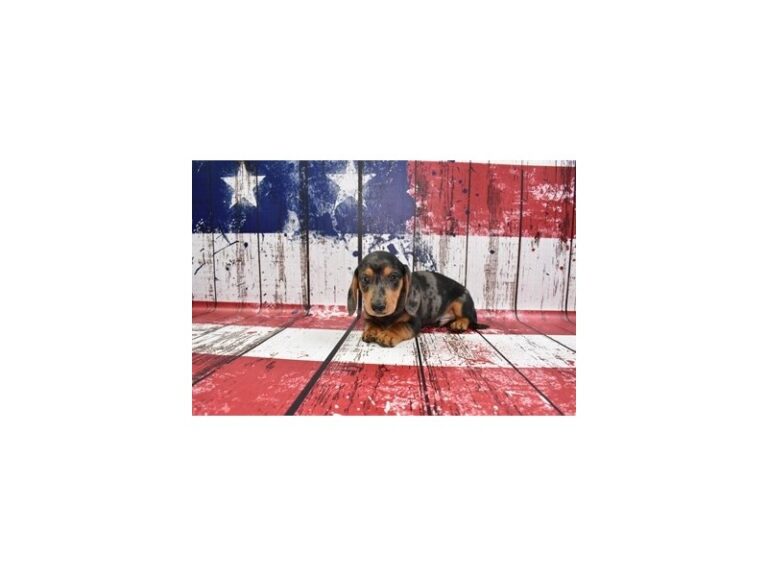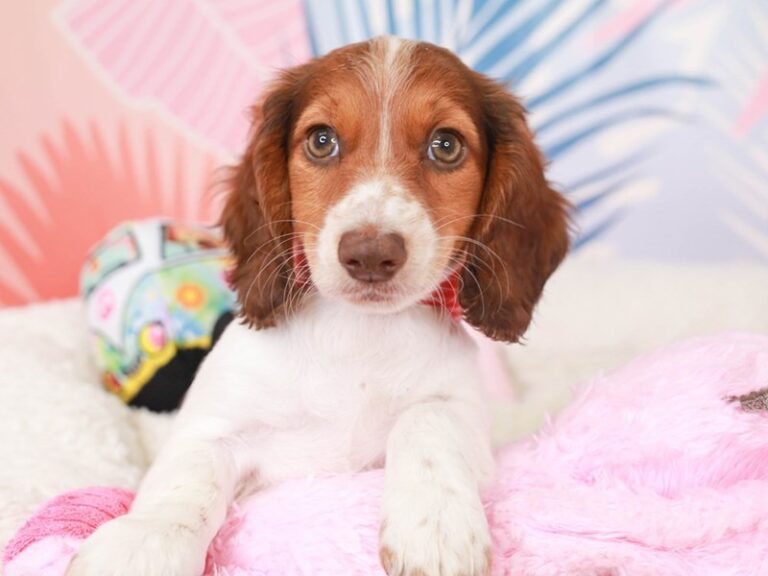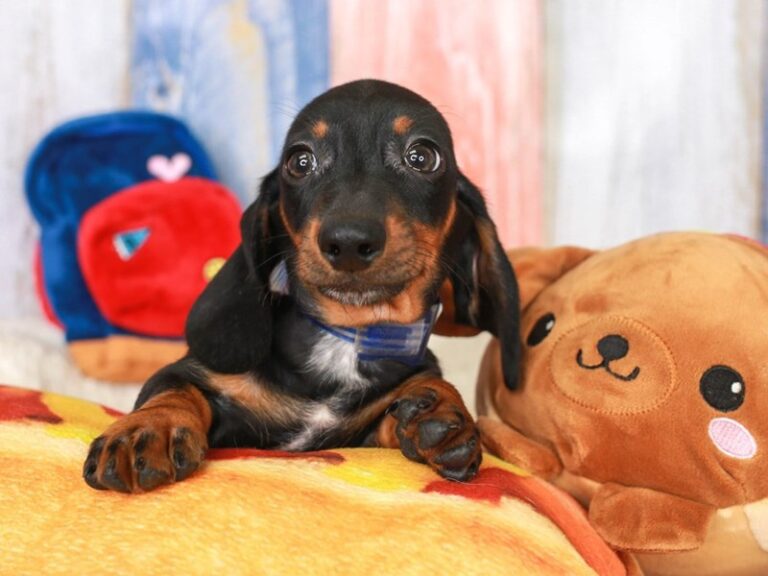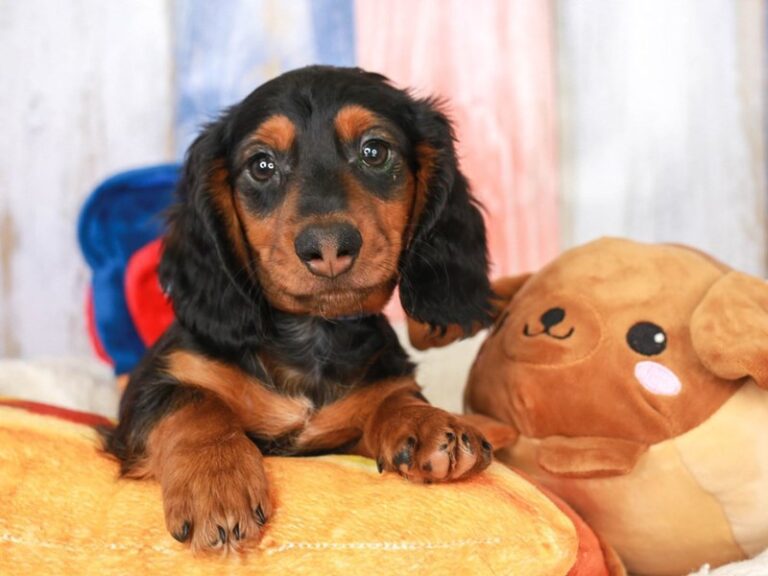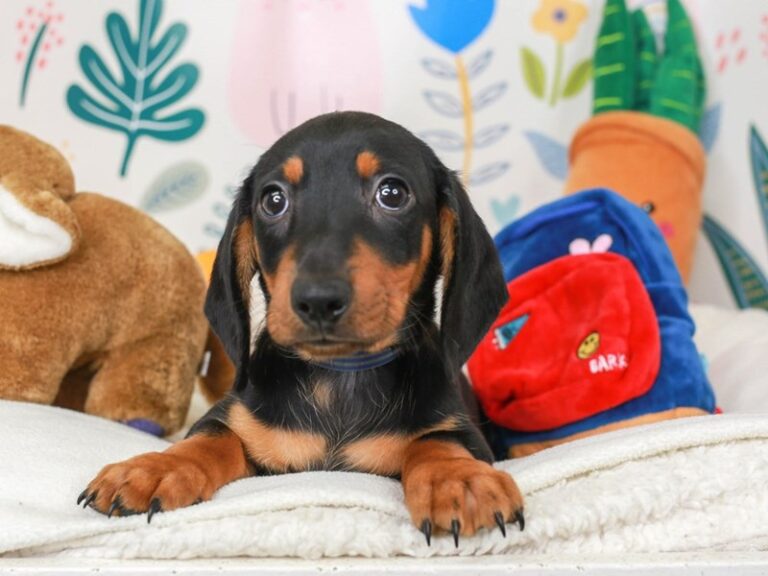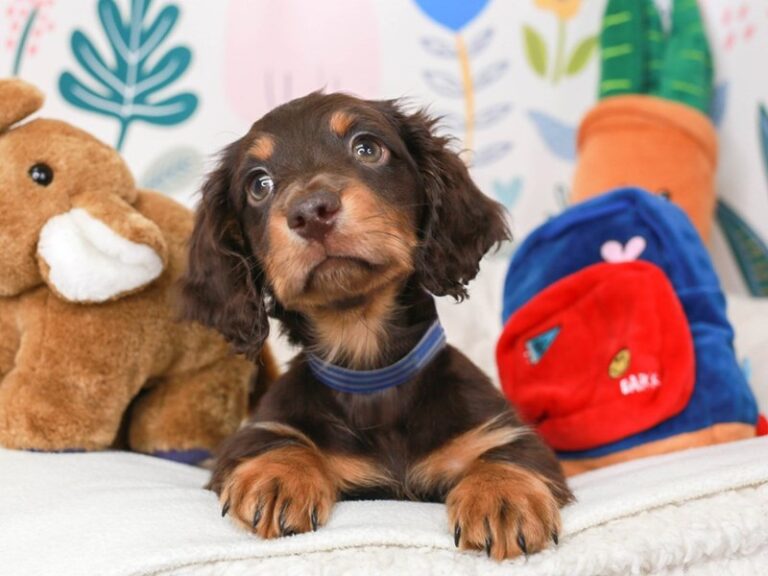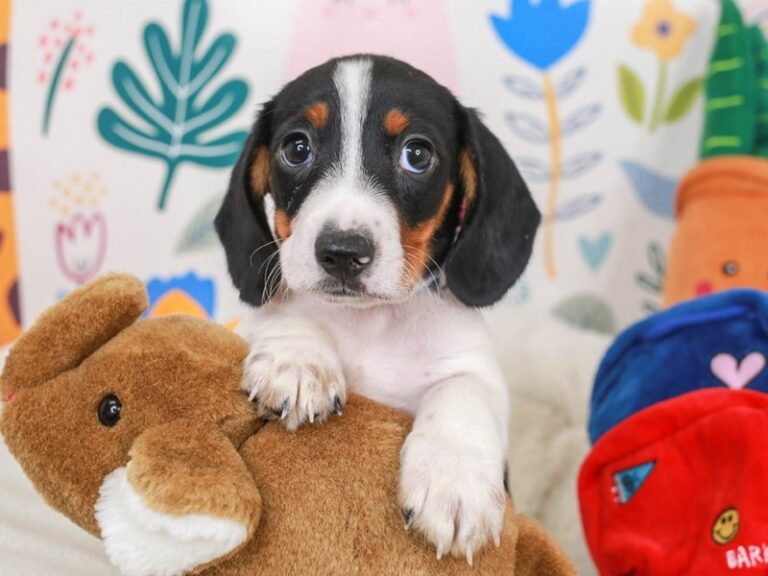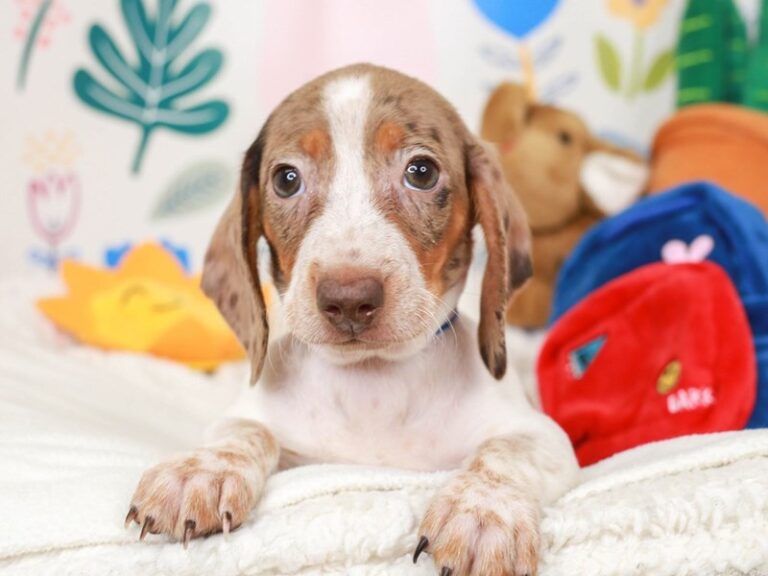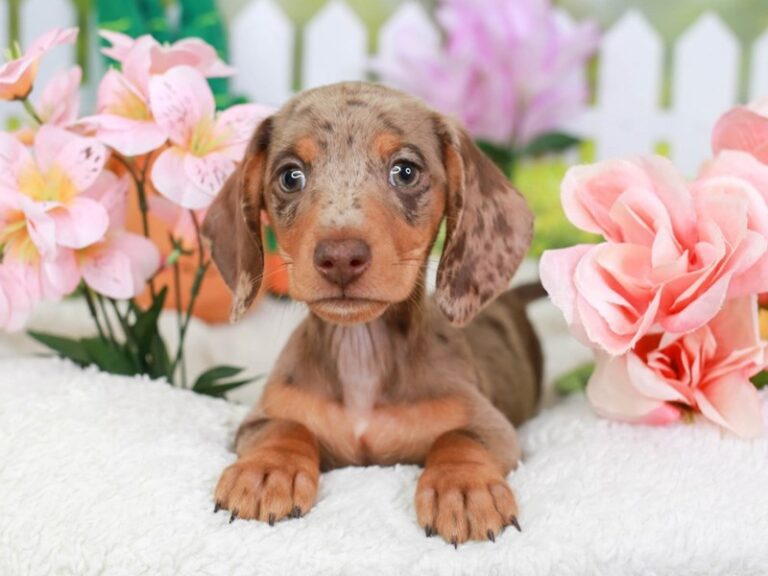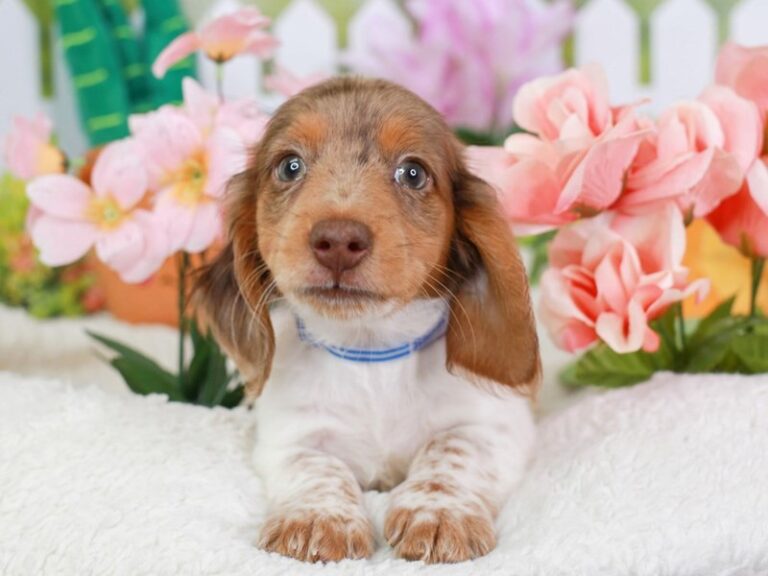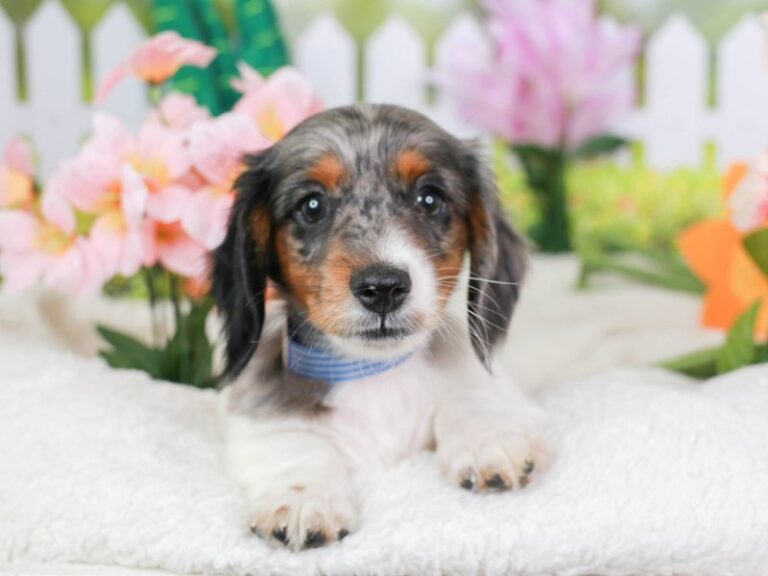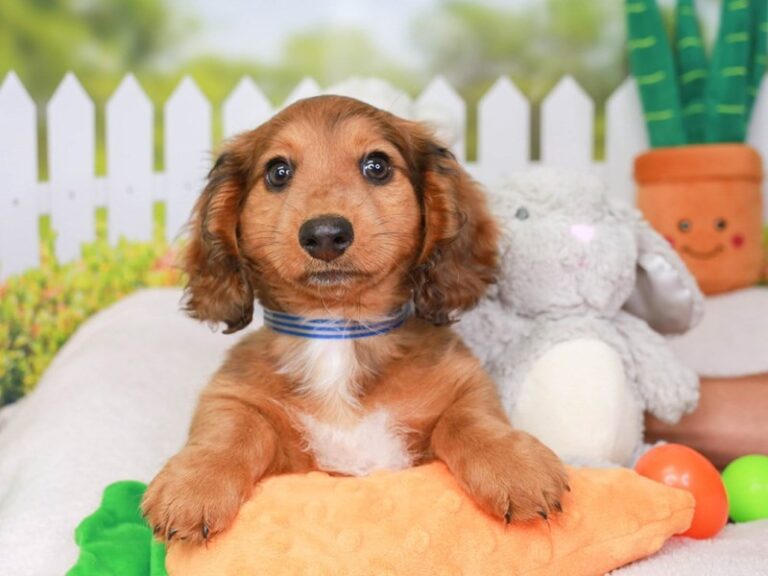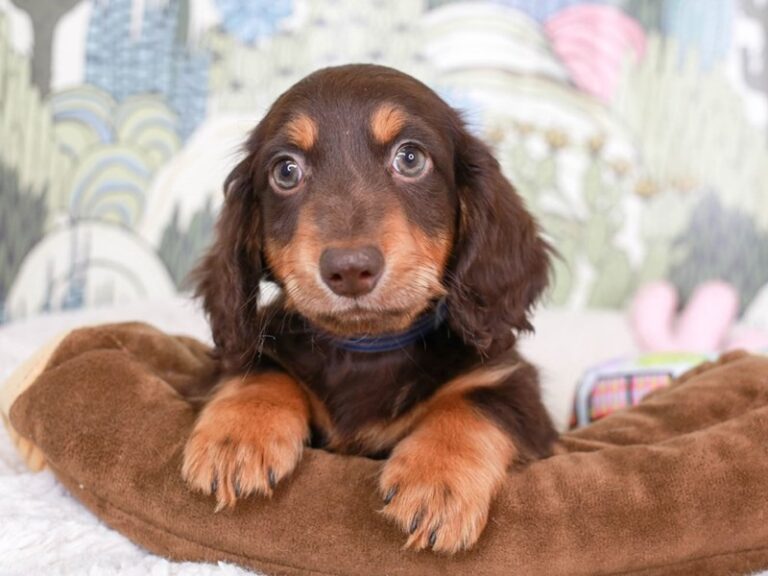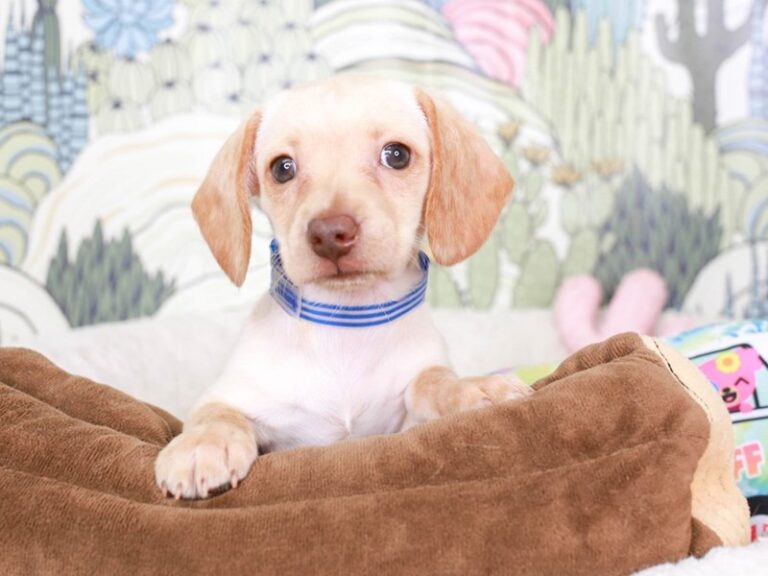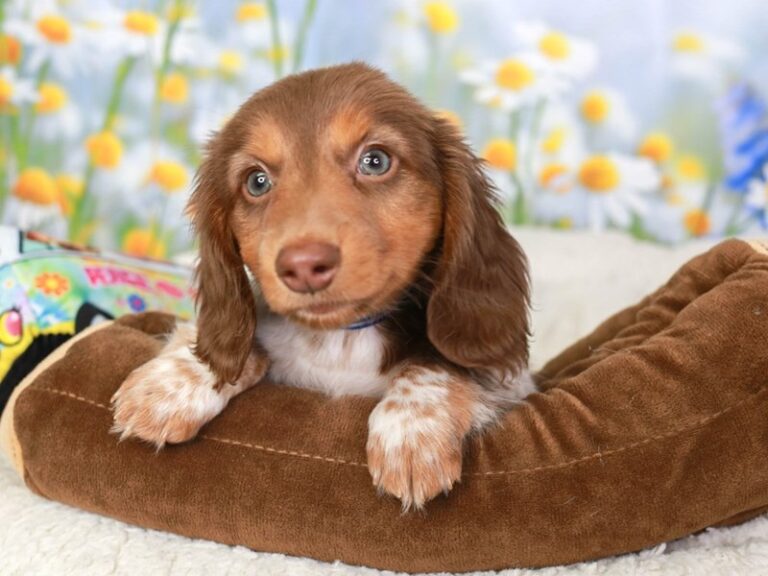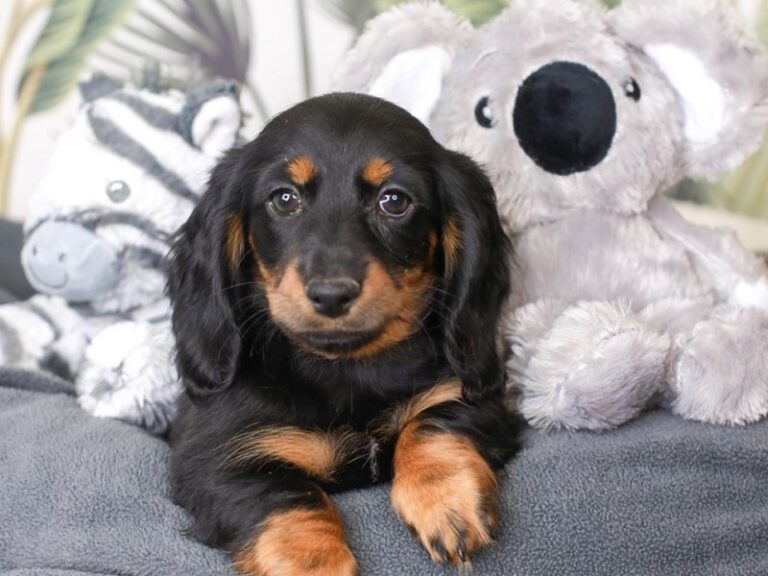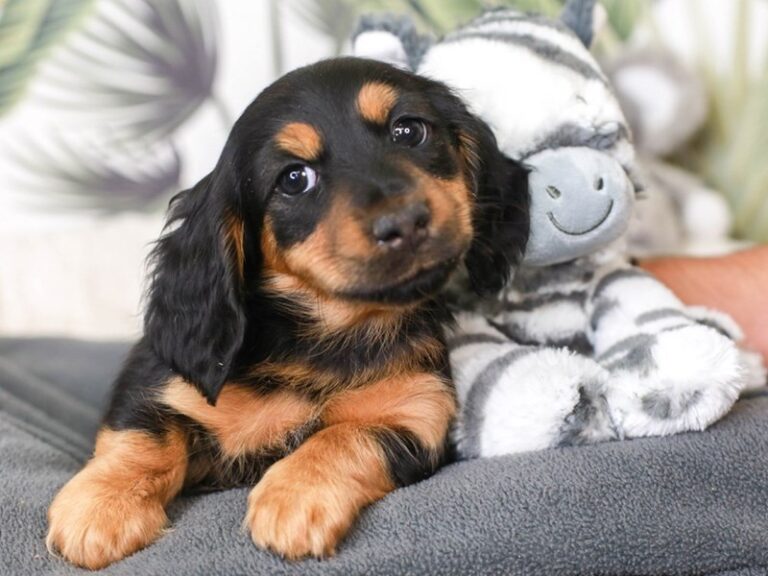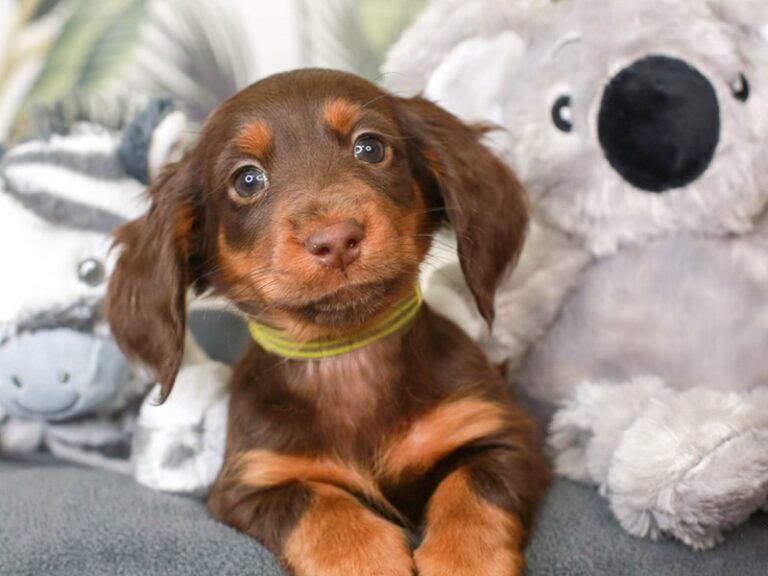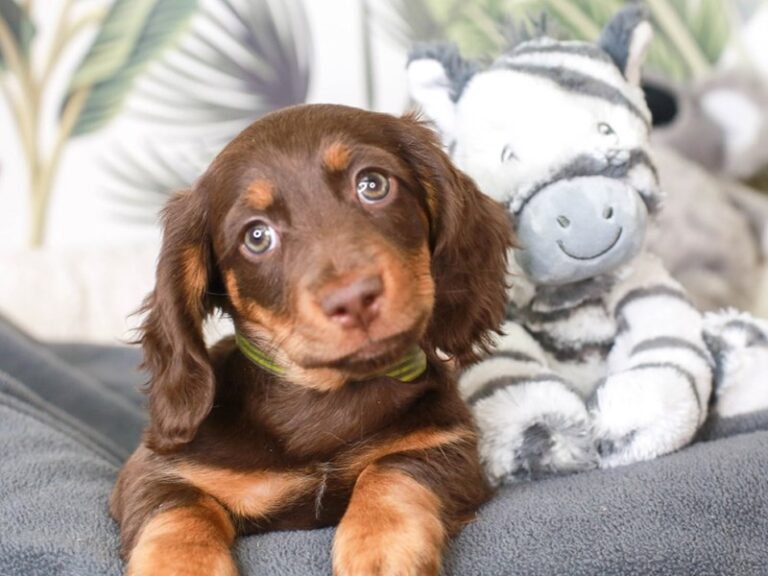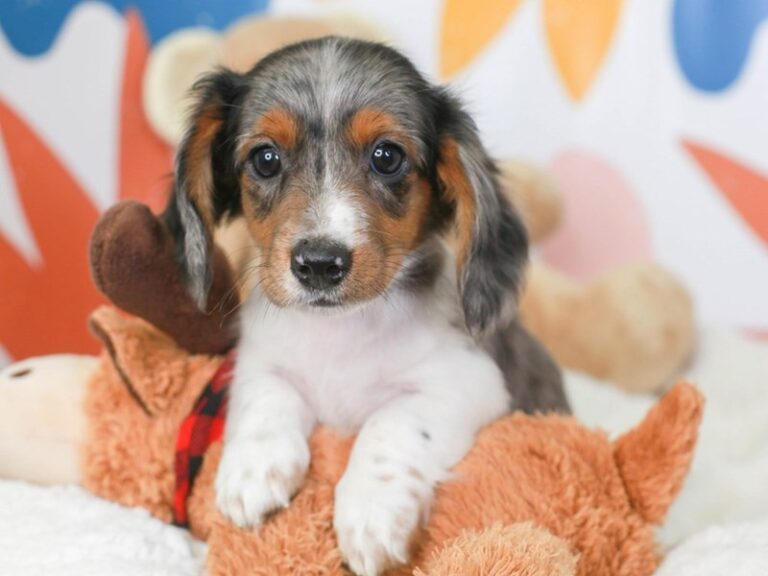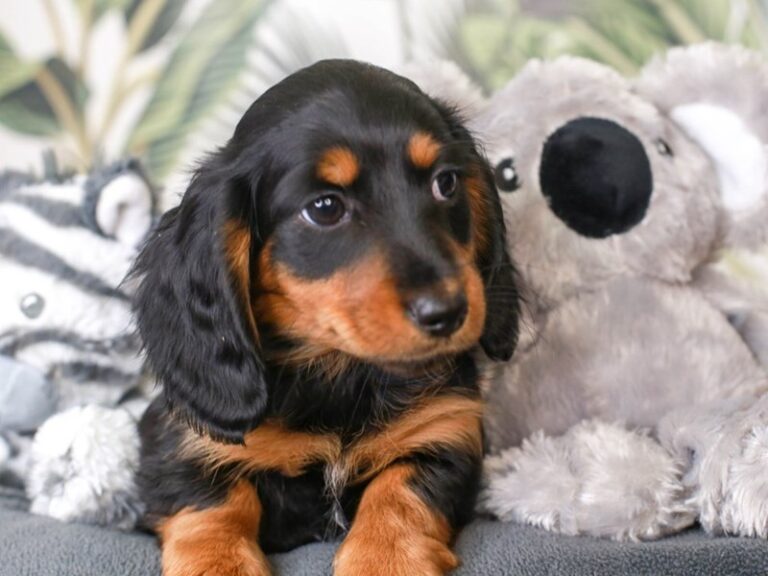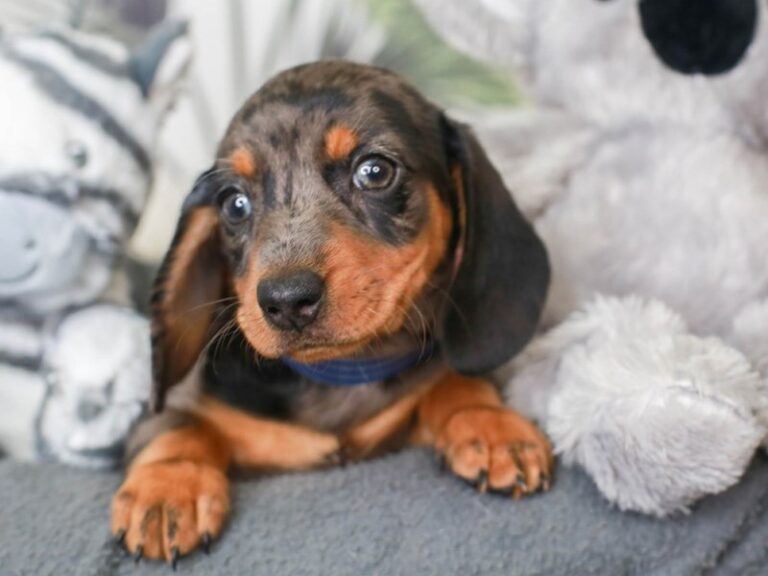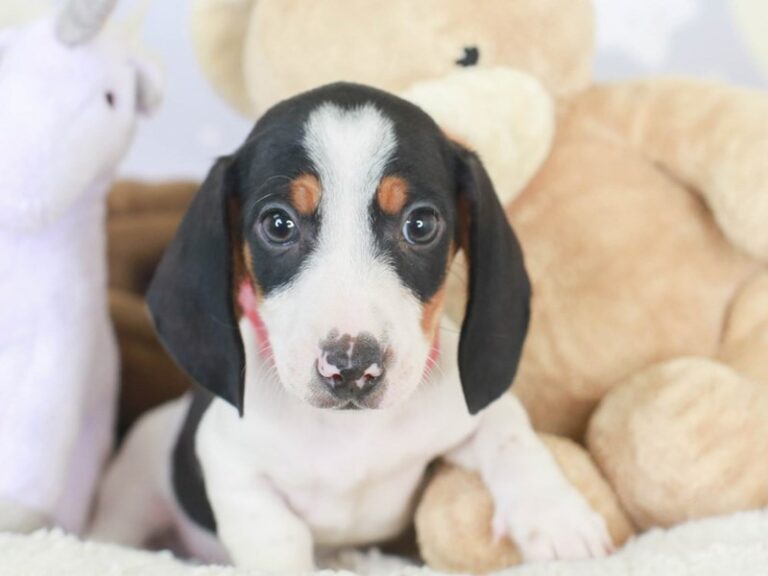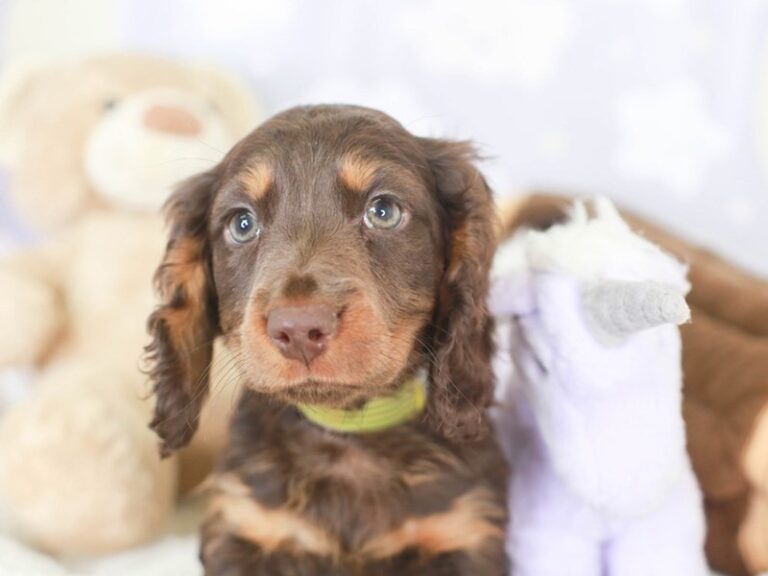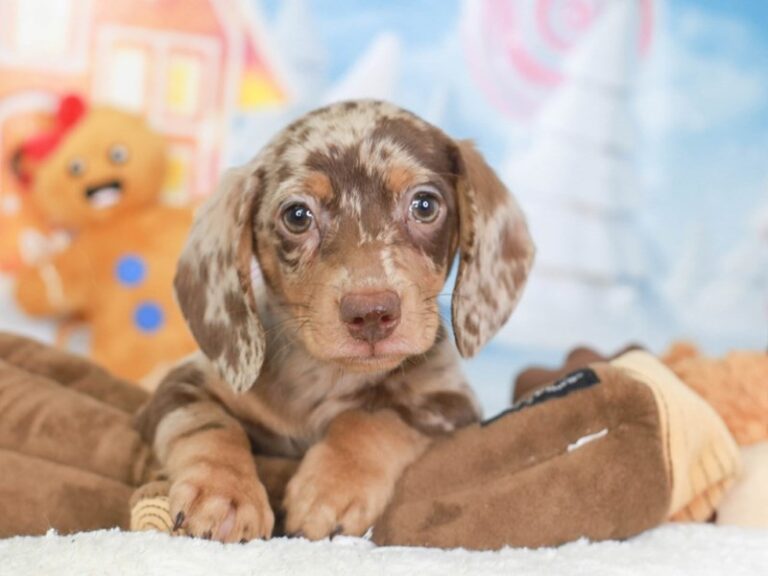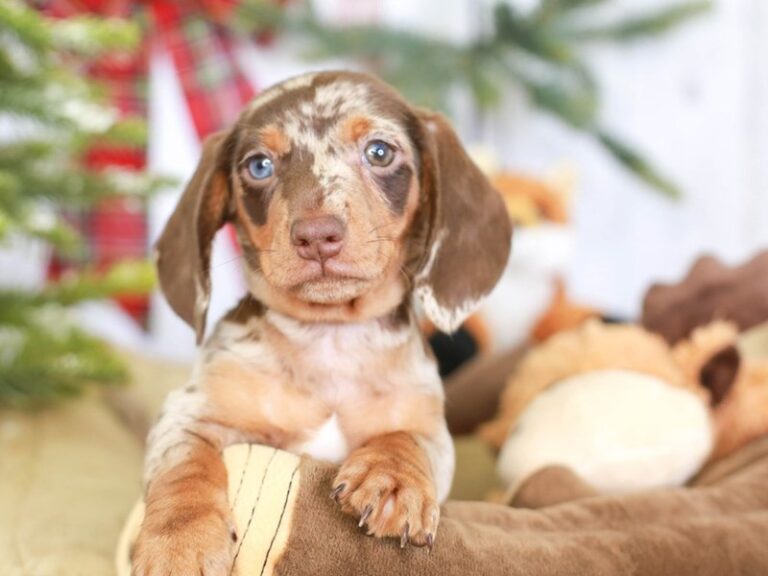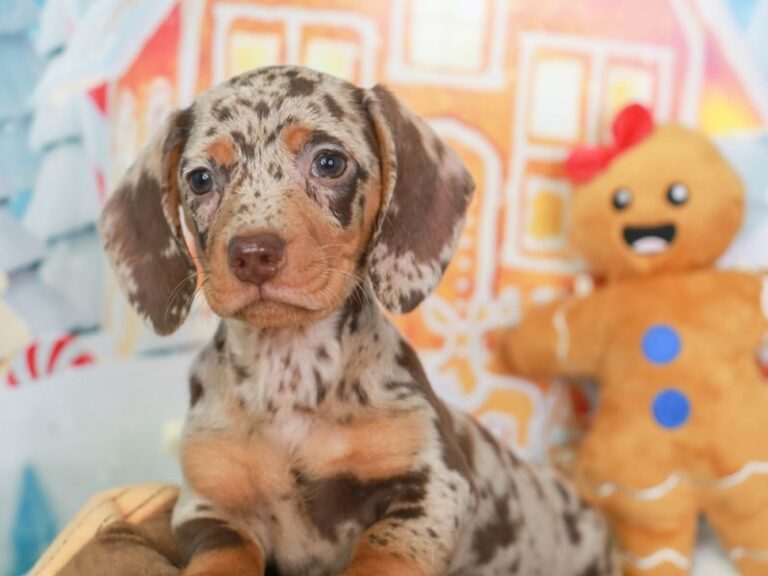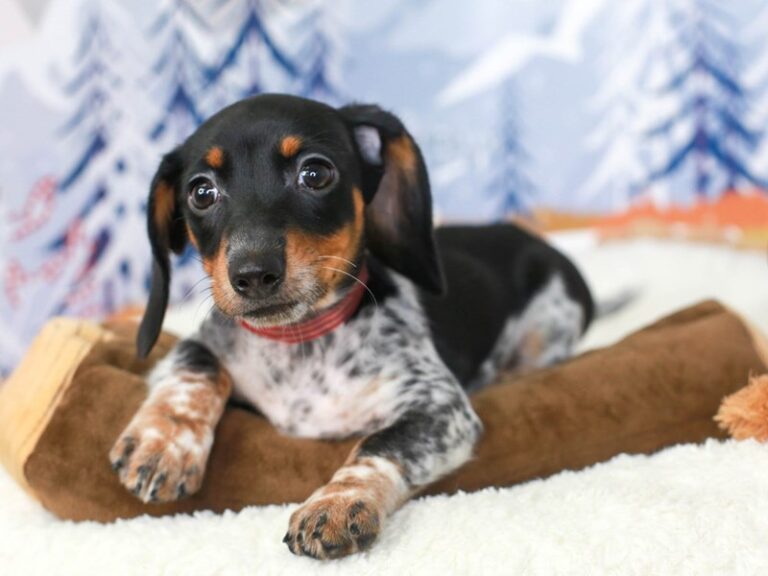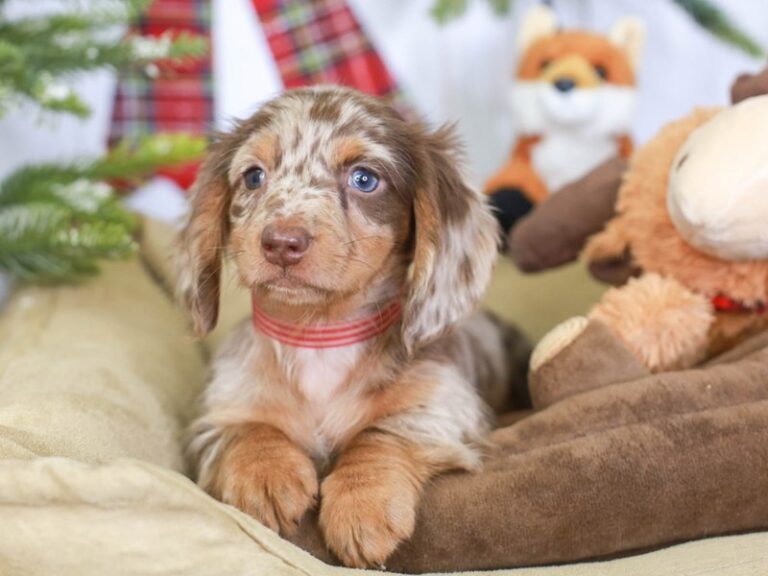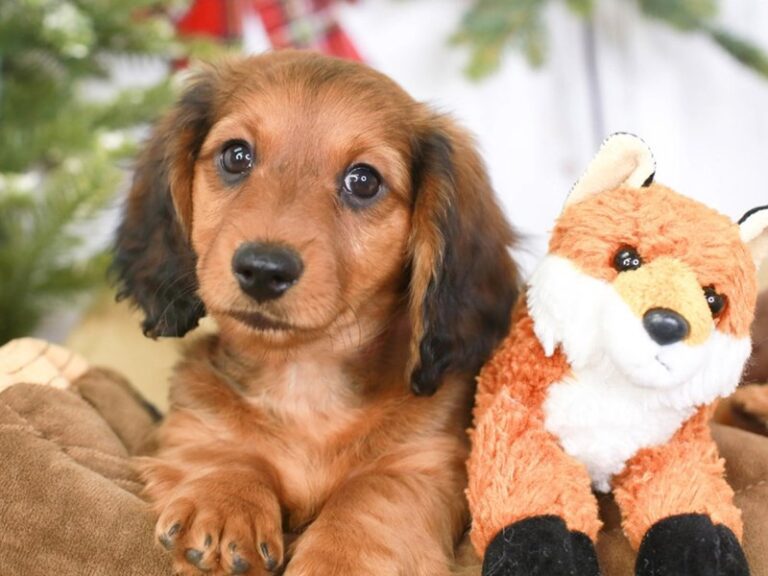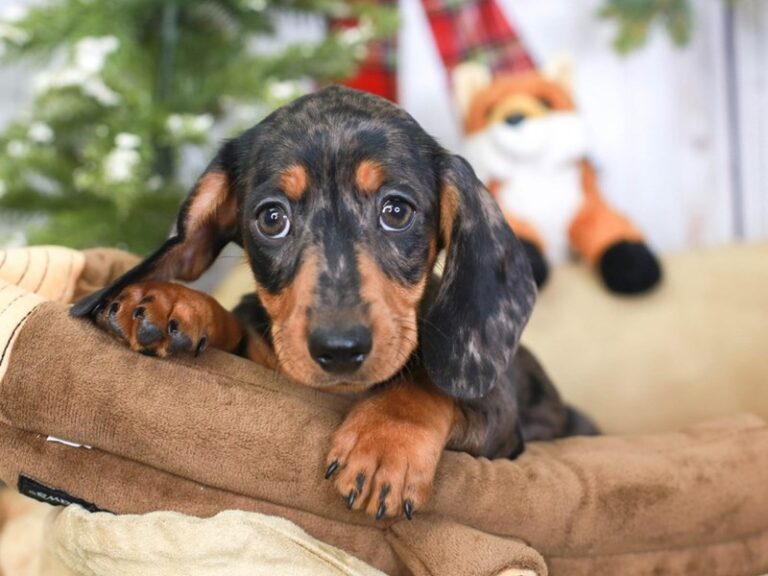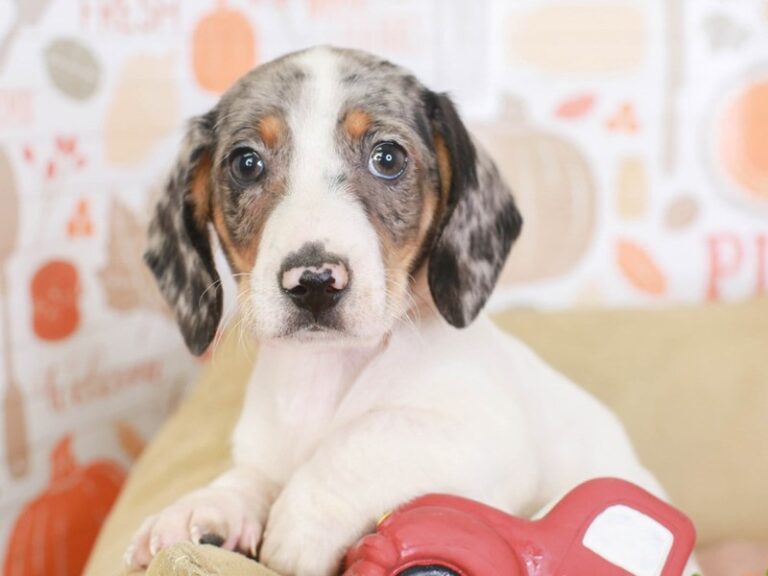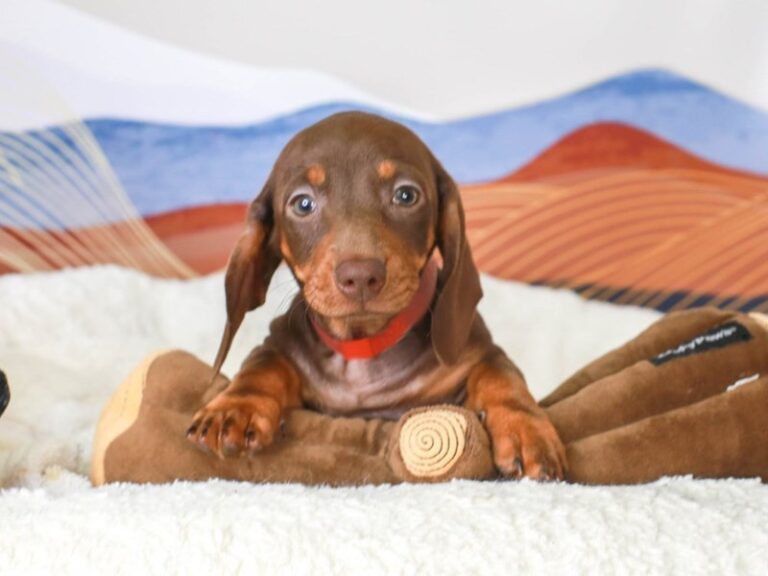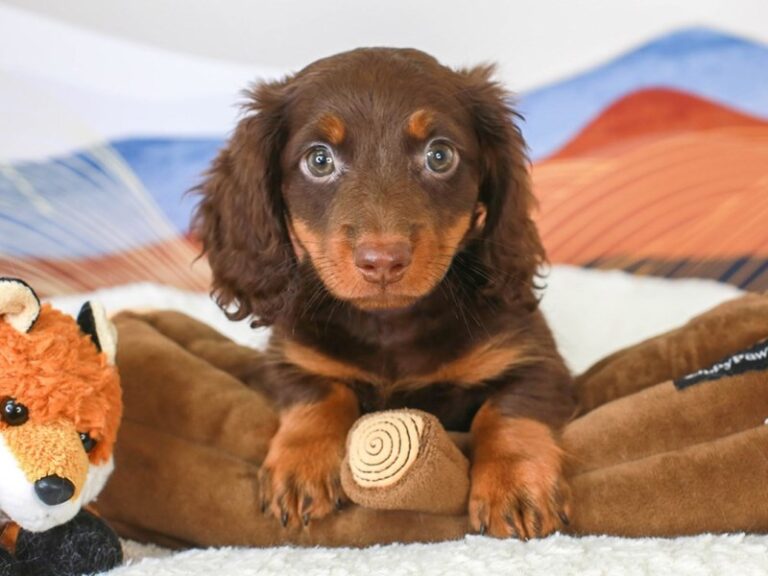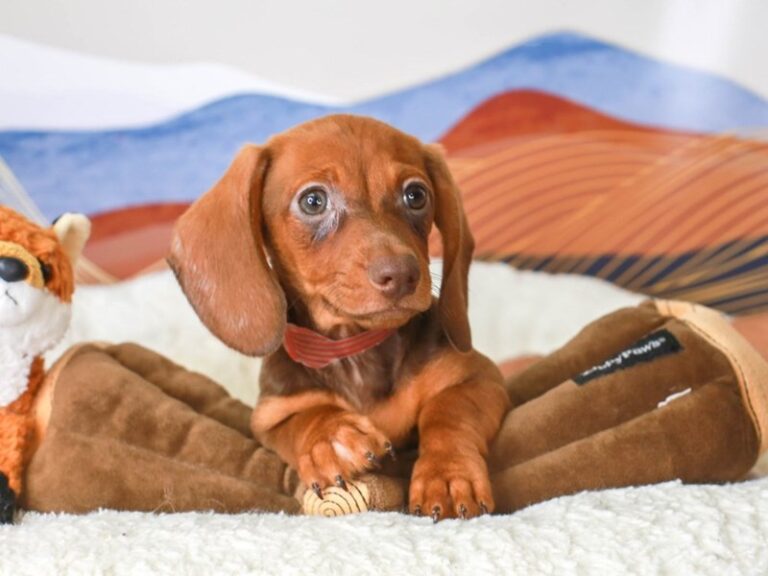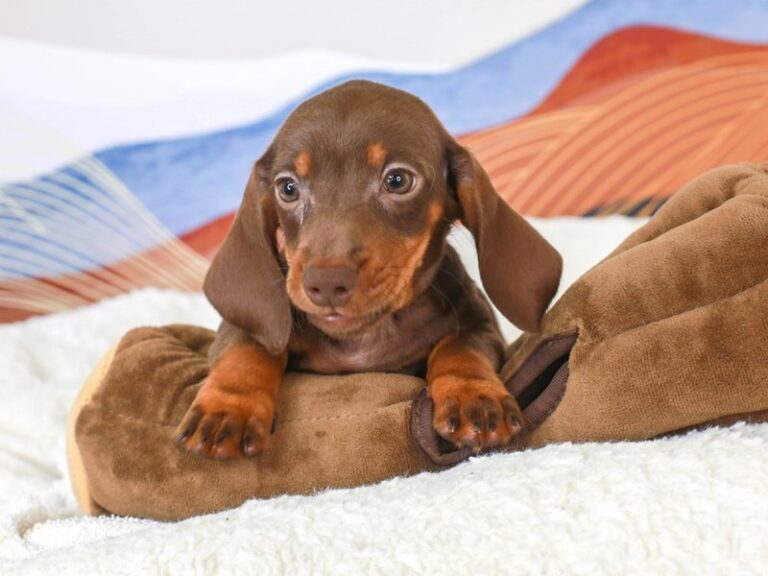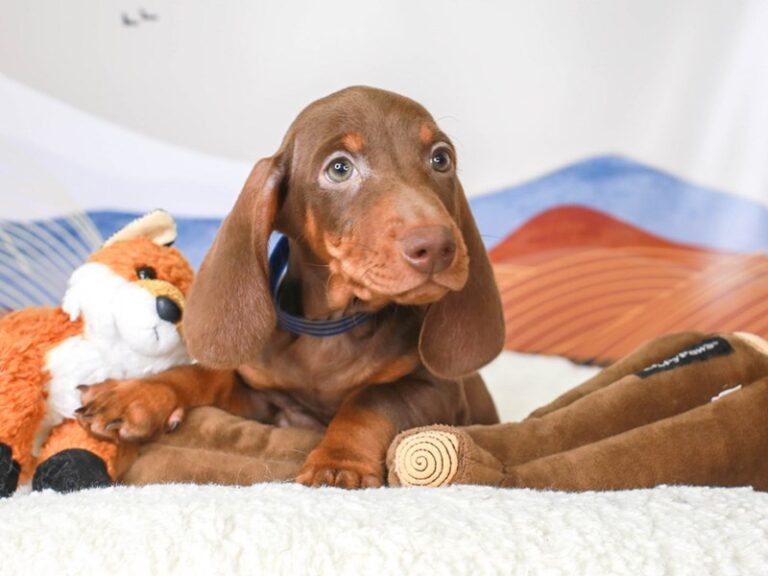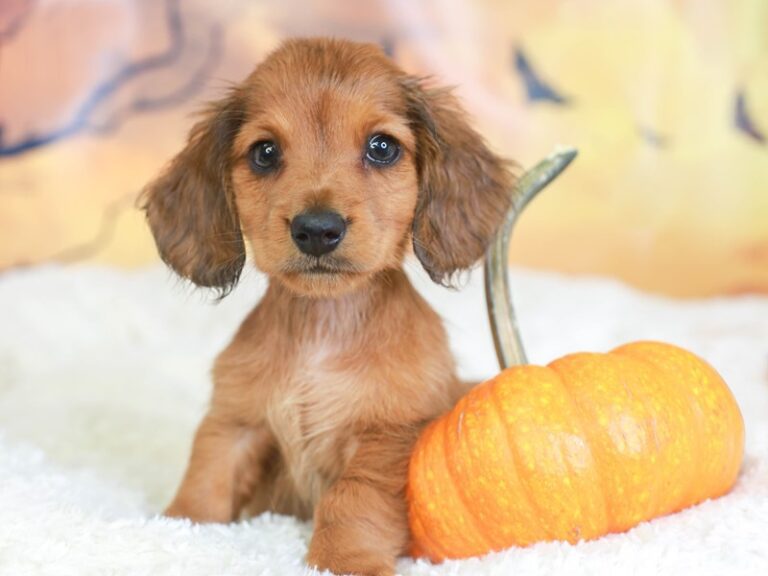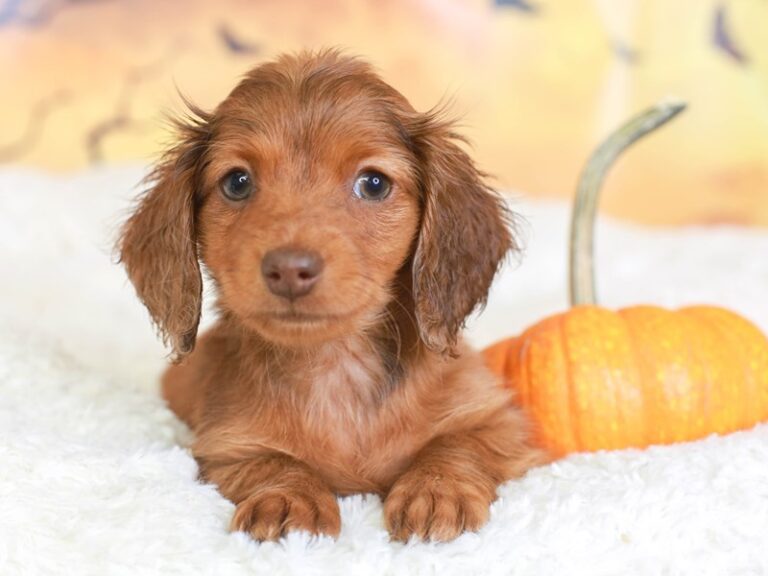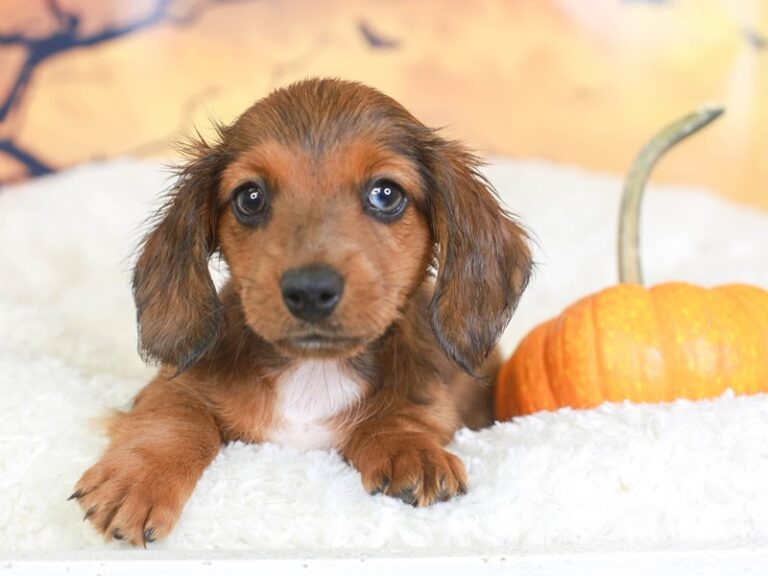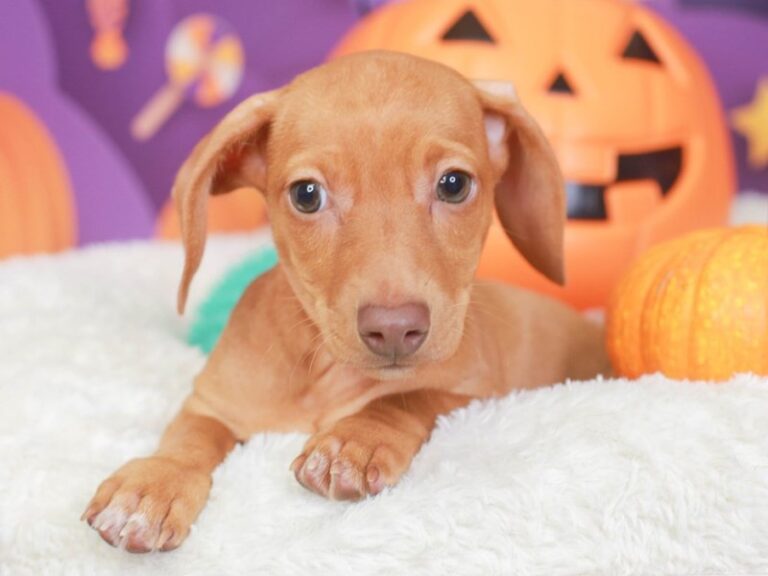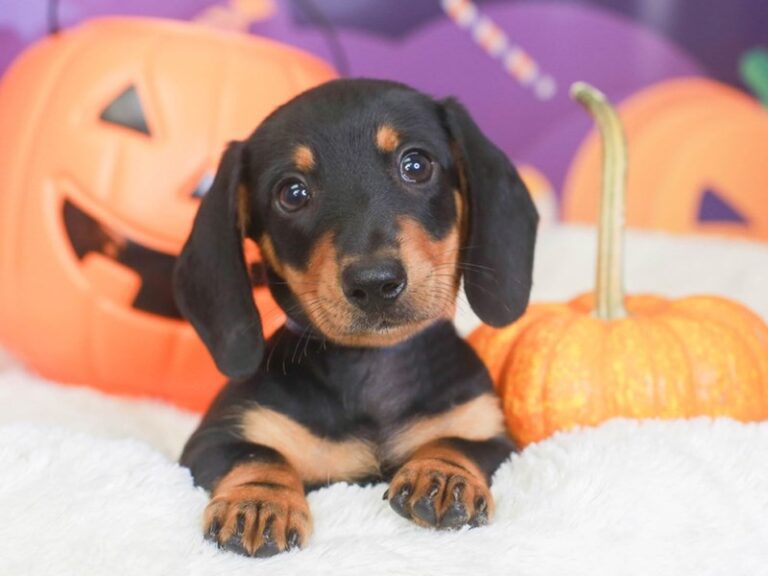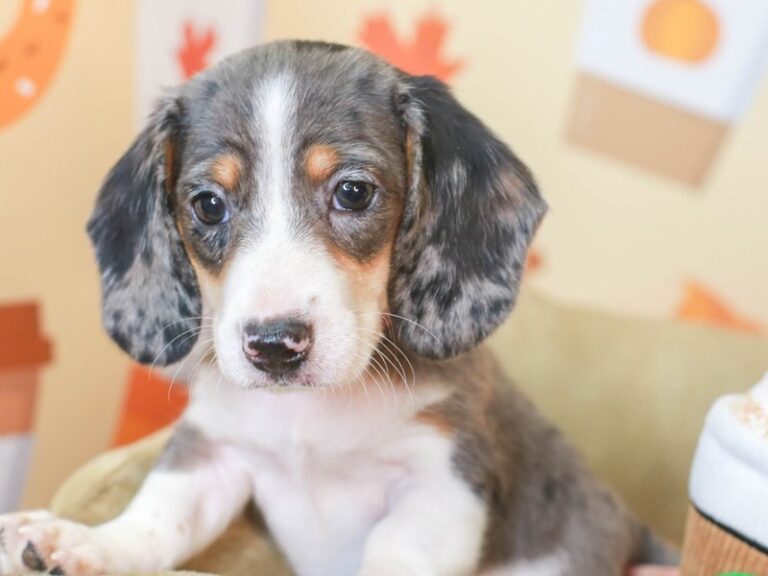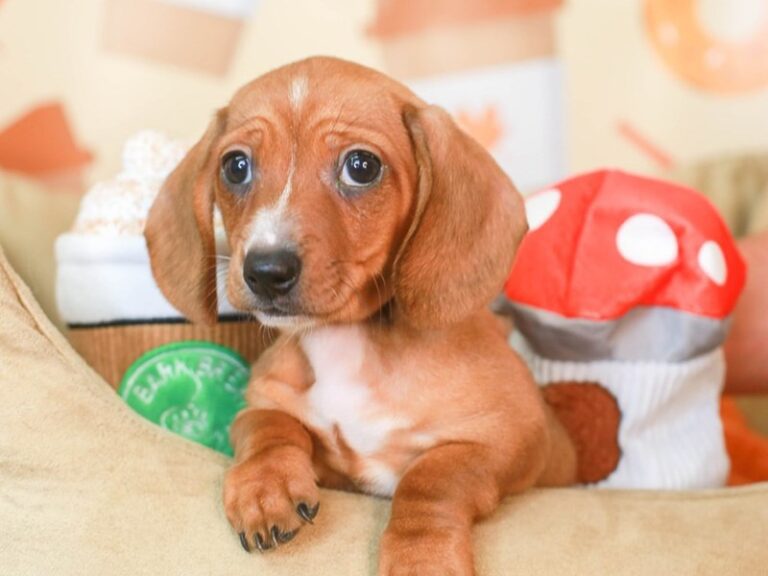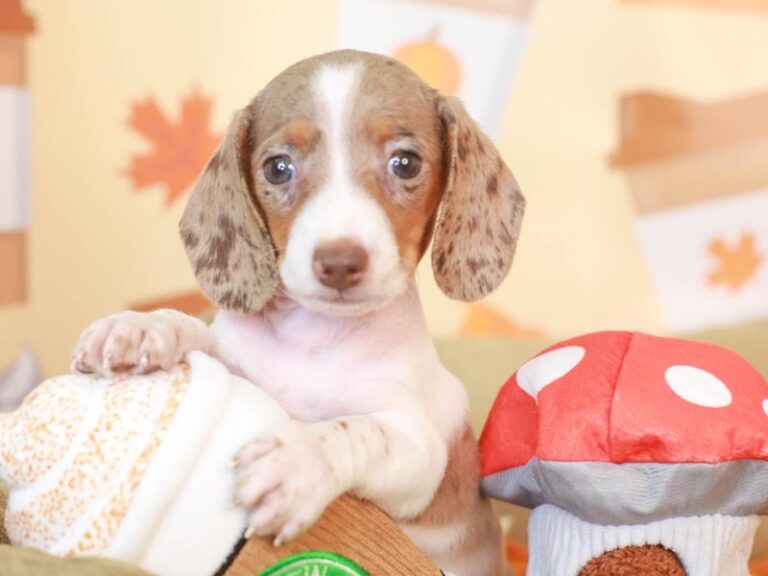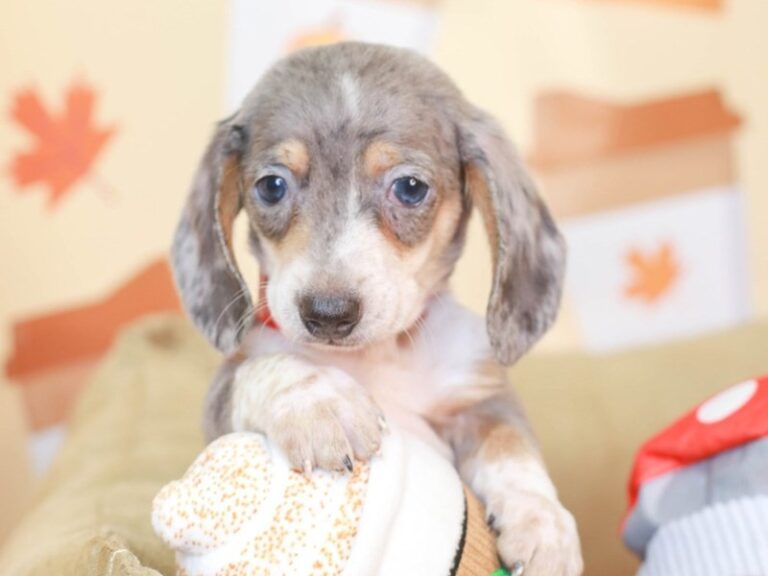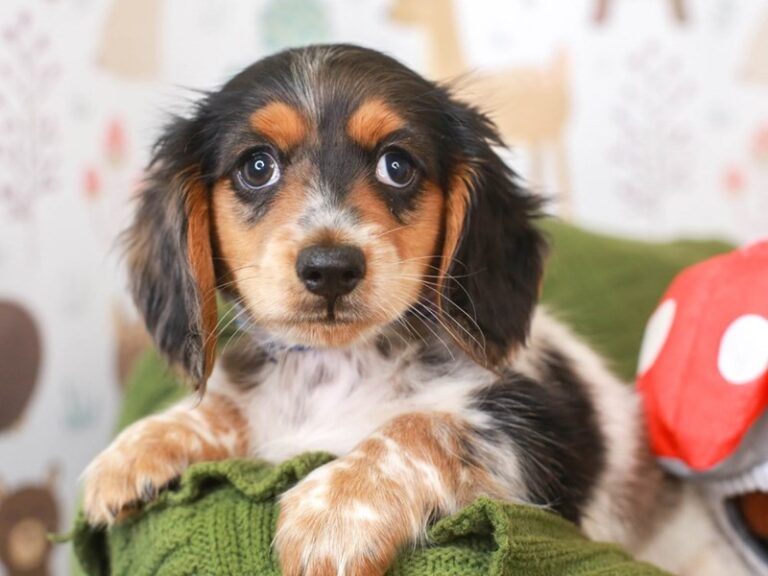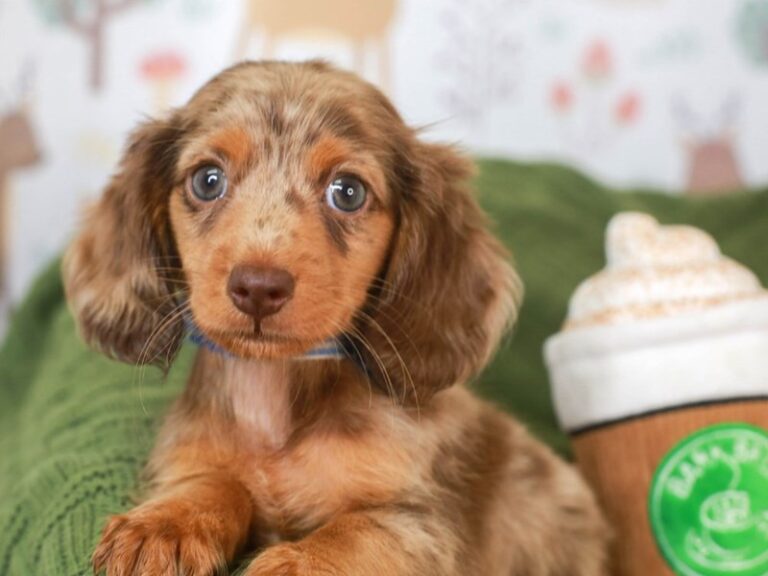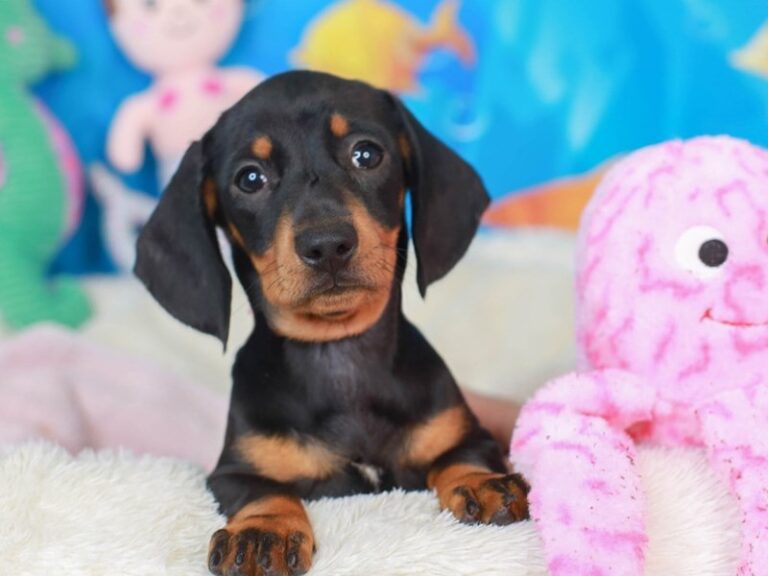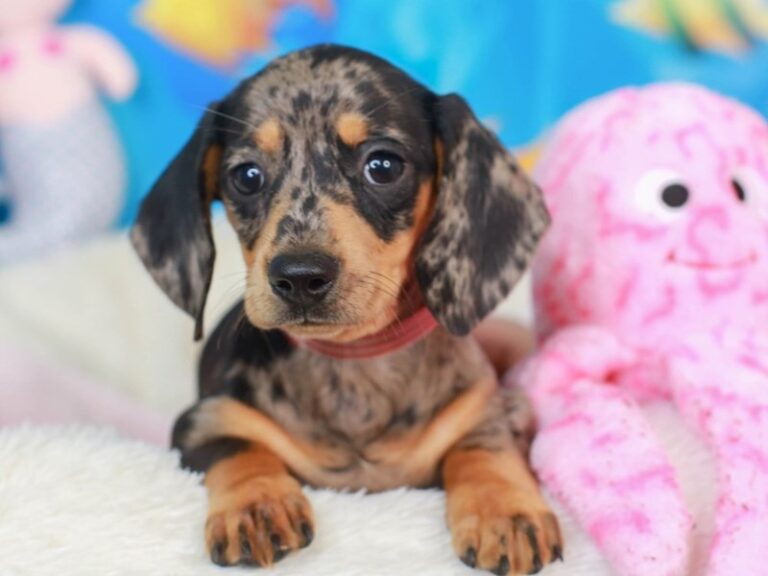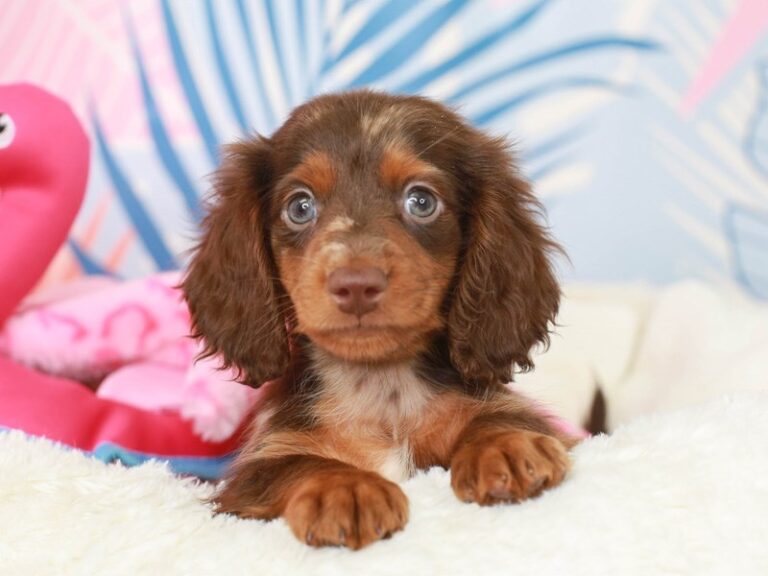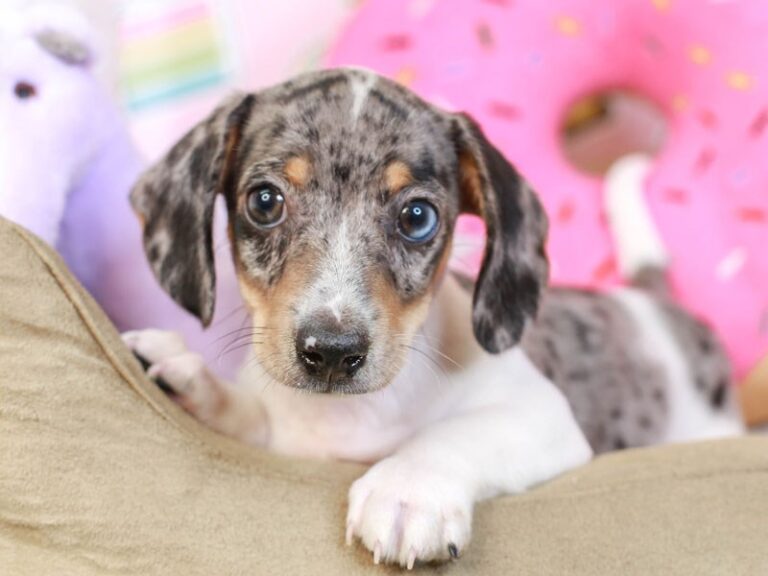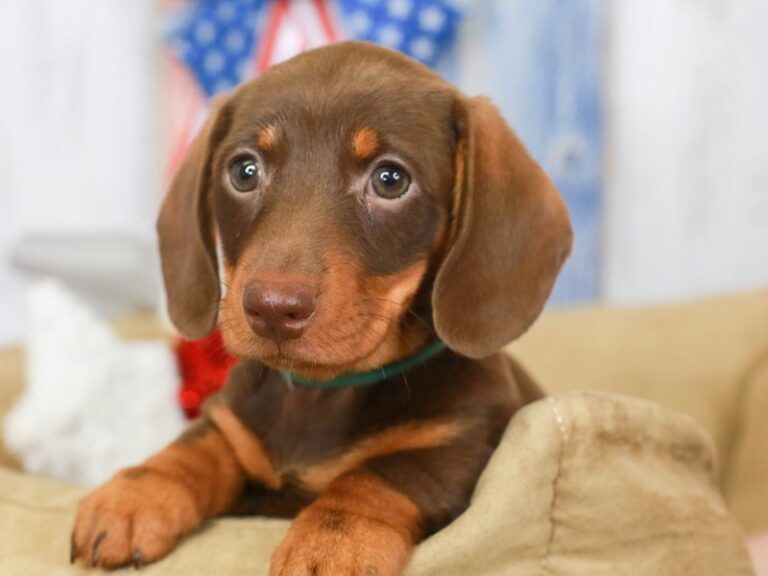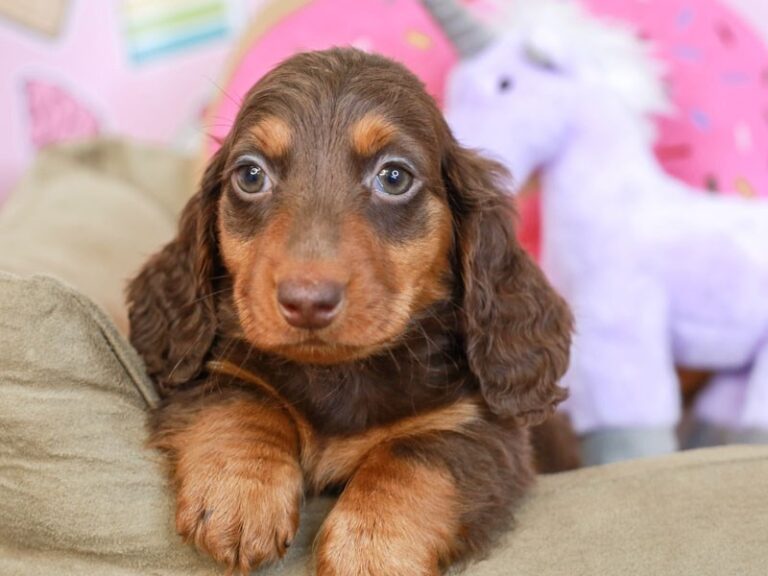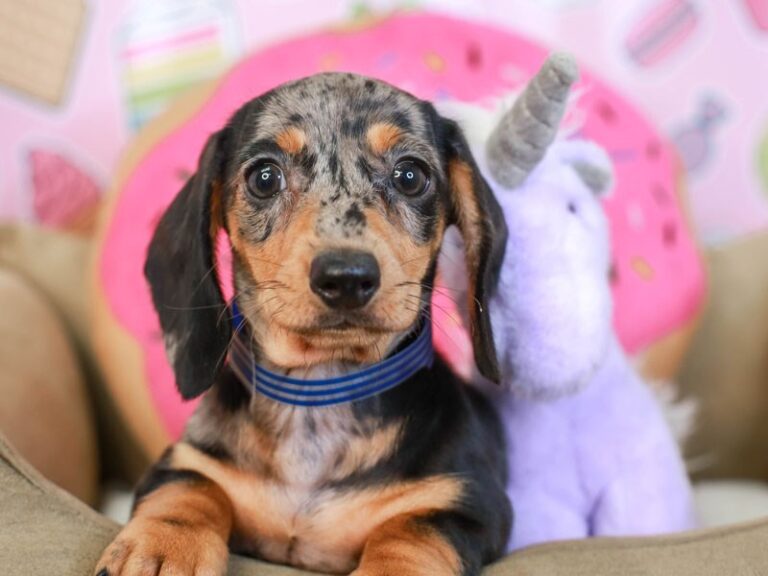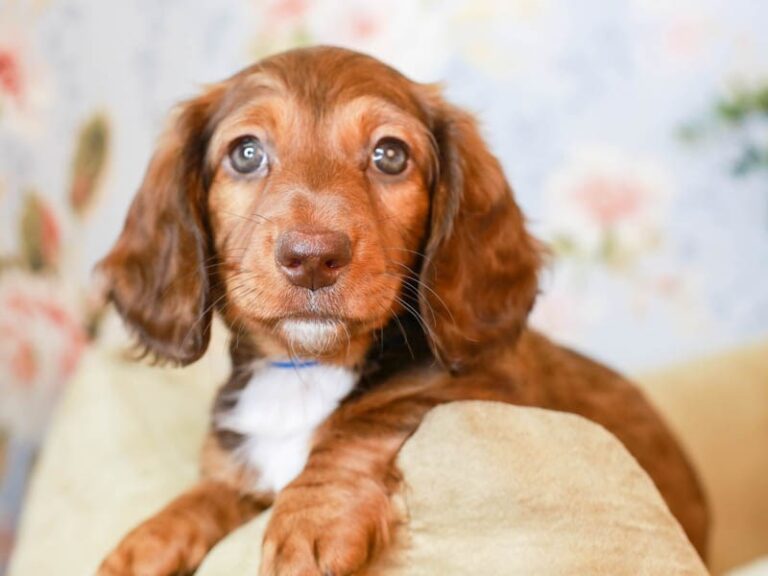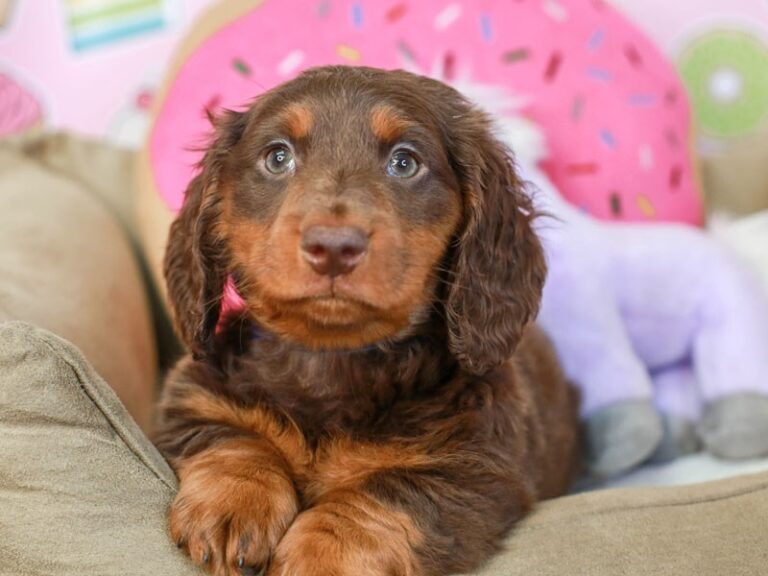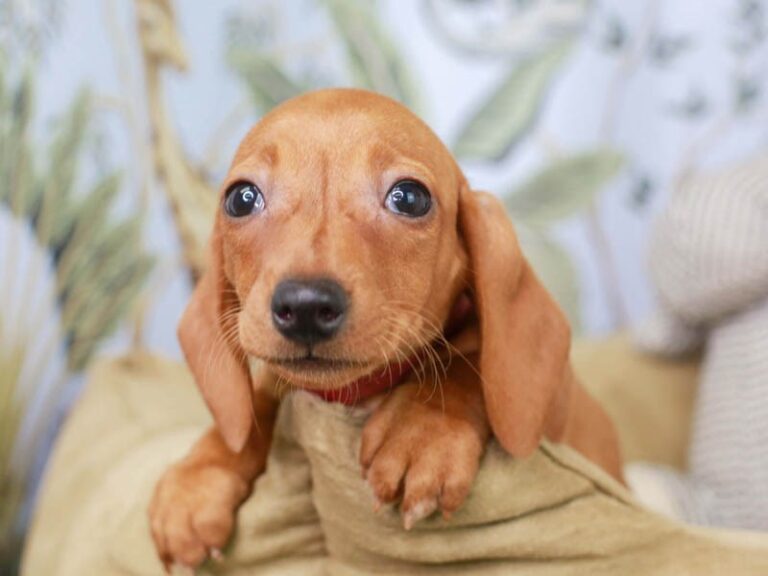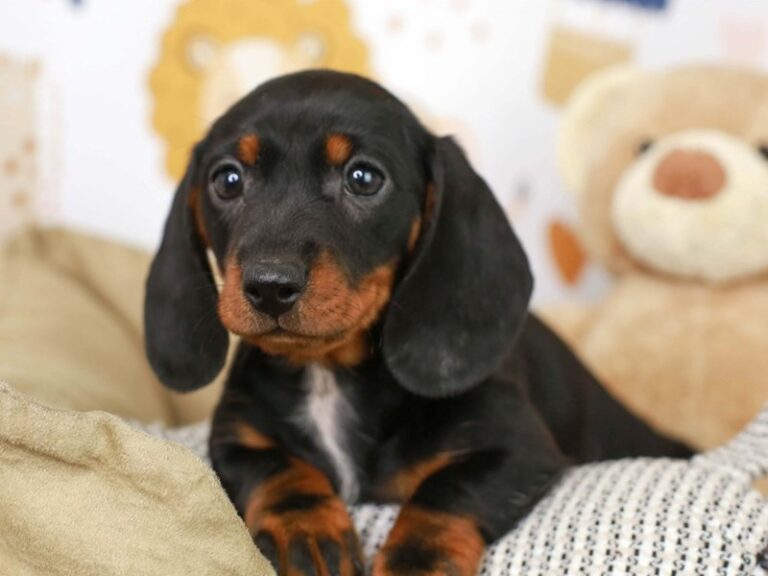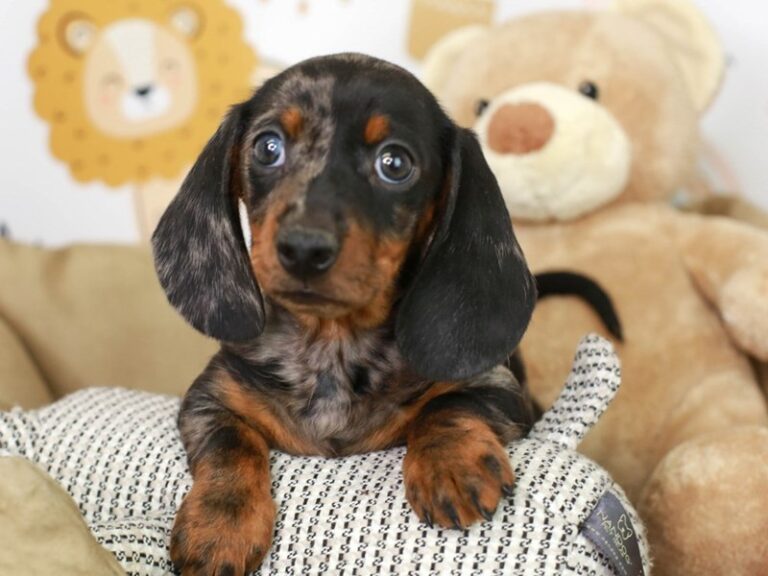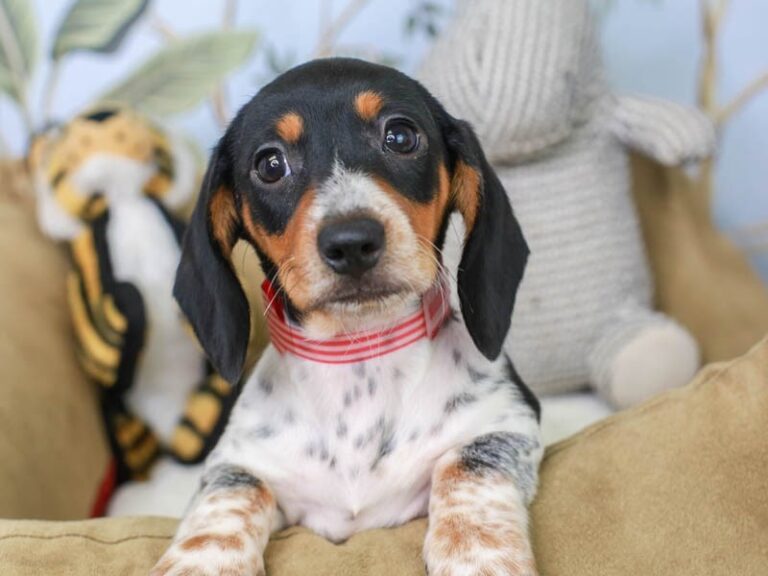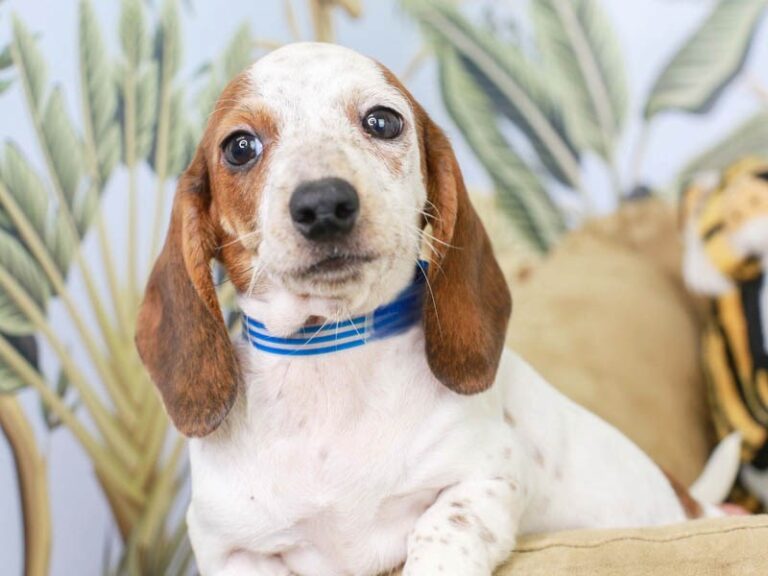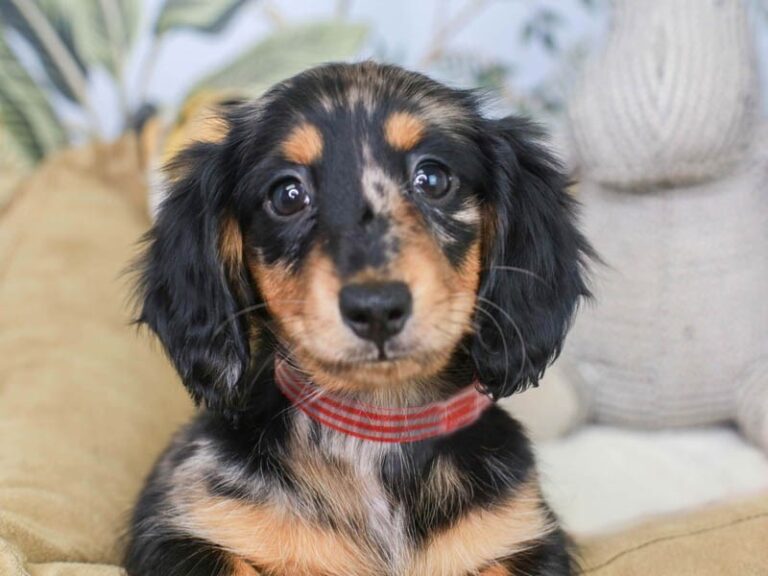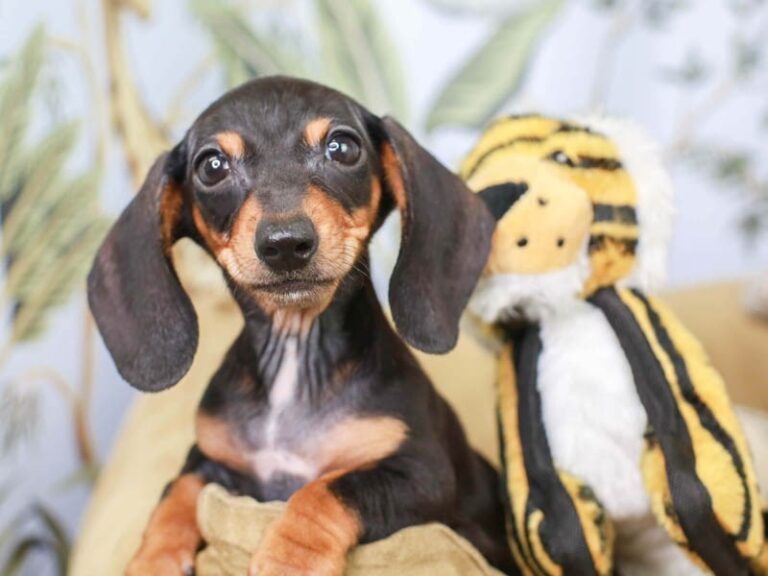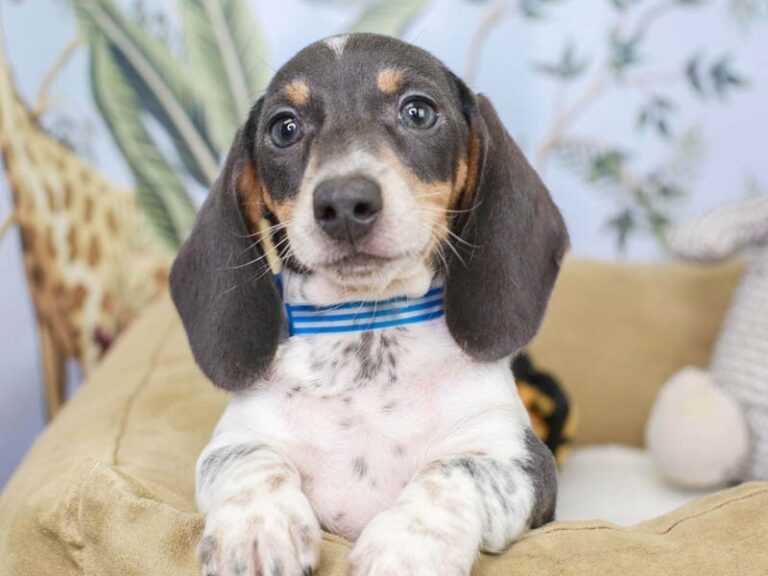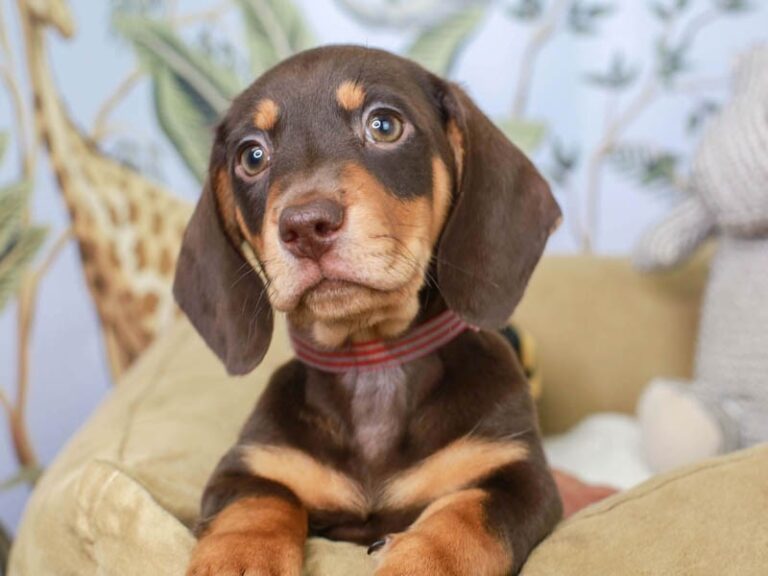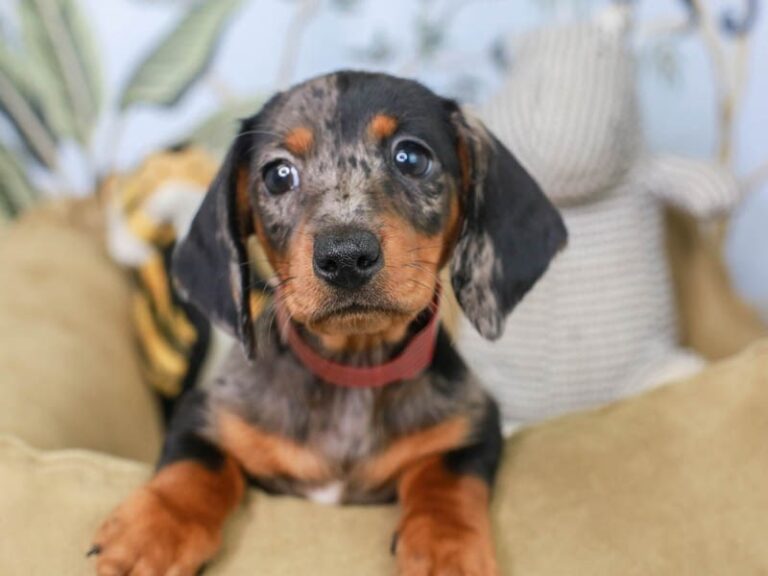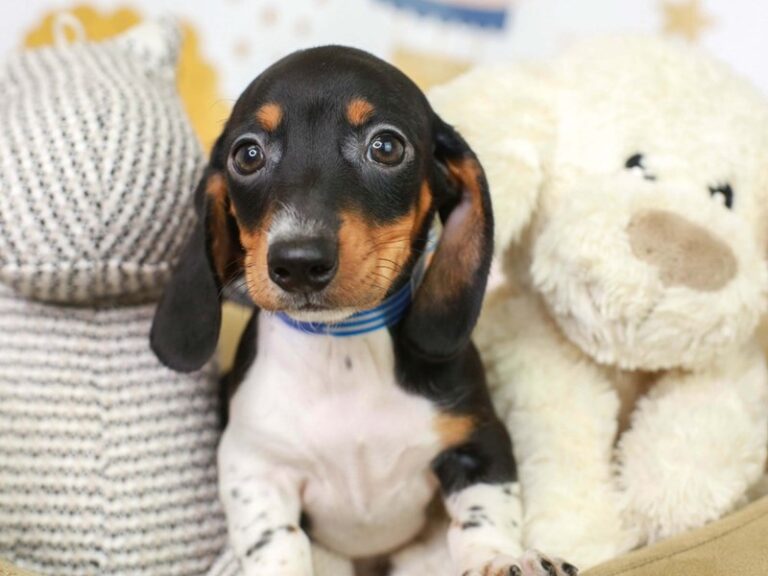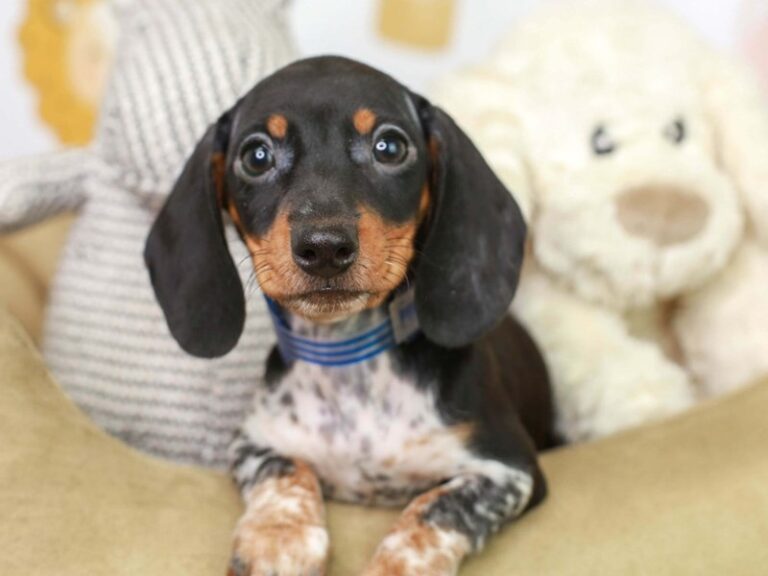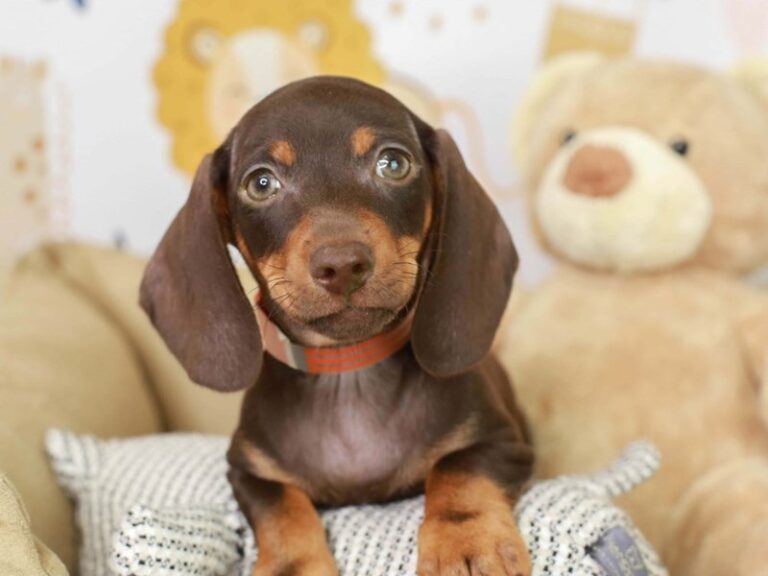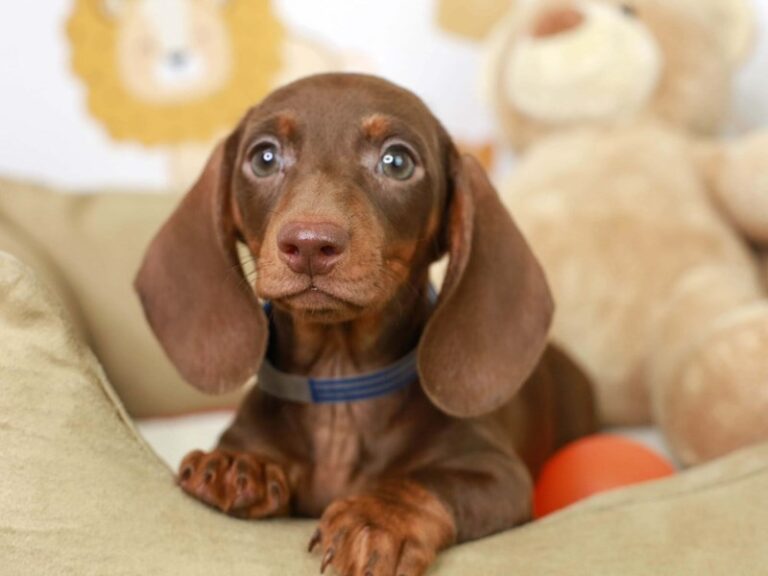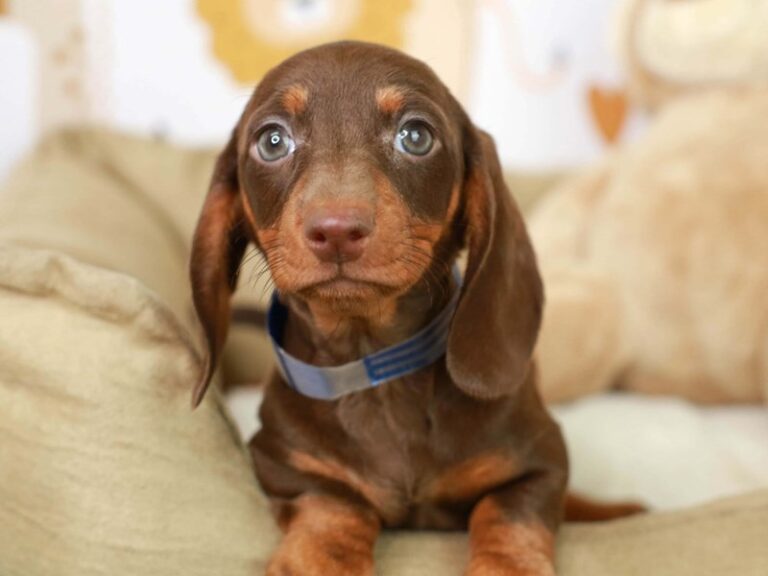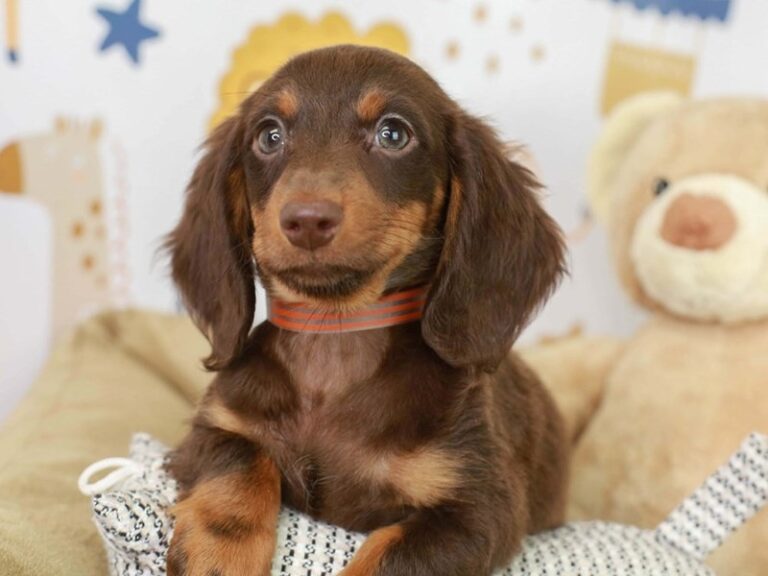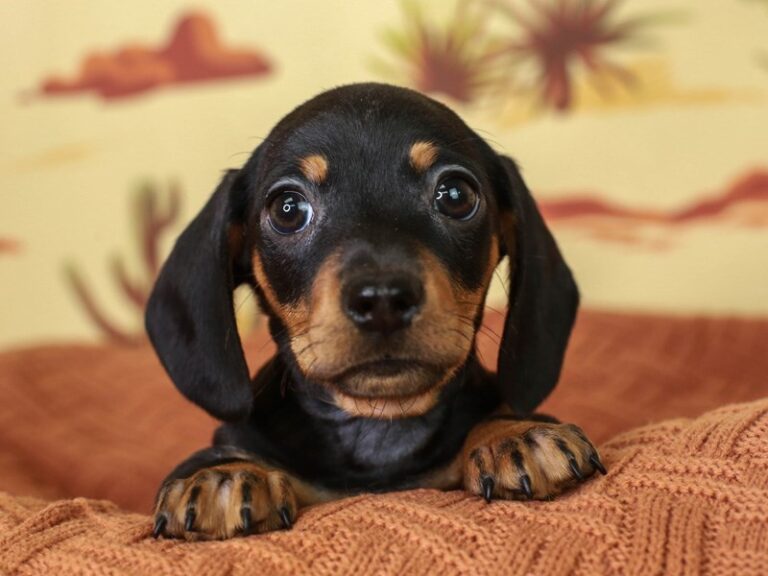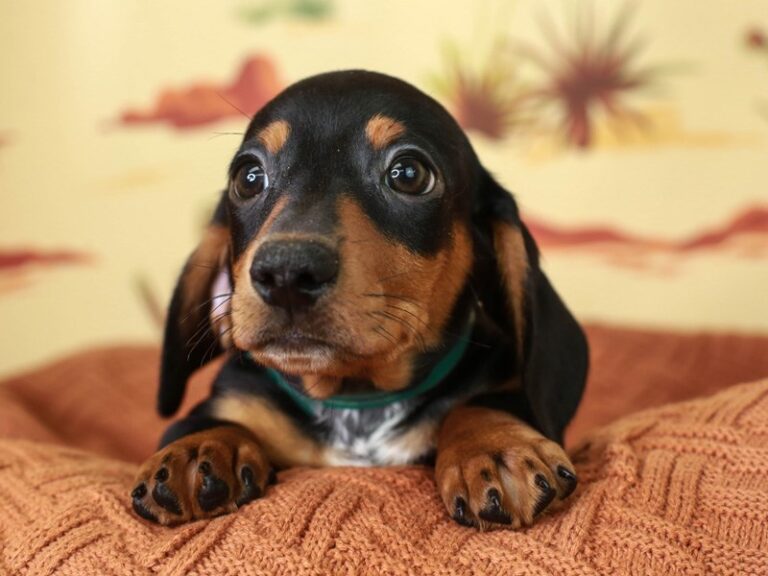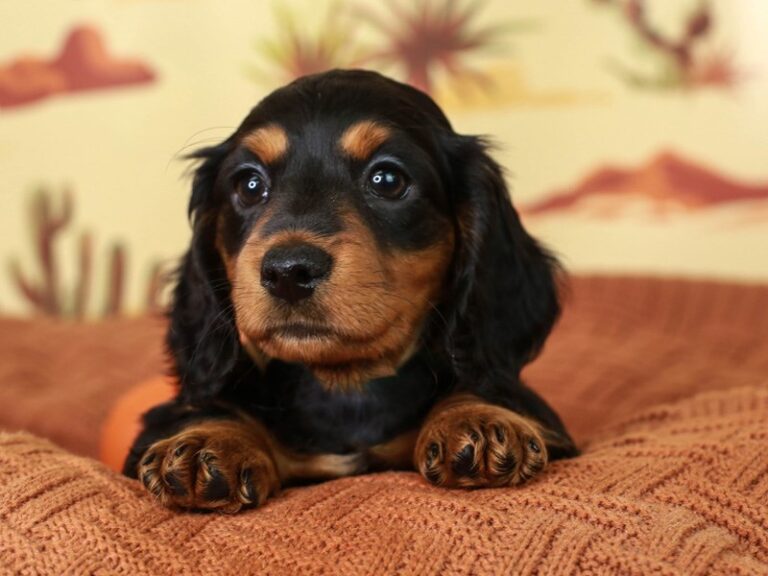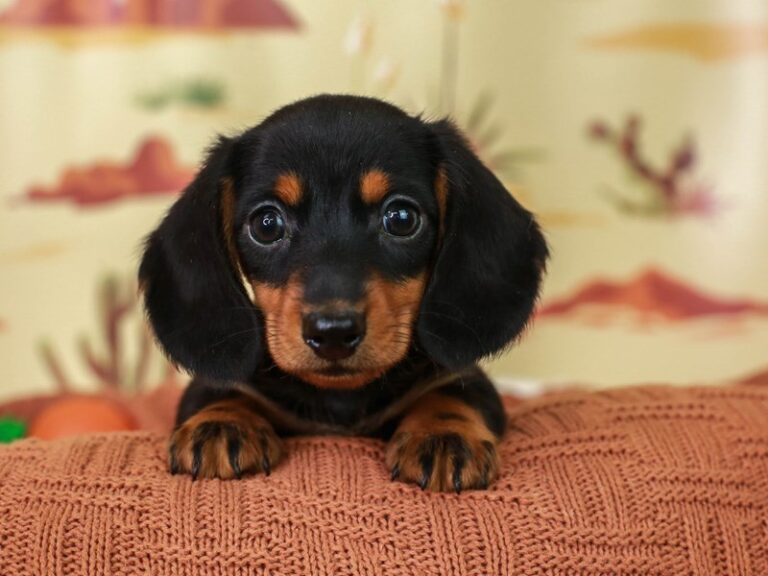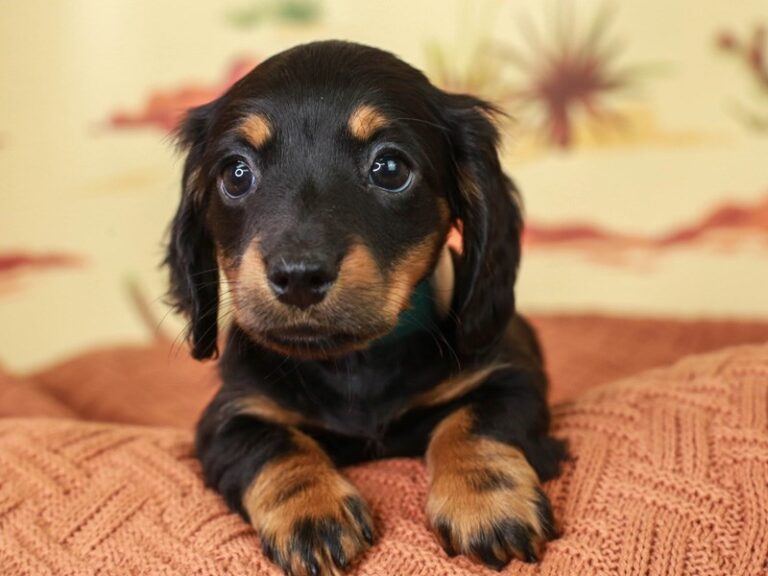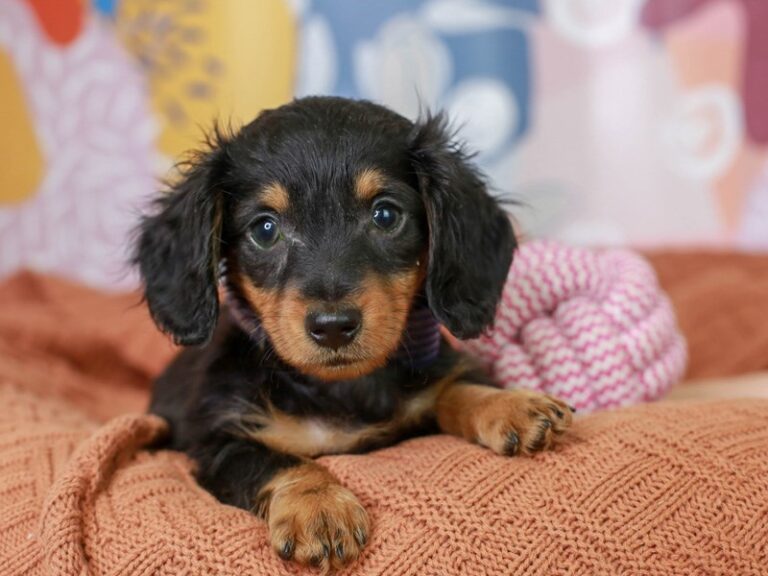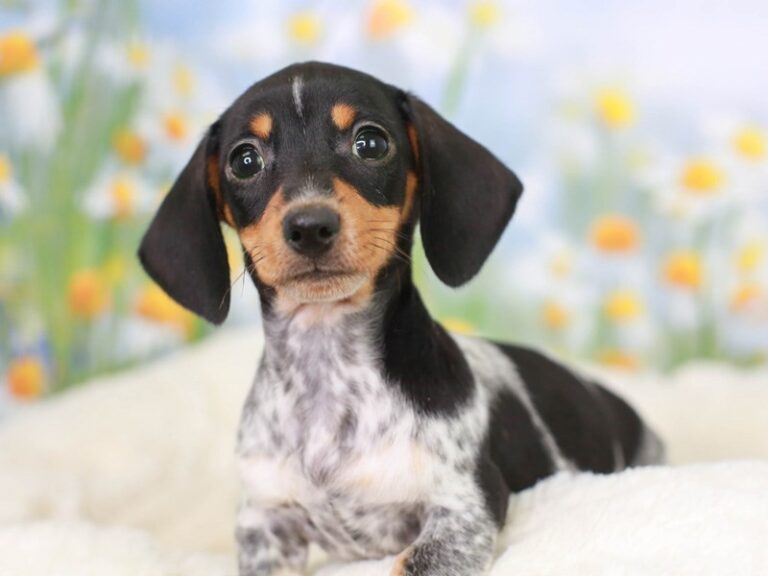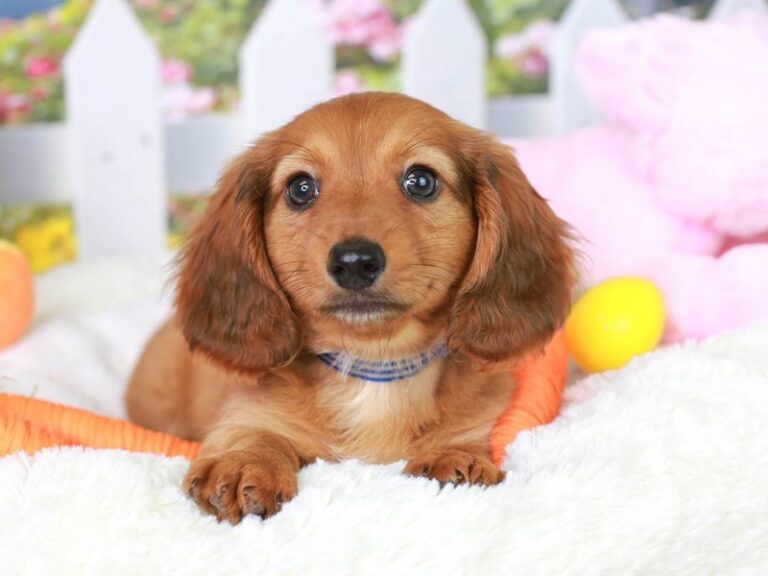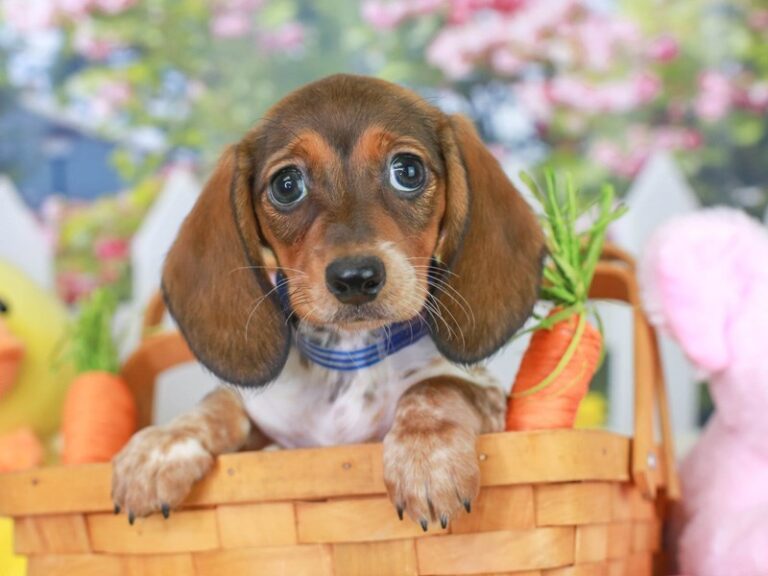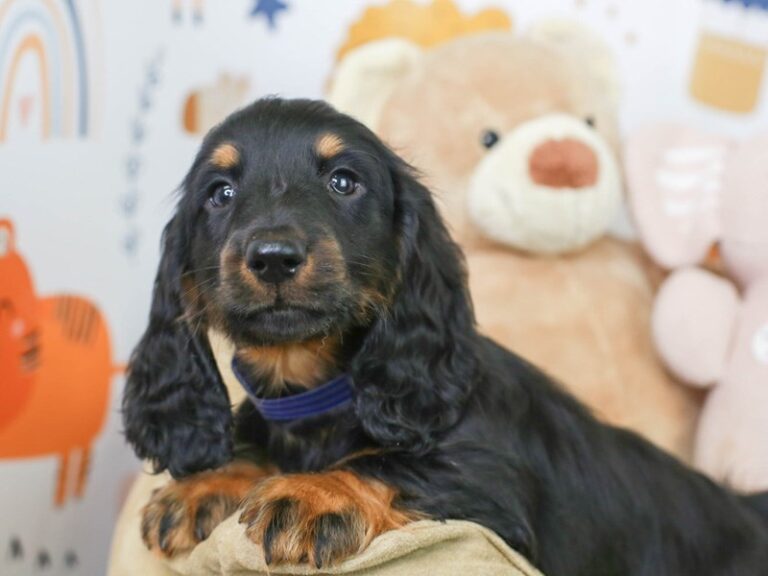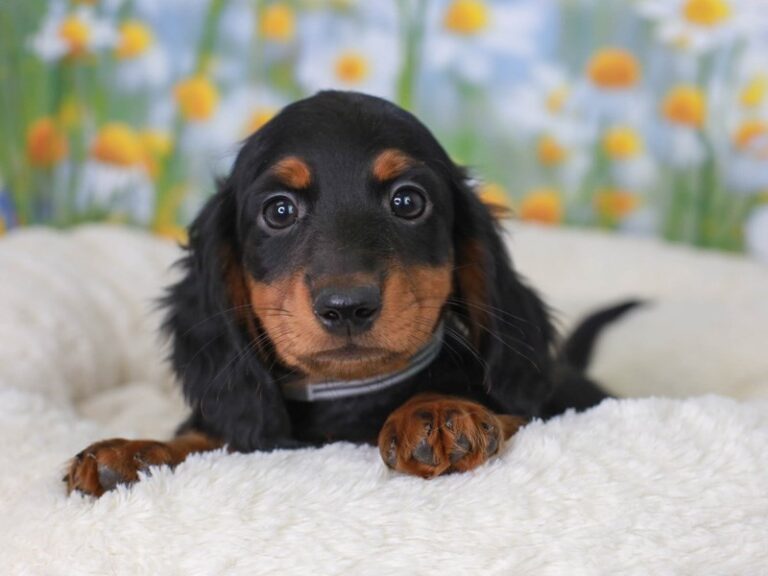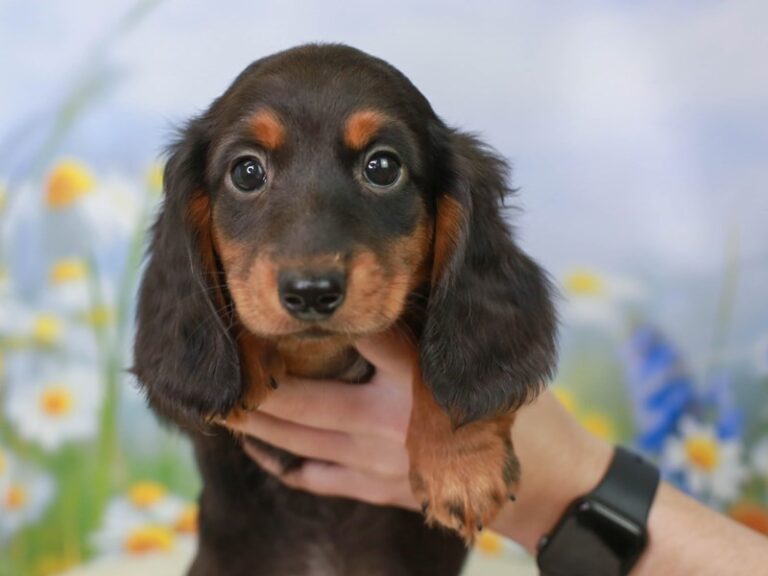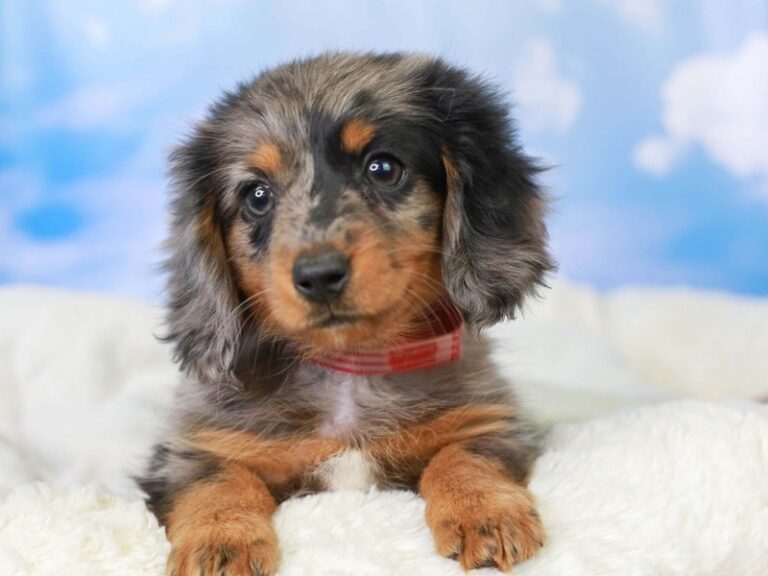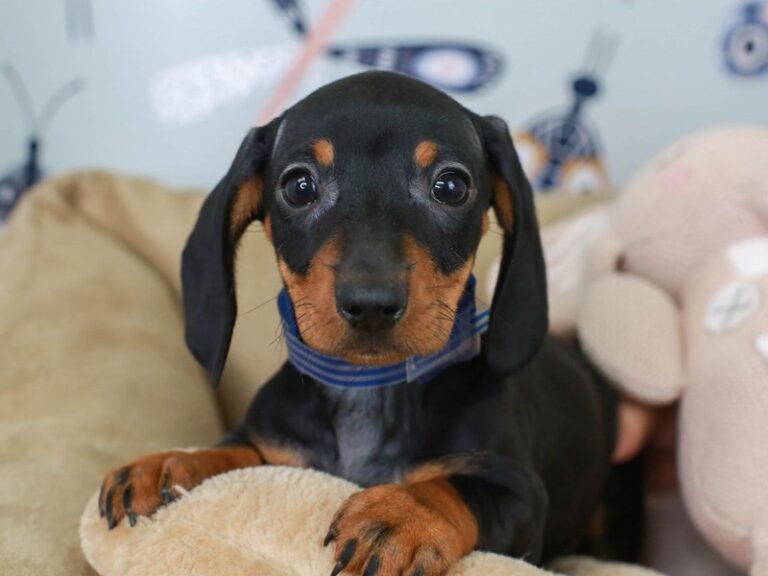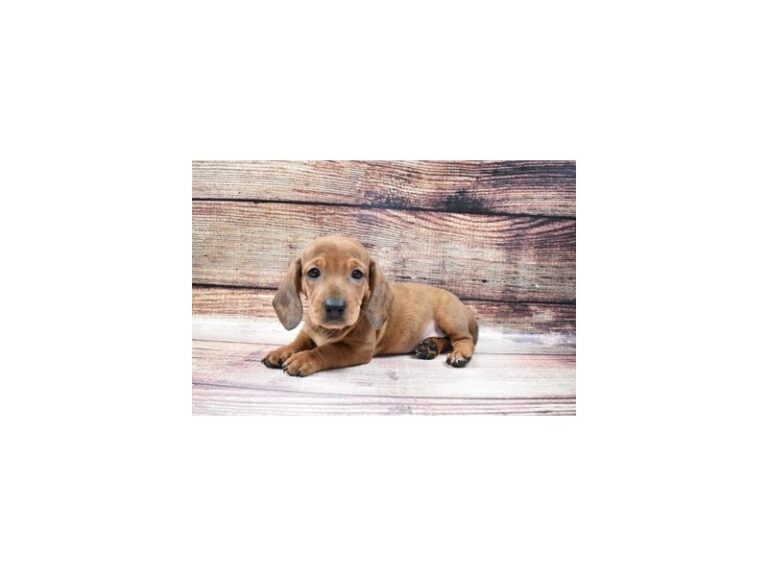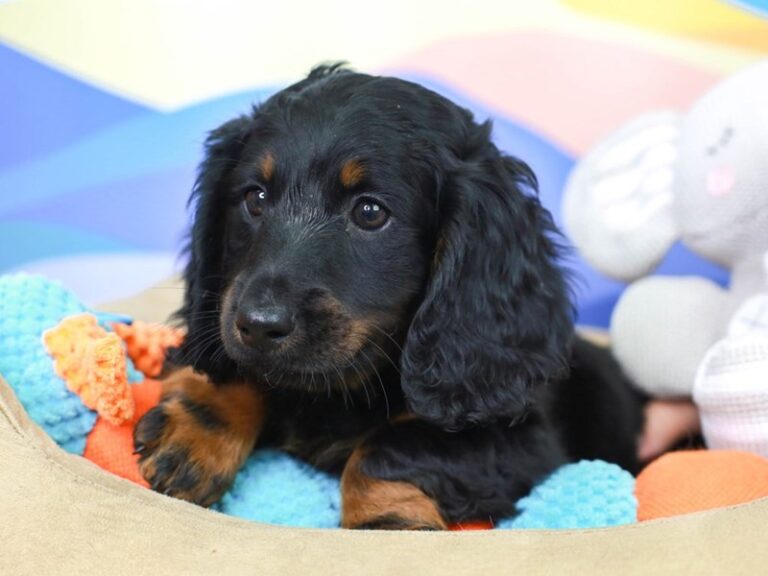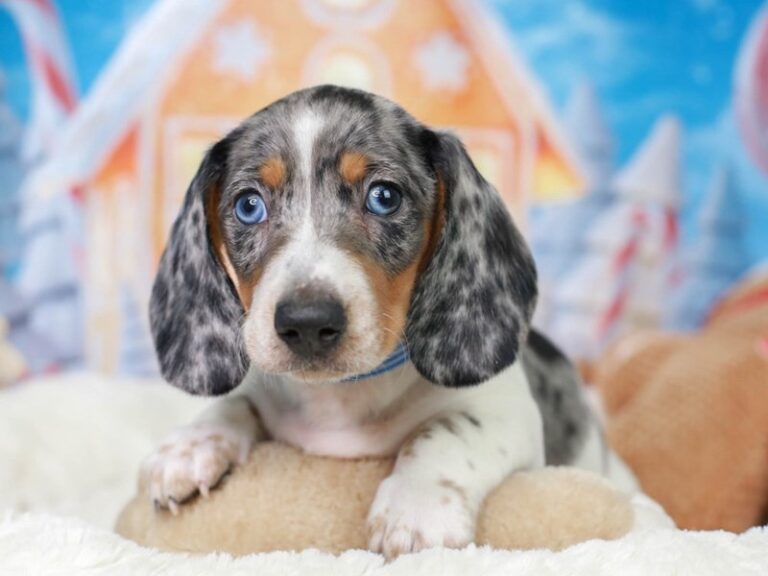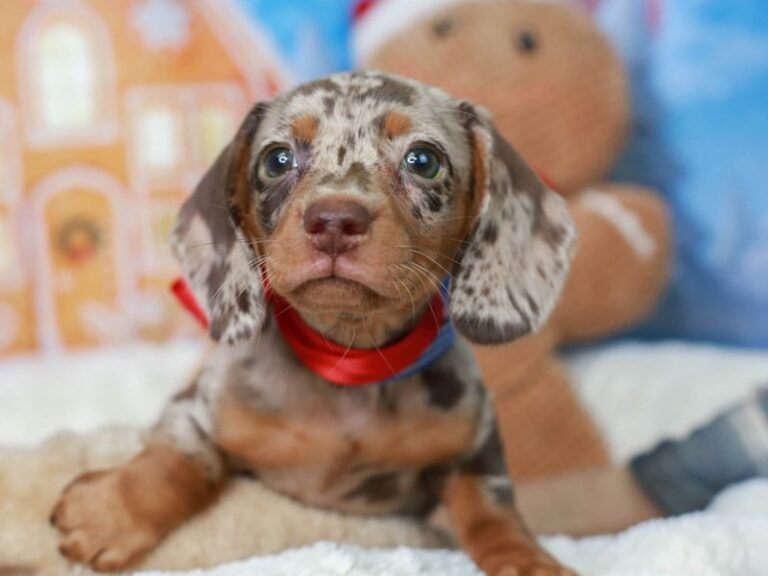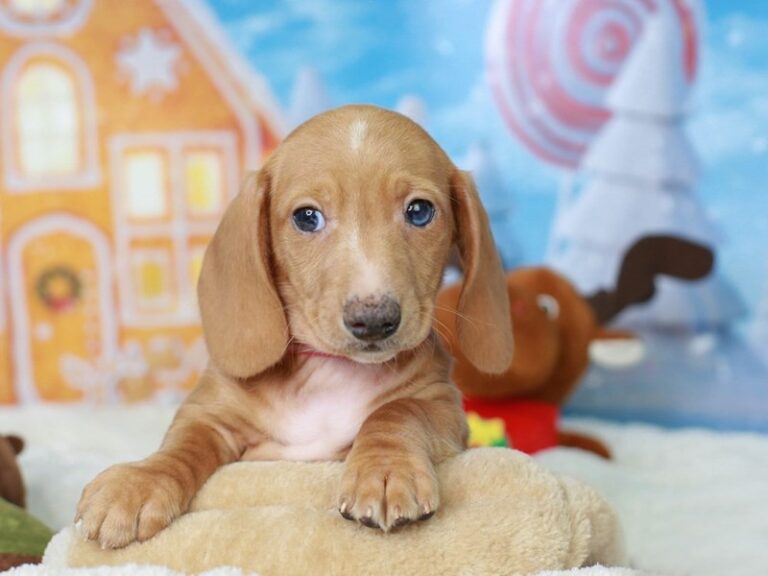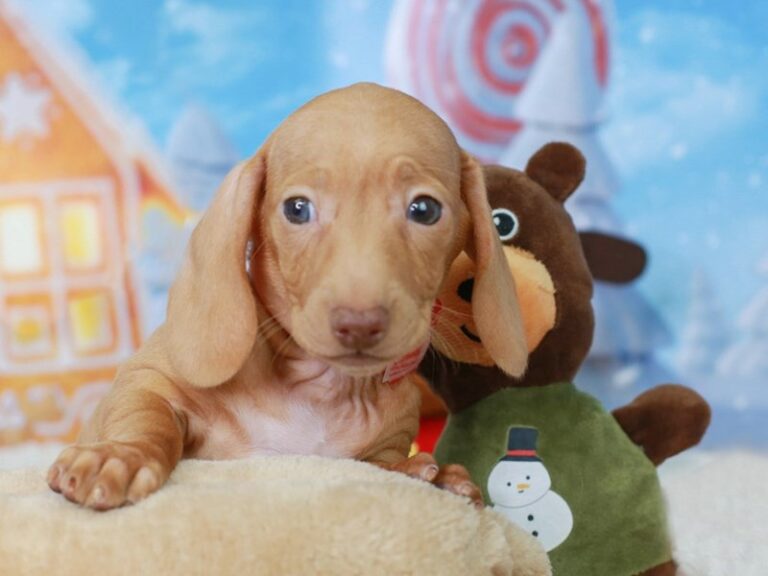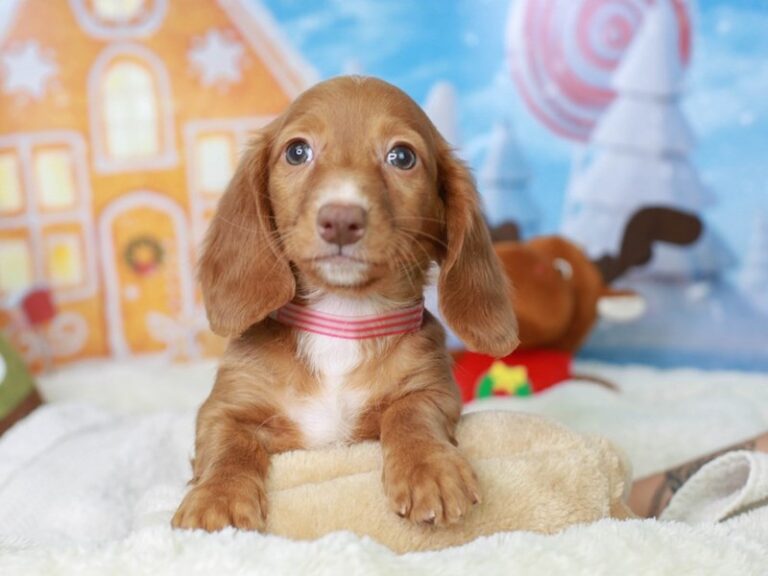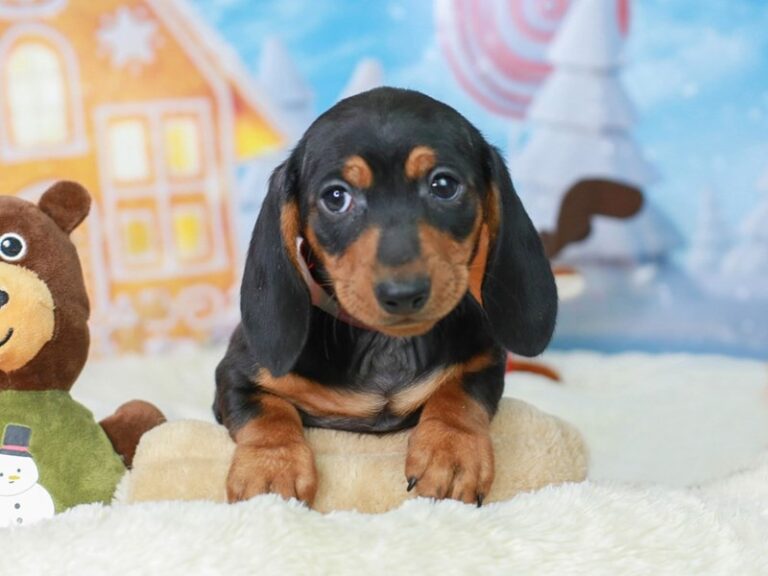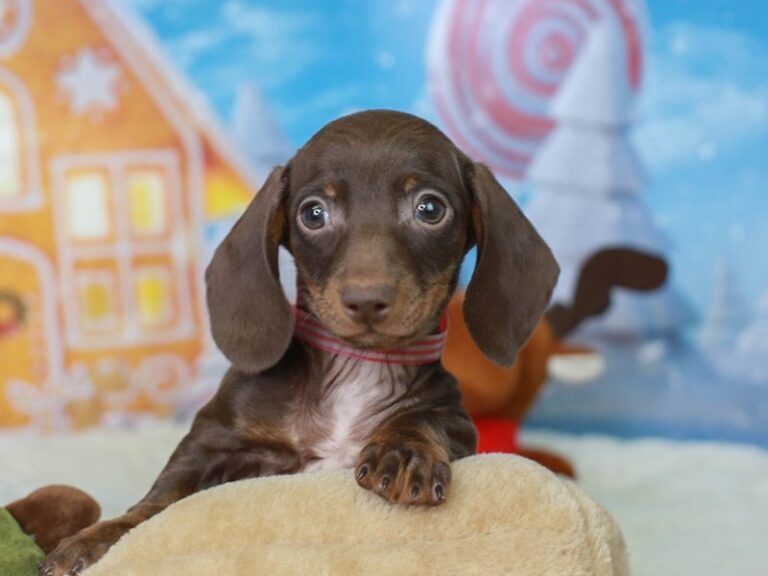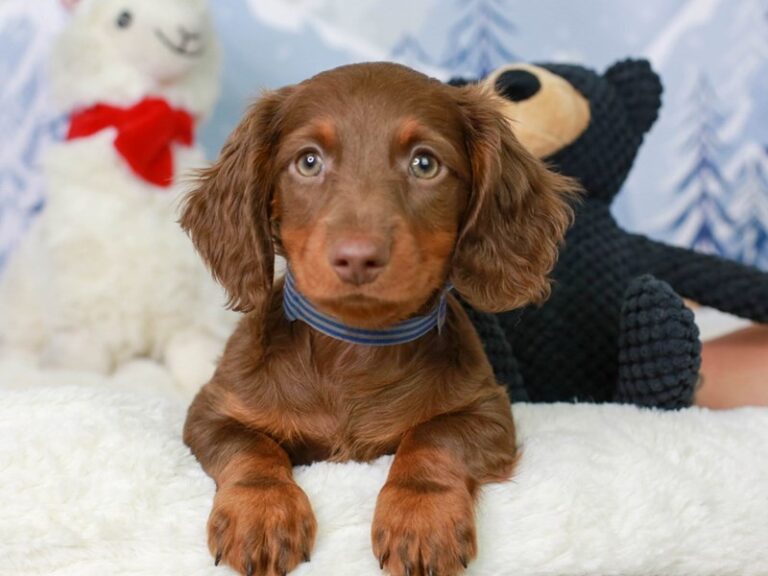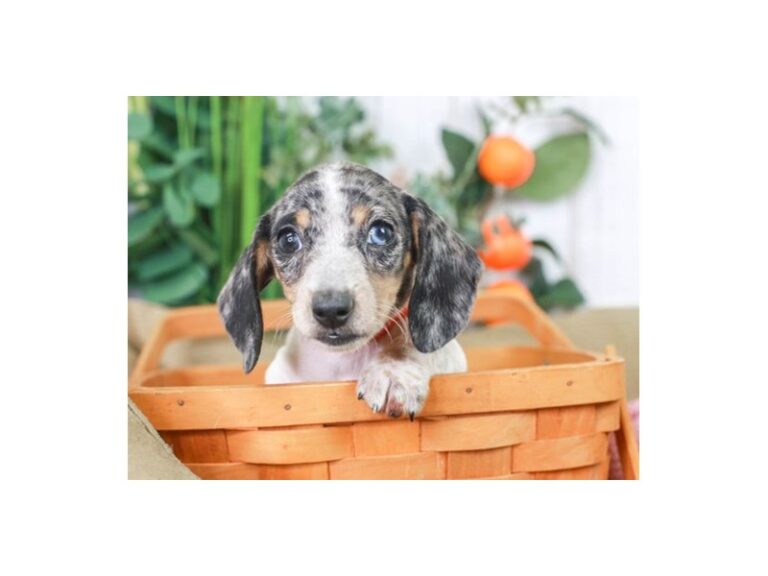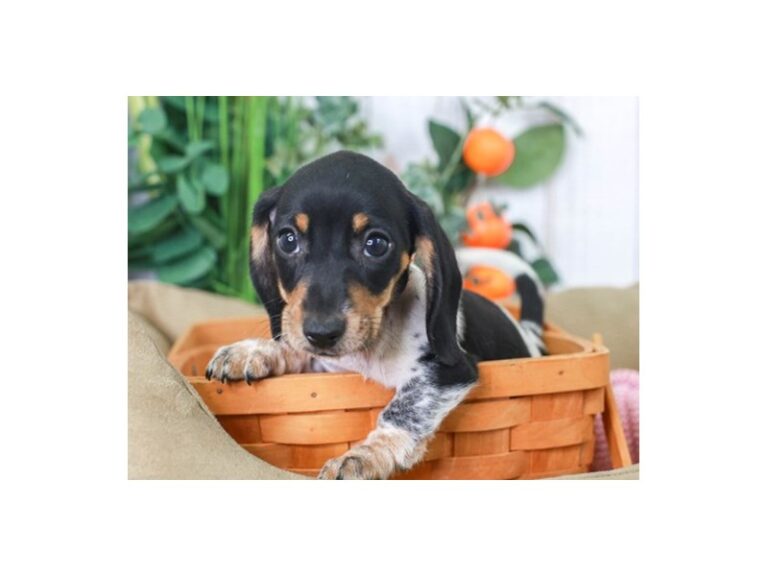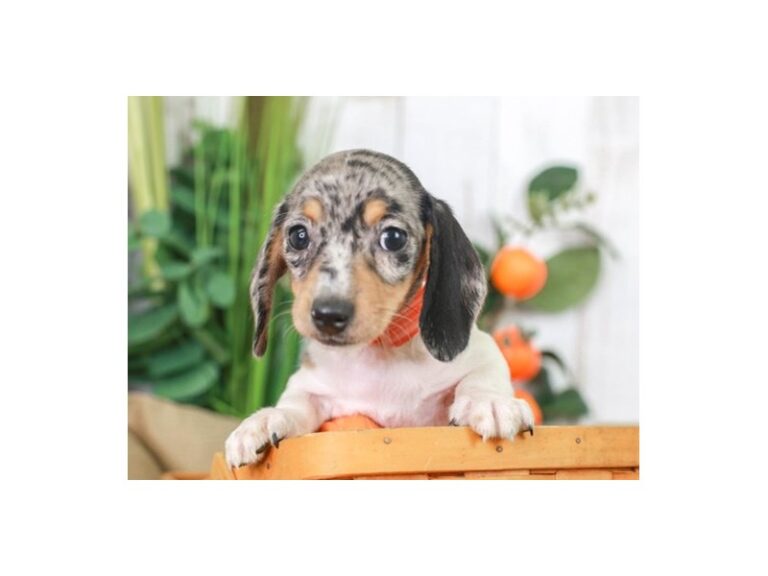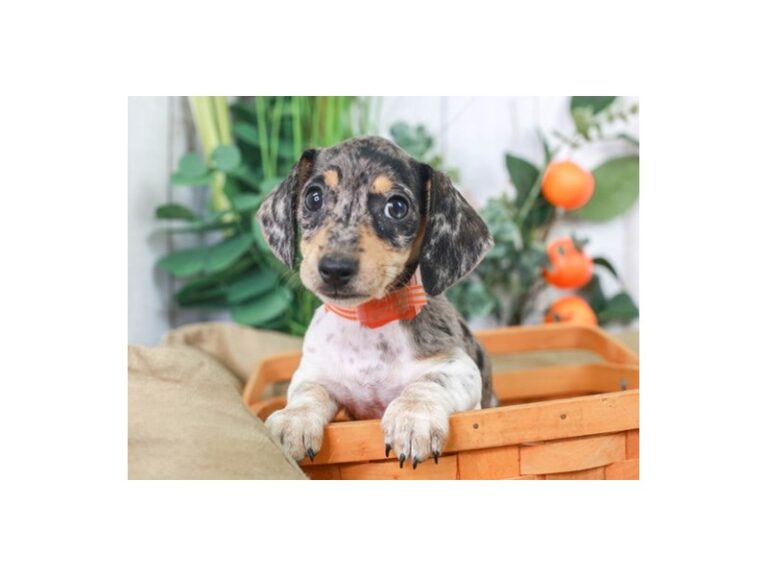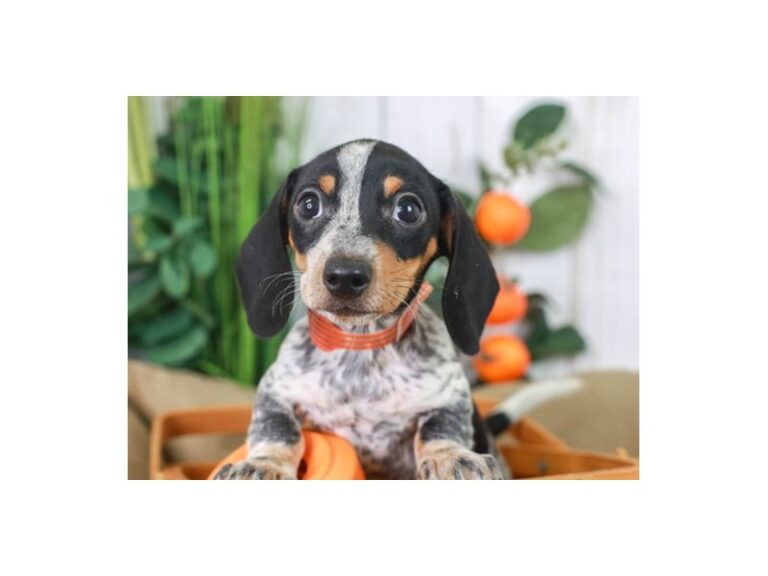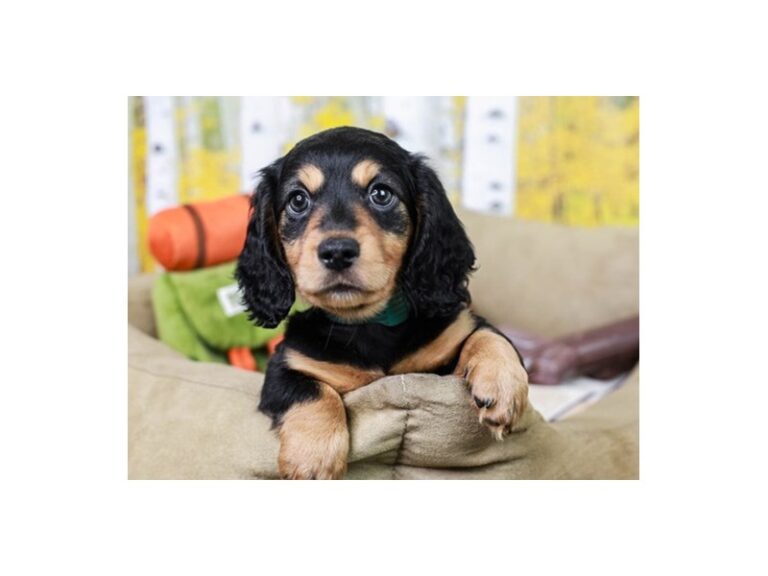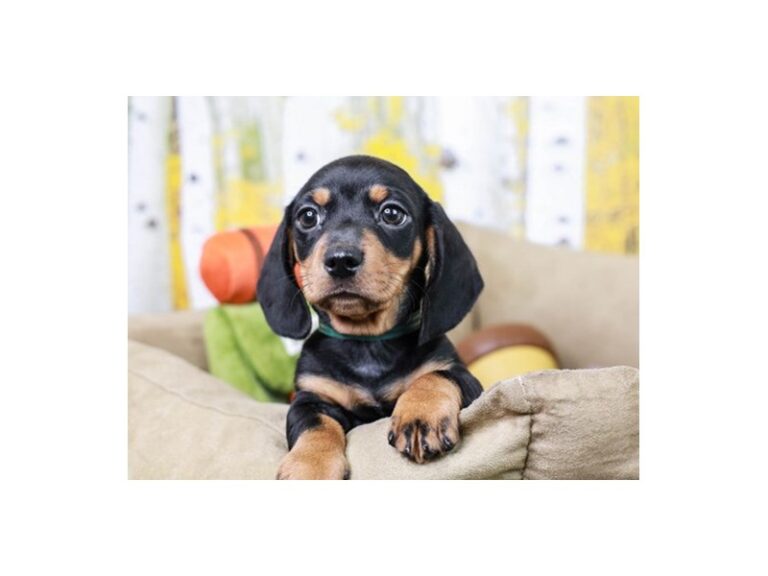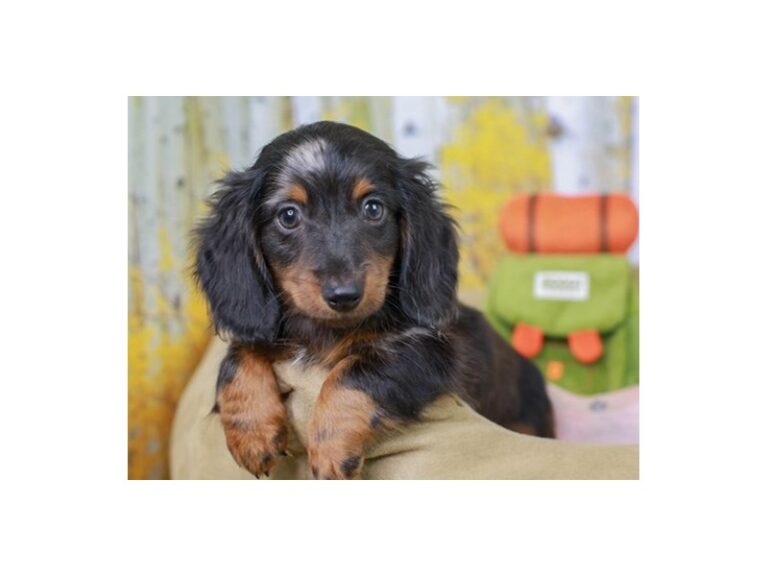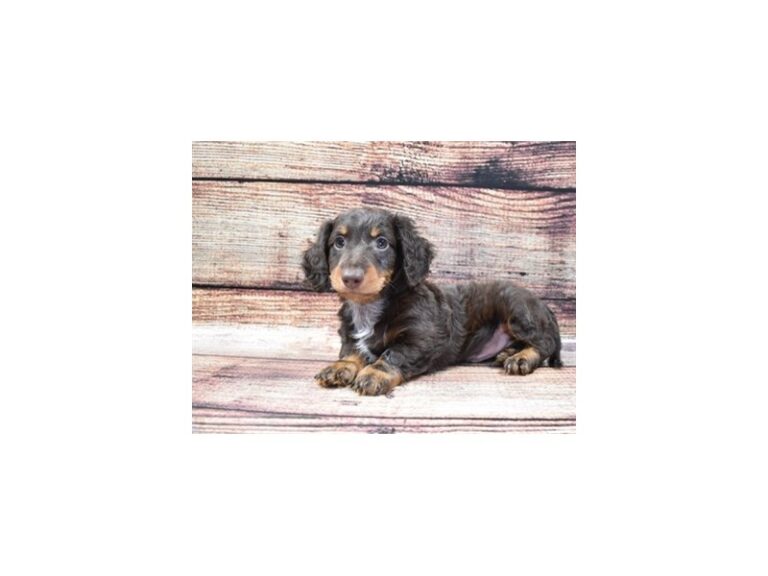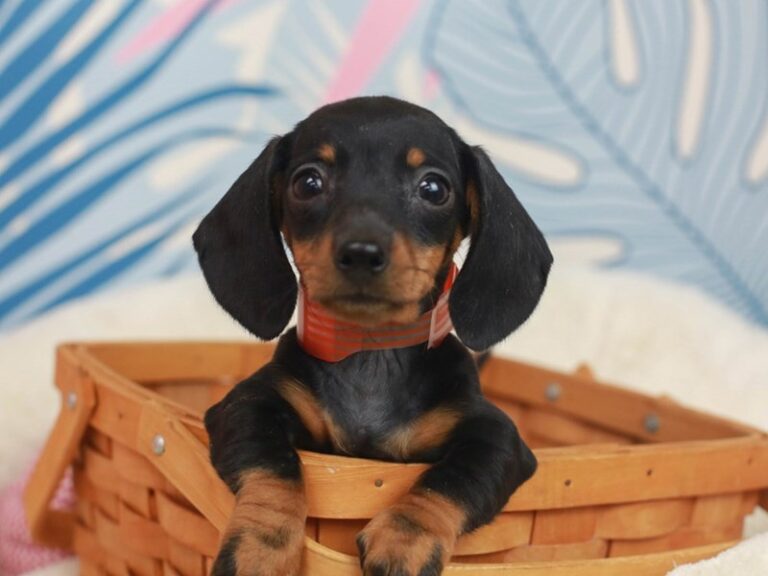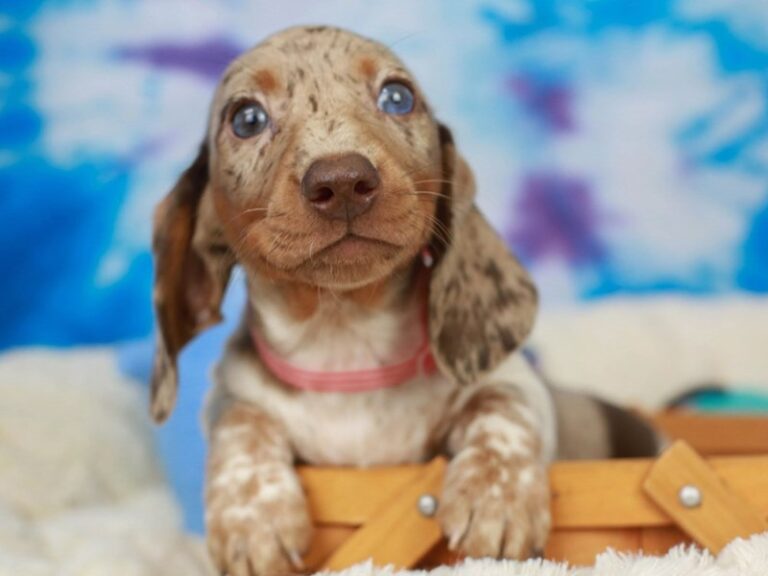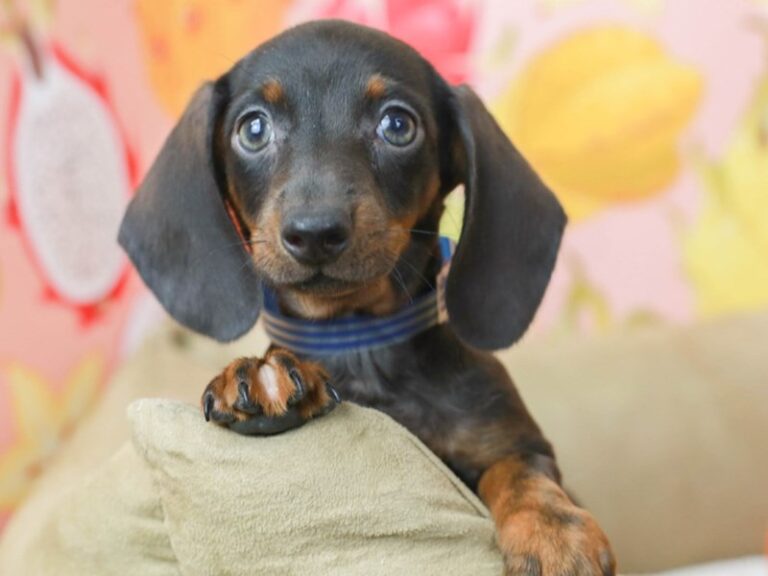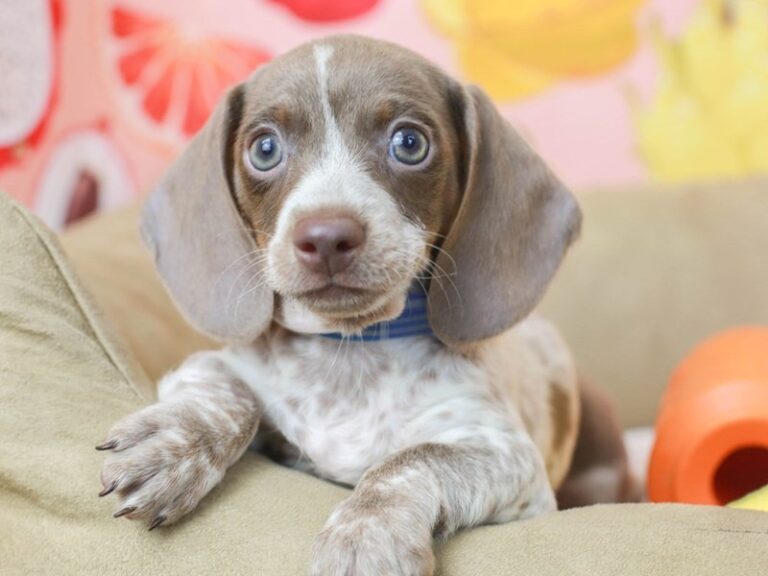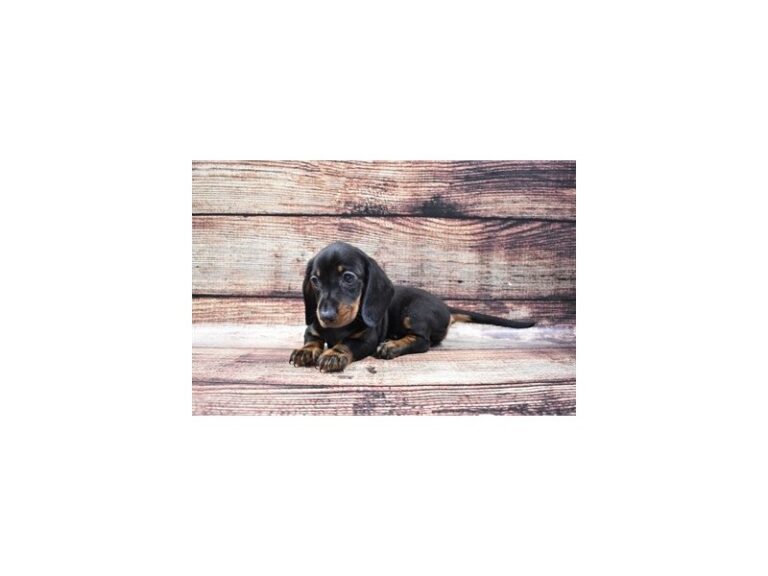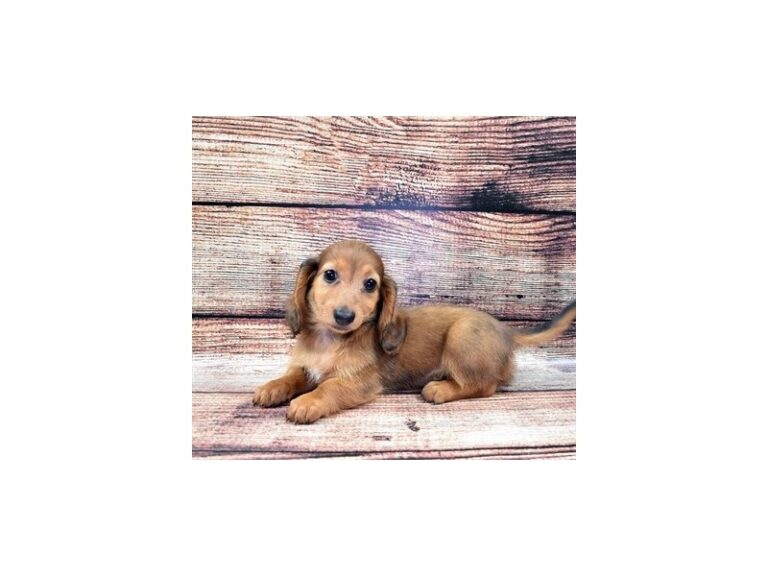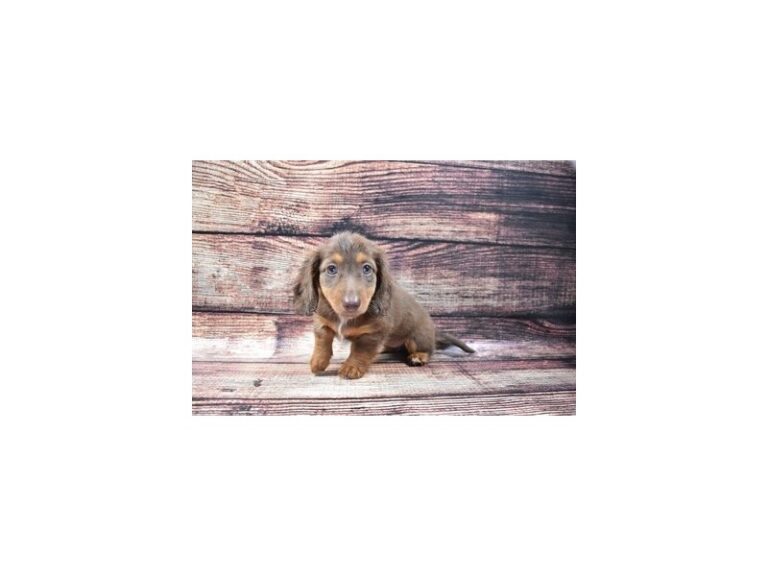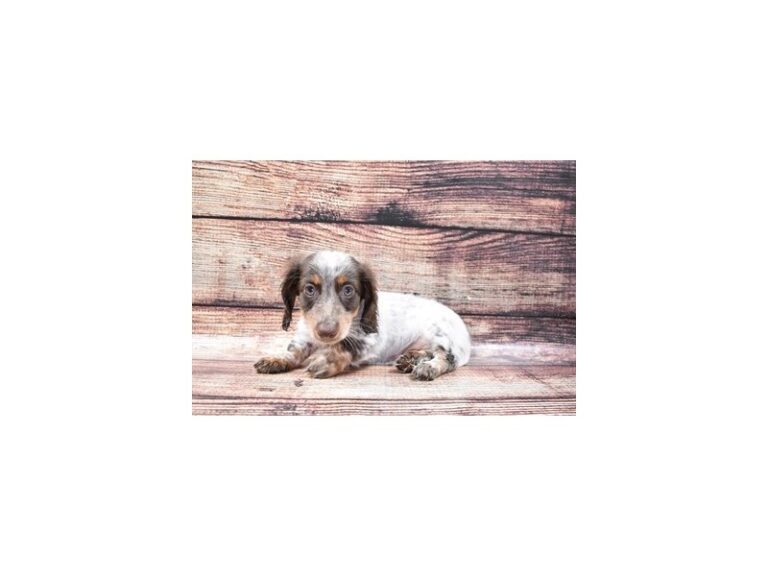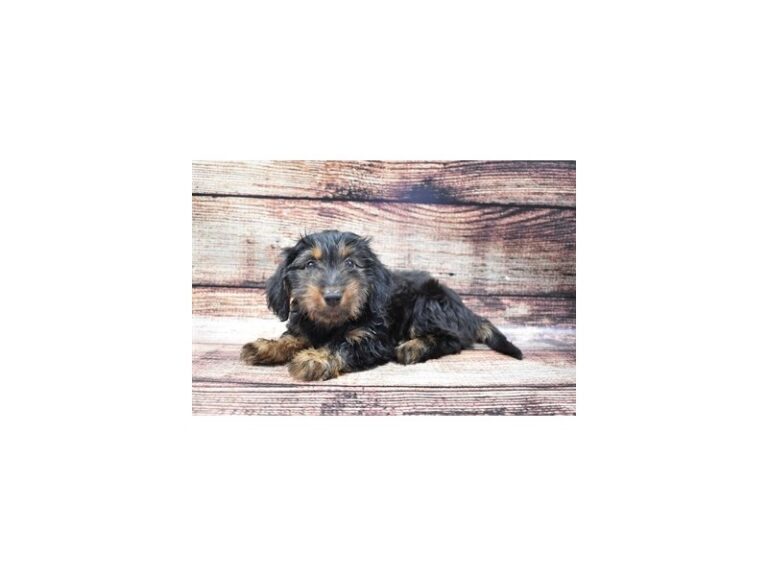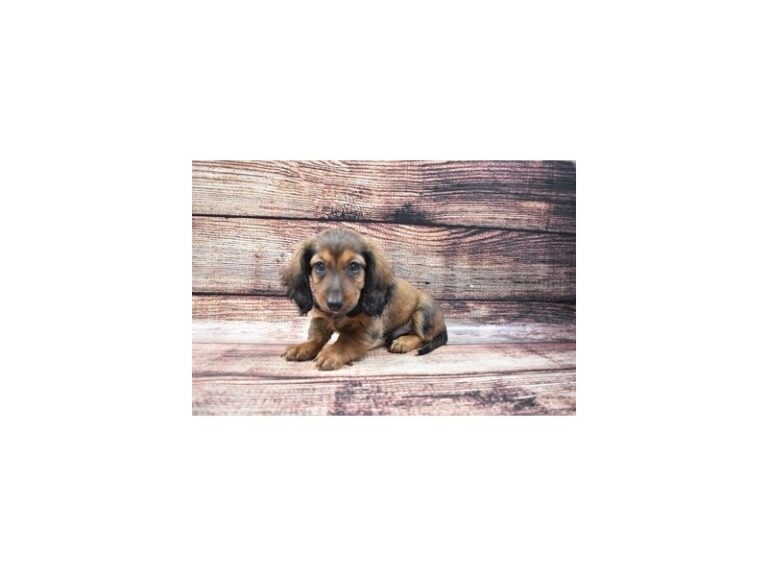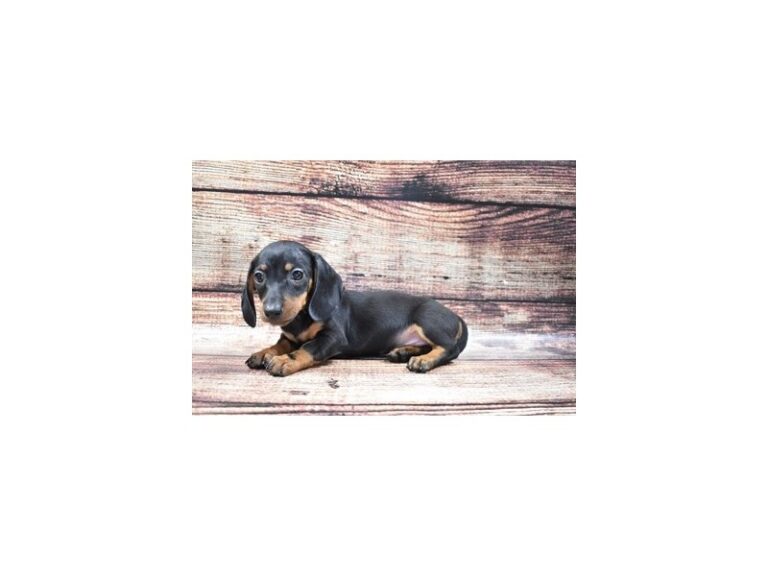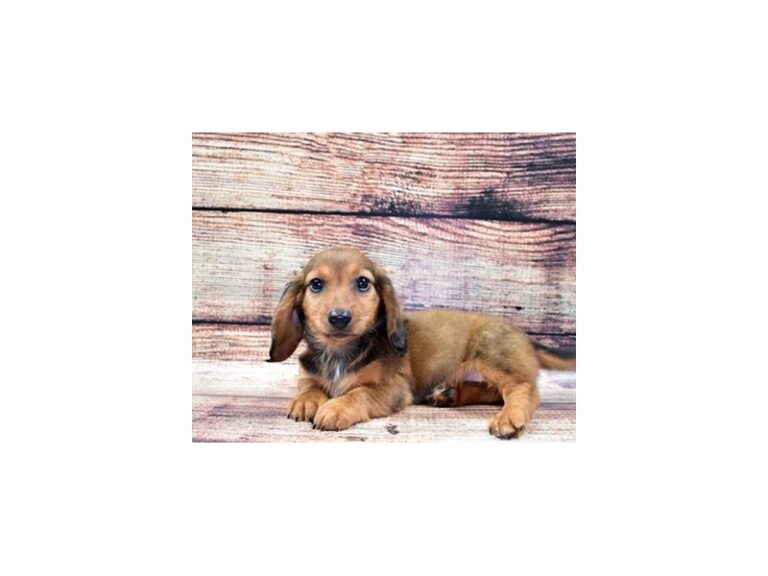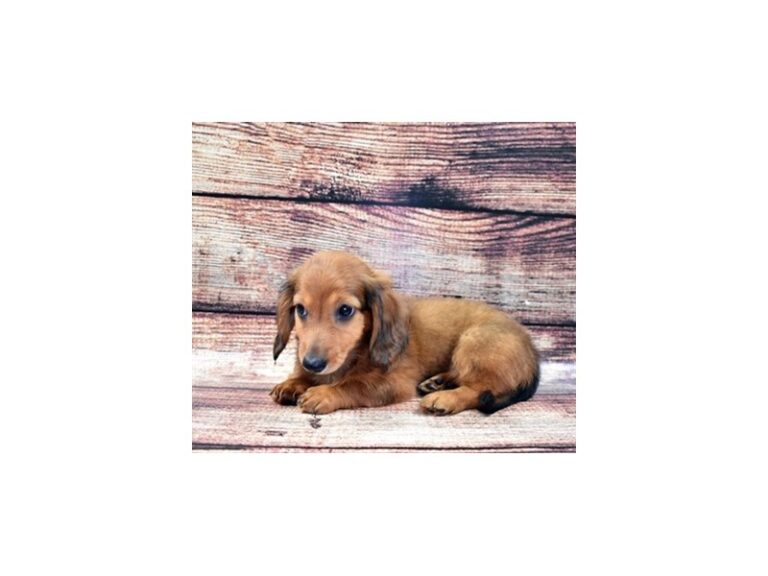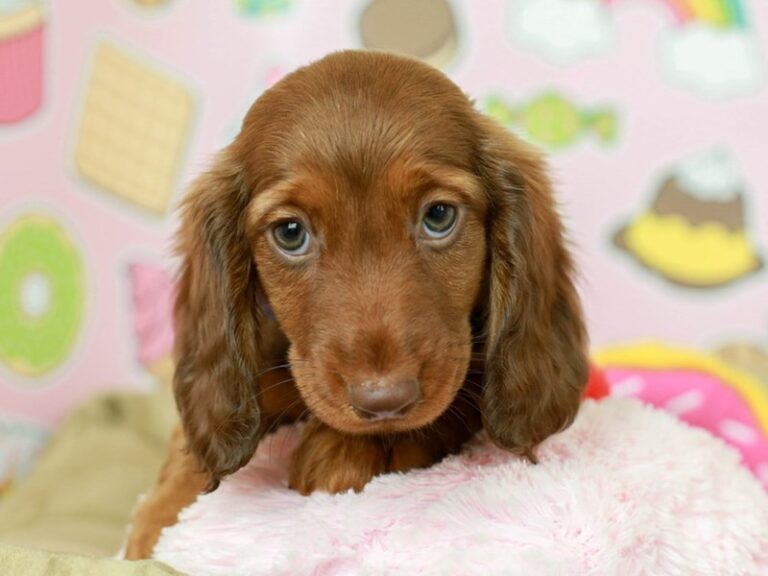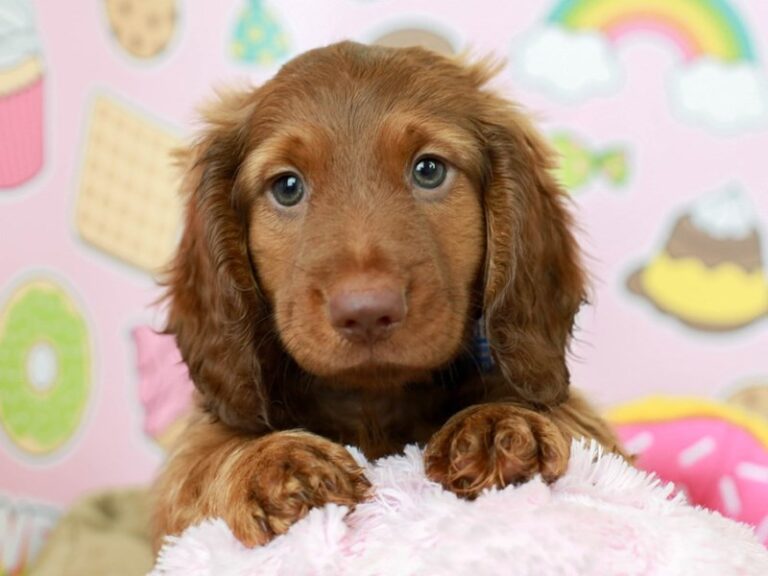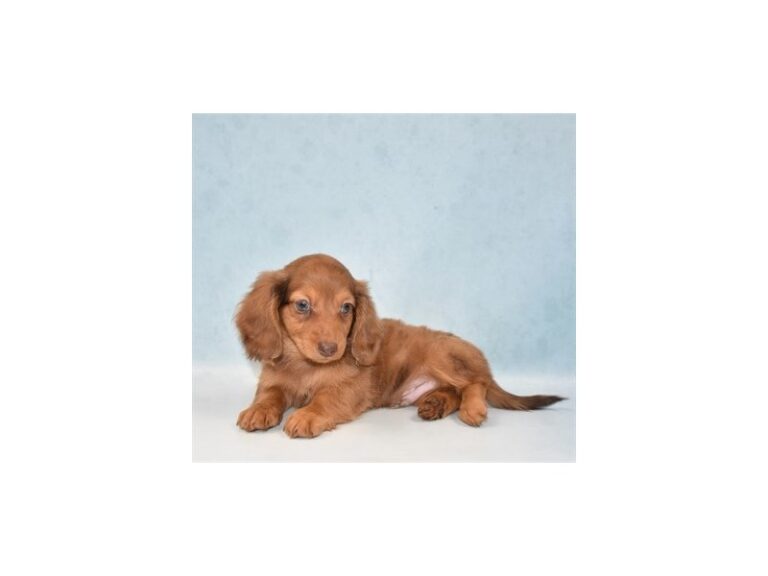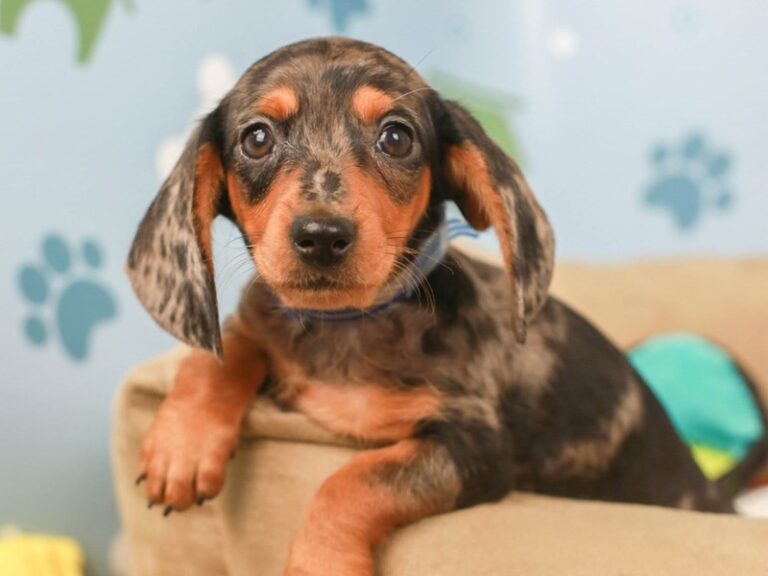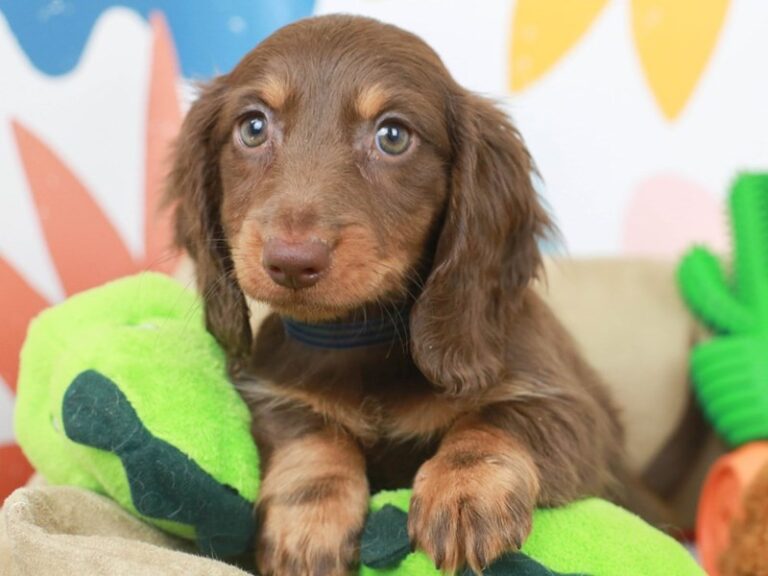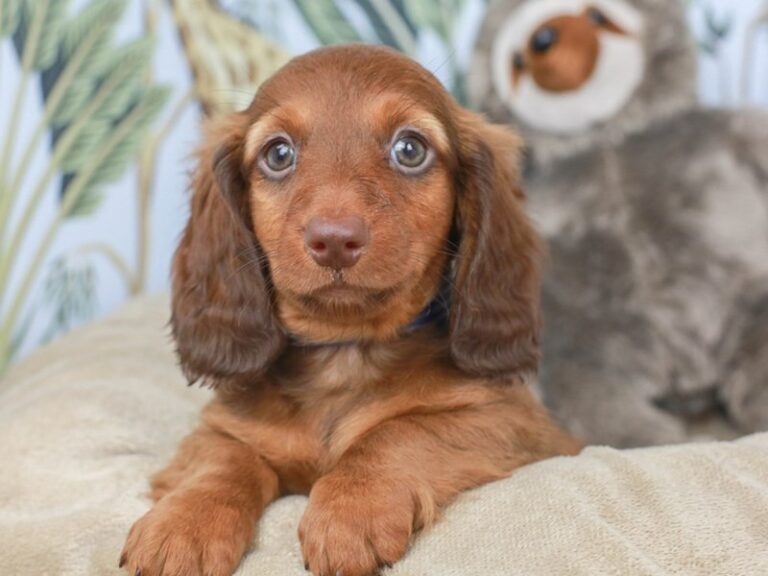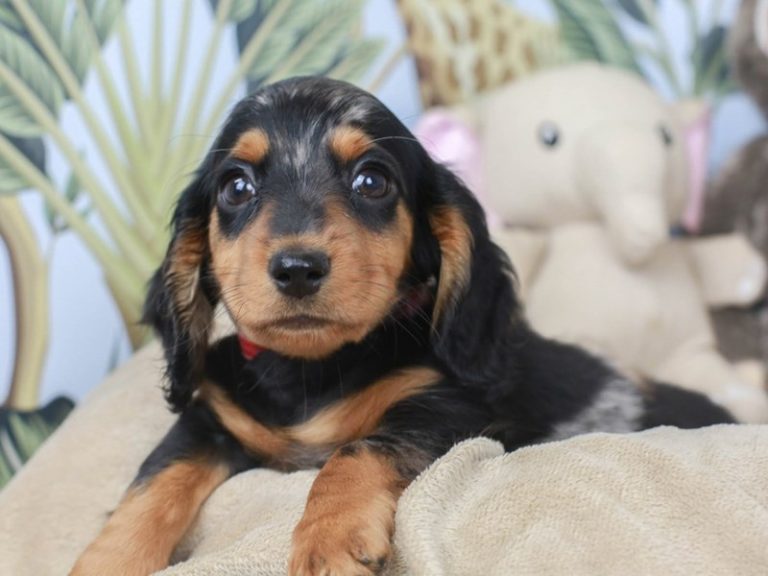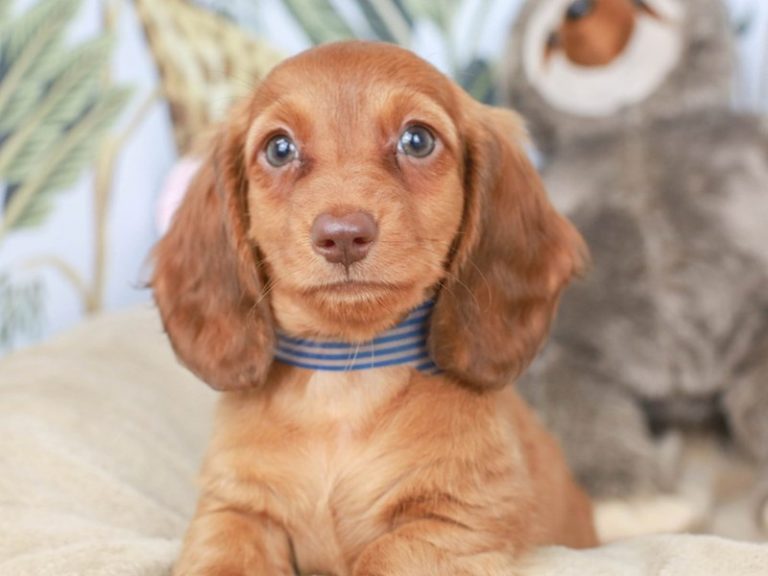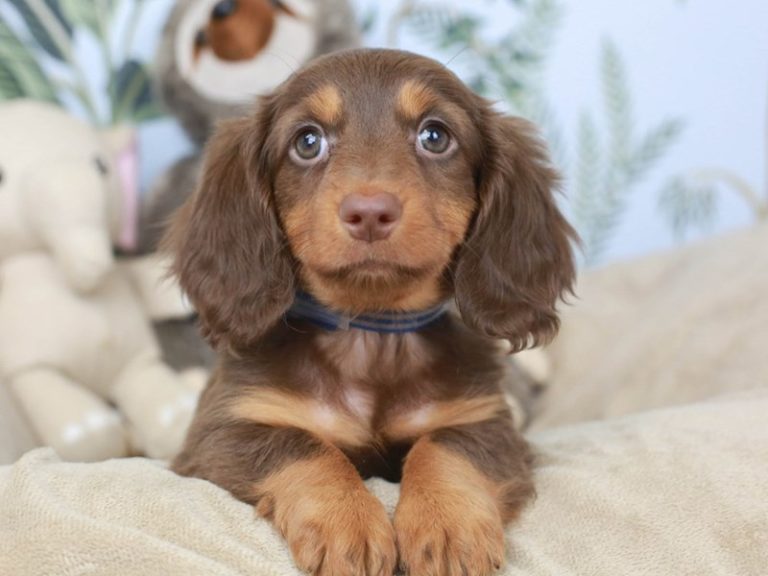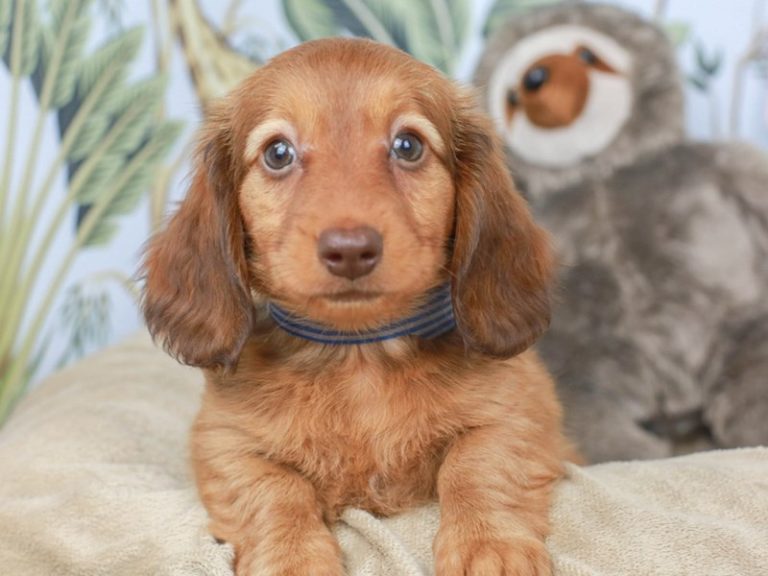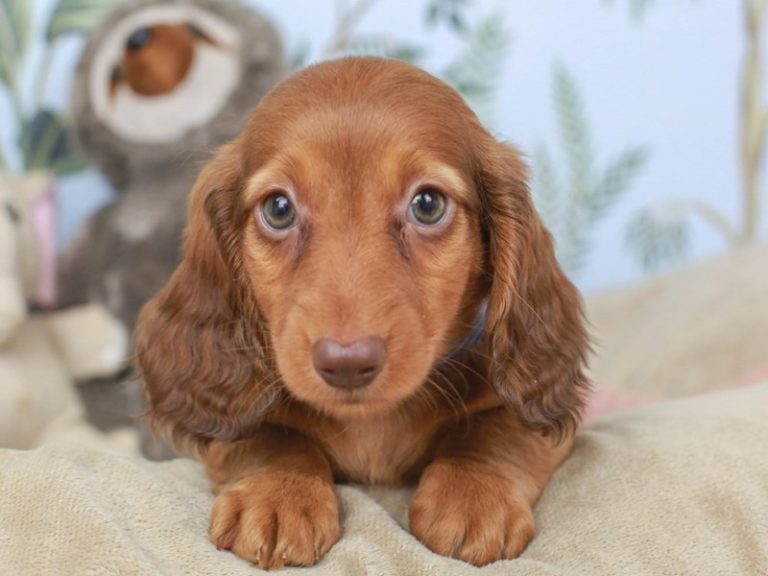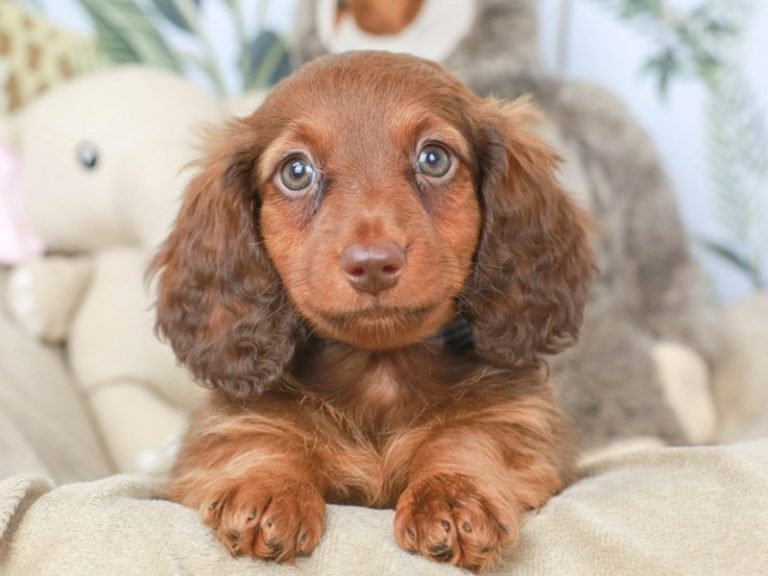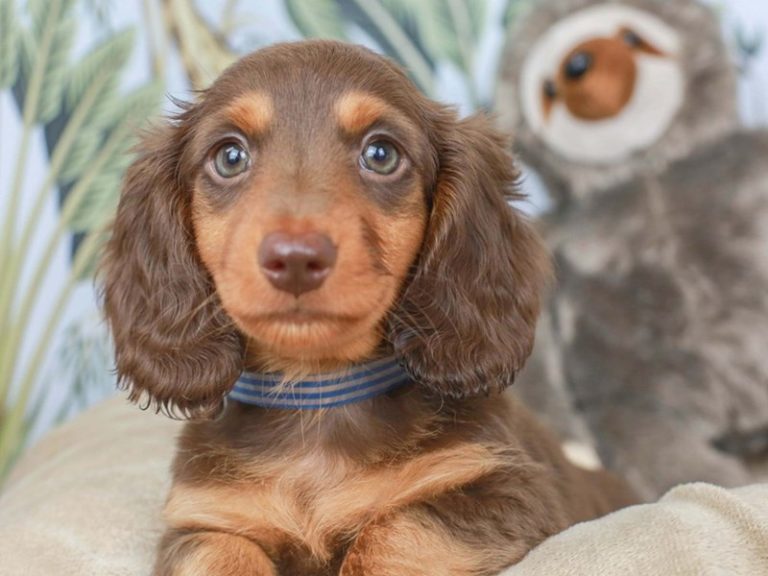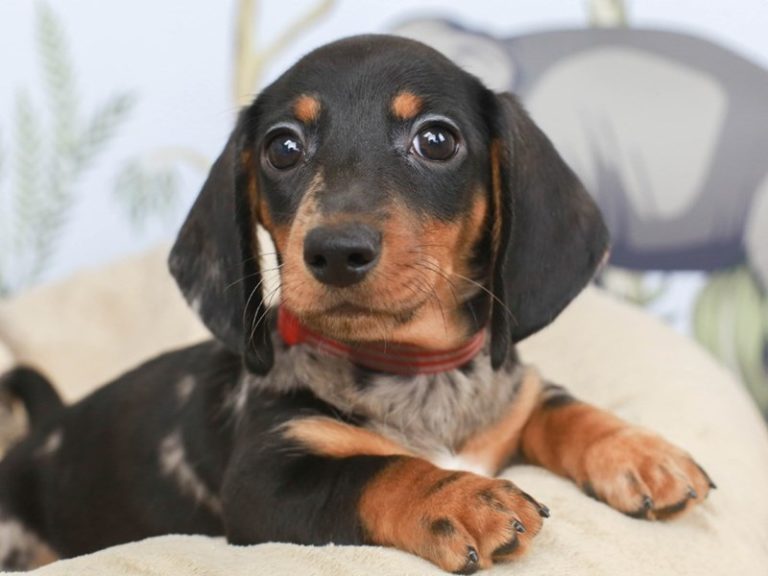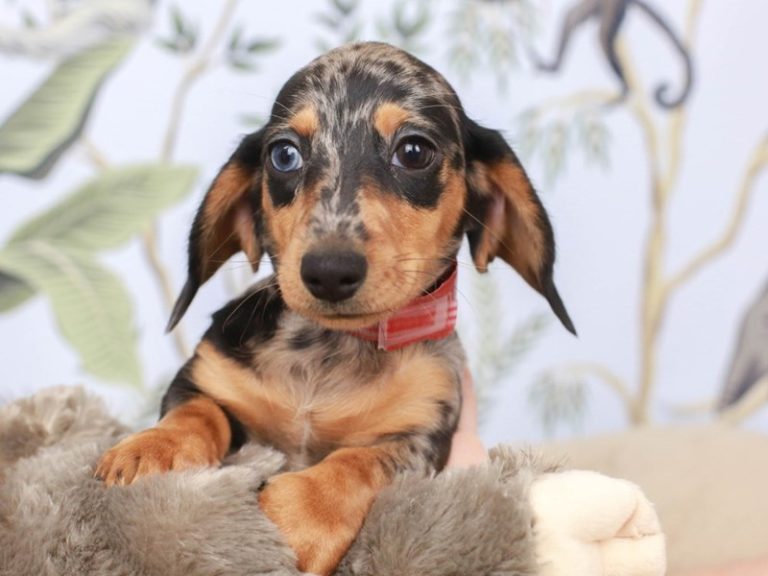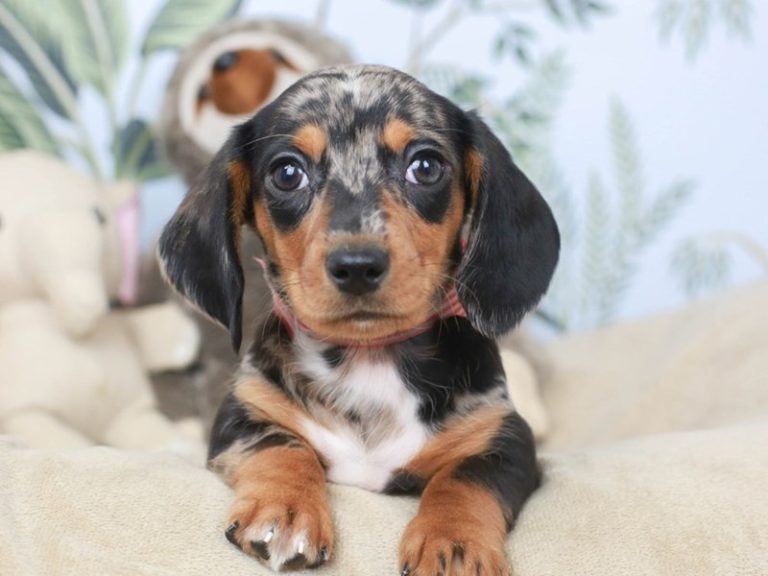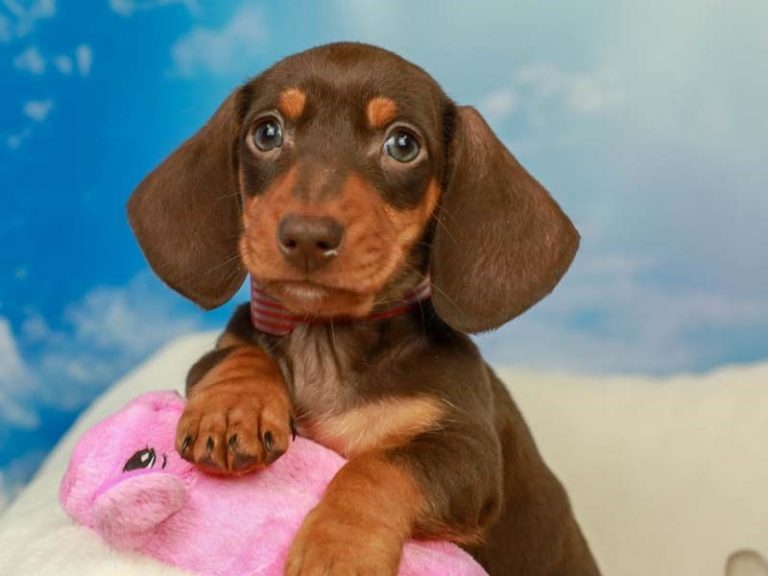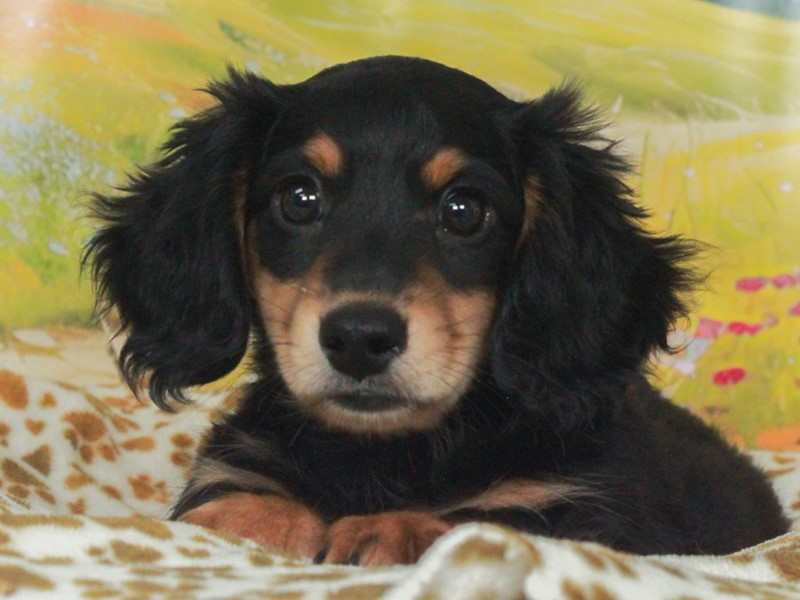
Thinking about adding a Dachshund to your family? You’re in the right place. The Dachshund is known for its unique personality, appearance, and care needs, making it a great fit for some households. Read the information below to learn more about Dachshund traits, temperament, size, and care requirements to see if this breed is the perfect match for your lifestyle and home.
Overview
Spunky, bold, and unmistakable, the Dachshund (also affectionately known as the “wiener dog” or
“sausage dog”) is a small-to-medium hound breed recognised by its long body, short legs, and big
personality. They come in two primary sizes: Standard Dachshunds typically weigh between 16–32
pounds, while Miniature Dachshunds weigh up to 11 pounds. Their height at the withers ranges
roughly 5–6 inches for miniatures and 8–9 inches for standards.
Dachshunds are lively, courageous, and alert, often small in stature but huge in spirit. They make
devoted companions for owners who understand their history and temperament.
History
The Dachshund’s roots trace back to Germany, where breeders developed them as fearless hunters capable
of chasing down badgers and other burrow-dwelling animals. Their name literally means “badger dog” in
German. Their elongated body, deep chest, and short legs were ideal for navigating narrow underground
tunnels.
Over centuries, their harsh hunting role gradually softened: by the 1800s they were beginning to rise
in popularity as companion dogs rather than strictly working hunters. The breed arrived outside Germany
and eventually gained recognition among enthusiasts for their big-dog attitude in a little package,
becoming one of the most endearing small breeds for families.
Background & Development
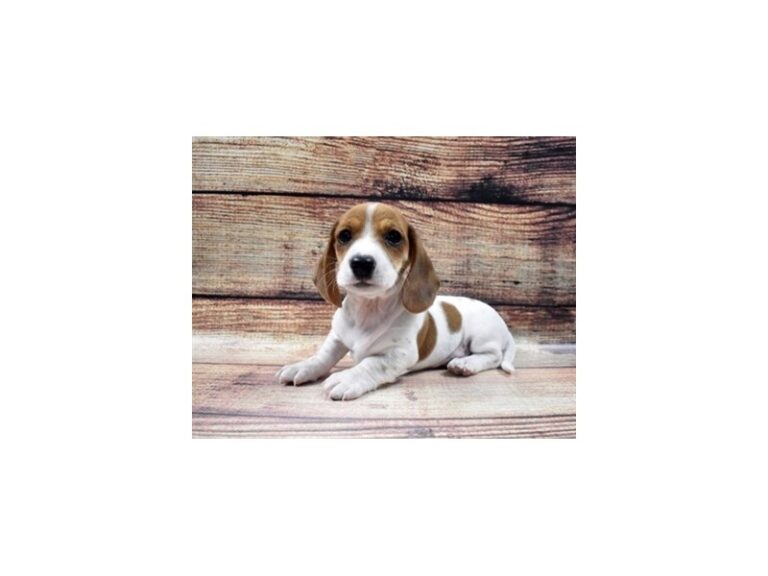
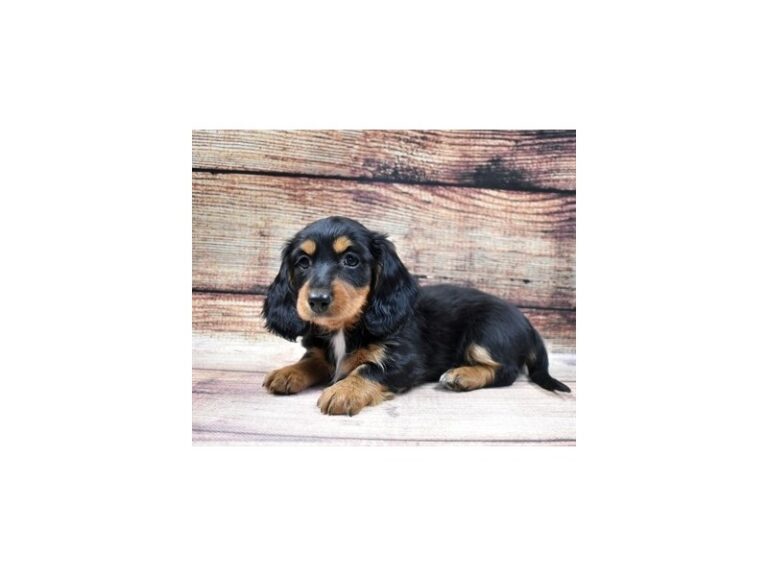
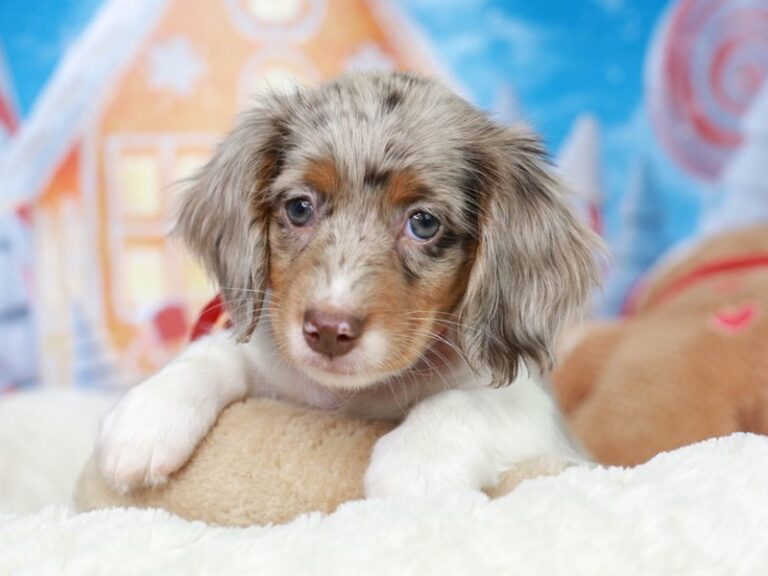
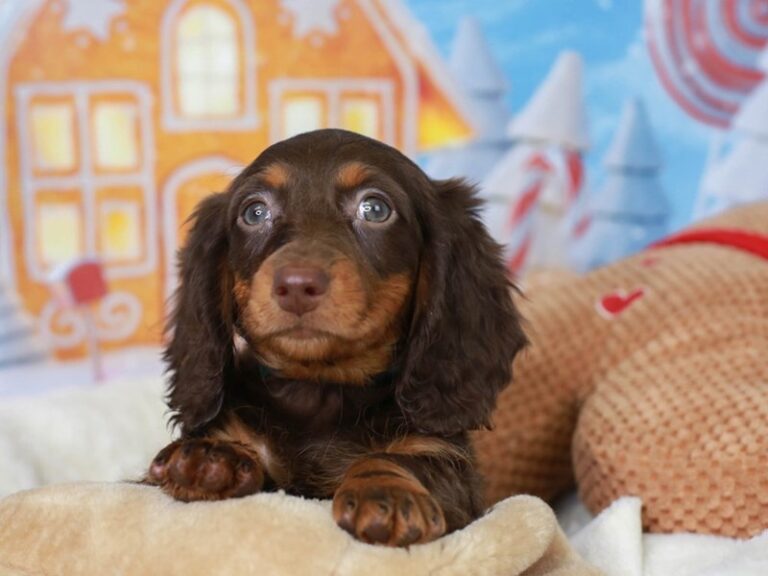
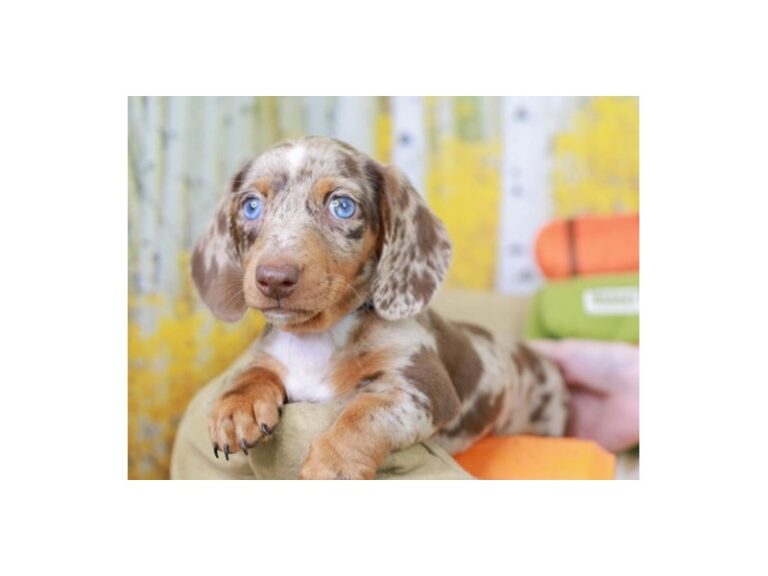
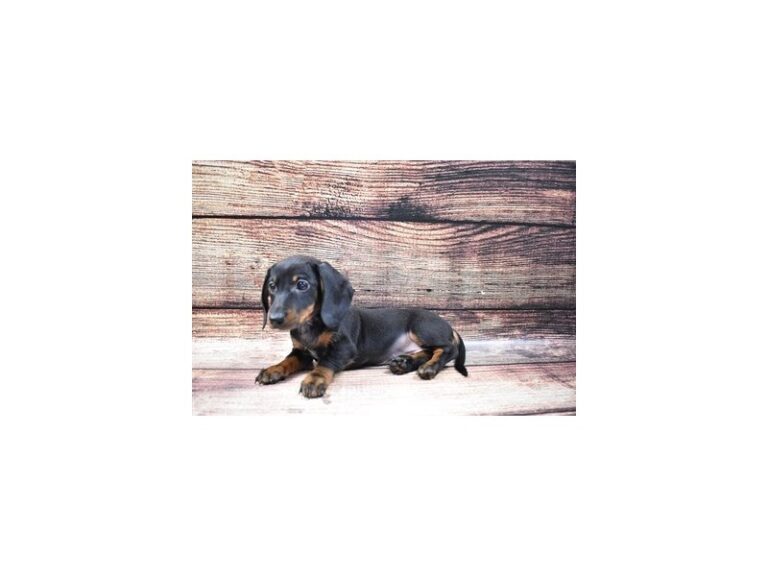
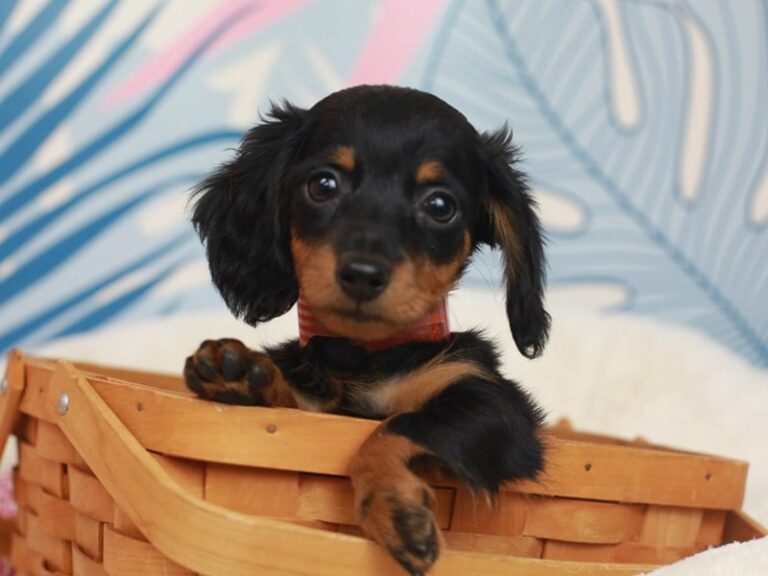
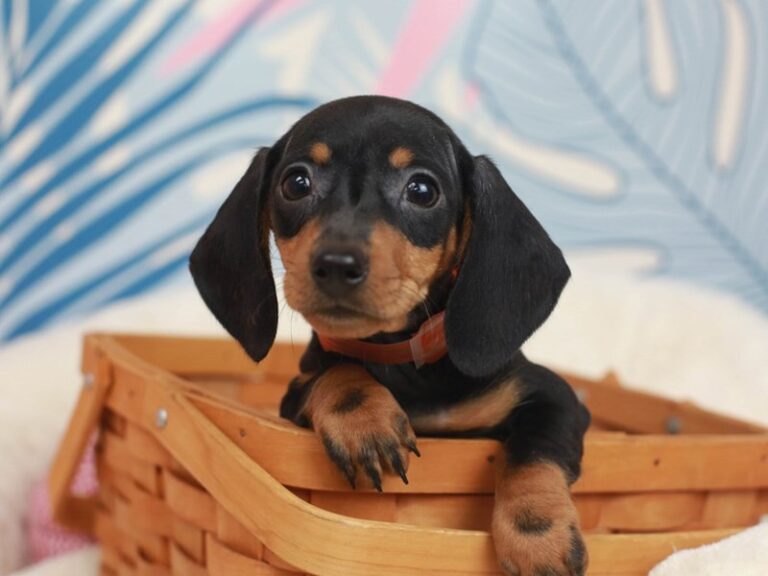
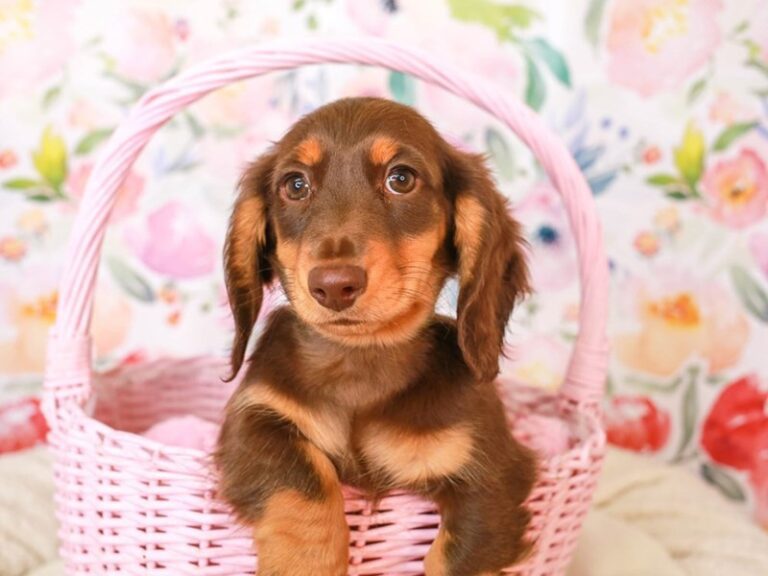
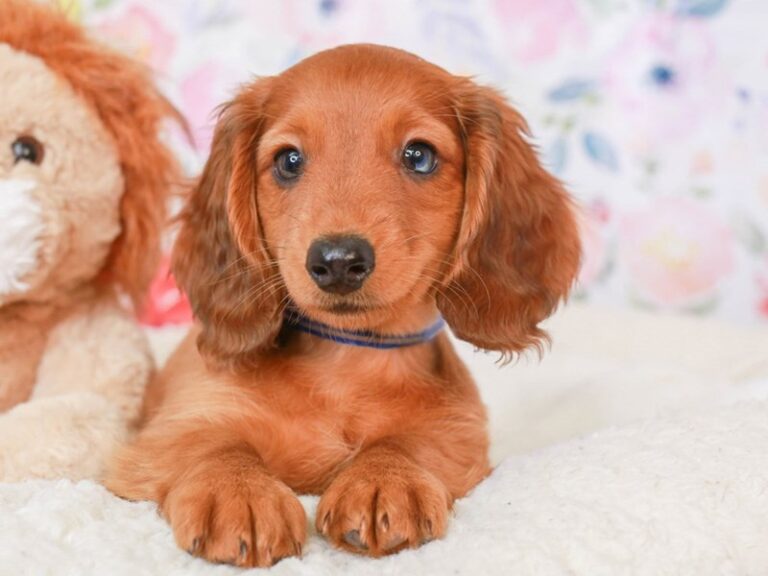
Dachshunds are as versatile as they are distinctive. They come in three coat varieties (smooth
(short-haired), long-haired, and wire-haired) and a broad palette of colors and patterns (solid, dapple,
brindle, piebald, black & tan, chocolate & tan, and more) depending on lineage.
Through selective breeding over generations, the focus shifted from purely hunting traits to more balanced
dispositions, maintaining their courage and independence, but tempering it with loyalty and affection.
While they still retain their spirited instincts, modern Dachshunds are usually family dogs with big
hearts and bold personalities.
Temperament
Dachshunds are famously bold, curious, and sometimes mischievous; small dogs with big-dog confidence.
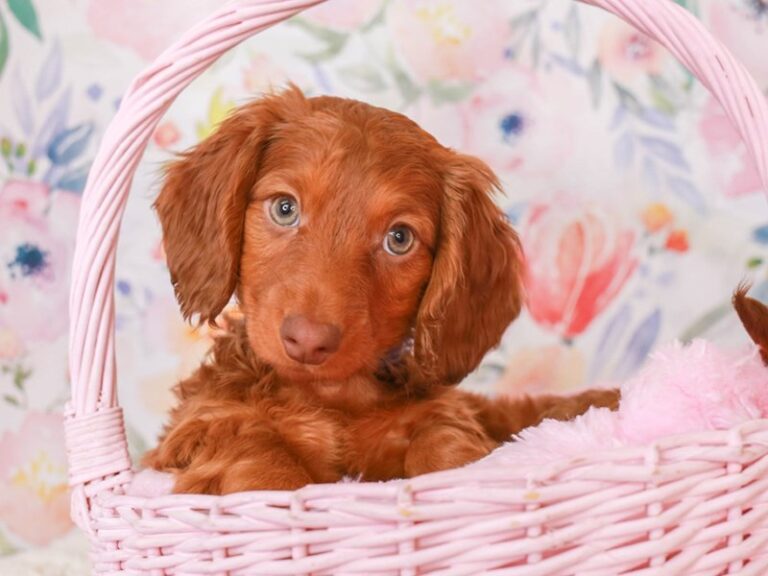
They’re often described as clever, lively, and fearless. Their history as hunters gives them a strong prey
drive, so they may give chase to small animals or follow scents, sometimes ignoring calls to return.
Despite their tenacity, Dachshunds are affectionate with their families and tend to form close bonds with a
few favorite humans. They can be loyal and protective, barking at strangers and unfamiliar noises, which
makes them surprisingly good watchdogs for their size.
Their independent streak can translate into stubbornness, which means training requires patience,
consistency, and positive reinforcement. Harsh methods rarely work; gentle encouragement and treats tend to
get better results.
While many Dachshunds adapt well to family life, they might not be ideal with very small pets (like rodents)
or unsupervised young children because of their hunting instincts and delicate build. Early socialization
helps, but prospective owners should be aware of their strong will and occasional territorial behavior.
Living Conditions
Dachshunds are surprisingly adaptable: they do well in apartments or houses alike, provided they get regular
gentle exercise and mental stimulation. Because of their long spine and short legs, jump-heavy play or rough
handling should be minimized to prevent spinal injuries.
A couple of daily short walks, combined with indoor playtime, typically keeps them healthy and happy. Because
they were built to dig and explore, mental stimulation and safe digging alternatives (e.g. puzzle toys) are
beneficial to channel their instinctual curiosity.
Grooming depends on coat type. Smooth-coated Dachshunds need minimal maintenance, while long-haired and

wire-haired varieties require regular brushing to avoid matting and skin issues. All Dachshunds do well with

a home environment that’s calm, supportive, and aware of their physical limitations. With proper care (balanced
diet, limited jumping/running, gentle handling), a Dachshund can be a spirited, loyal, and long-lived companion.
Check out the Dachshund puppies for sale we currently have in our stores. If there are none here, please contact us and we’ll be in touch. You can also sign up to receive emails every time we get new Dachshunds in using our Breed Alert form.