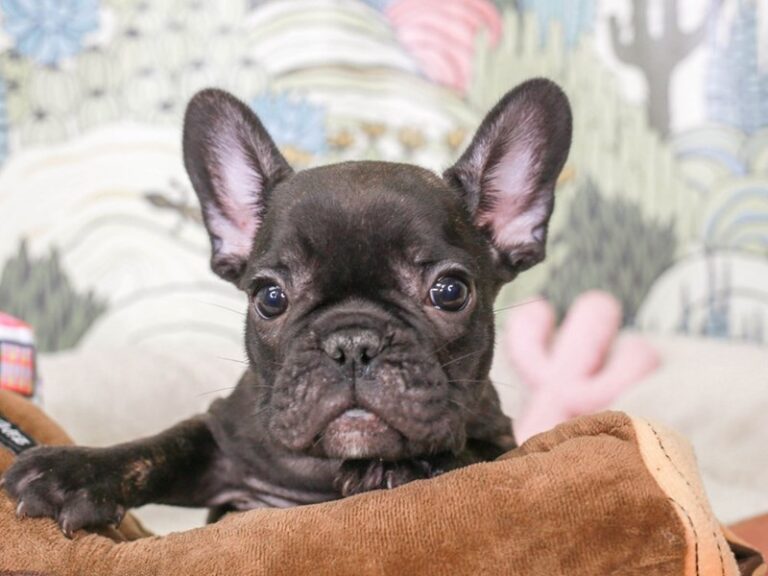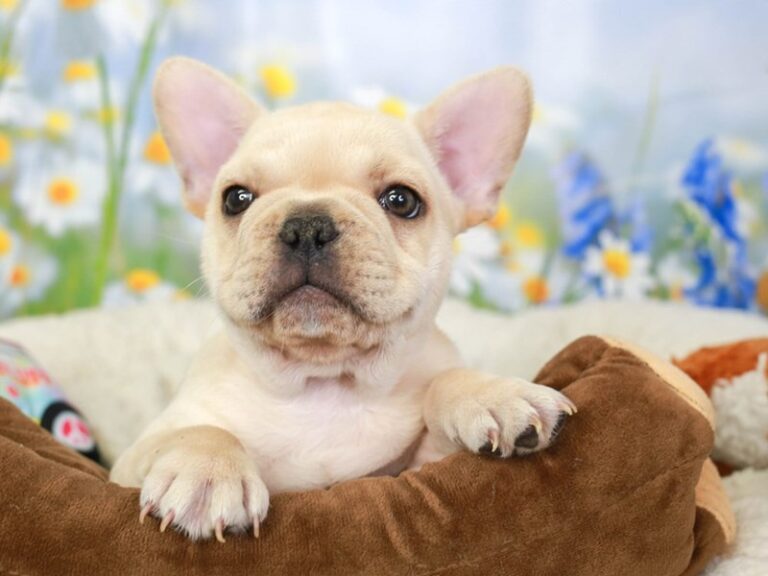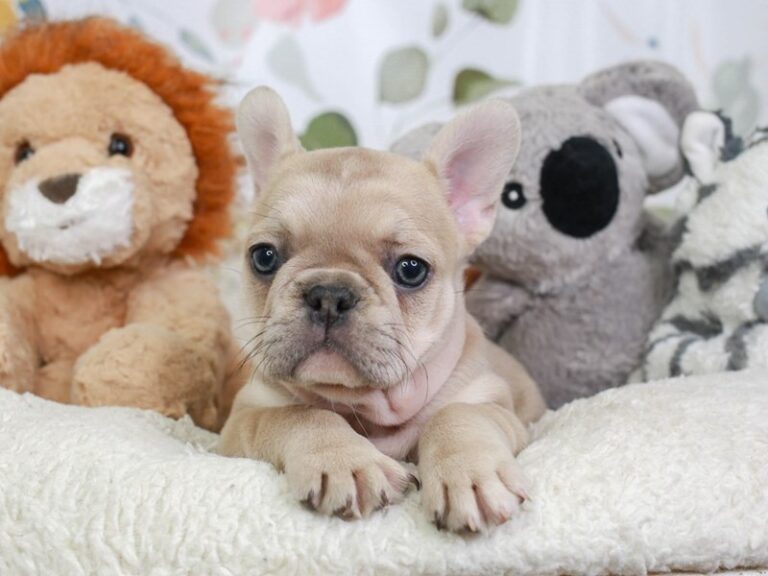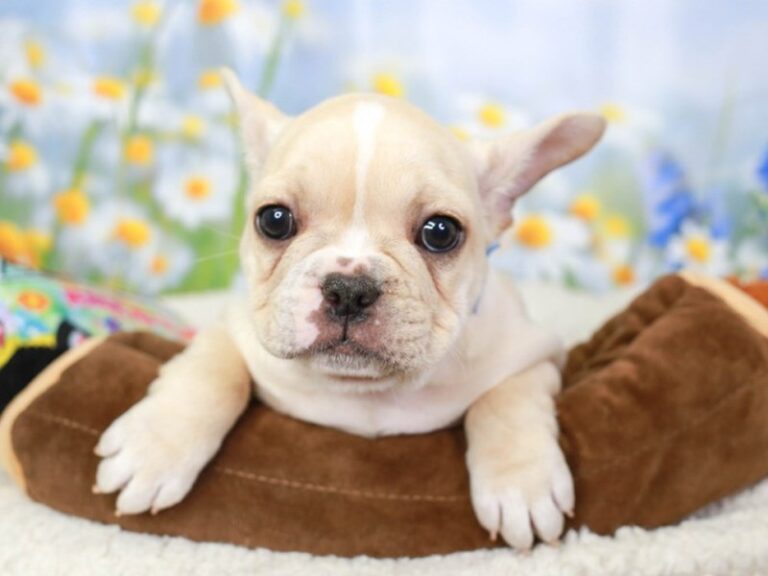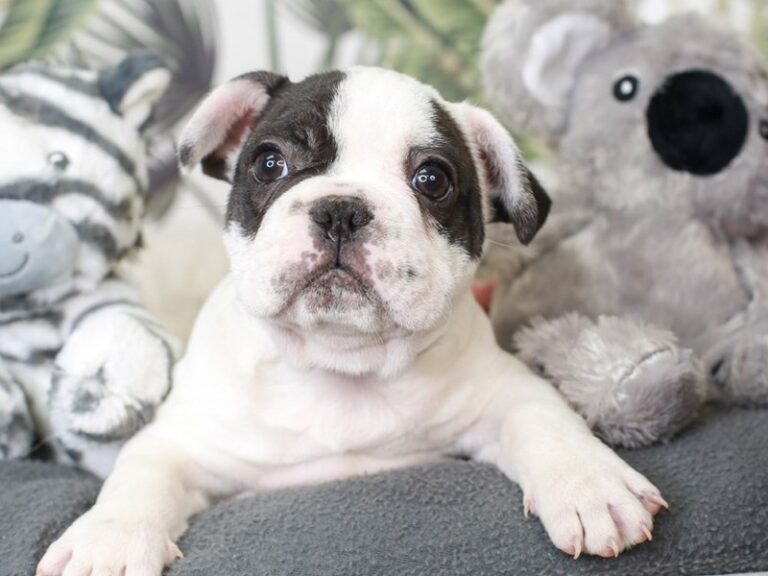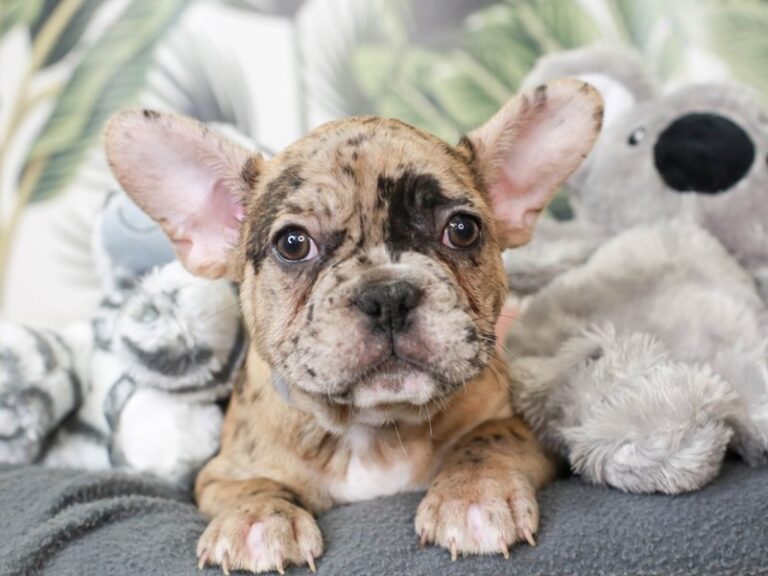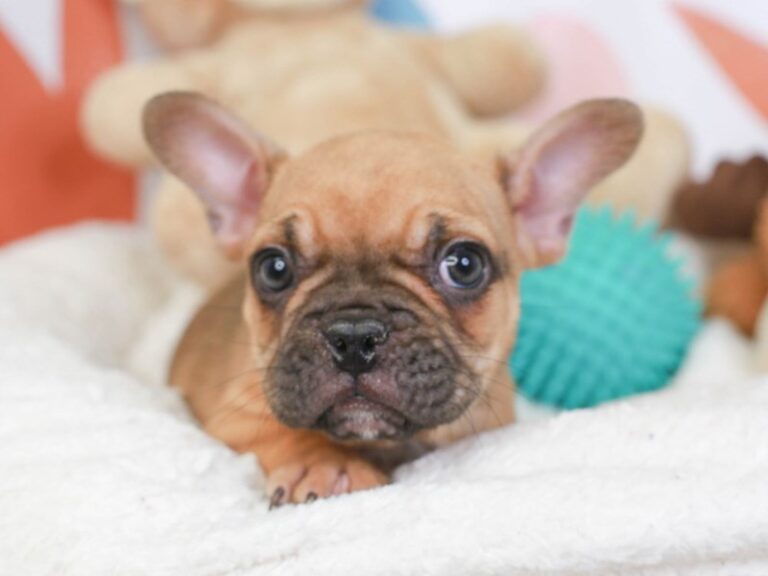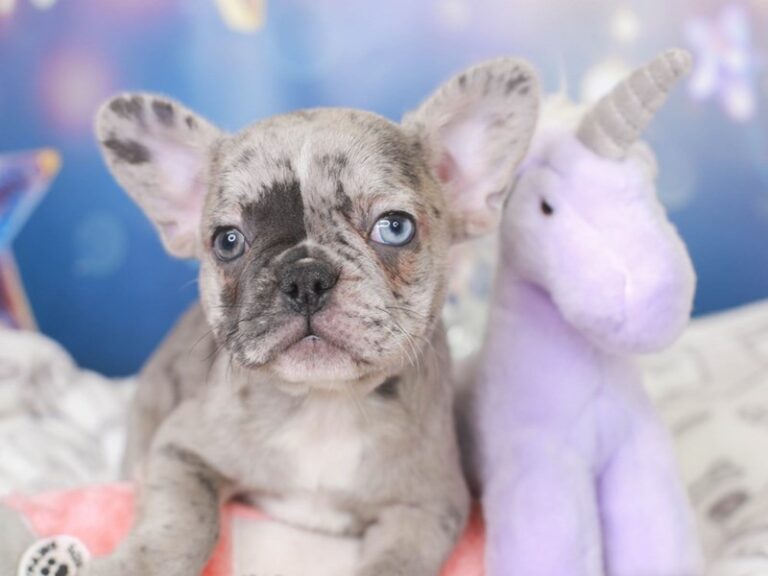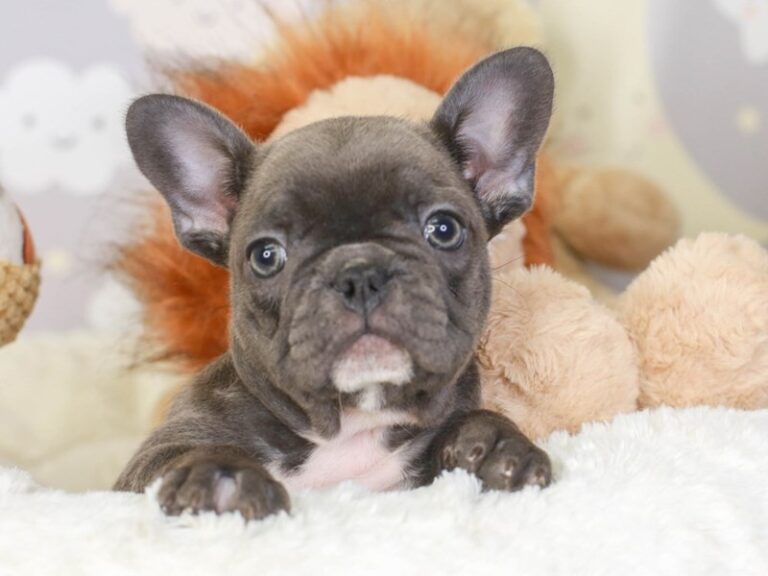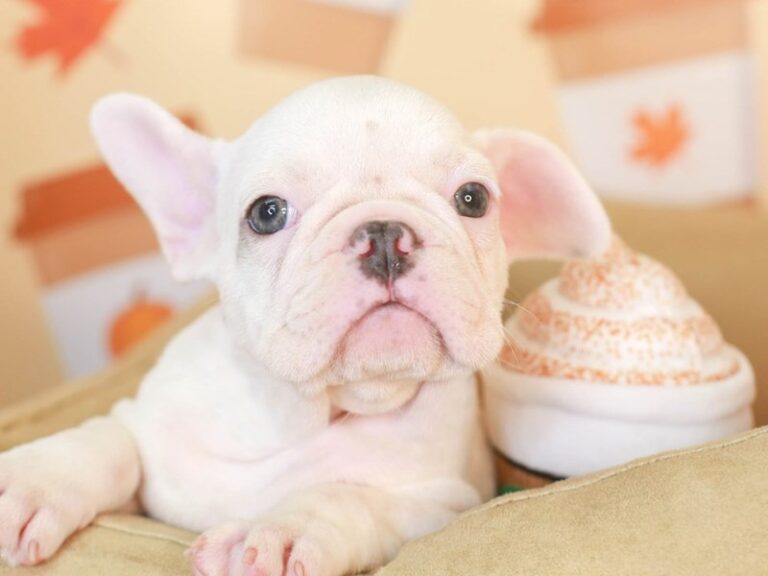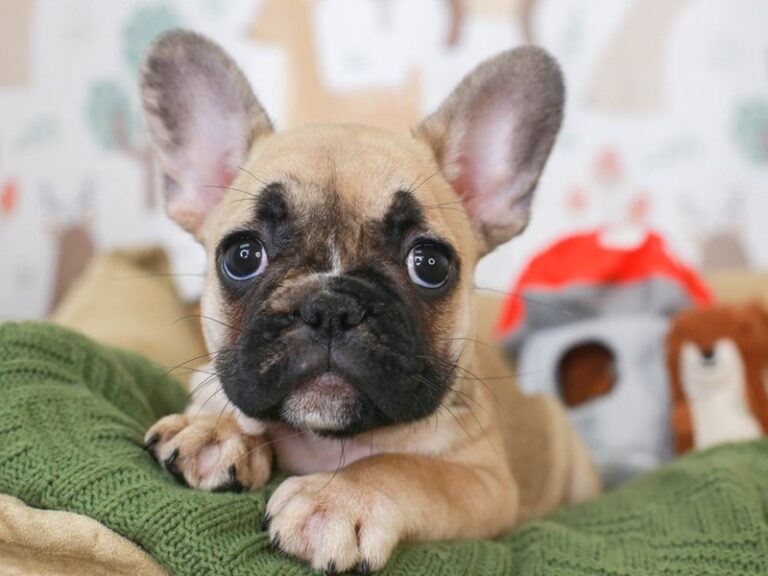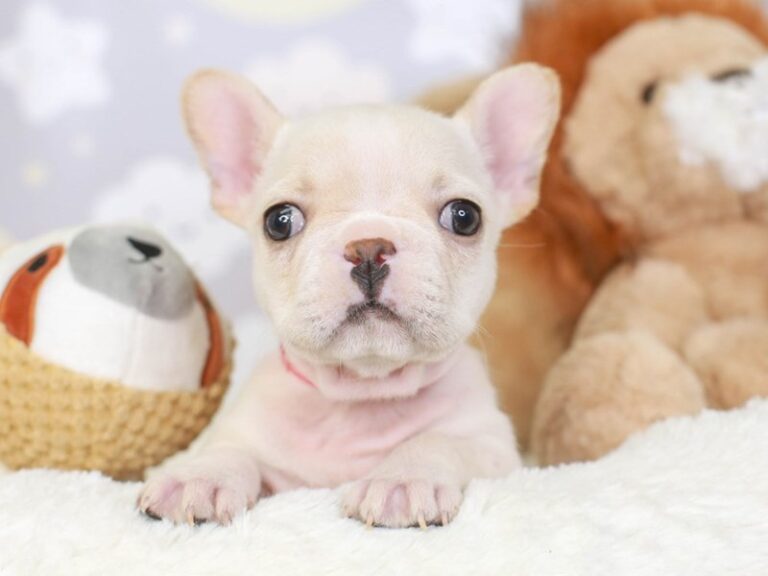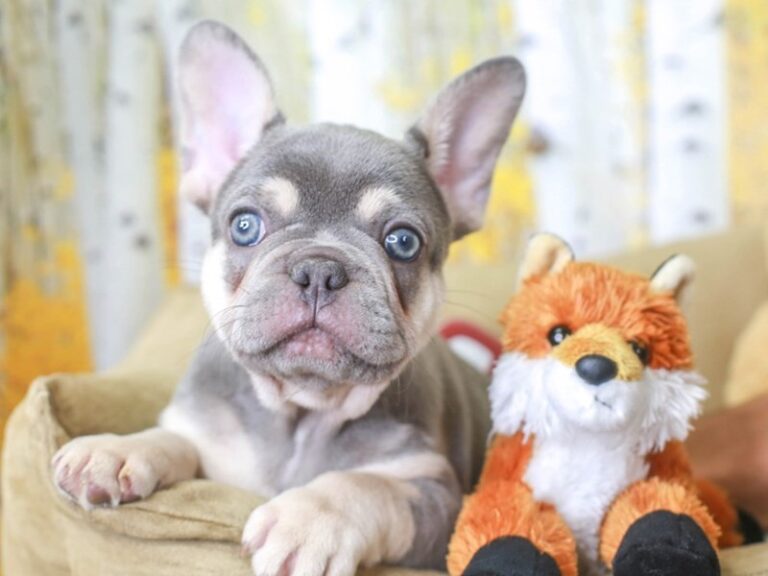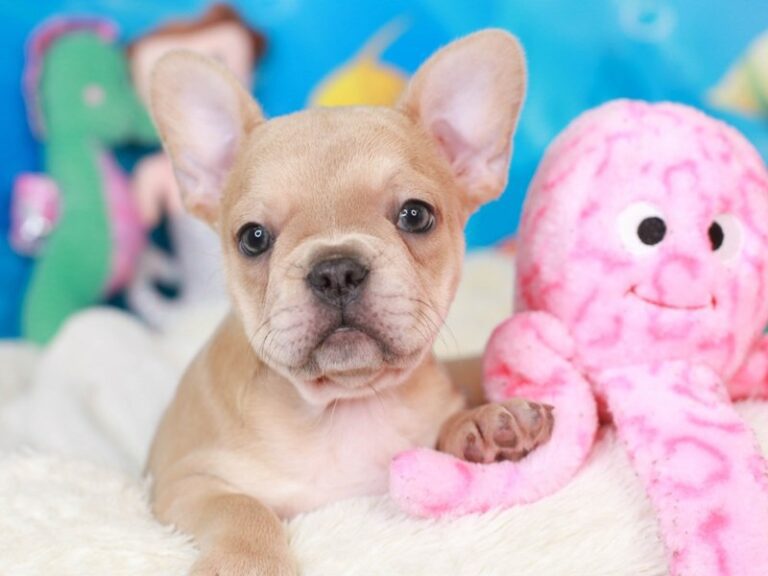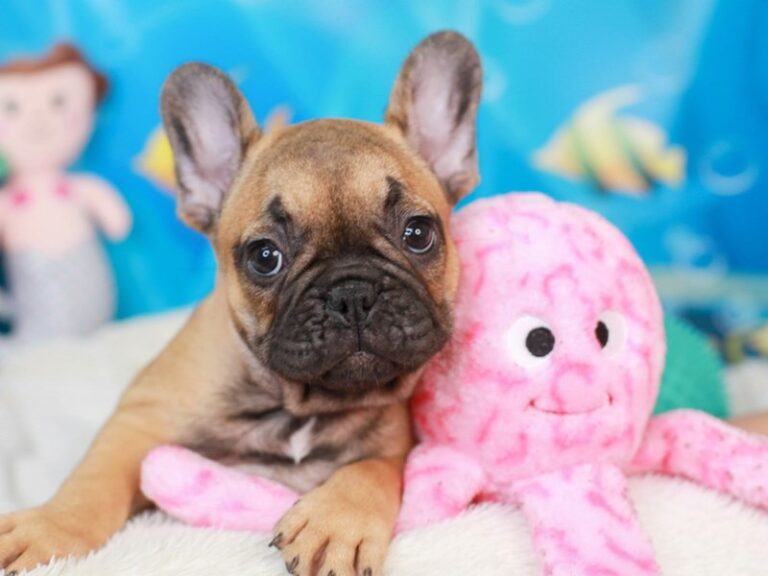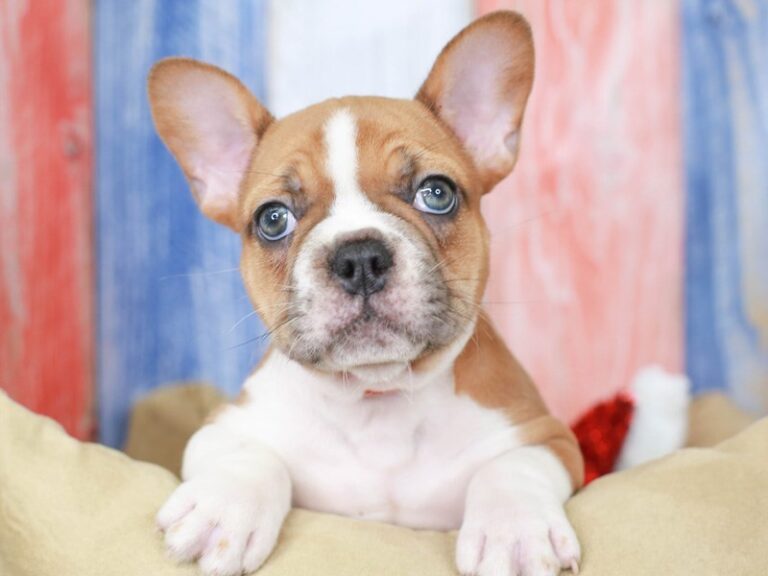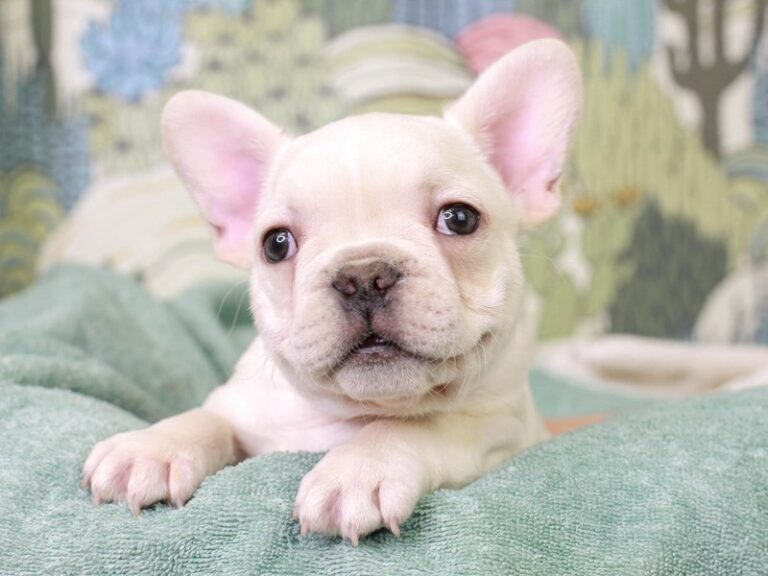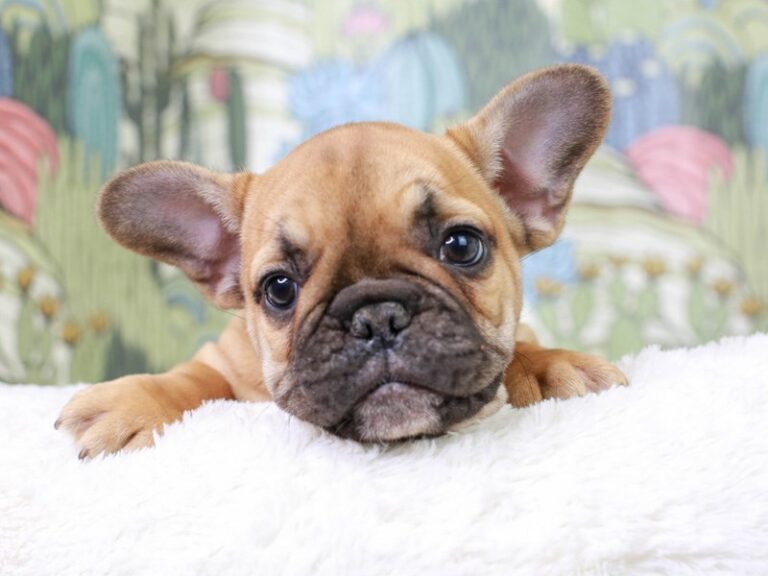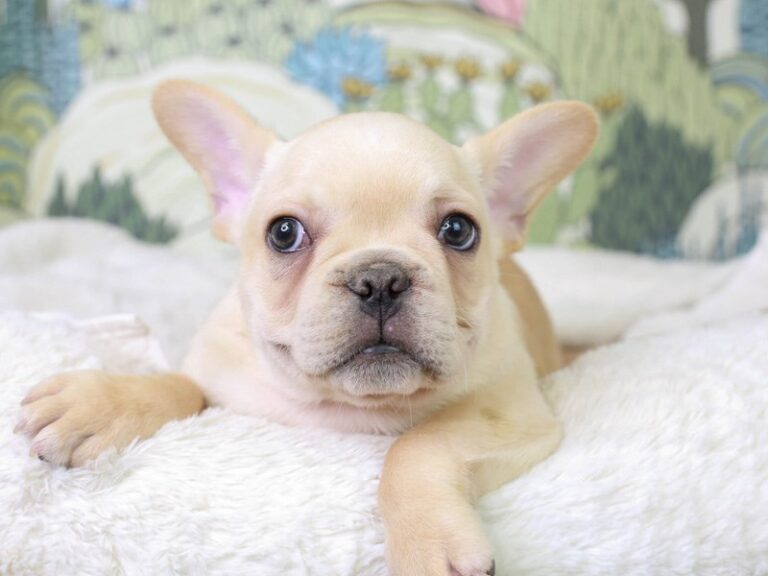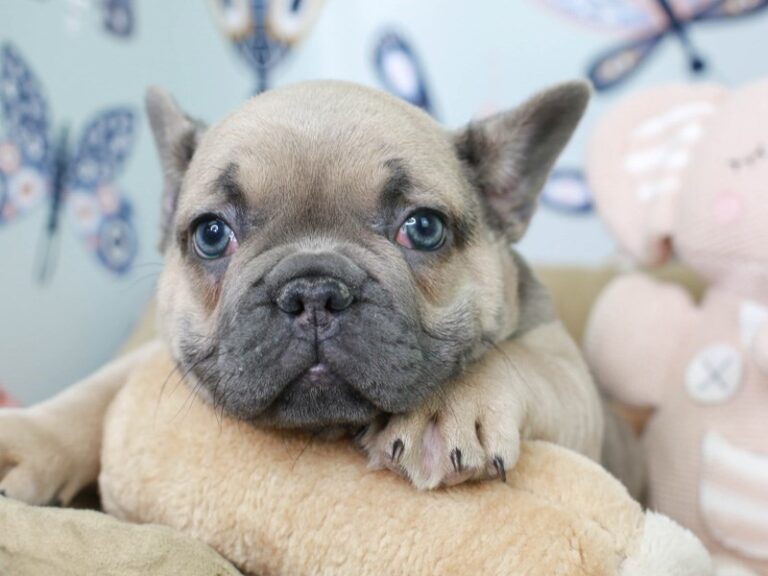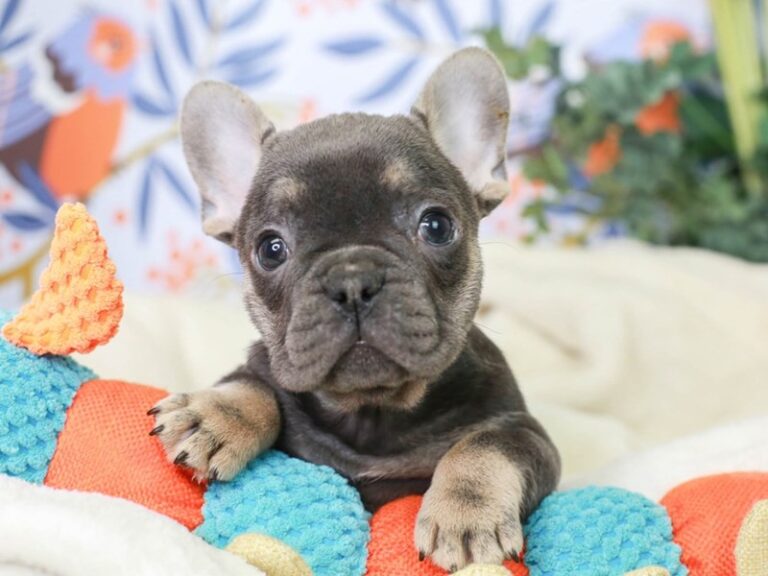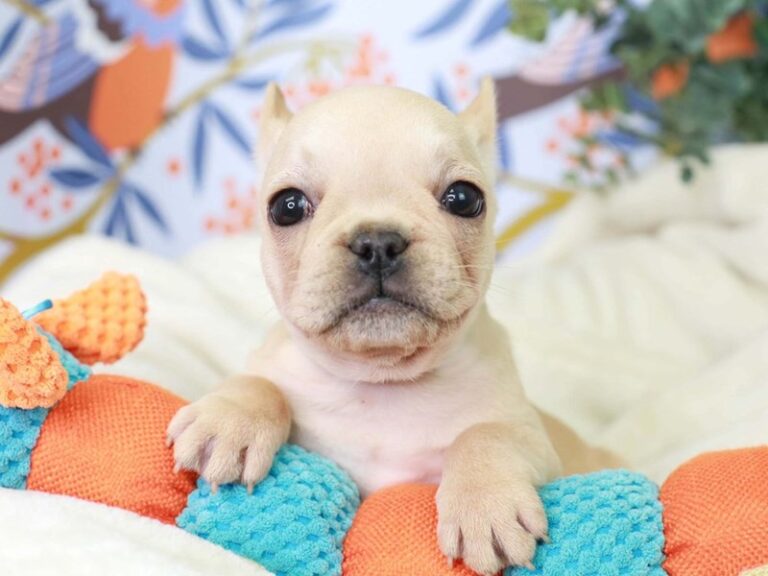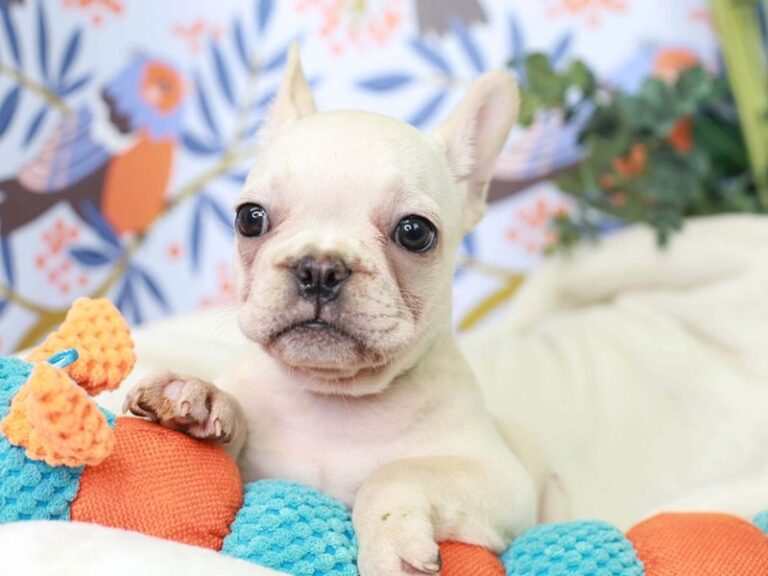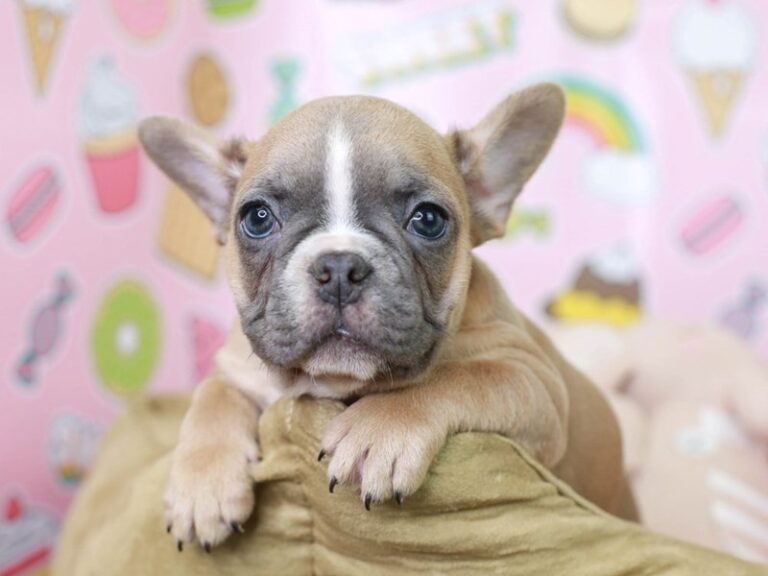
History
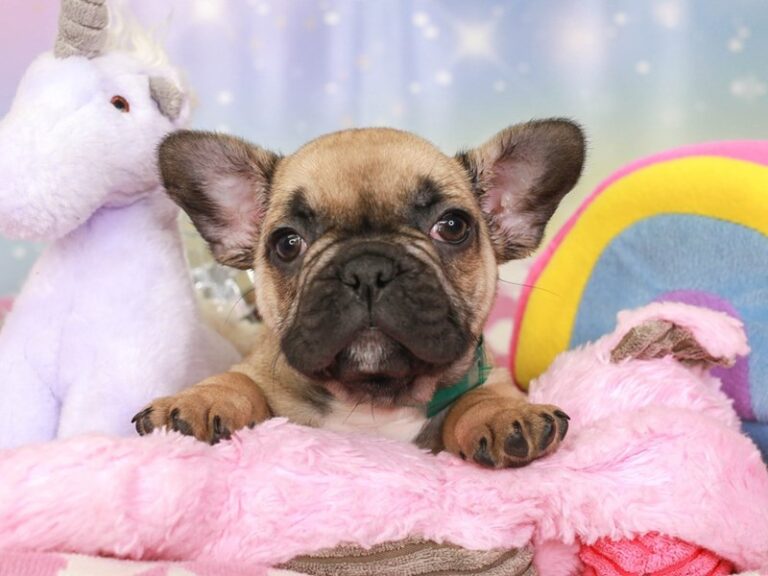
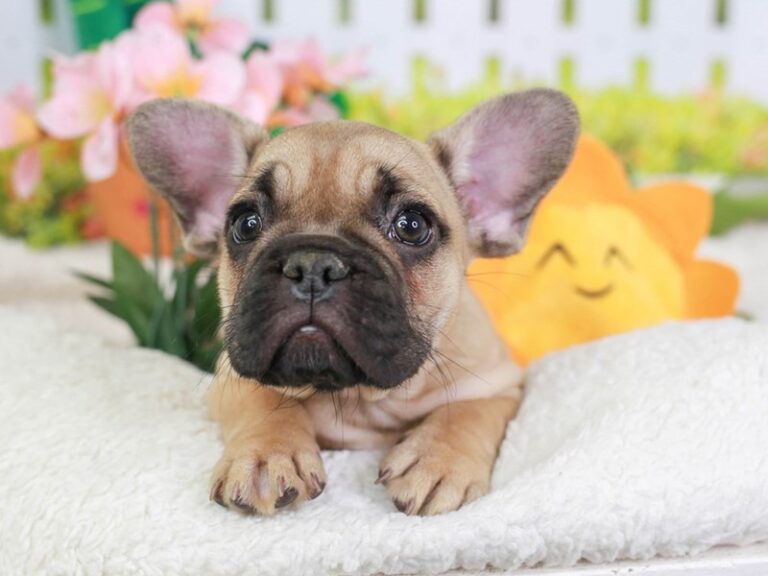
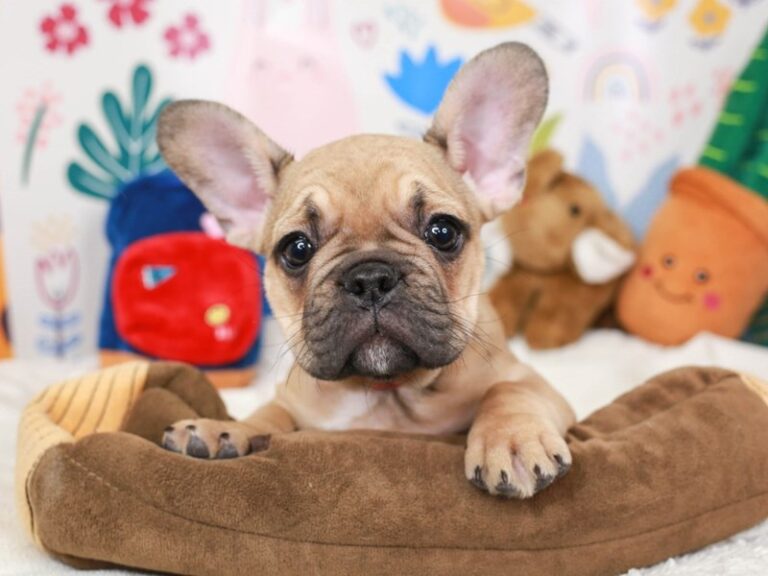
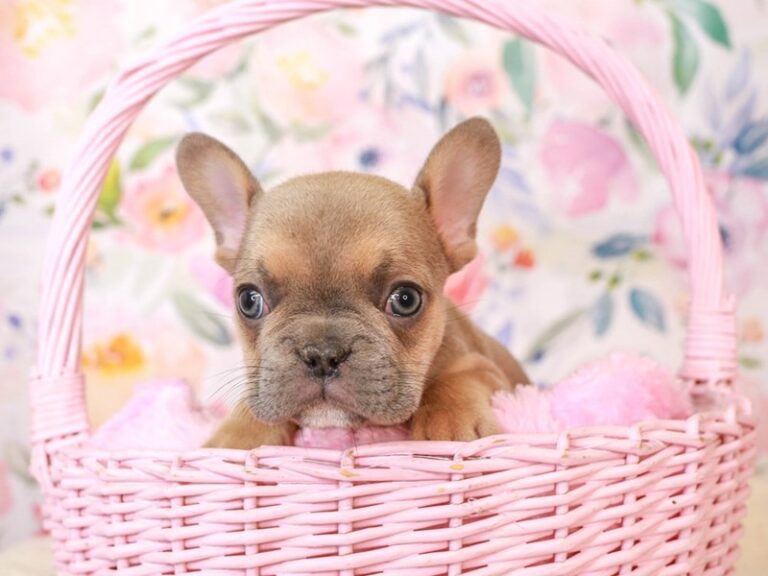
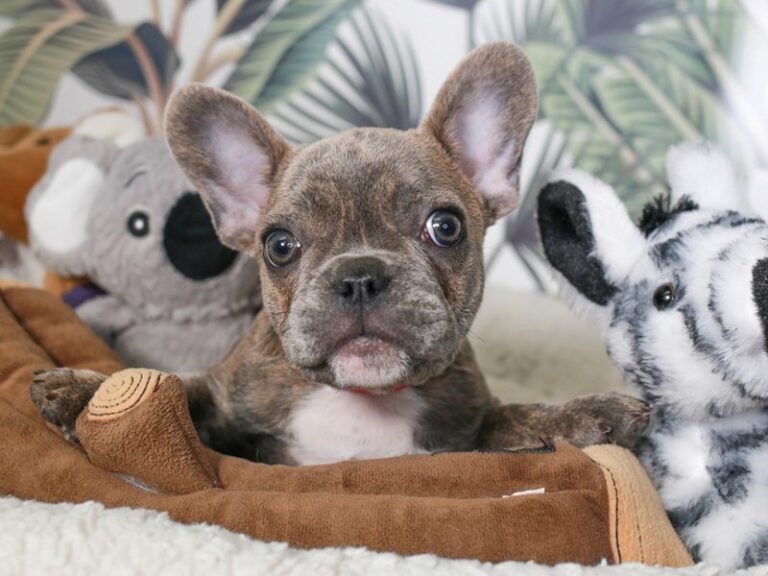
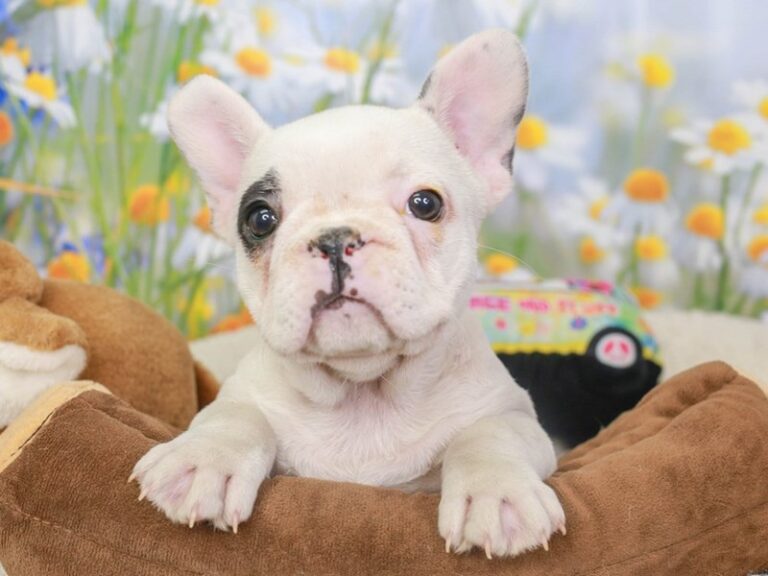
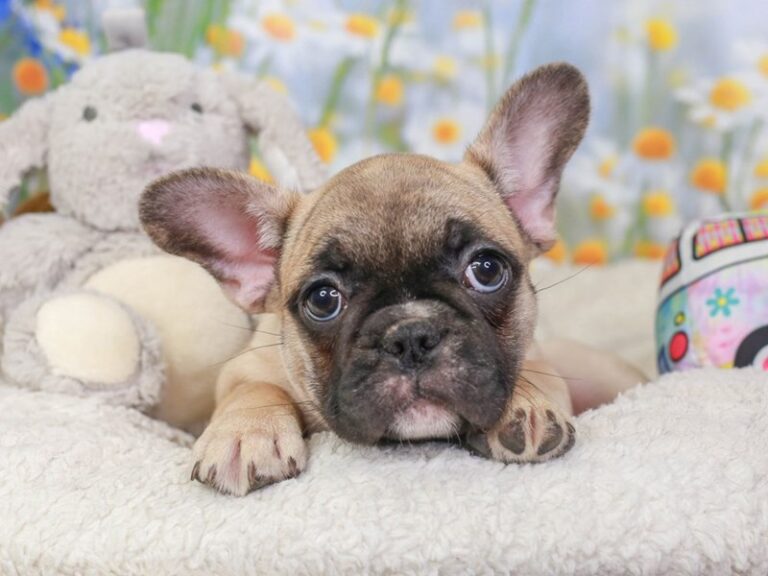
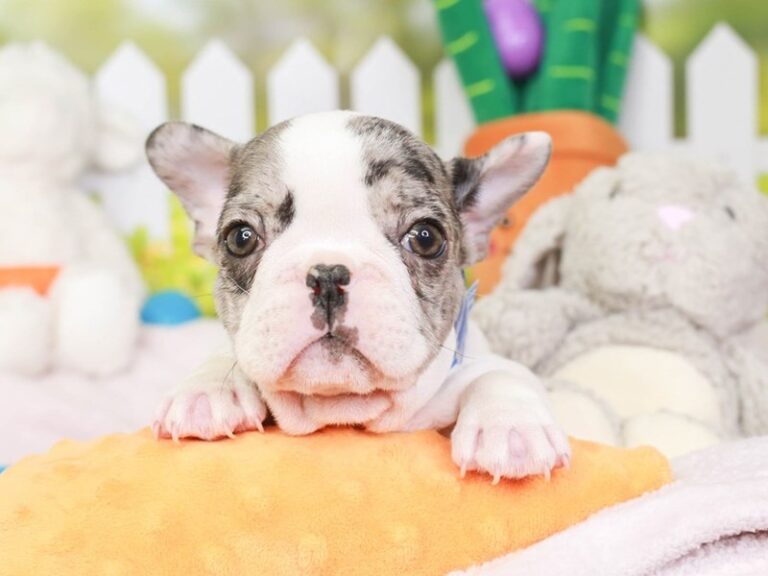
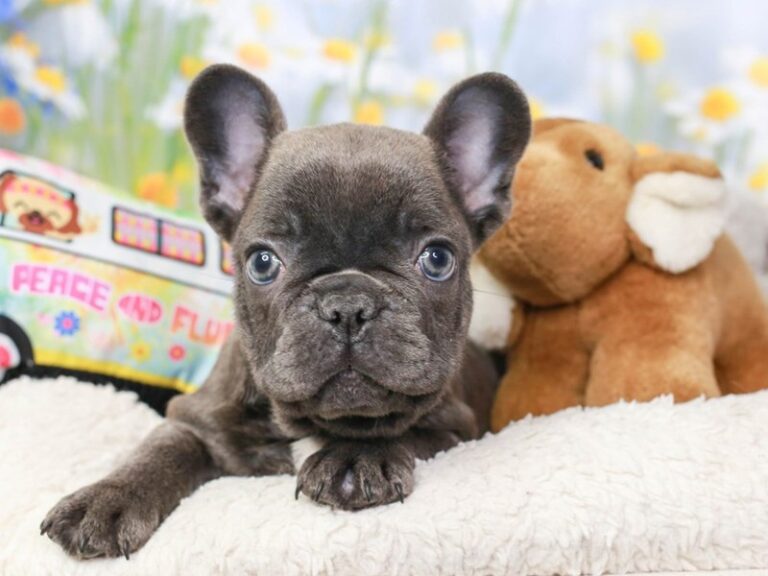
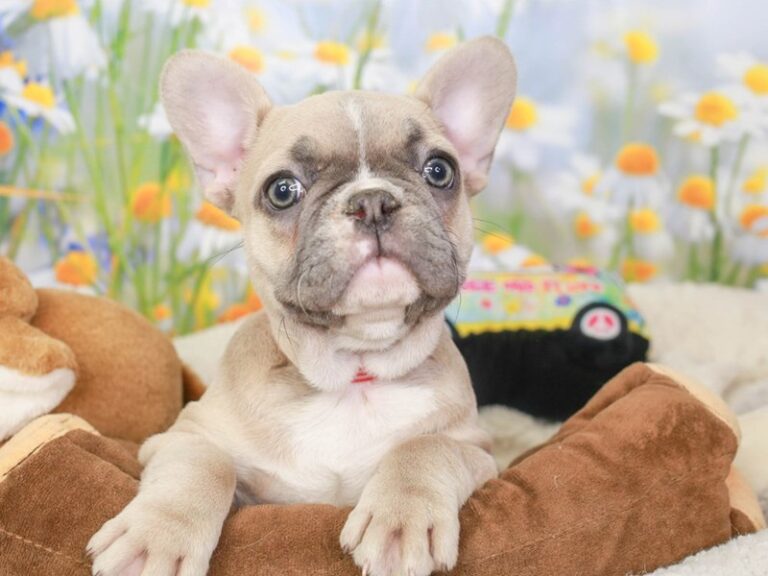
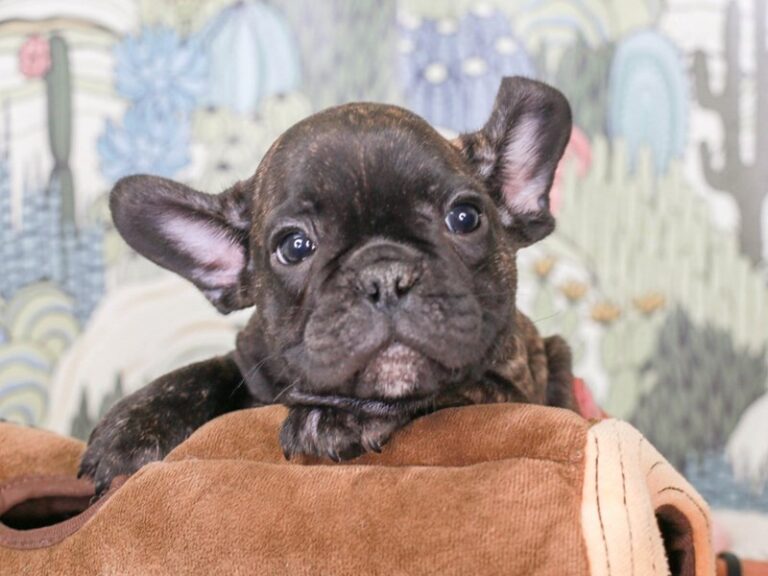
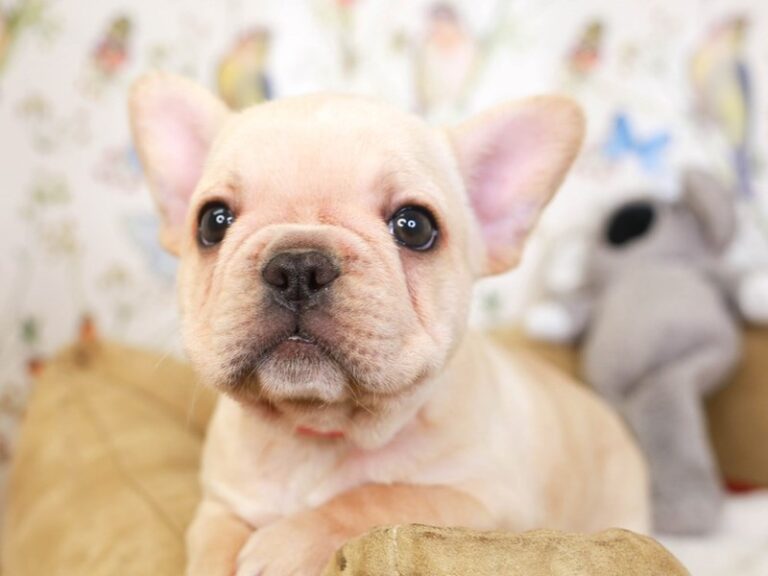
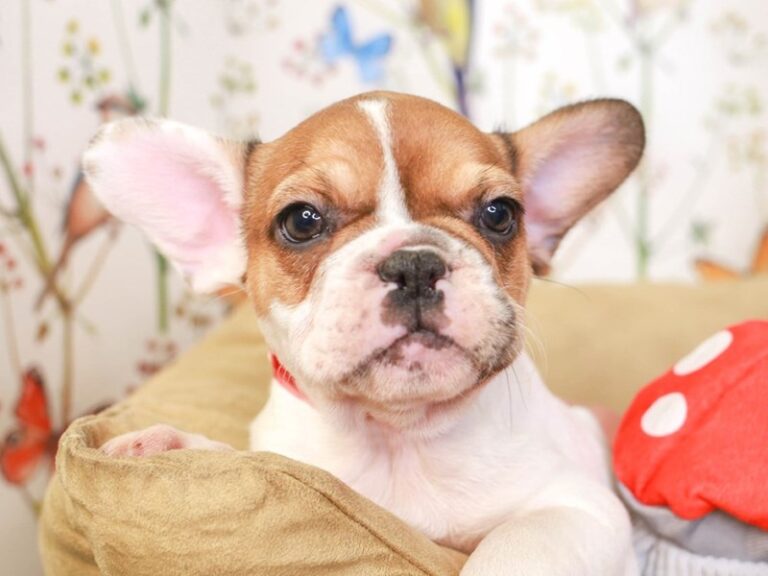
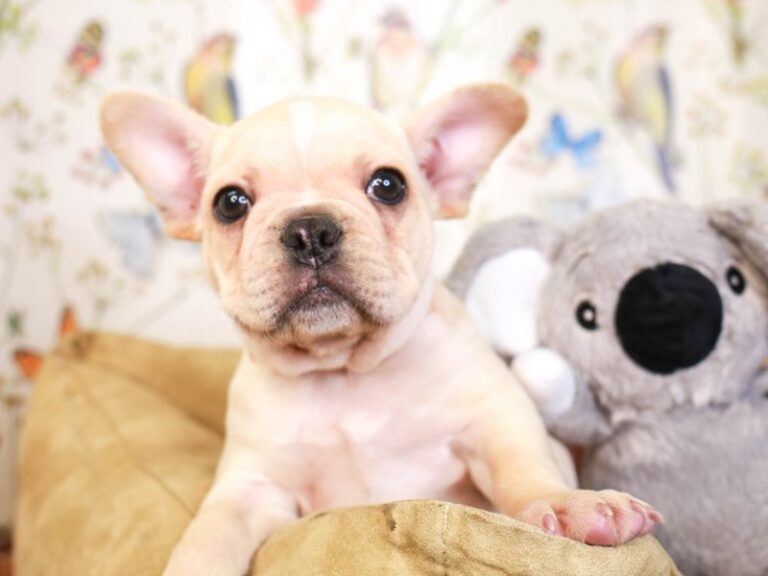
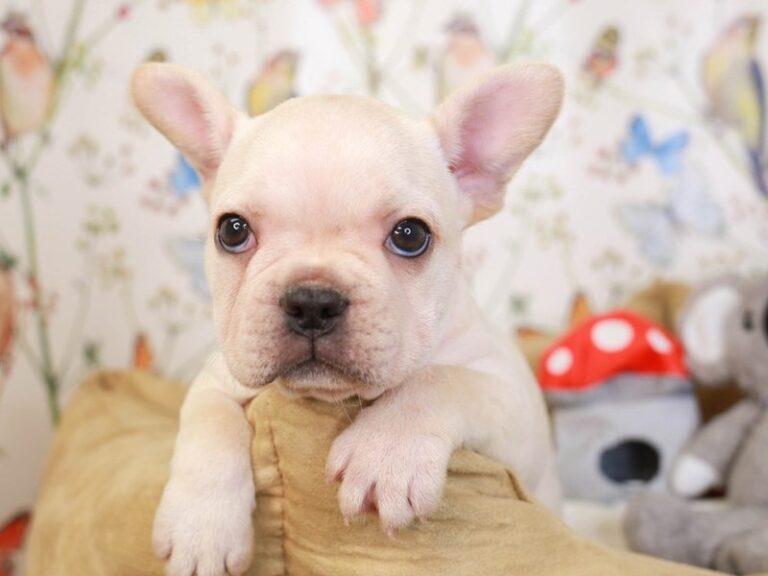
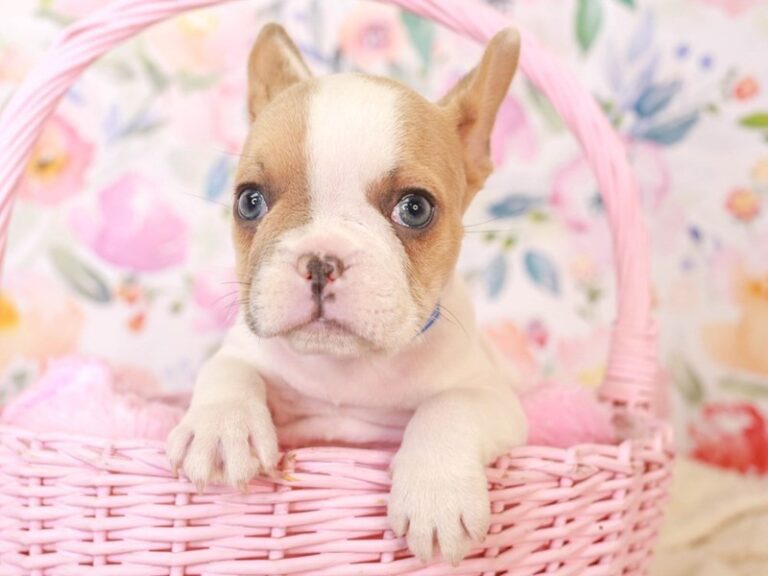
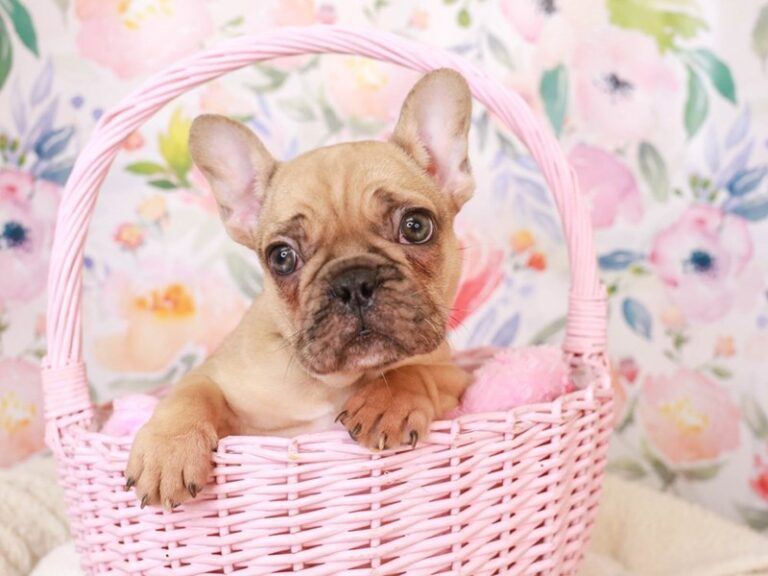
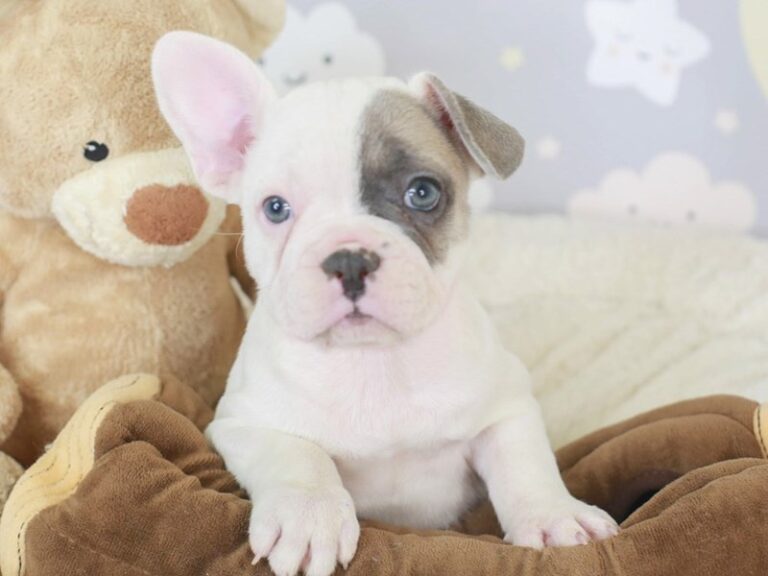
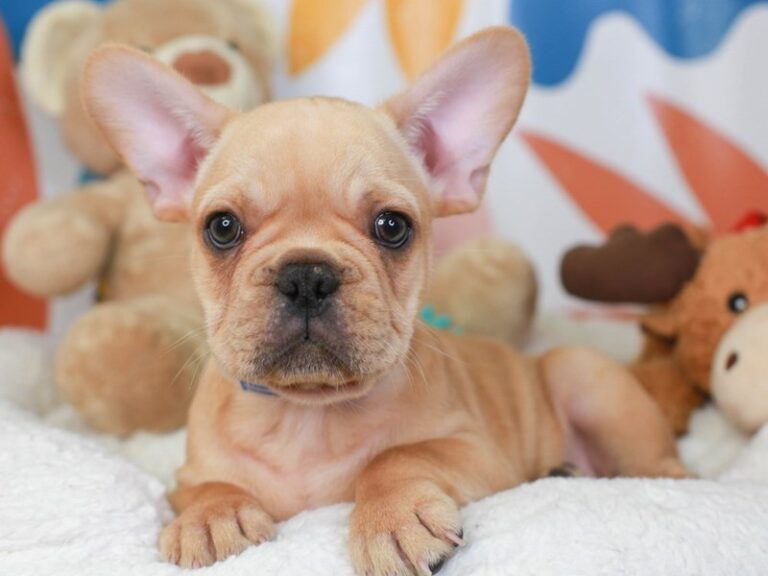
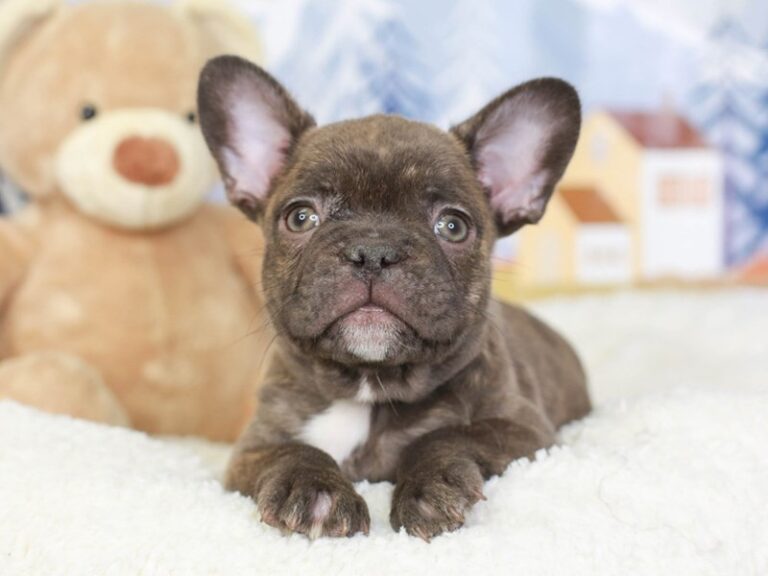
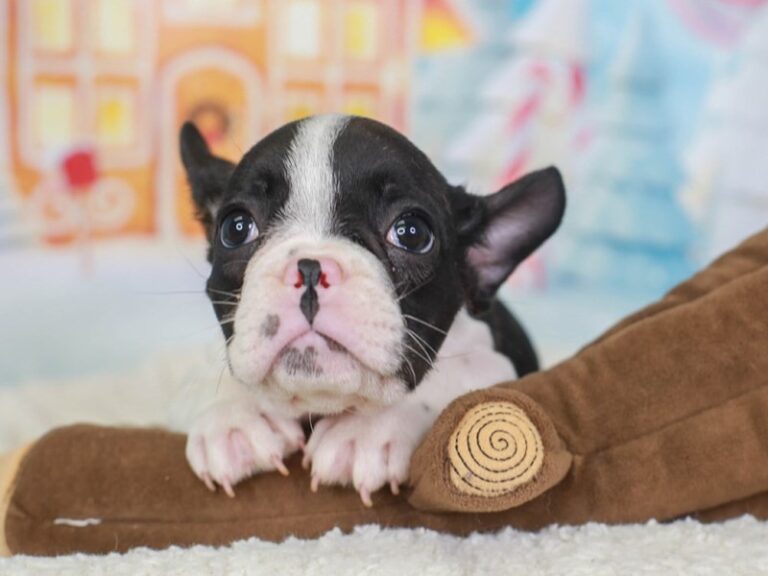
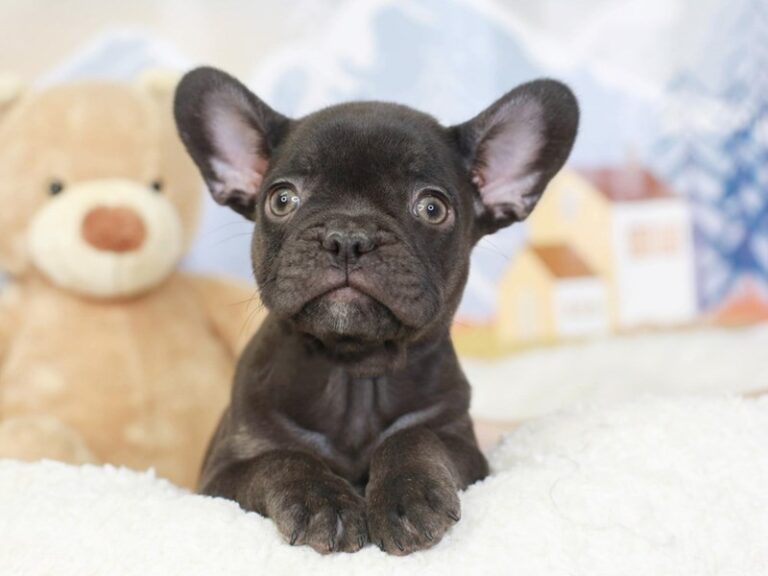
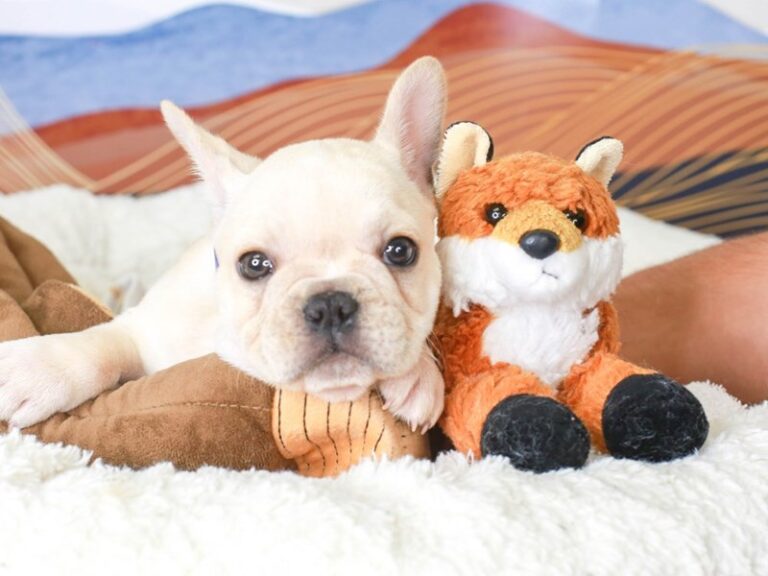
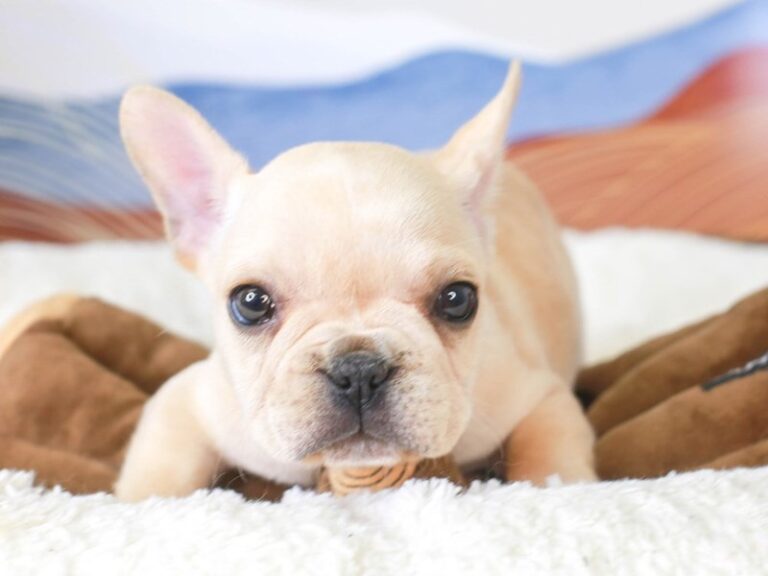
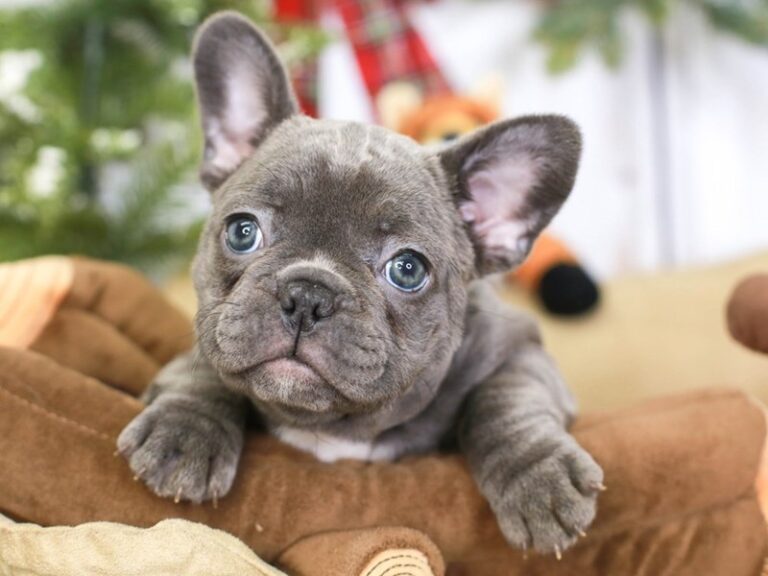
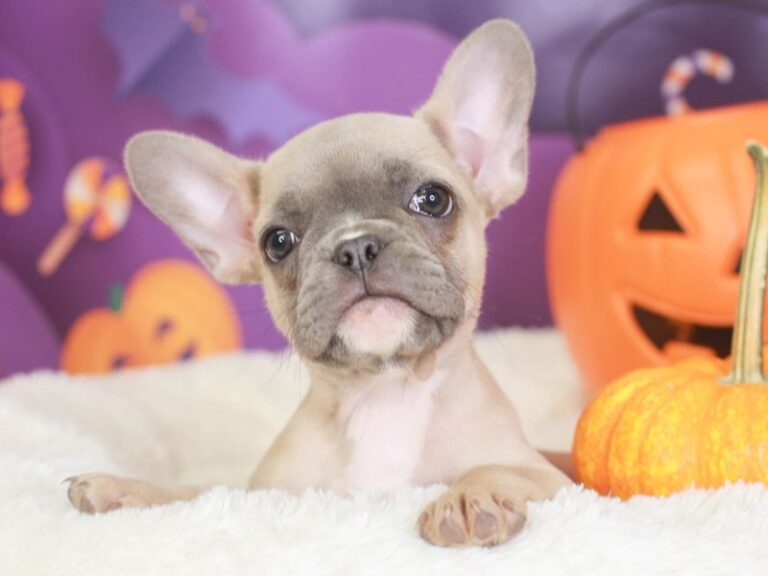
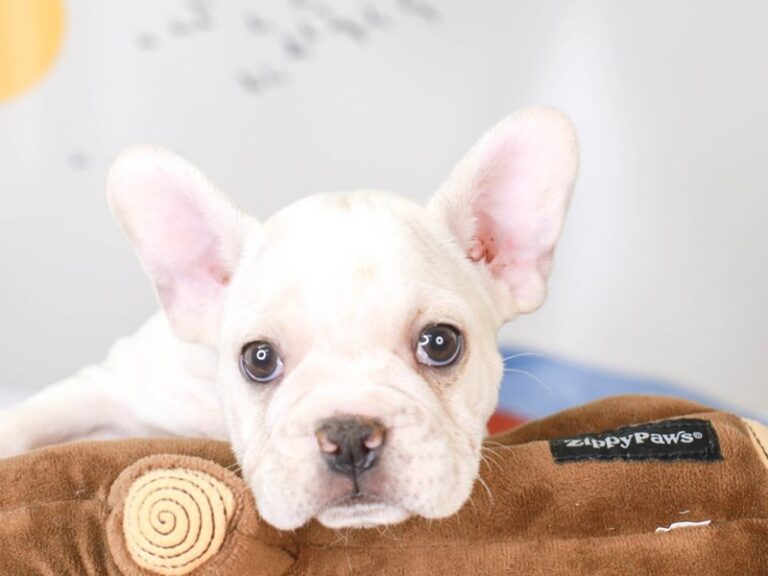
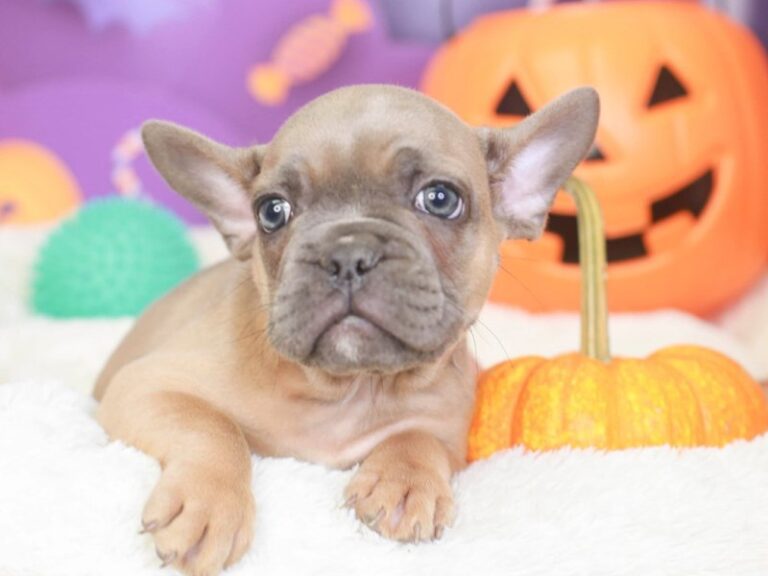
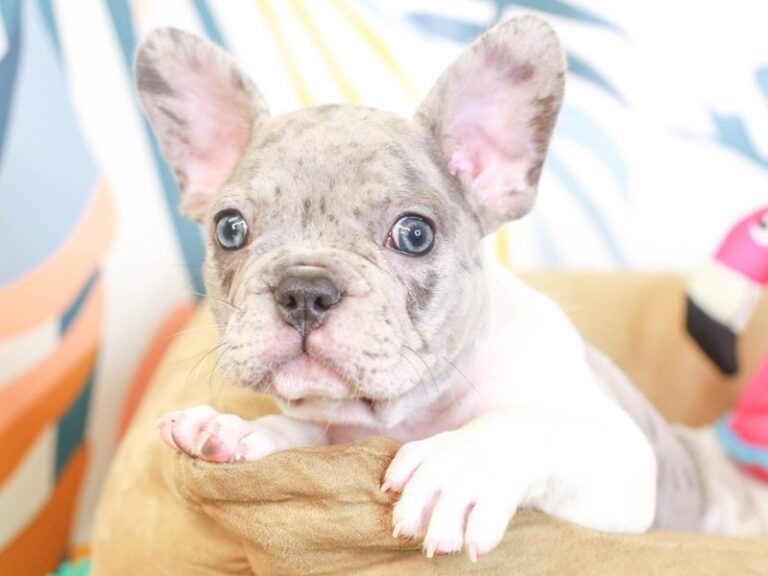
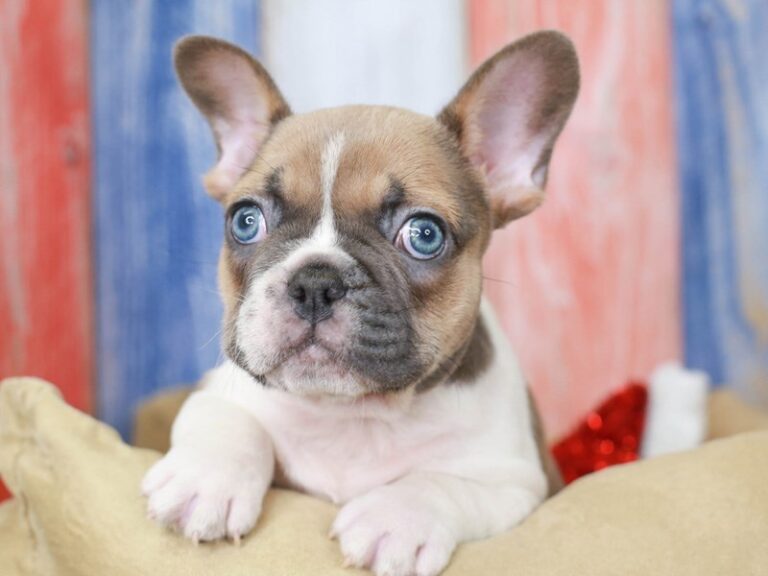
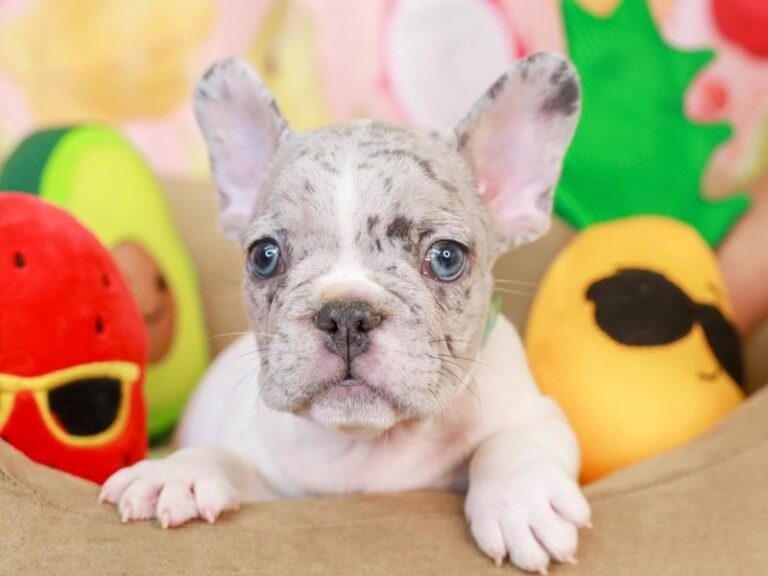
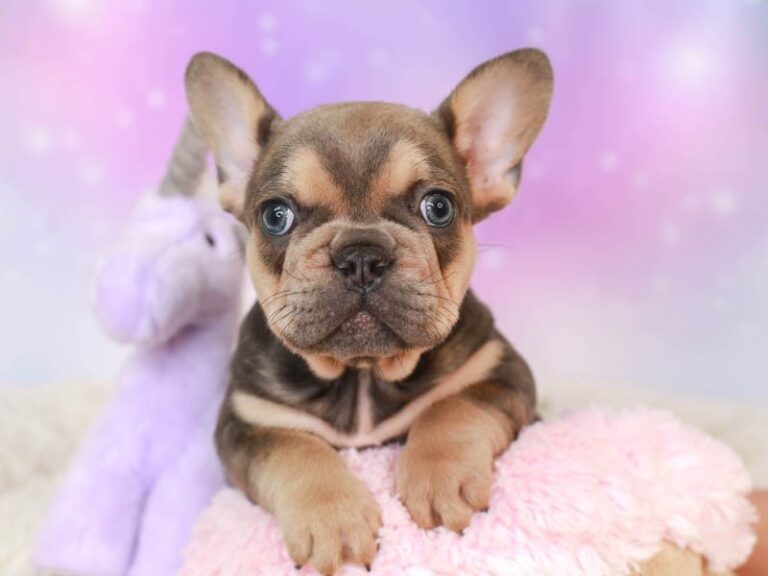
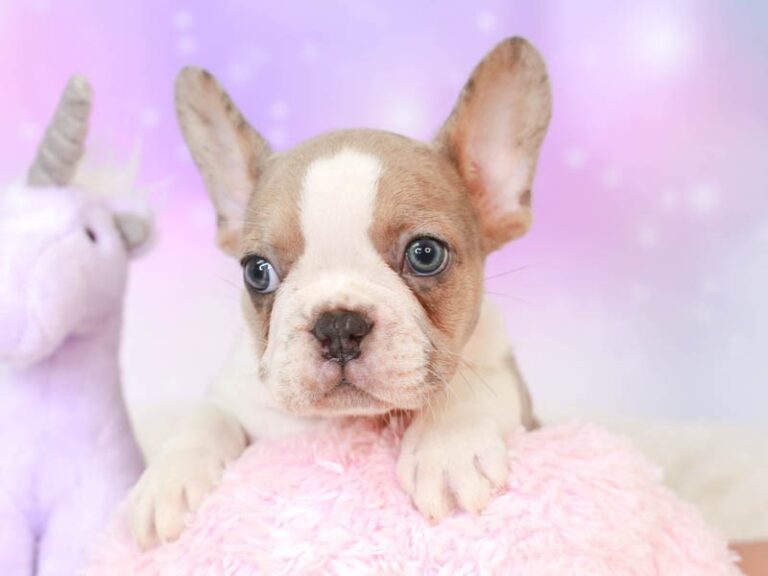
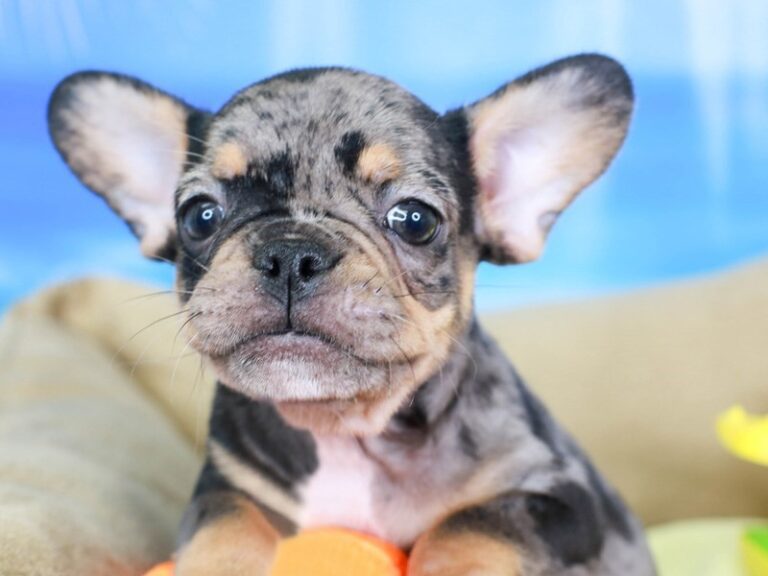
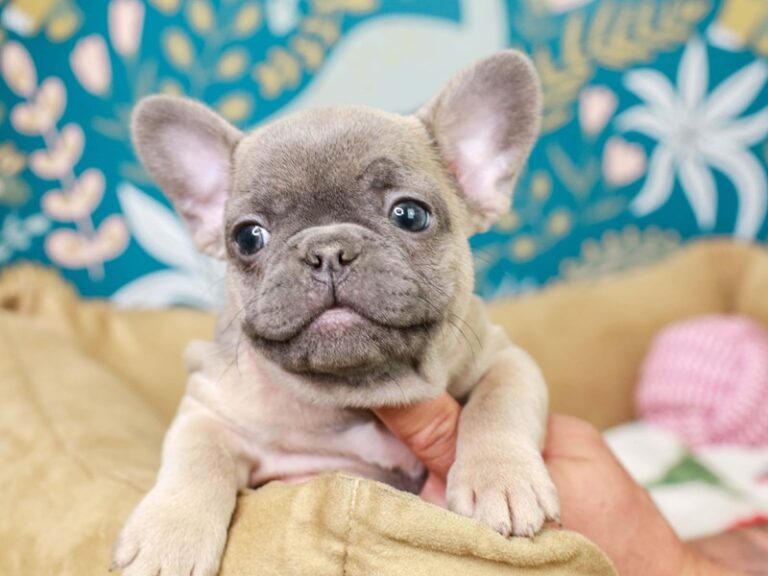
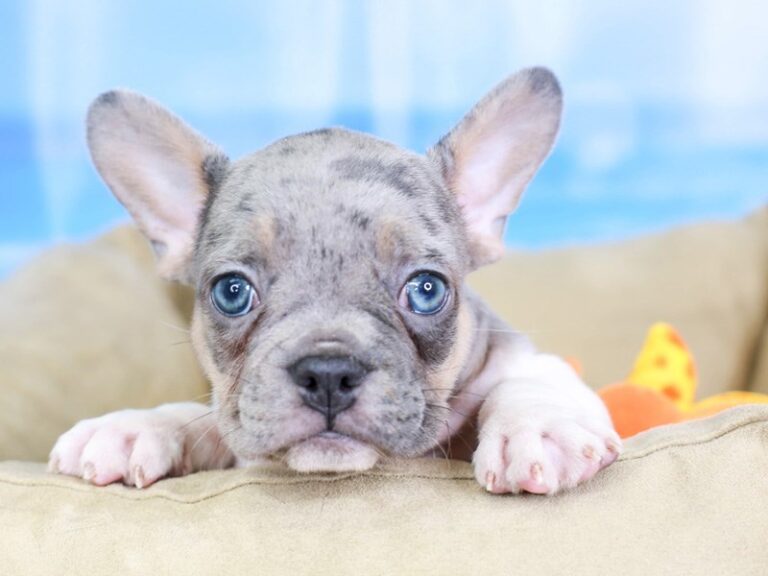
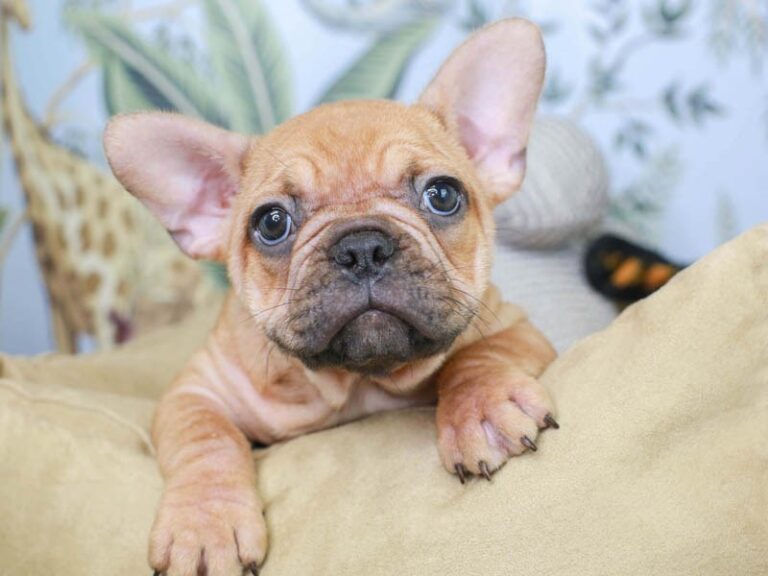
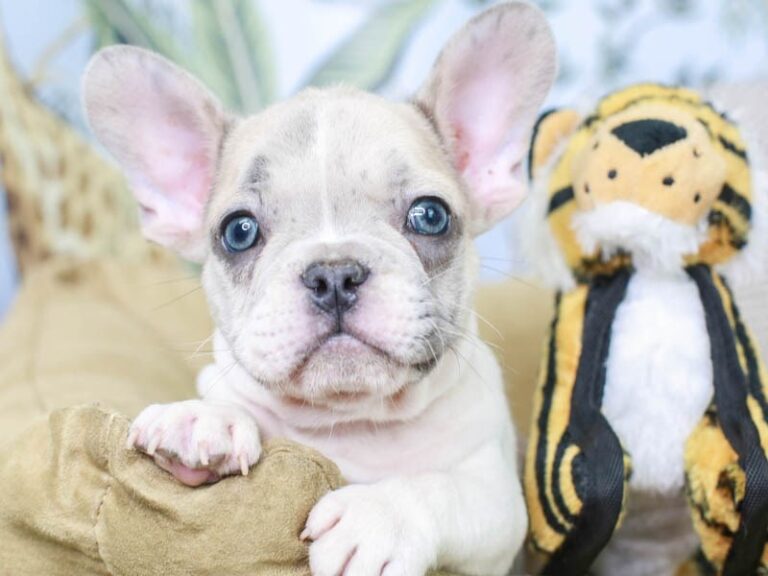
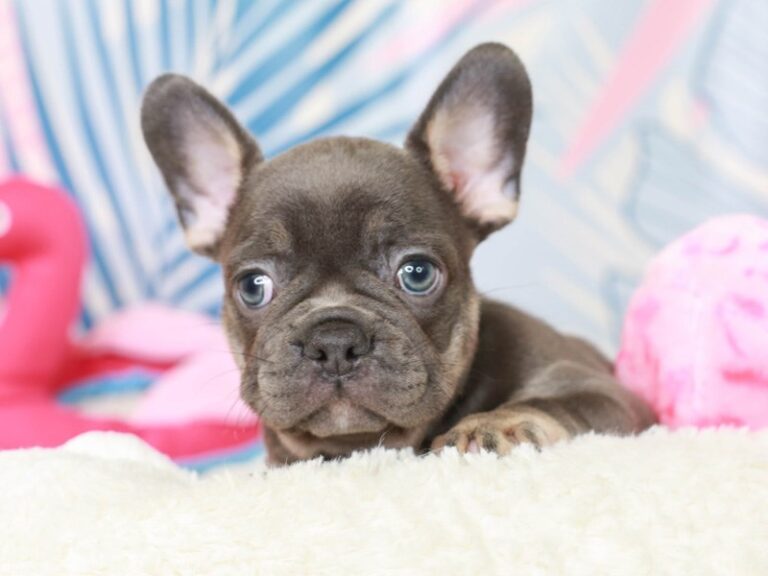
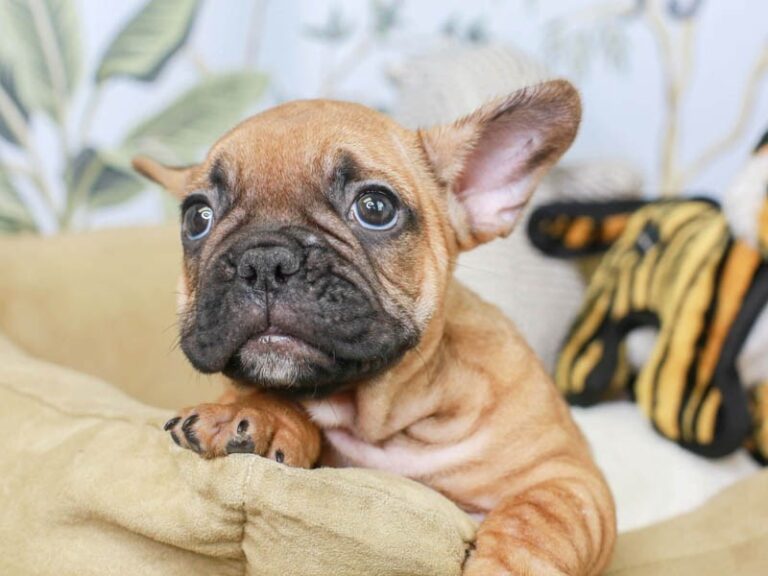
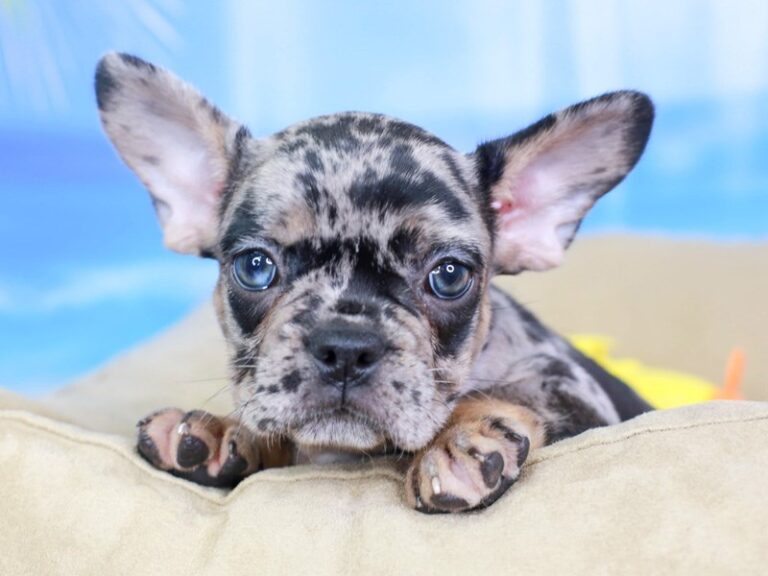
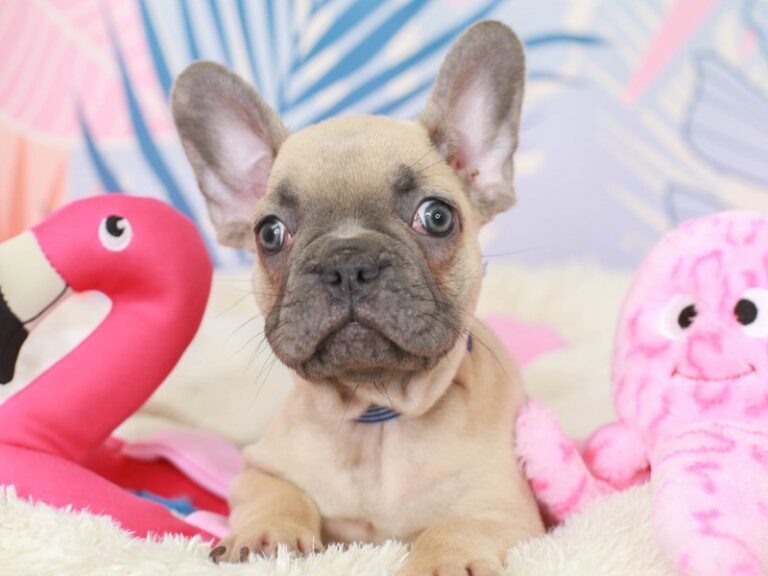
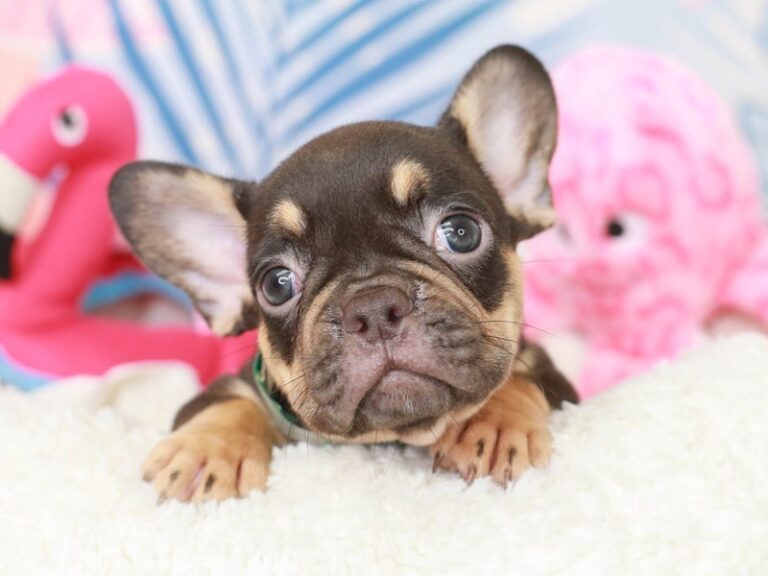
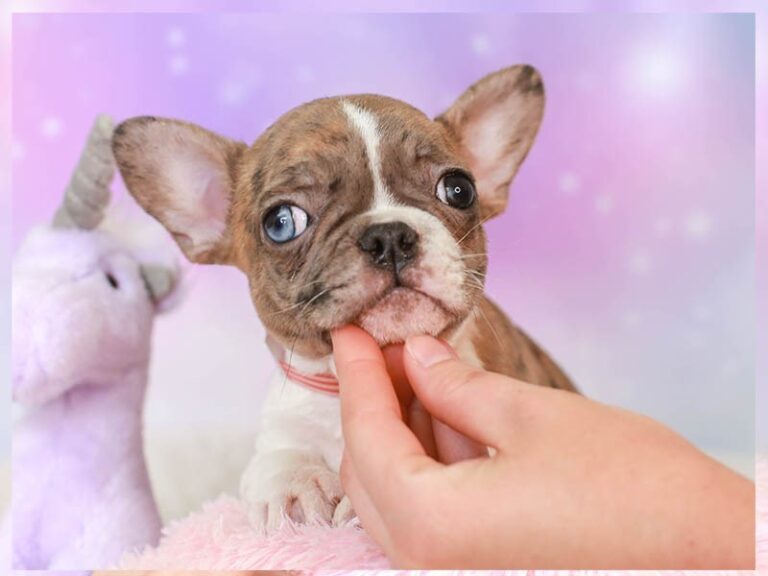
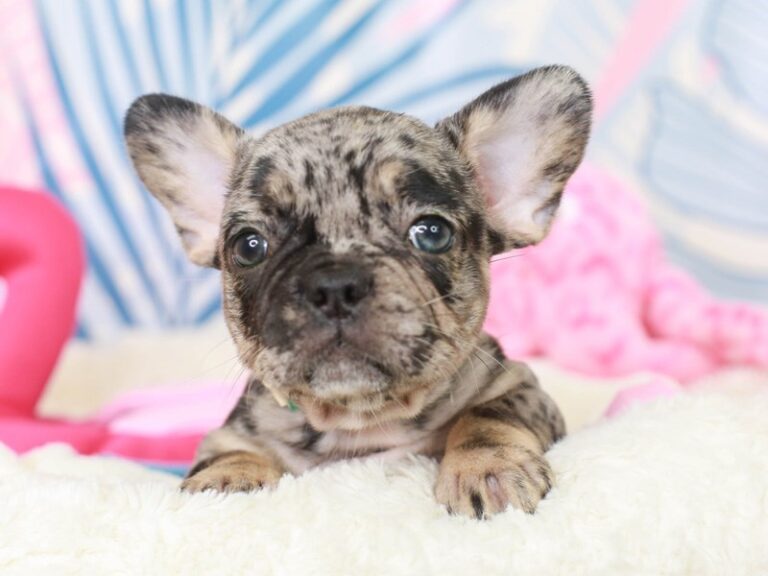
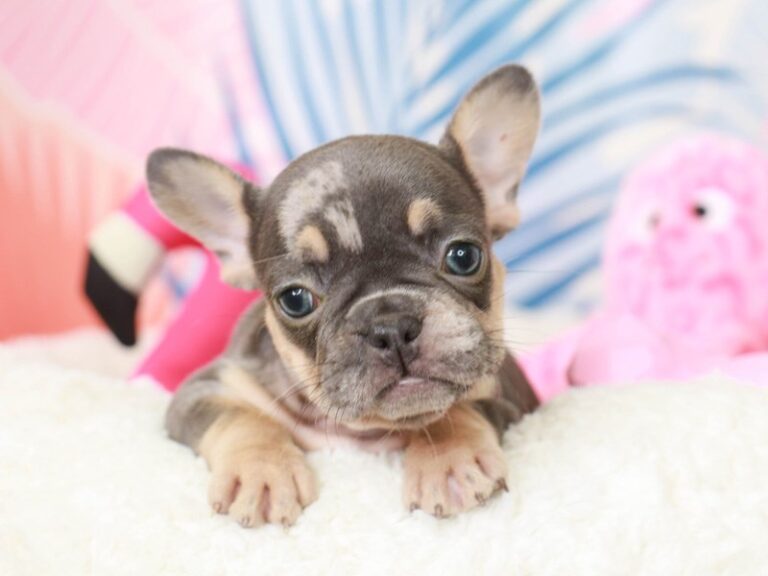
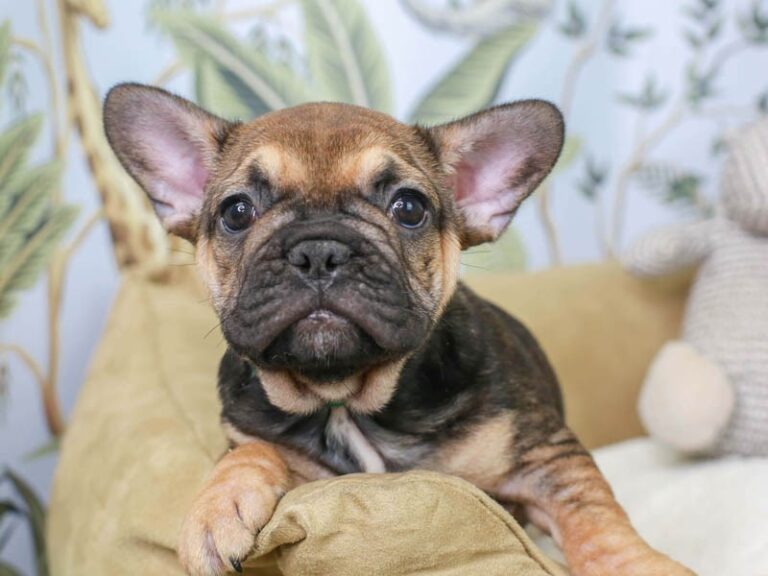
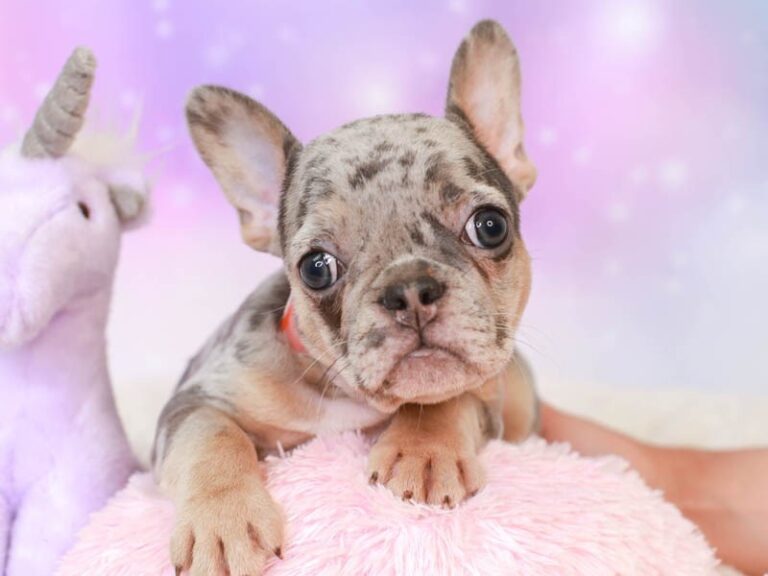
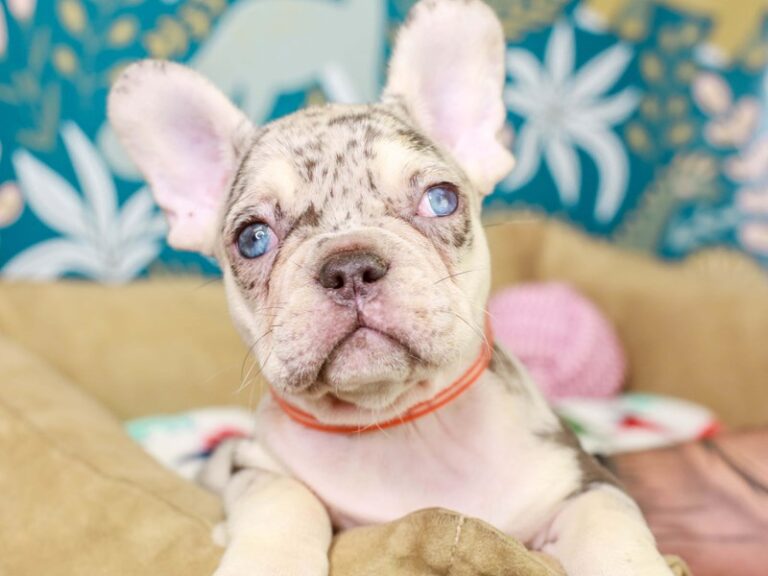
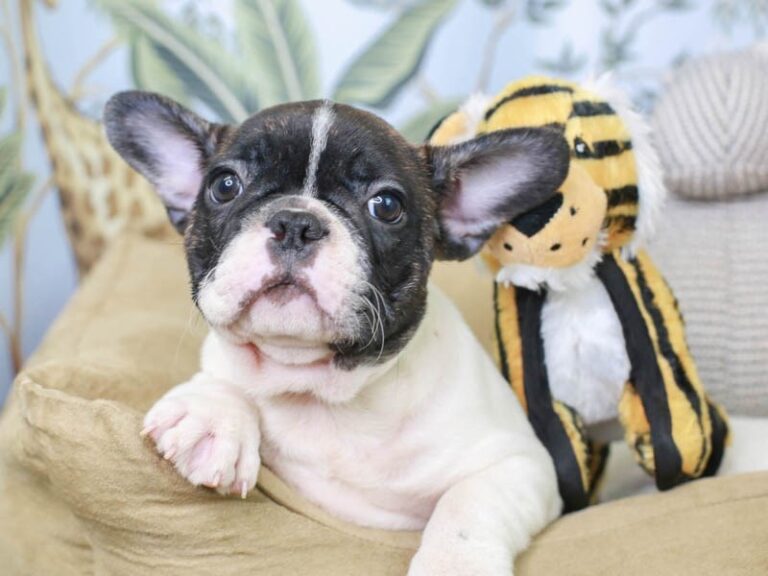
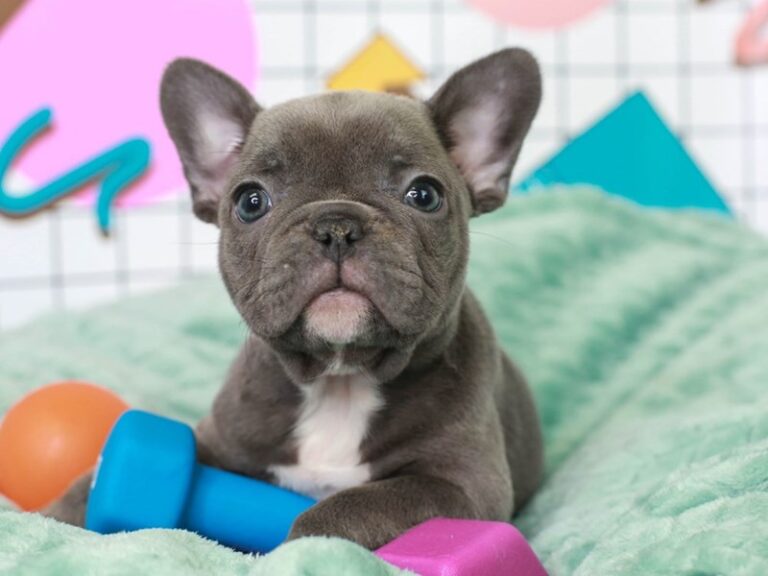
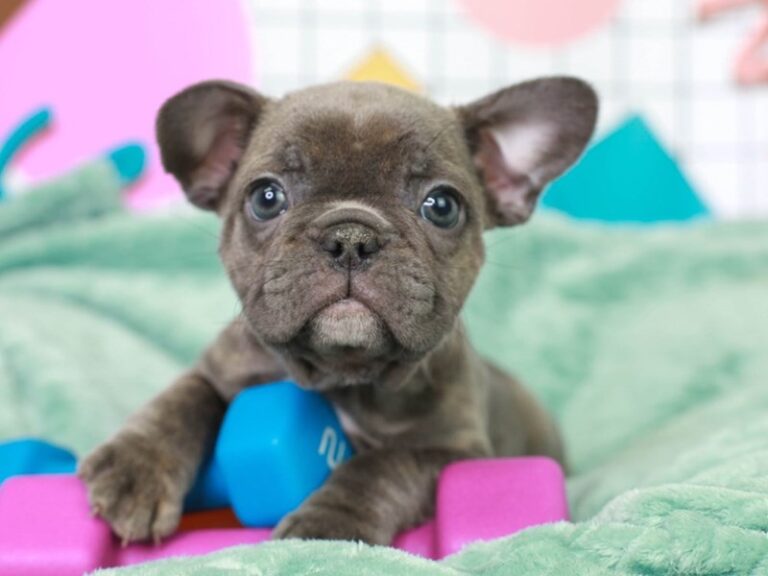
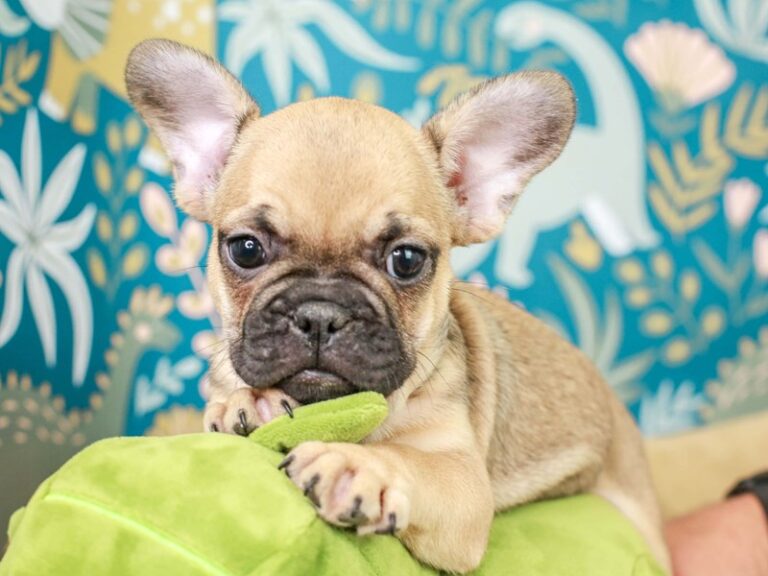
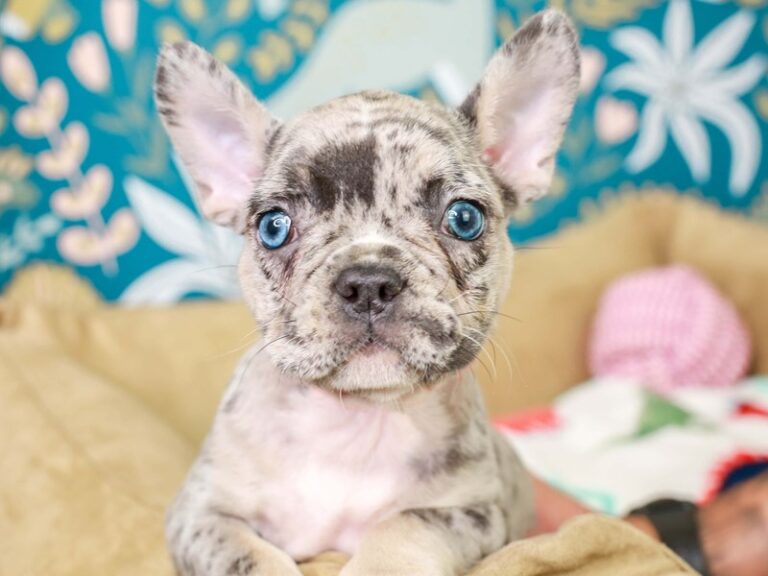
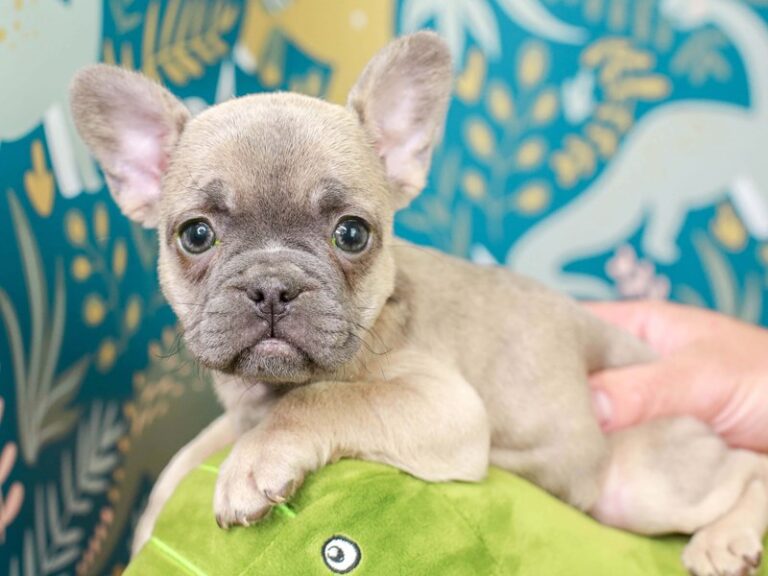
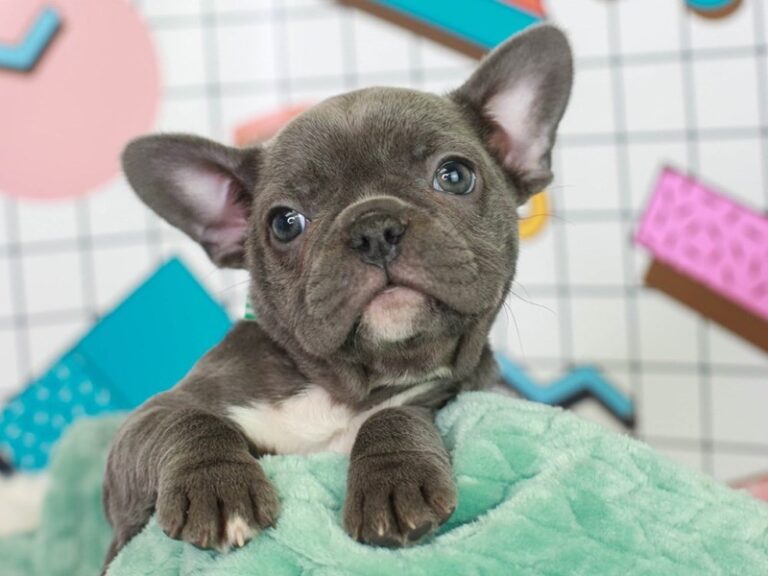
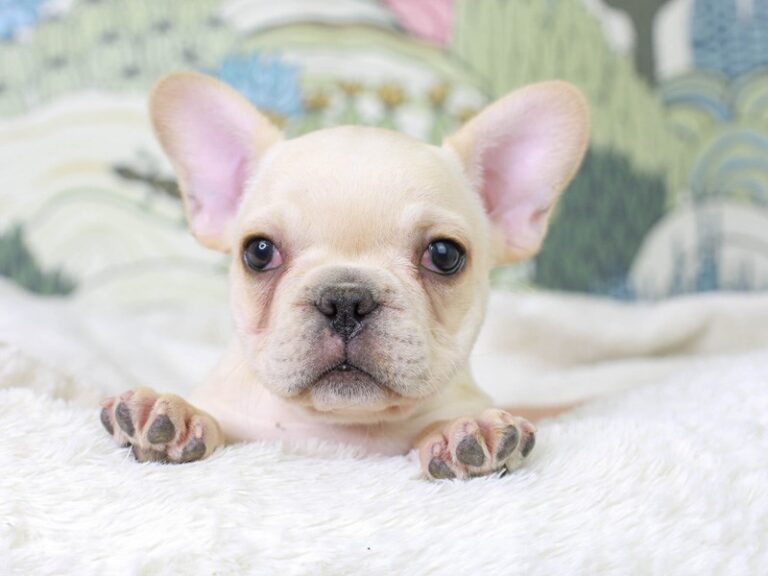
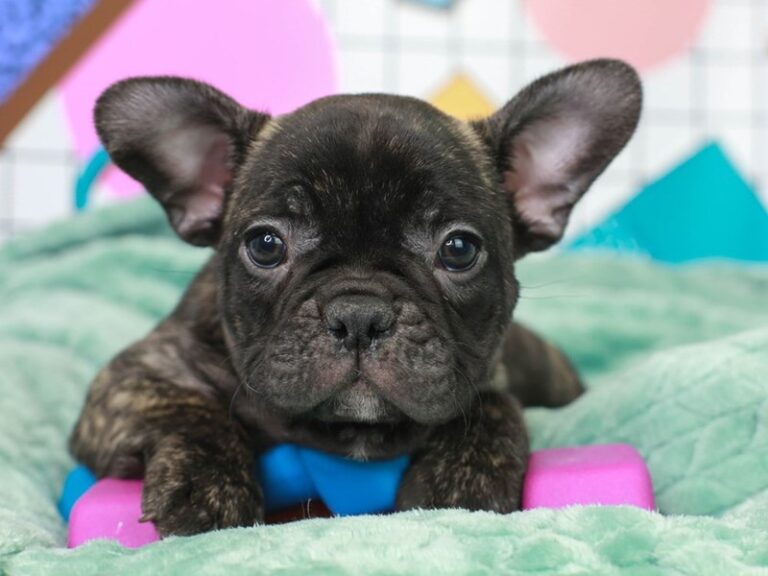
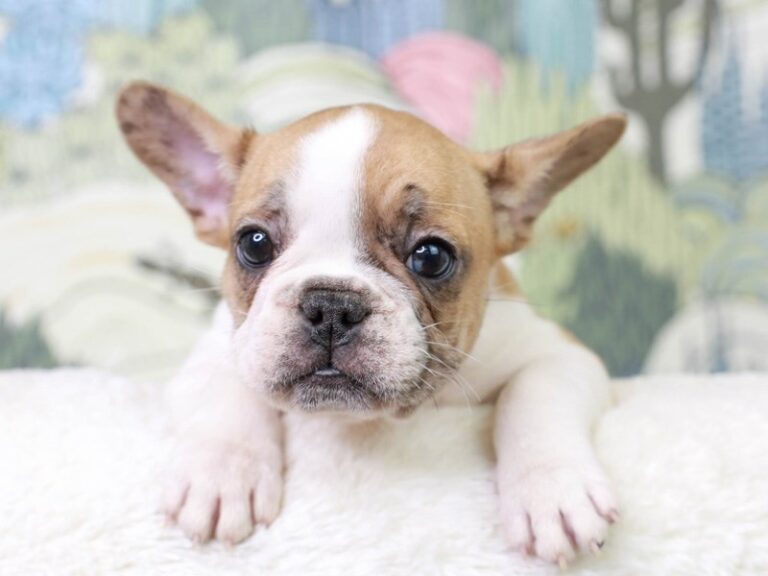
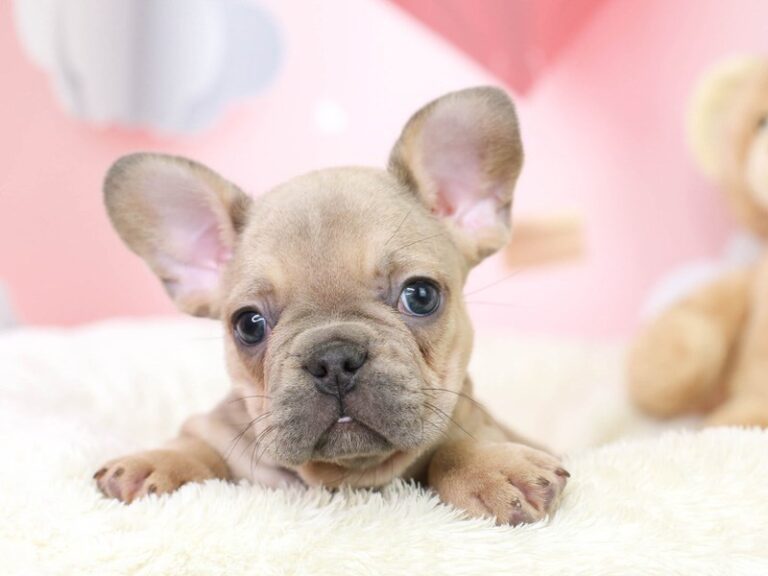
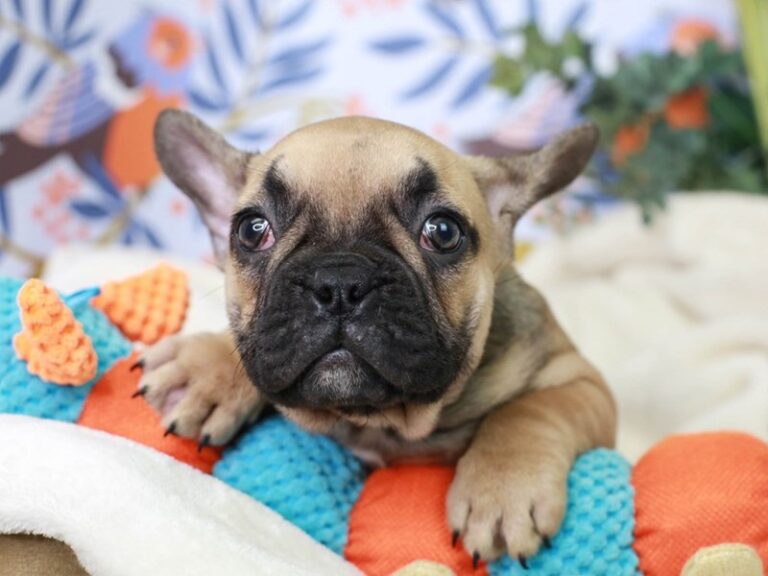
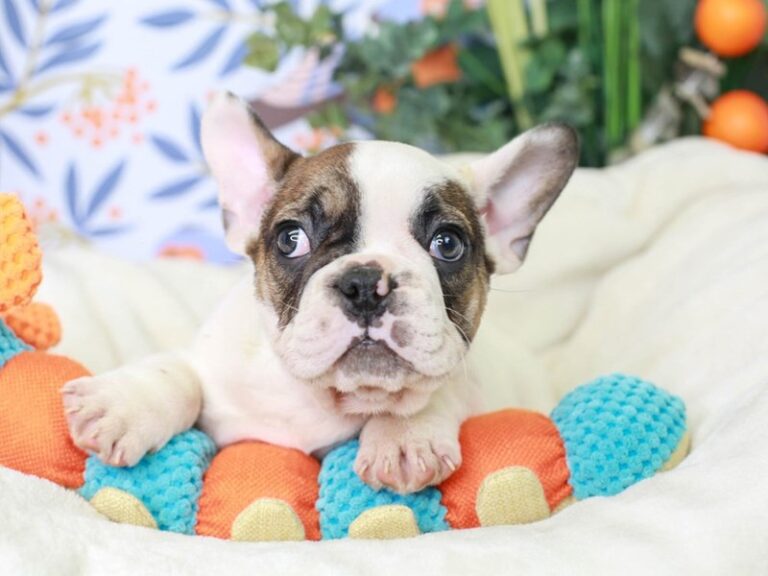
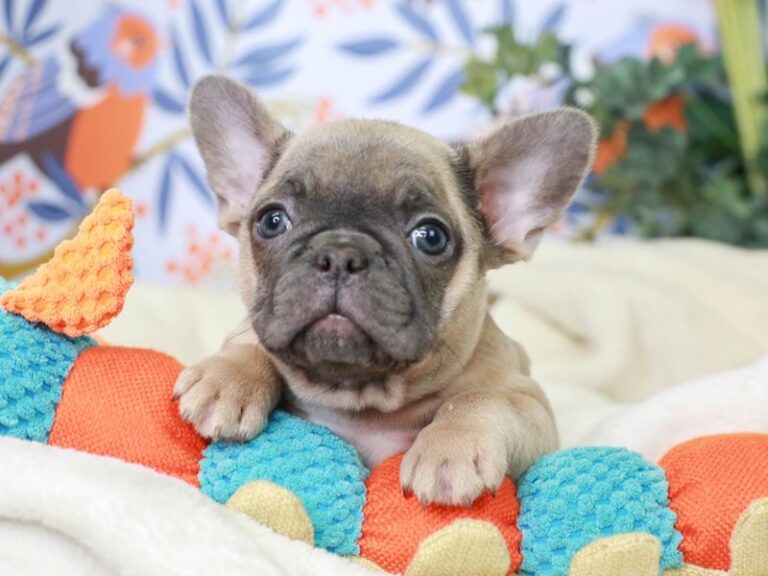
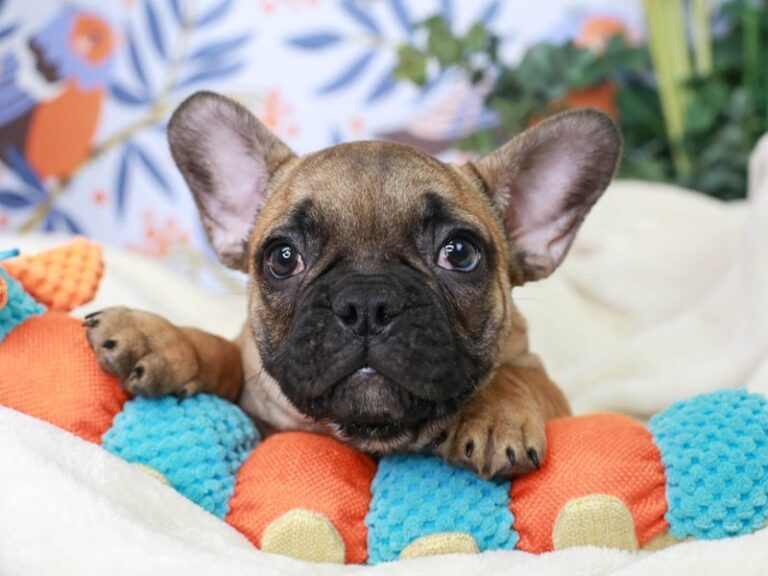
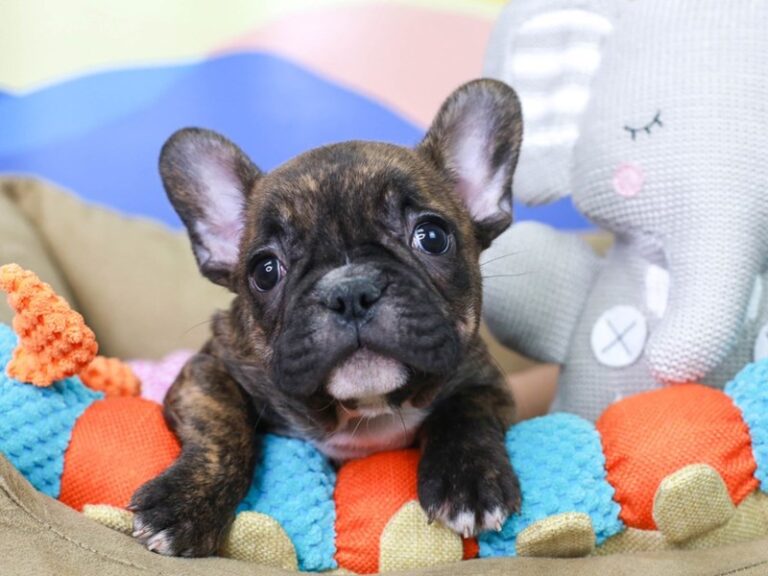
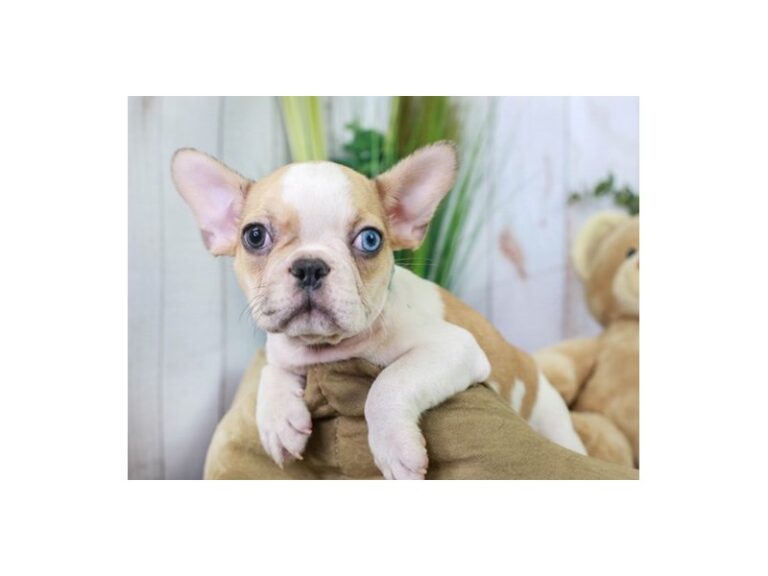
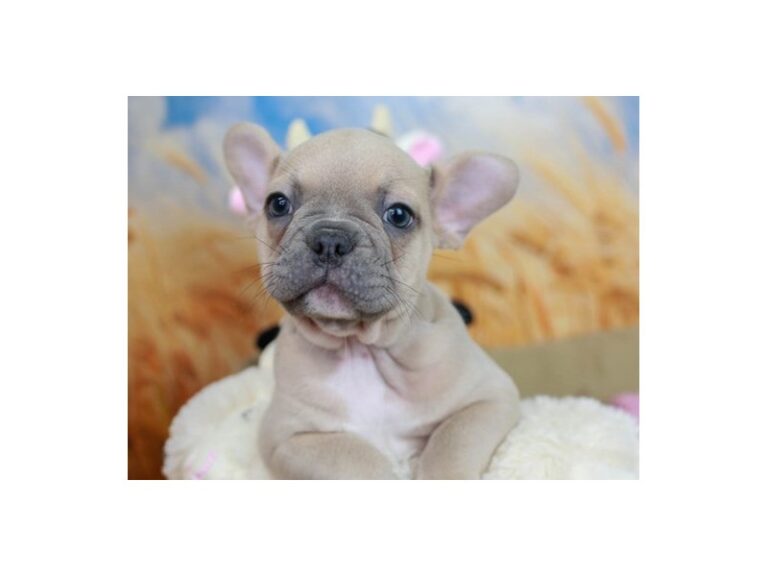
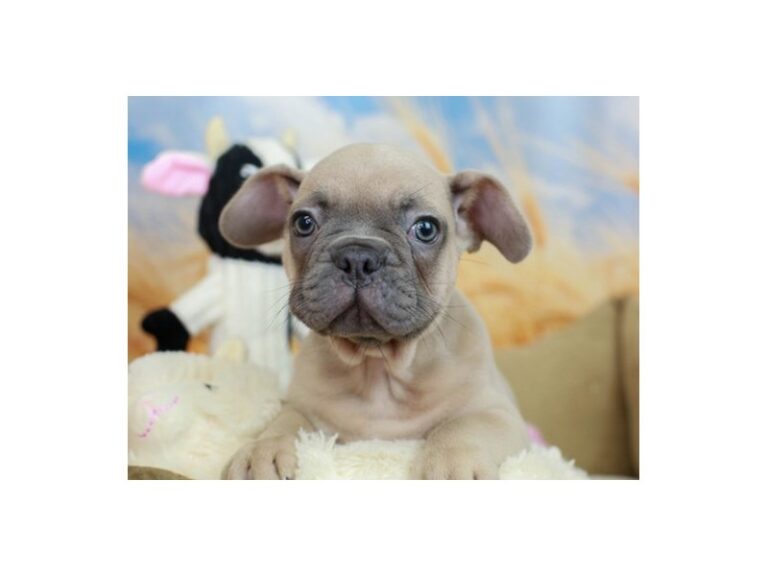
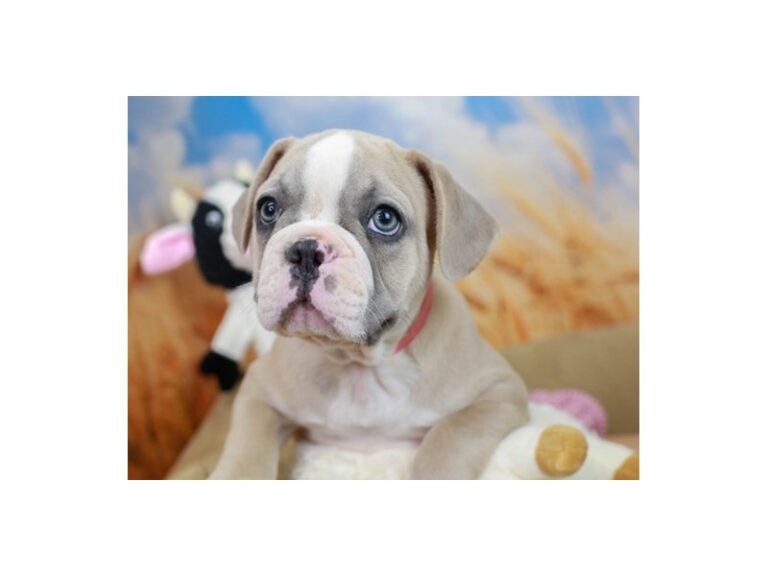
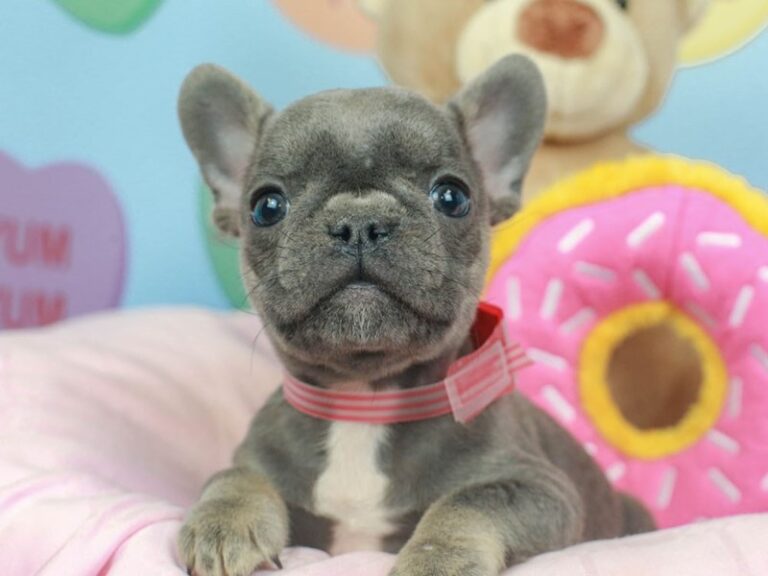
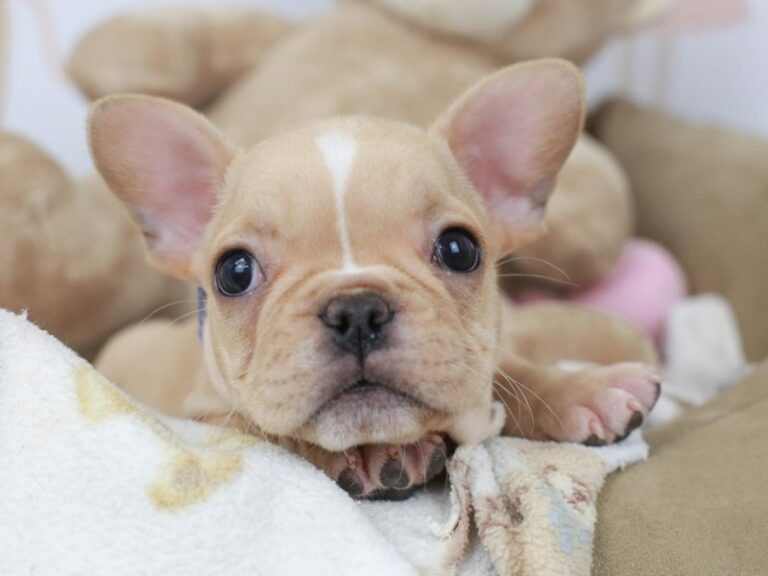
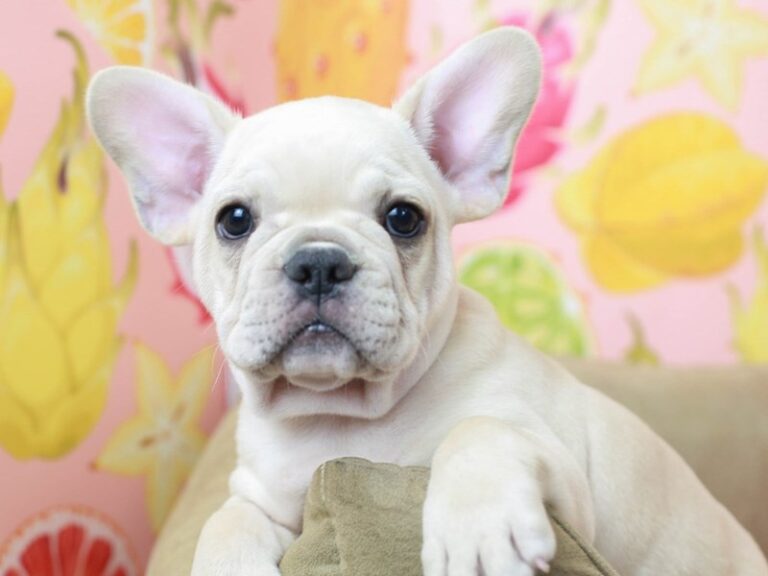
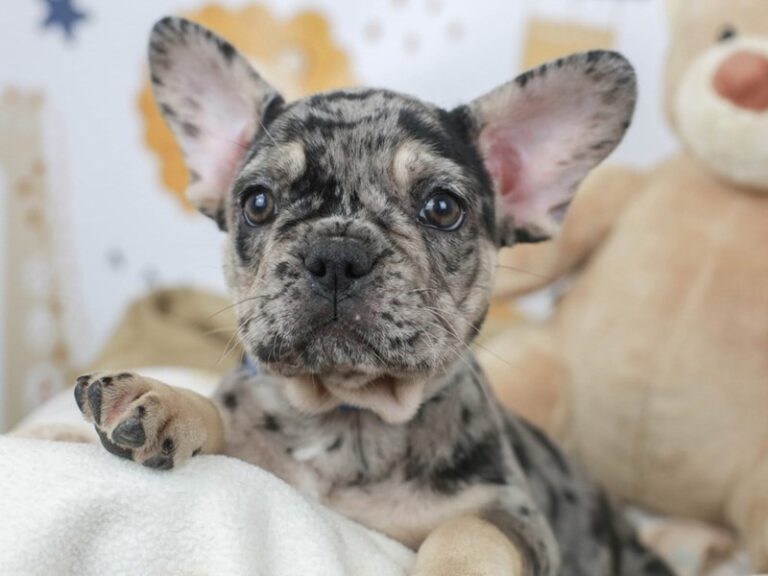
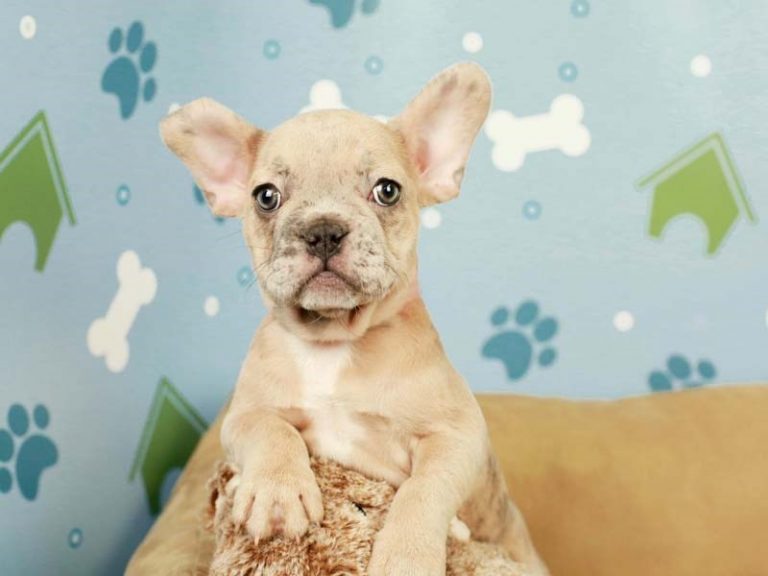
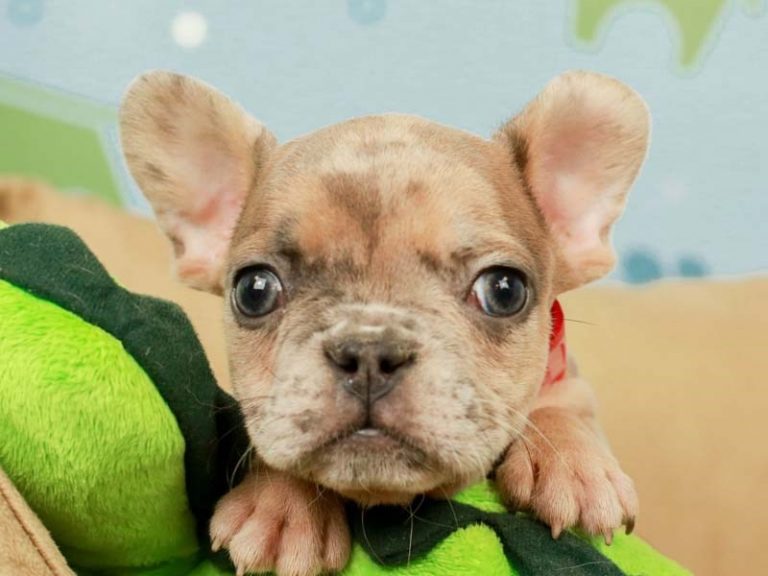
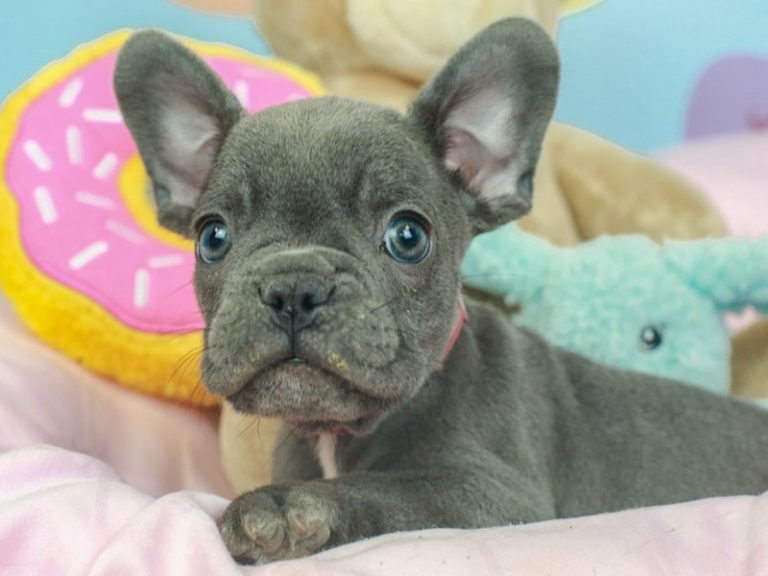
The Frenchie’s story begins in 19th-century England, where miniature bulldogs were bred as companions for lace-makers. When the lace trade moved to France, so did these little bulldogs, and French breeders further refined what would become the modern French Bulldog. Their distinctive bat-ears caught on as a fashionable choice in Paris, where they became favorites of artists, café regulars, and the bohemian set. By the early 1900s, they’d charmed their way across the Atlantic and were formally recognized in the U.S. and UK.
Breed Traits
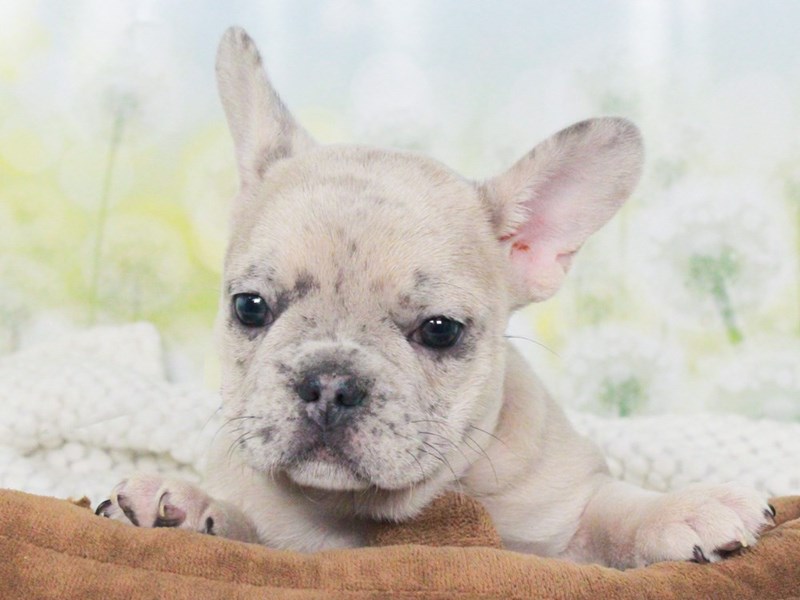
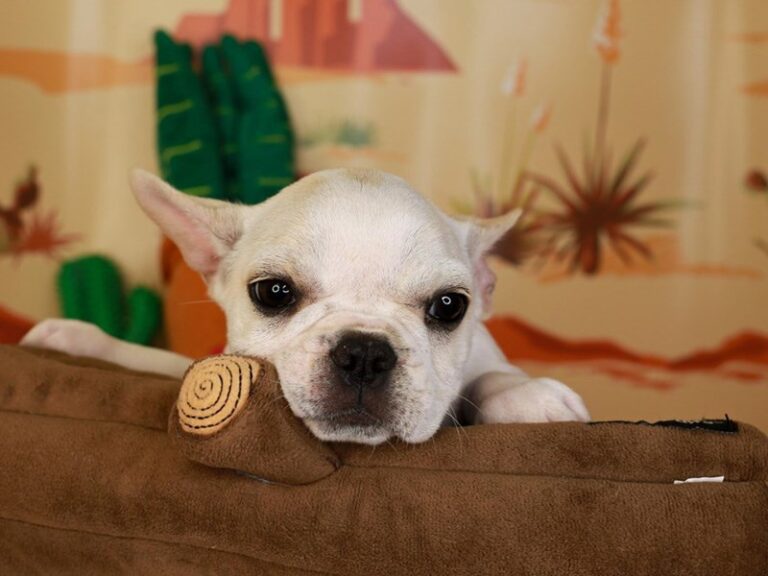
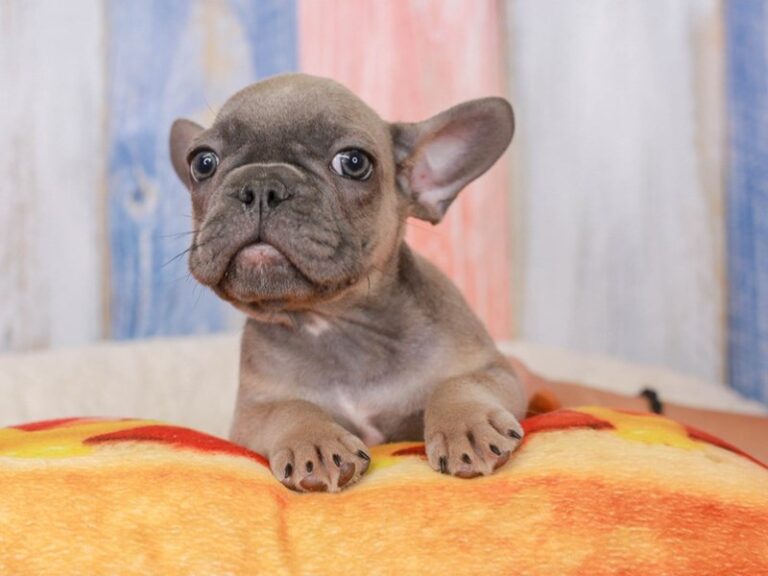
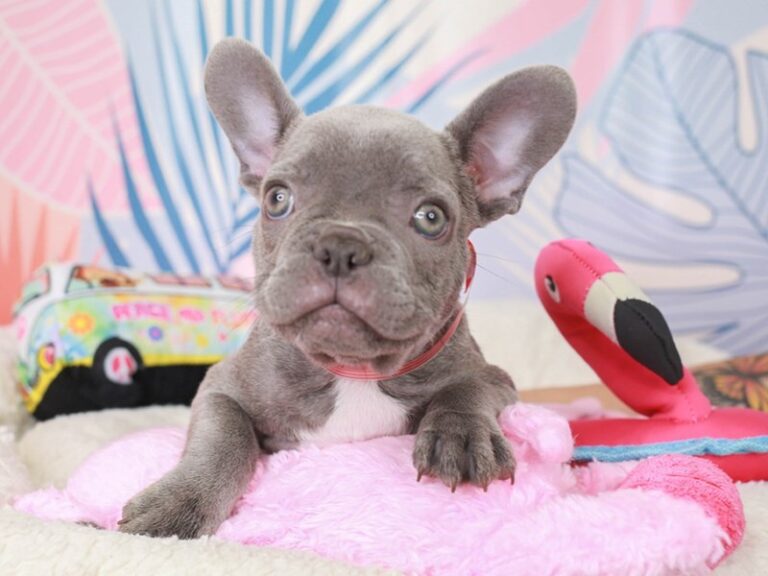
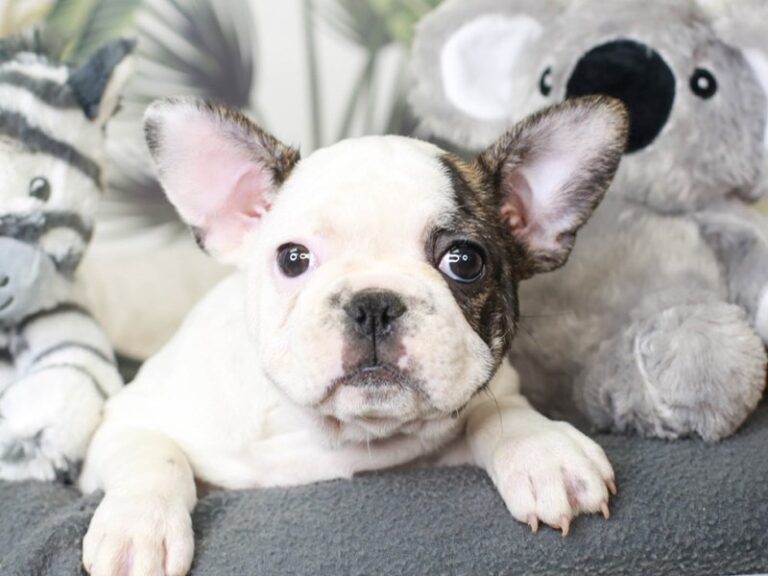
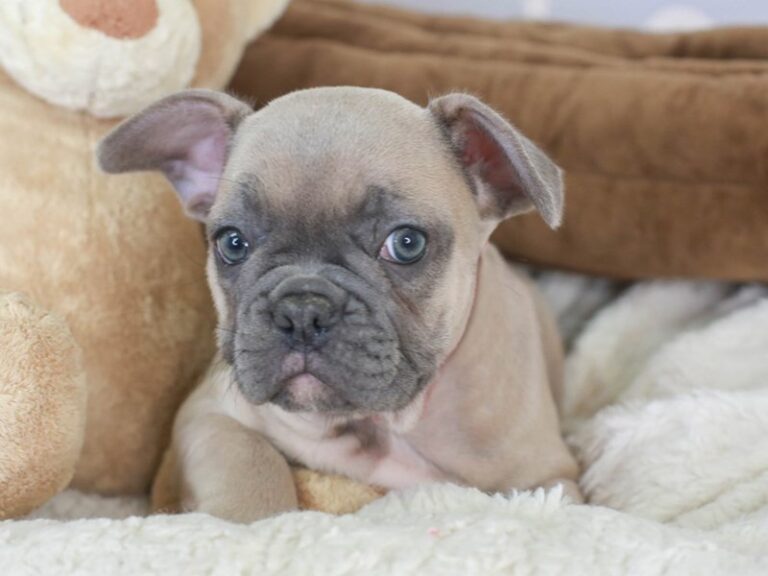
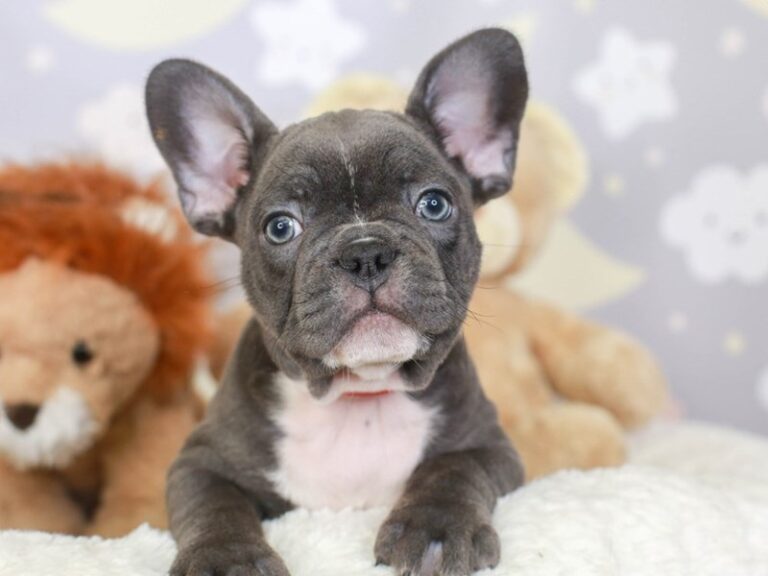
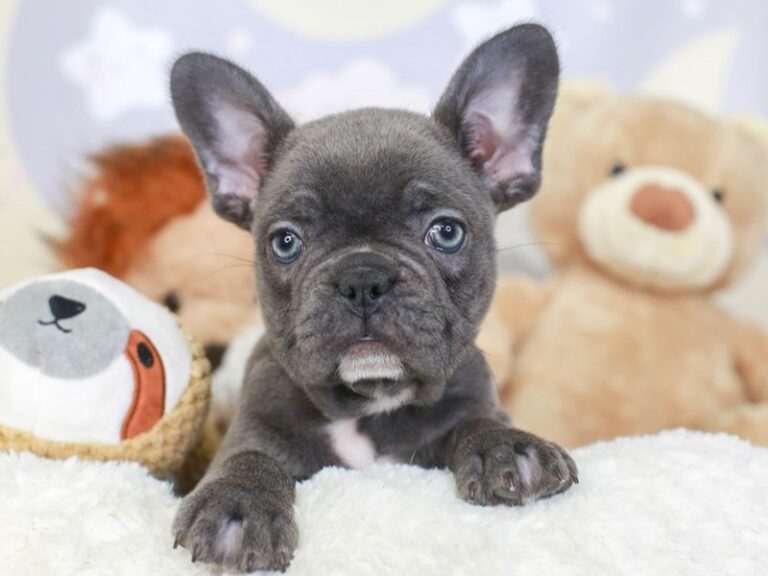
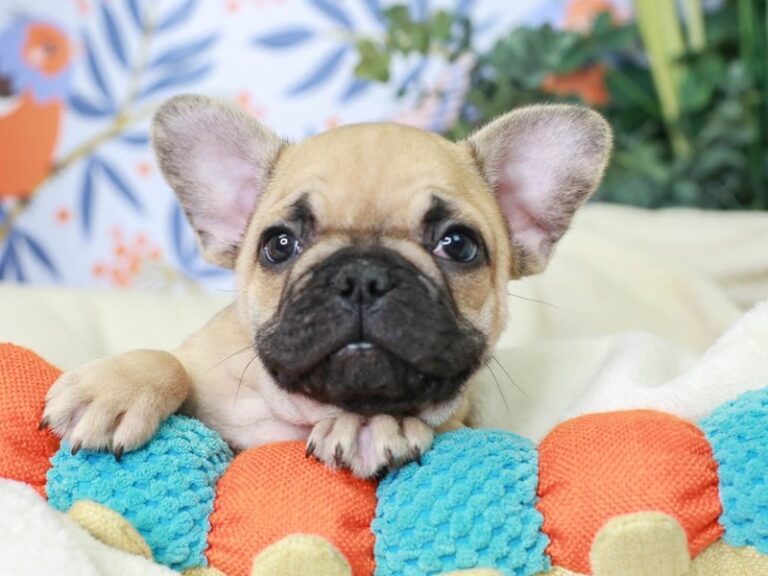
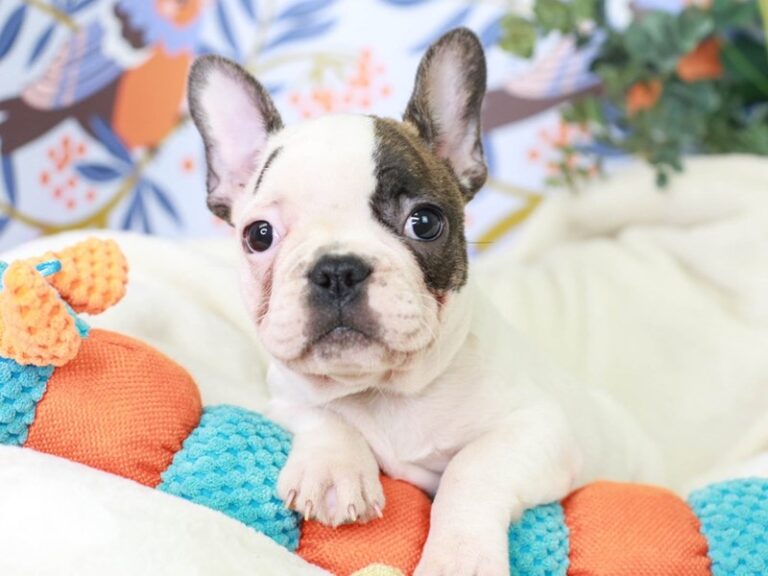
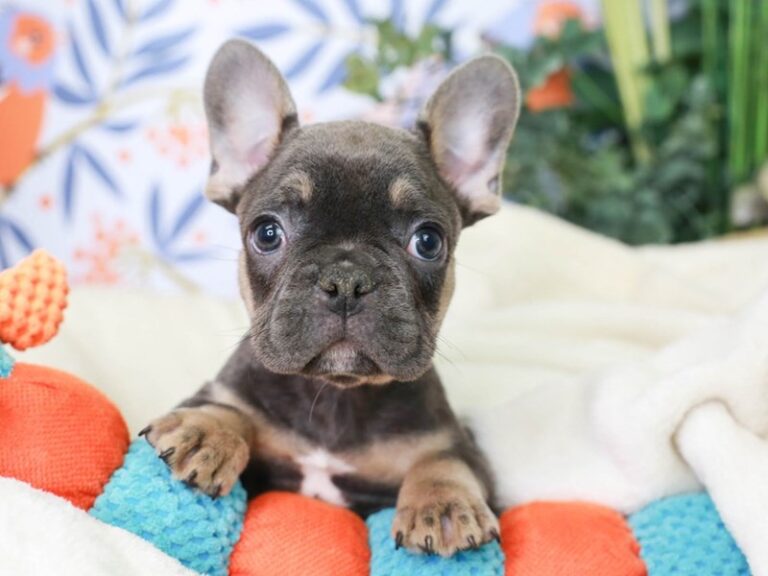
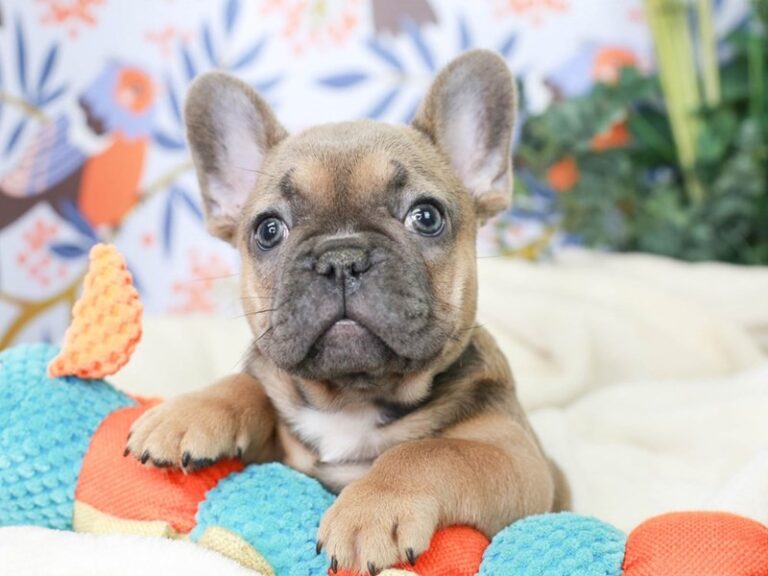
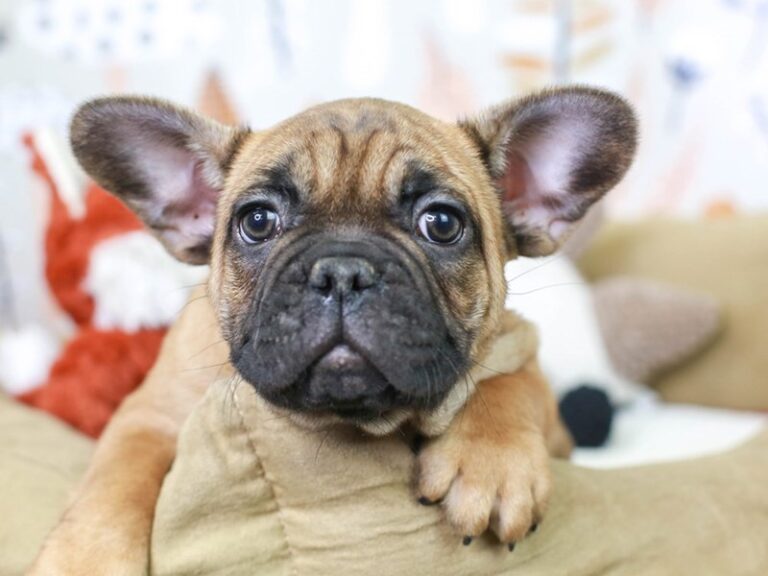
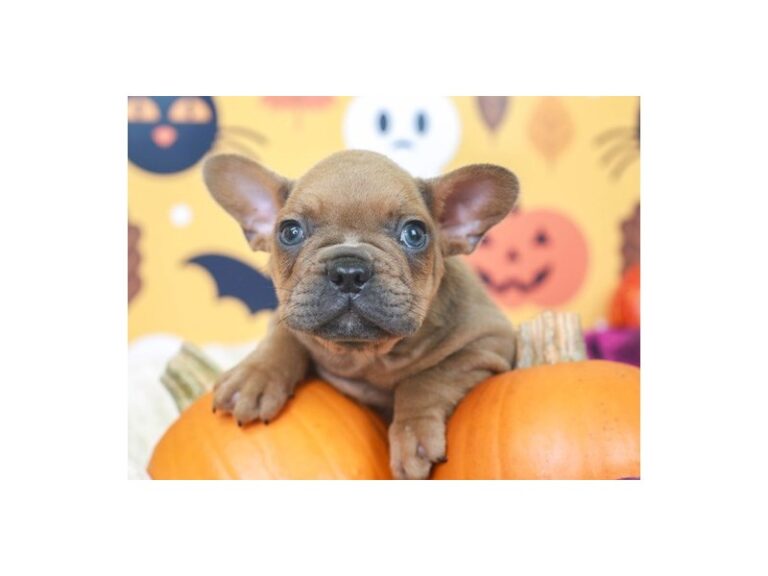
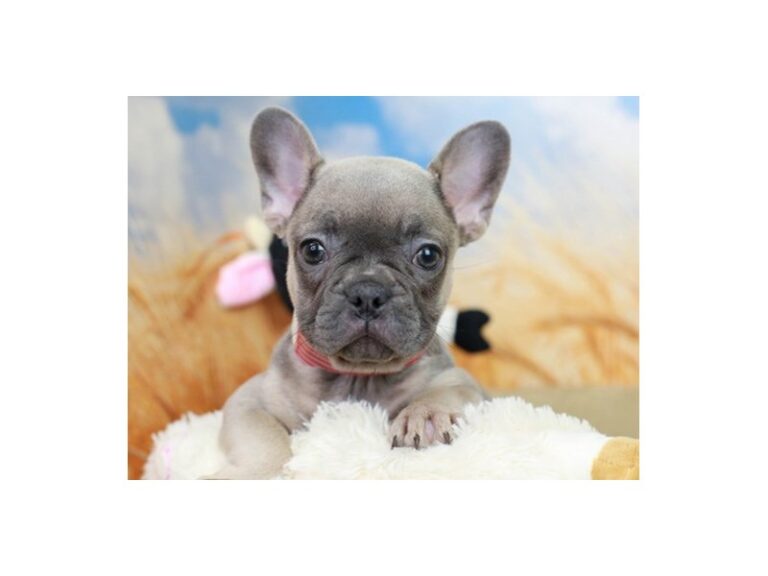
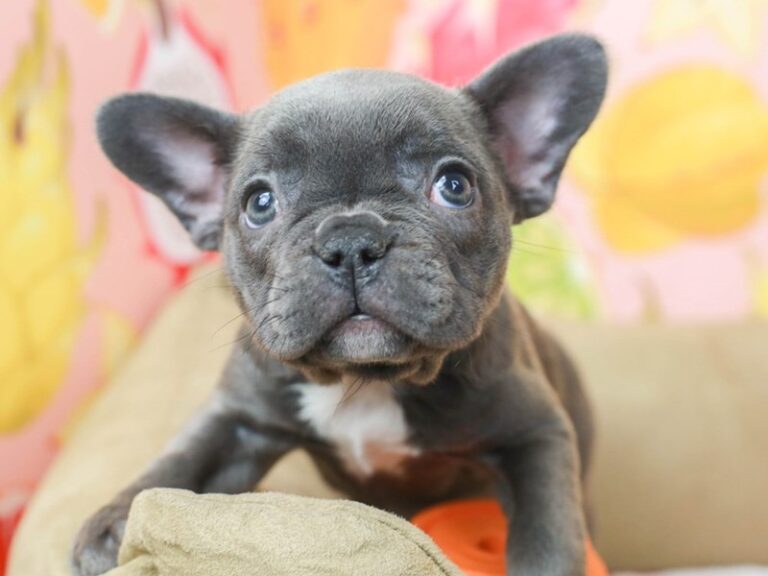
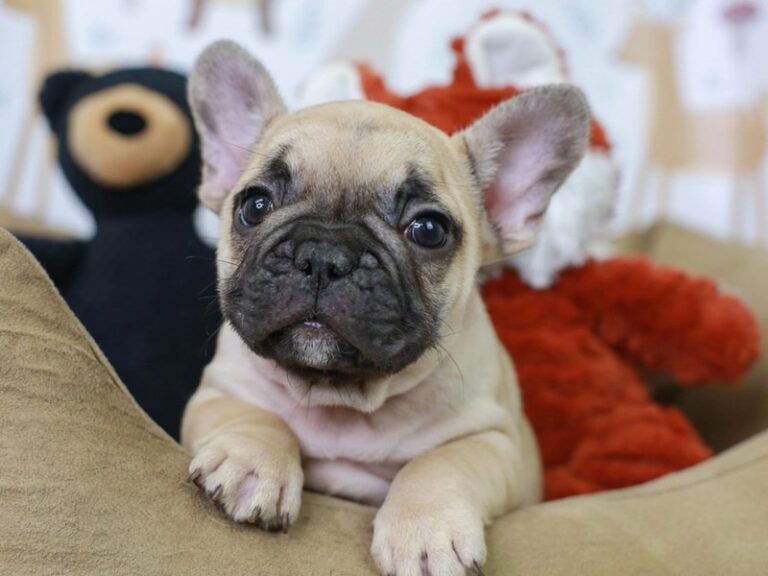
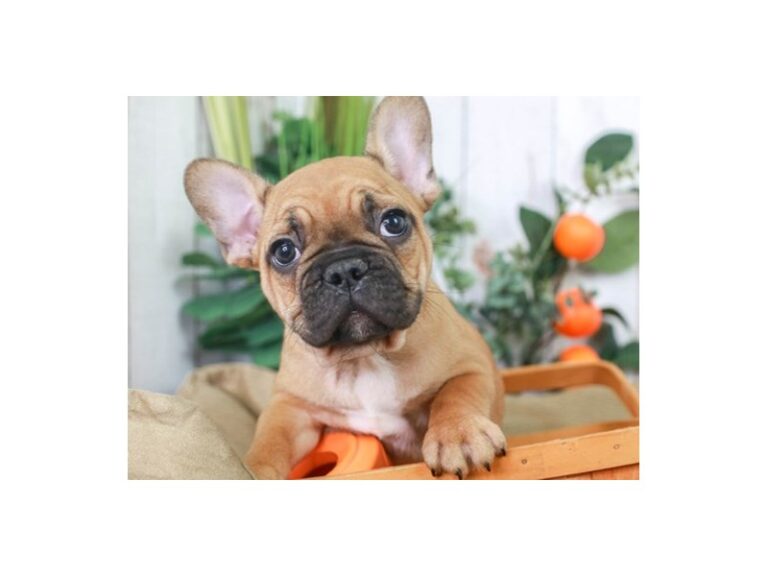
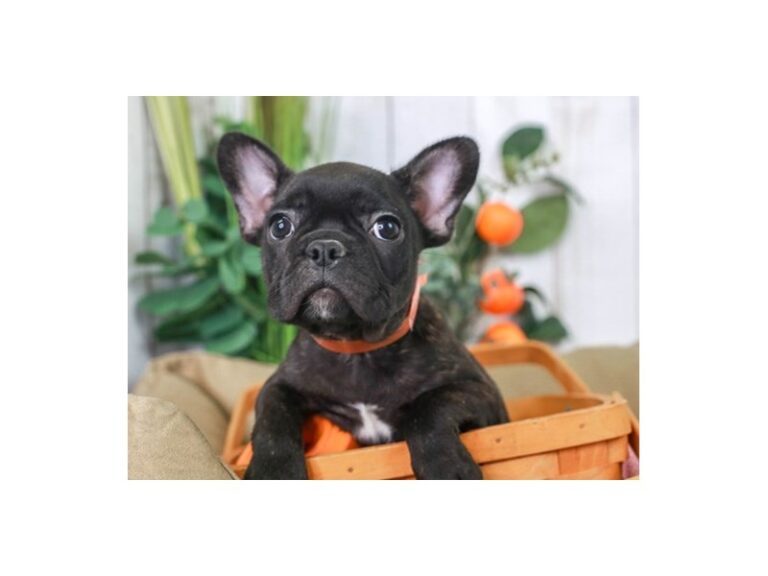
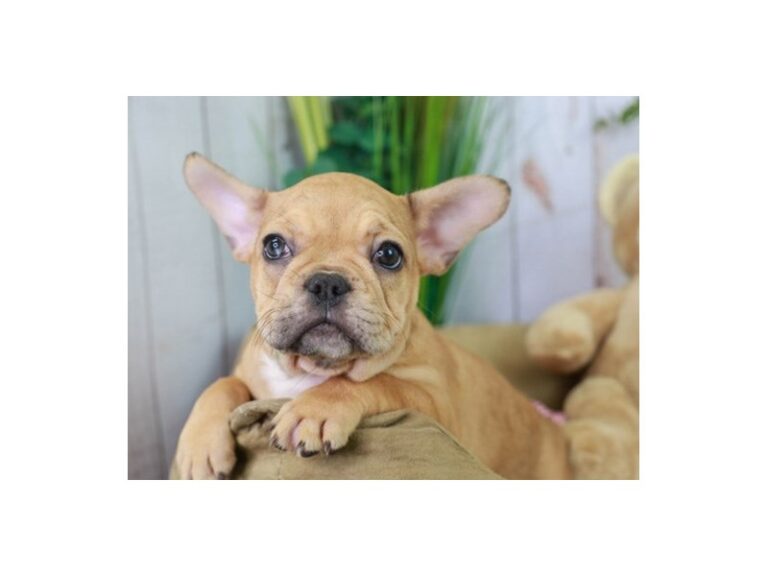
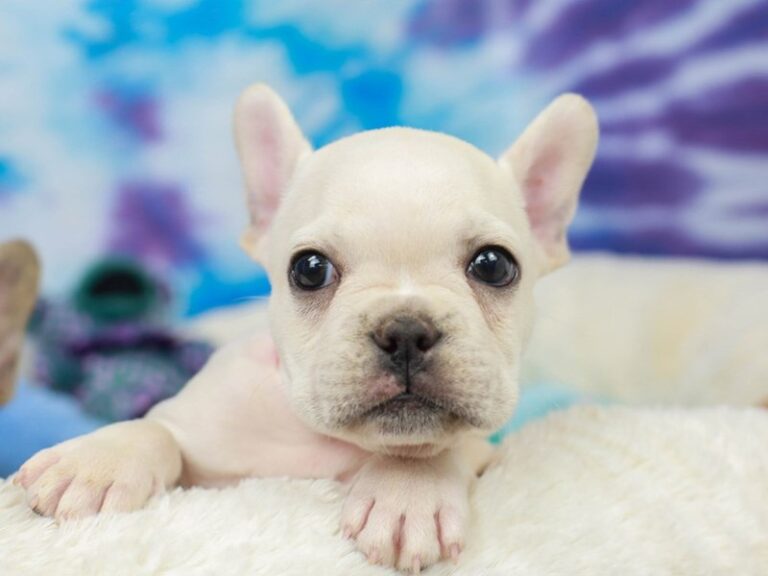
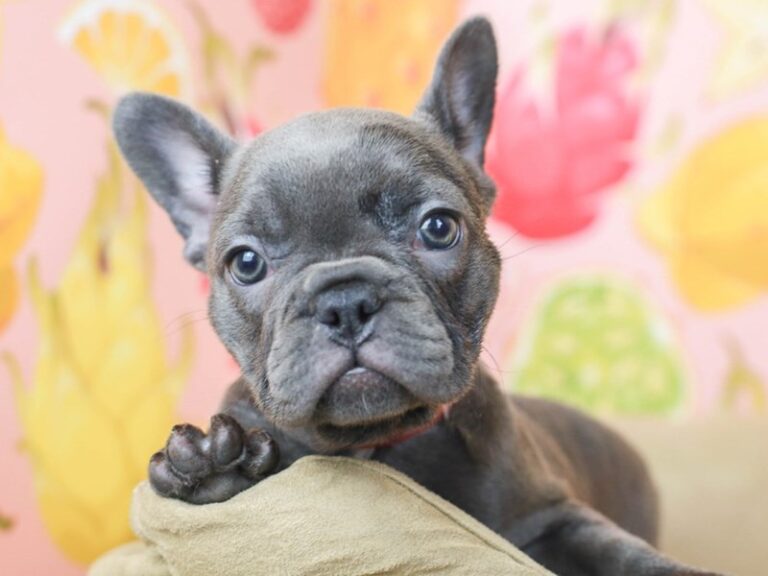
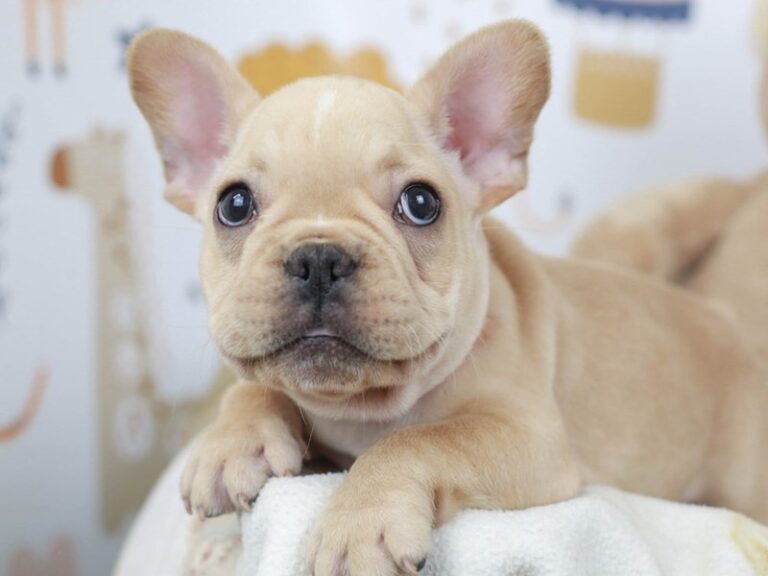
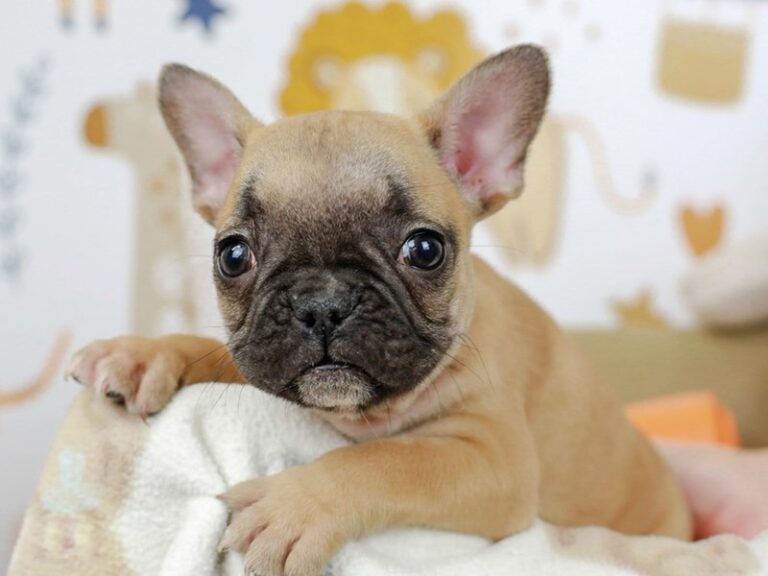
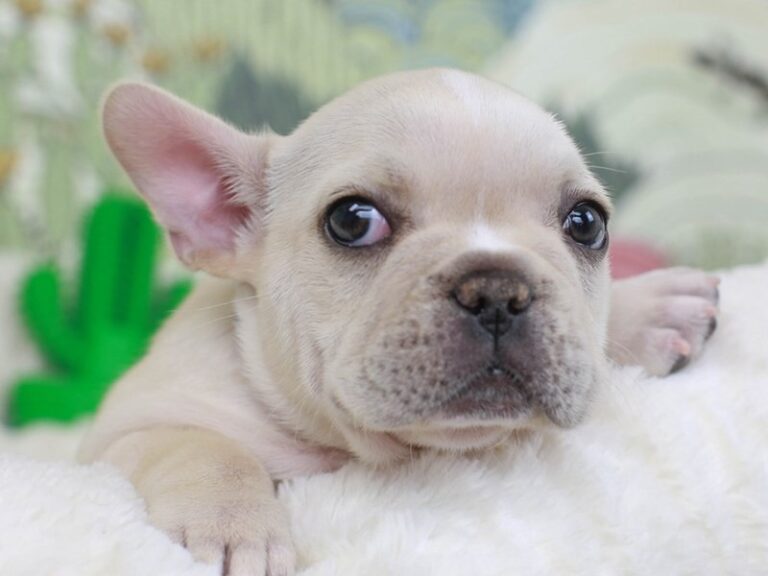
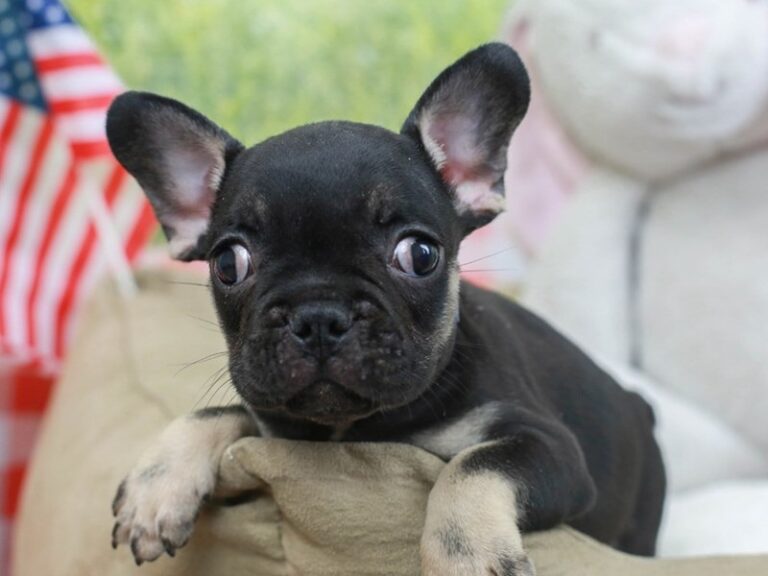
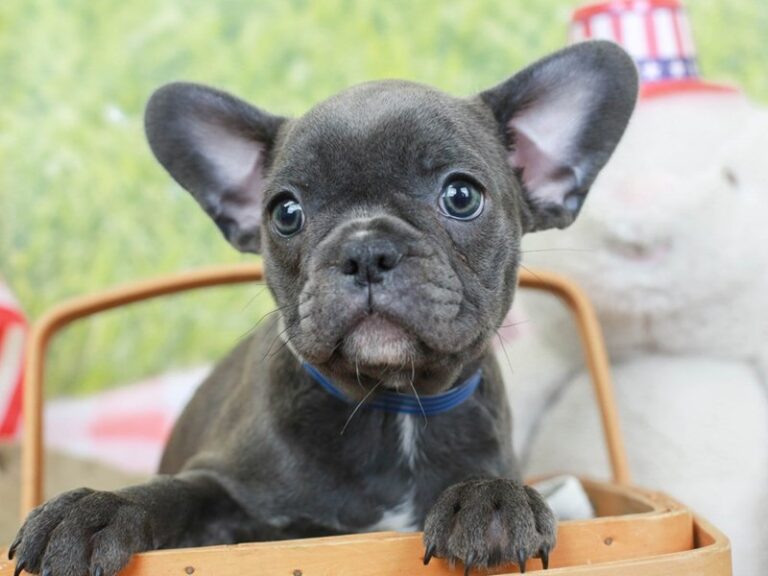
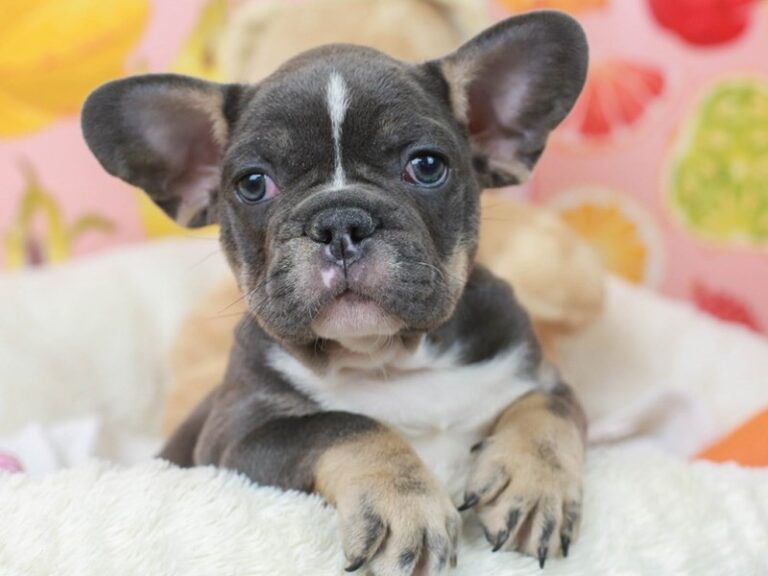
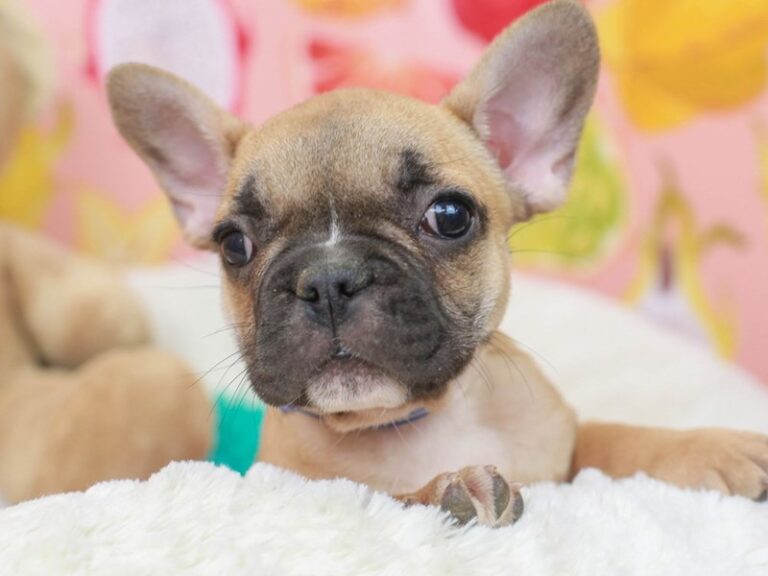
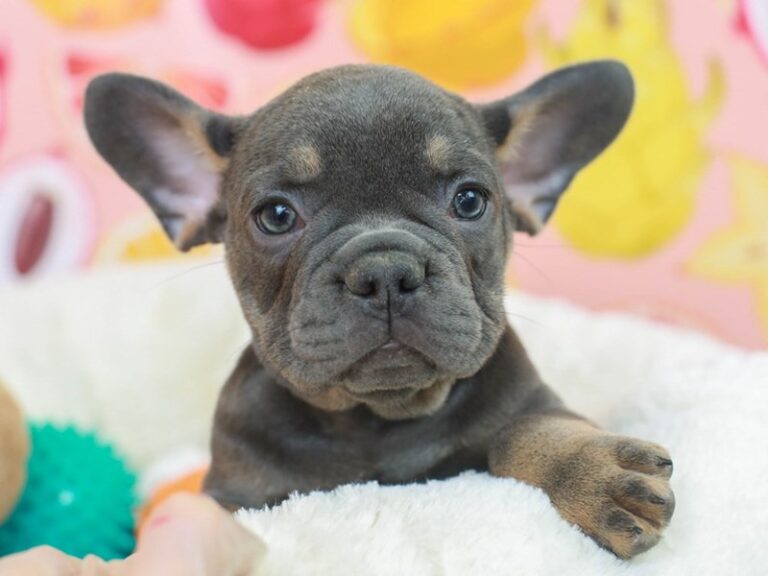
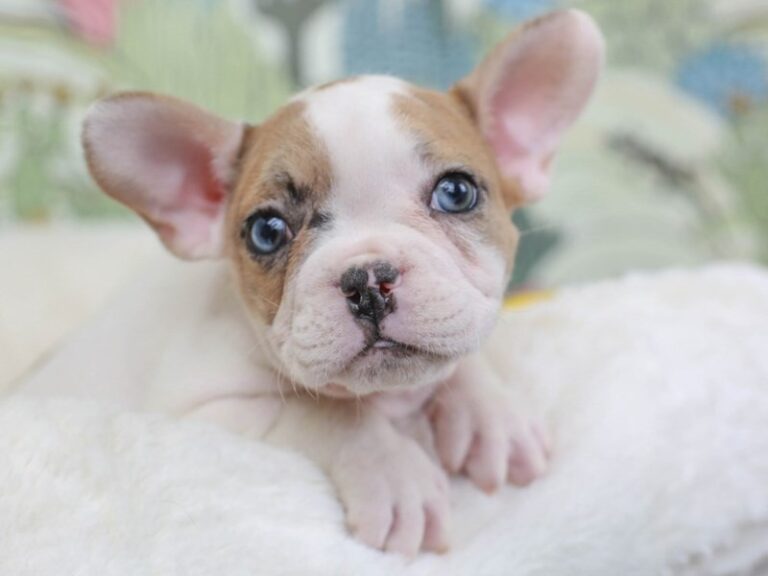
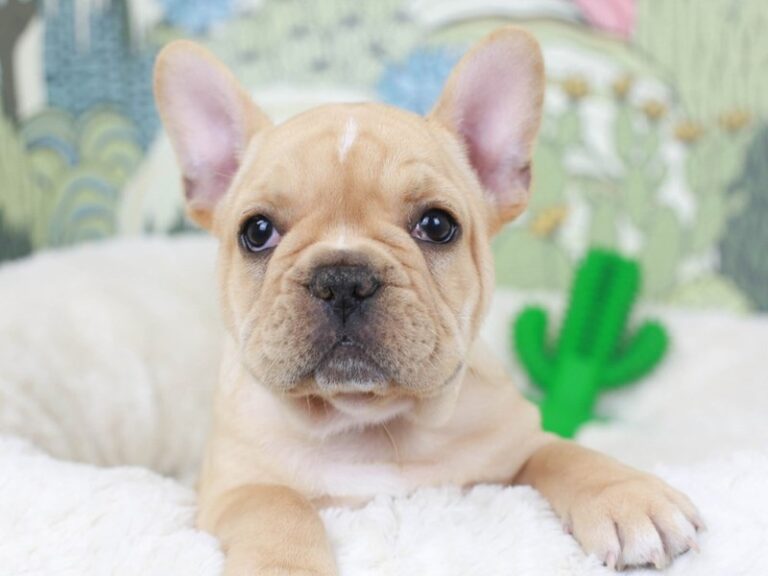
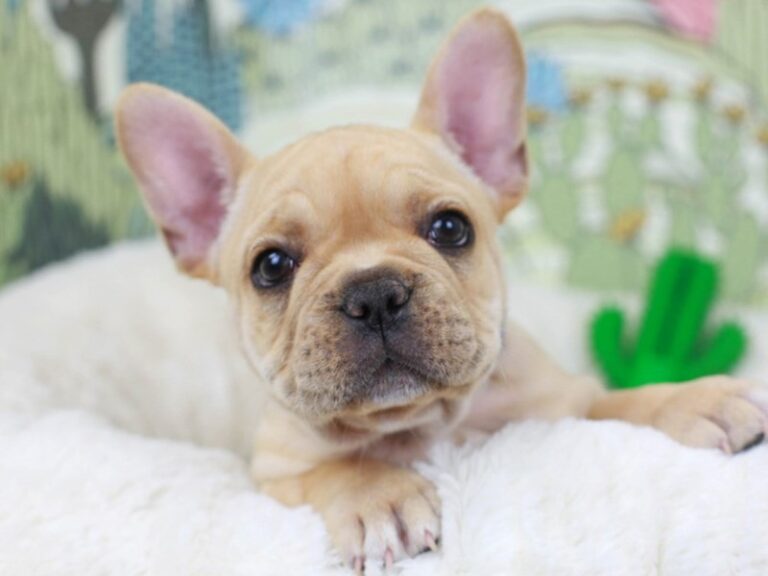
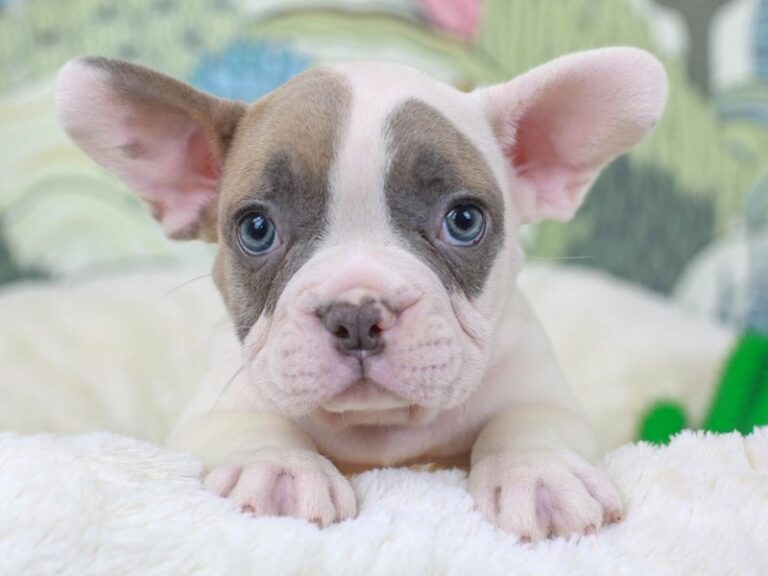
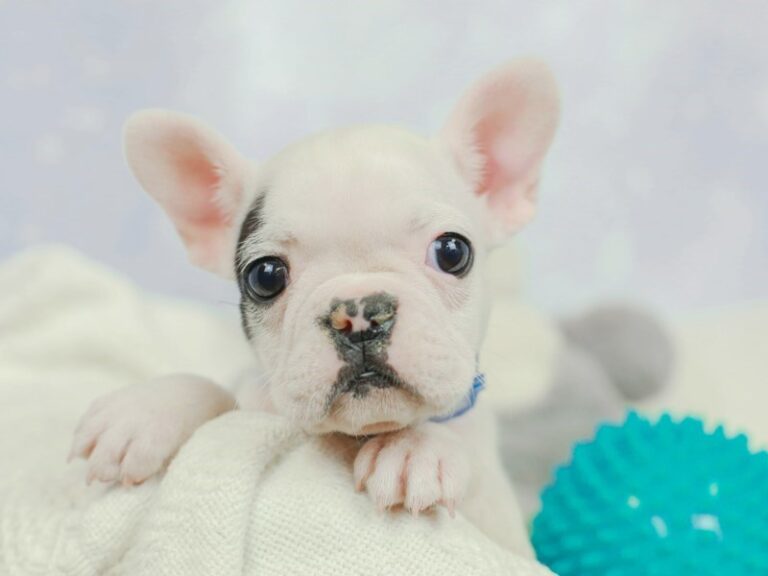
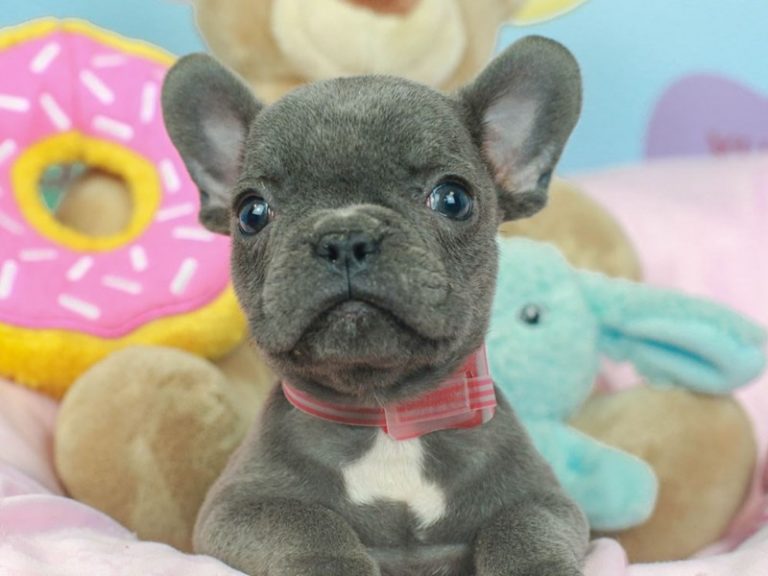
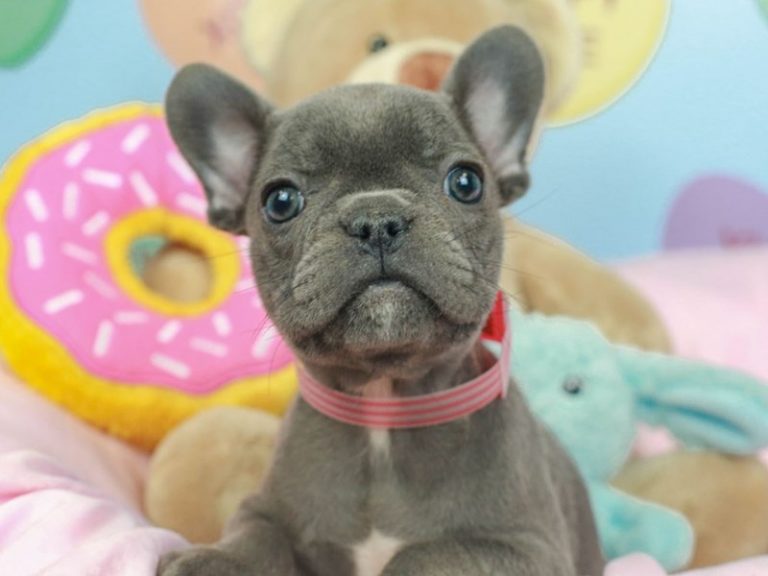
Selective breeding emphasized the breed’s compact size, expressive face, and affectionate temperament. The trademark ears were once controversial, with early English breeders preferring rose-shaped ears, but French breeders championed the upright, rounded look that defines the breed today. As their popularity soared, French Bulldogs transitioned from artisan companions to urban family dogs, admired for their adaptability and low exercise needs.
Temperament
Frenchies are playful, loyal, and deeply attached to their humans. They love cuddles, thrive on attention, and excel at comedic timing. Their temperament is steady and friendly, making them suitable for families, singles, and seniors. They aren’t big on barking, though they may alert you if something unusual is happening outside. Because they’re sensitive souls, harsh training doesn’t suit them; consistency, patience, and positive reinforcement go a long way.

Care & Environment
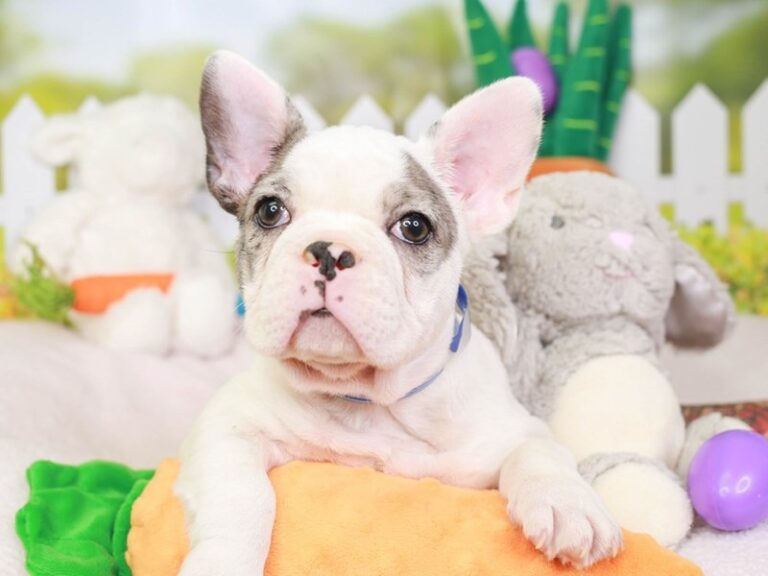
French Bulldogs adapt easily to apartment living and are happiest when close to their people. They benefit from daily playtime and short, moderate walks, but they are not built for intense or prolonged exercise. As a brachycephalic (short-nosed) breed, Frenchies are particularly sensitive to heat, humidity, and strenuous activity. A climate-controlled indoor environment is essential, especially in warm regions, to reduce the risk of overheating.

Grooming
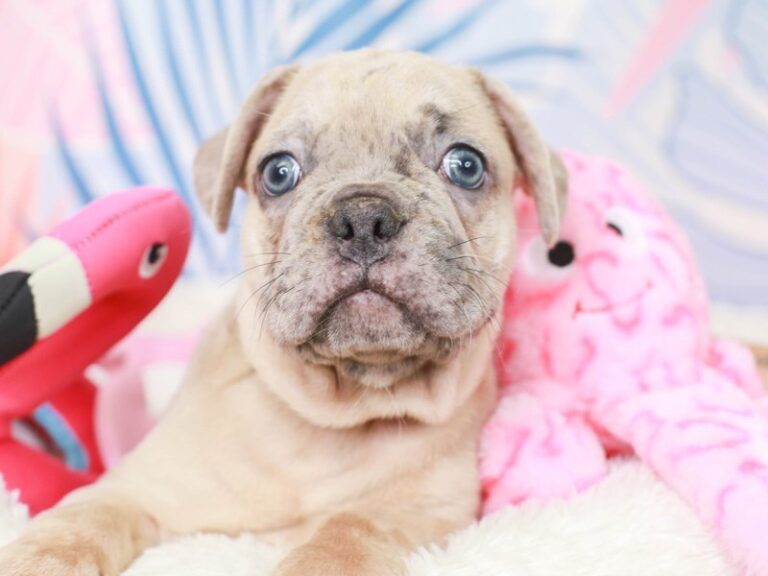
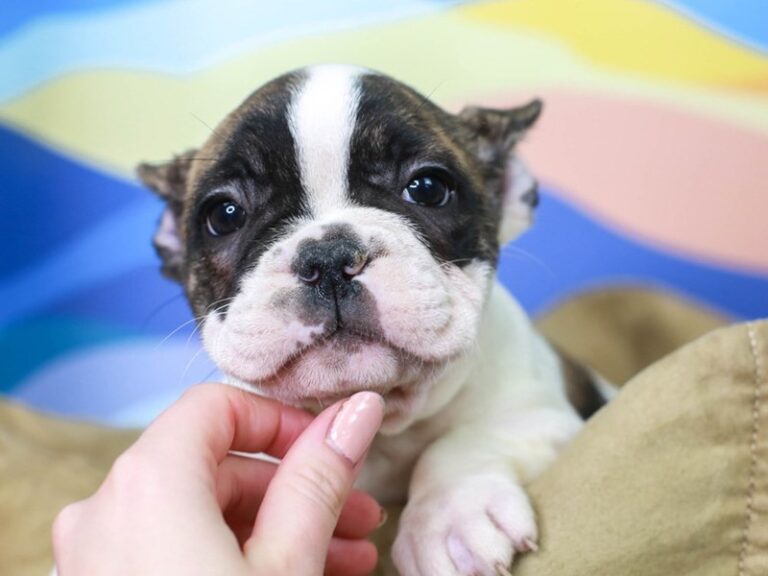
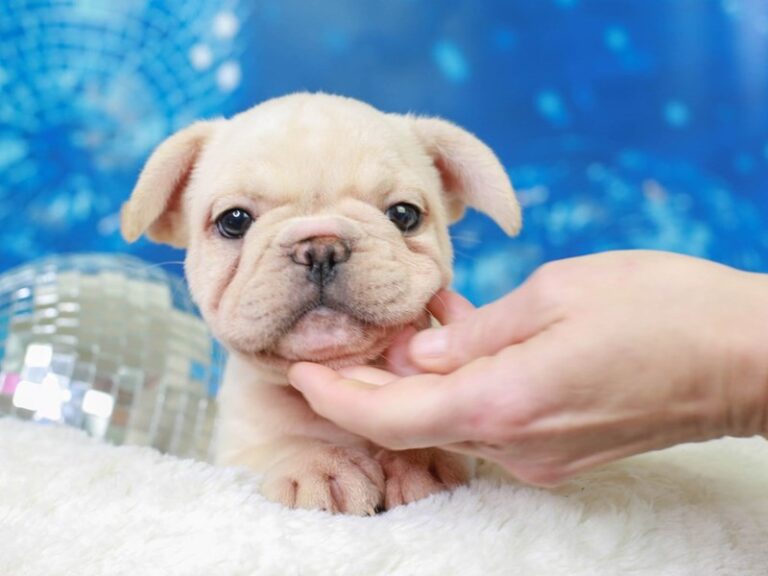
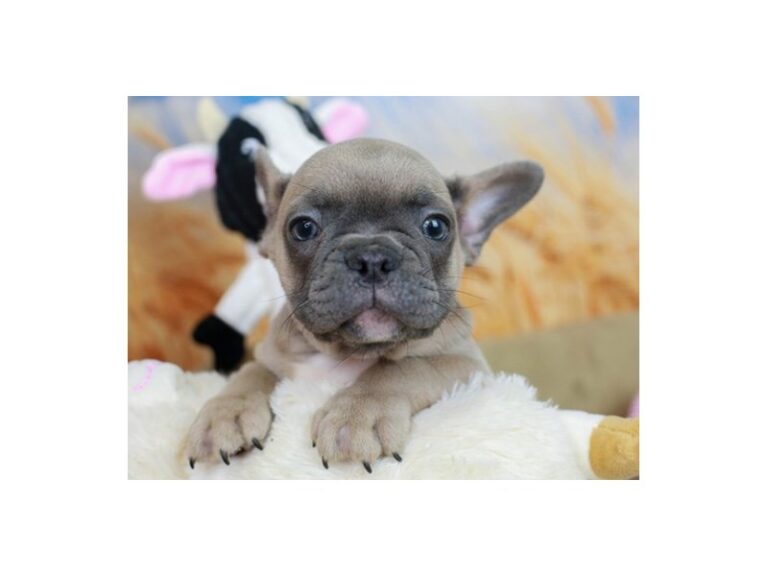
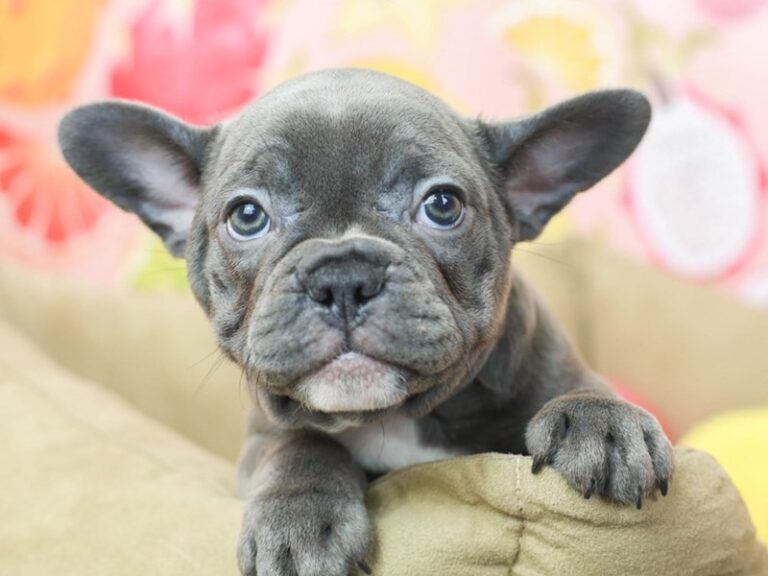
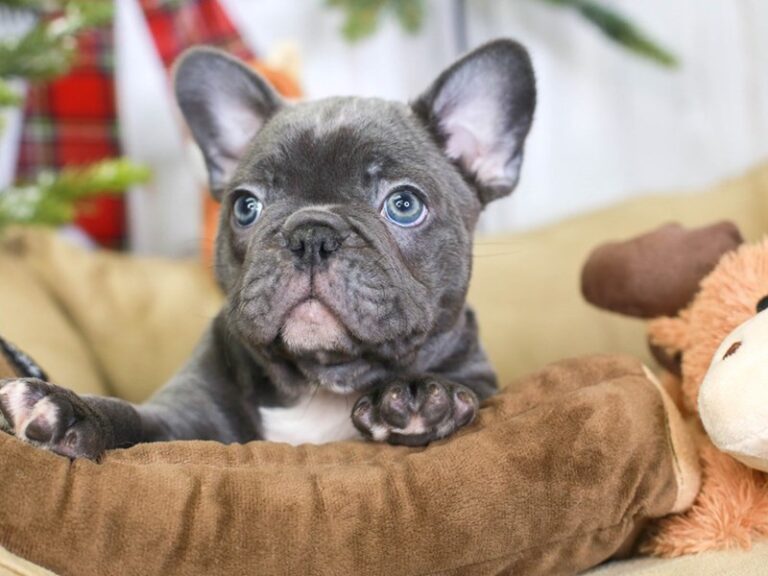
French Bulldogs have a short, smooth coat that is generally low-maintenance and requires only occasional brushing to remove loose hair. However, their facial folds need regular, gentle cleaning to prevent irritation or infection. Routine nail trimming, ear cleaning, and dental care help maintain overall hygiene and comfort.
✓
This article has been reviewed by Animal Kingdom’s expert team to ensure accuracy and reliable pet care guidance.