In our last blog post, we discussed best methods to help prevent separation anxiety with your new puppy. Prevention is the first line of defense for any behavioral issue. However, what do you do if your dog is already showing signs of separation anxiety? Here are some tips to help you ease dog separation anxiety.
A Quick Look
- Dogs that have separation anxiety can show symptoms ranging from behavioral (destruction, potty accidents) to physical (vomiting, reduced appetite, panting). It’s important to rule out other possible causes, such as illness or boredom
- Start working with your puppy as soon as you notice that they may be overly attached
- Training and plenty of exercise help your dog’s mind and body feel peaceful
- Desensitize your dog to signs of departure by giving these cues (putting on shoes, picking up keys, etc) during times when you are not actually leaving
- Work on crate training with your dog. If you puppy cries in the crate, ignore them for a few minutes, then do let them out and comfort them. NEVER leave a dog alone in a crate unless you are confident they will not panic and try to escape.
- Keep departures and arrivals calm
- Medication can be used in conjunction with training, but never instead of training
A Deeper Dive
What Counts as Separation Anxiety?
Dogs are inherently social creatures. Most dogs, if given the option, would choose to spend their time with us. When does wanting to be near their humans cross the line into problematic separation anxiety?
Common Symptoms of Dog Separation Anxiety:
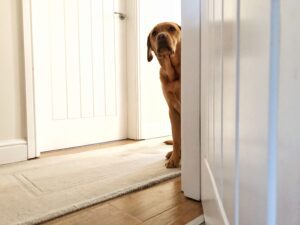
- Destructive behaviors such as digging or chewing, particularly near doors and windows
- Potty accidents in the house/in the crate
- Escaping
- Excessive vocalization
- Clinginess (such as following you from room to room)
- Pacing
- Panting
- Salivating
- Shaking
- Vomiting or diarrhea
- Reduced appetite
- Self-mutilation (such as chewing on themselves or excessive licking)
Rule Out Other Causes
Some of these symptoms can have other root problems. For dogs that are demonstrating gastrointestinal issues, reduced appetite, or excessive panting and drooling, it is important to rule out any medical problems. Talk to your vet about these symptoms and if there is a pattern of them happening when you are gone or about to leave. Similarly, chewing on themselves or licking paws can be symptoms of allergies in dogs as well as a stress reaction.

Some breeds are more vocal than others. If you own a Beagle, Basset Hound, or Husky, the threshold for what is considered “excessive vocalization” will be higher. Destruction can be a sign of boredom. Intelligent dogs, particularly working breeds, can grow antsy being left alone for long periods. Without a job to do, they may make their own entertainment… and that entertainment could very well be shredding up your couch! Finally, it is important to remember that young dogs have tiny bladders. Before you label potty accidents as anxiety, make sure that they are being regularly given opportunities to relieve themselves. It’s possible your little pup just can’t hold it that long!
Early Intervention
If your puppy is showing signs of having separation anxiety, we urge you to start working with them as soon as possible. We highly recommend consulting a professional trainer if at all possible. Separation anxiety is a complicated issue, and while this general advice can help, every dog is unique. A professional trainer will be able to make specific recommendation based on their observations. In whatever case, start working with your dog as soon as you notice these habits. The longer your dog has had these habits, the more difficult they are to break!
Training, training, training!
Beyond training targeted toward their separation anxiety, all kinds of training can be good for reducing your dog’s anxiety levels. Training with your dog makes them feel more secure, confident, and can help them have a calm mind. It builds your bond with your dog, but also is a tool for setting healthy boundaries.
Exercise
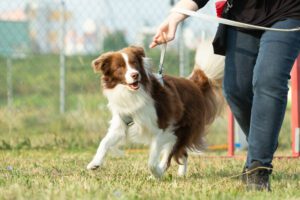
We mentioned in our blog on exercise that having too much energy can lead to dogs channeling it into anxiety. The opposite is true as well. Your puppy simply doesn’t have the energy to be anxious after a nice, long run. If possible, build in time to wear your dog out before you leave them alone. Looking for ideas? Try these tips to tire your puppy out.
Desensitize Your Dog to Signs of Leaving
If your puppy has separation anxiety, they are probably hyper-attuned to the signs that you will soon be leaving; you put on your shoes, you pick up your keys or belongings, and perhaps even give them a pat on the head to say goodbye. Desensitize your dog to these cues by doing them randomly throughout the day. Put on your shoes, but do not actually leave. Pick up your keys, but instead make dinner. By adding in these mundane “false alarms”, you are making the times that you are truly leaving less frightening.
Crate Training
As previously noted, your dog’s crate is one of your best tools to combat anxiety. When used properly, it is a safe, positive place where your puppy can feel secure. During times that you are around, work to strengthen your puppy’s positive association with the crate by feeding them their meals inside of it, playing crate games, or giving them special treats in the crate only.
My Puppy Cries in the Crate
If your puppy cries when they’re first put in the crate, you may wonder about the best course of action. Should you free them from the crate immediately? Should you let them “cry it out”? The answer lies somewhere in the middle. Before putting them in the crate, make sure that your puppy has had the opportunity to relive their bladder. Step out of the room and allow your dog to cry for about five minutes. In most cases, your puppy will self-soothe within that short time.
If they continue to cry, this has moved past attention seeking into true distress. Not only does being left to “cry it out” damage their positive association with the crate, but it could damage their trust in you. If you are concerned about rewarding the crying behavior, wait for a brief break in the crying before reappearing, or make a noise to distract your puppy from crying before entering the room. Release your puppy from the crate and try again another time.
When NOT to Use the Crate
The crate is a great tool for most dogs, but there is no such thing as a truly universal solution. For some dogs cannot stand being in a crate and will do everything that they can to escape it. This could lead to them injuring themselves. Never leave a dog alone in a crate until you are certain that they are comfortable being in a crate, and start with short absences to be certain that your dog does not panic. If your puppy suffers separation anxiety and is unable to be left in the crate, we recommend fencing off an area with a gate or exercise pen. Allowing them too much room to move about the house can actually stress them out!
While leaving these kinds of dogs in a crate for extended periods of time is not a good idea, you should still keep working with the dog to build a positive association with a crate, and keep the crate in their designated area. There may come a time in your dog’s life where they need to be crated for boarding, veterinary care, or during an emergency. Being proactive with keeping the crate a positive place could make the difference between a terrified dog and a calm dog an already stressful situation.
Give Them a Distraction
Give your puppy a distraction for while you are away. An extra tasty treat that will take some time to eat is a great place to start! You can also try leaving on the radio or television for them while you are away. Some puppies are soothed by Snuggle Puppies because the heartbeat sound emulates the lying next to one of their littermates. Putting an old shirt that smells like you in the crate may also help keep your puppy calm and relaxed.
Keep Homecomings Calm
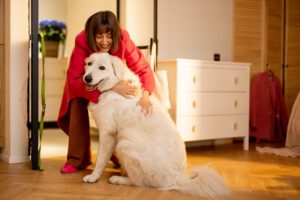
We know that there is nothing quite as heartwarming as your dog being overjoyed to see you. However, if your dog has separation anxiety, you will need to be very calm when returning home. Your puppy associates you leaving with distress and you returning with celebration. Your goal is for the entire process to be relaxed. If they have made a mess in your absence, do not punish them for it. If your dog is dancing around you excitedly, do not acknowledge them. Only once your puppy has settled should you greet them. Your dog will quickly learn that the sooner they calm down, the sooner they will get your attention.
What About Medication?
For particularly severe cases, medication may be needed. Talk to your veterinarian to determine if this is the best solution for your dog, and remember – medication should be used with training, and never instead of training. Medication alone is unlikely to solve your dog’s separation anxiety, and even if it does, you are treating the symptom rather than the root cause. Our goal is for all members of the household to feel safe, confident, and comfortable both together and apart.