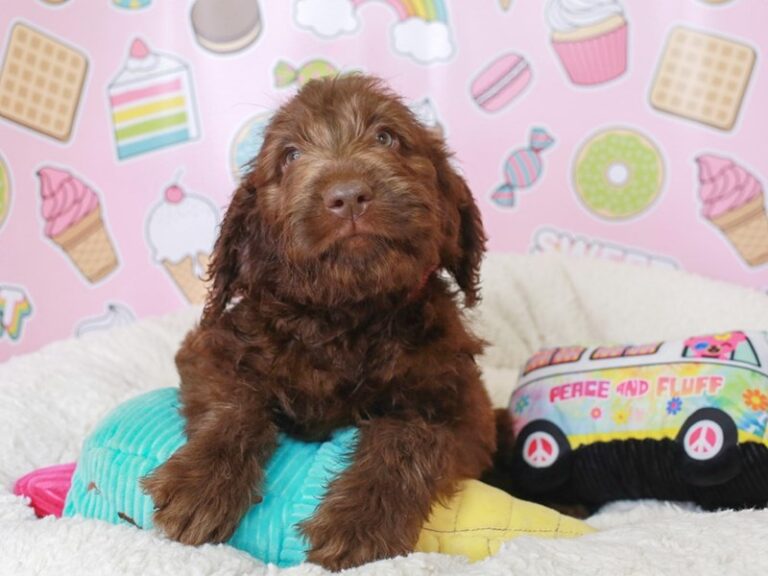
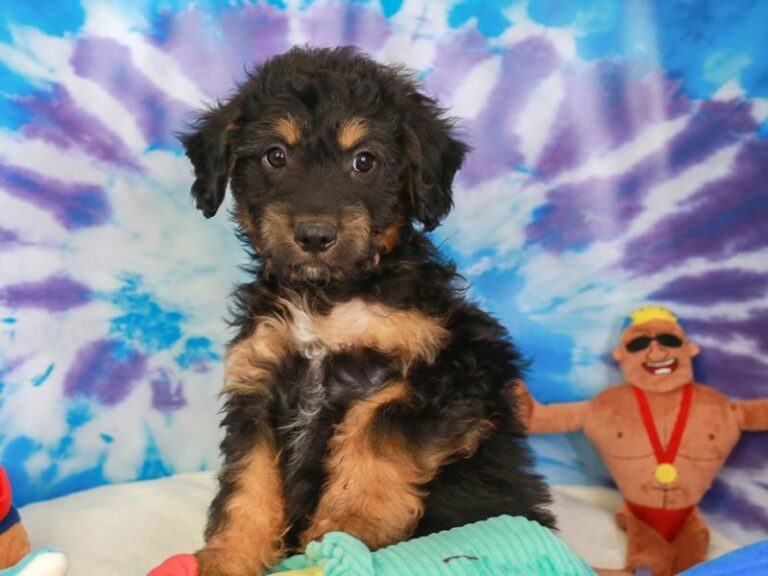
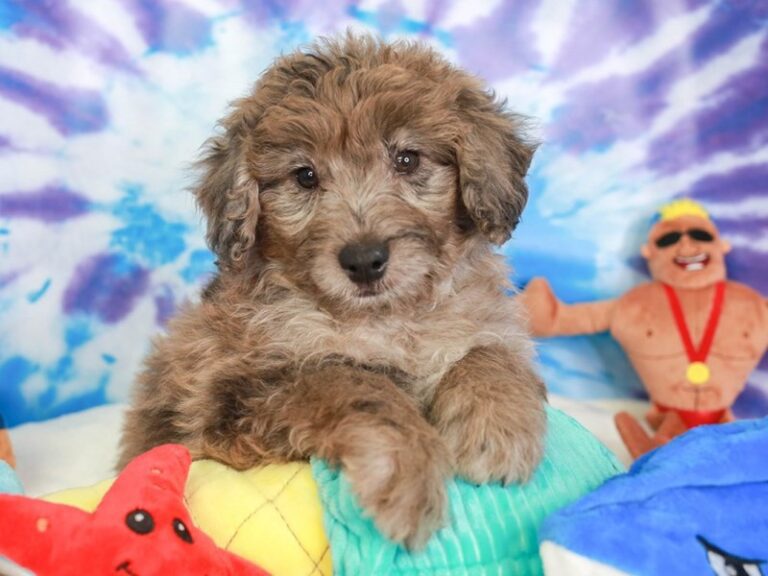
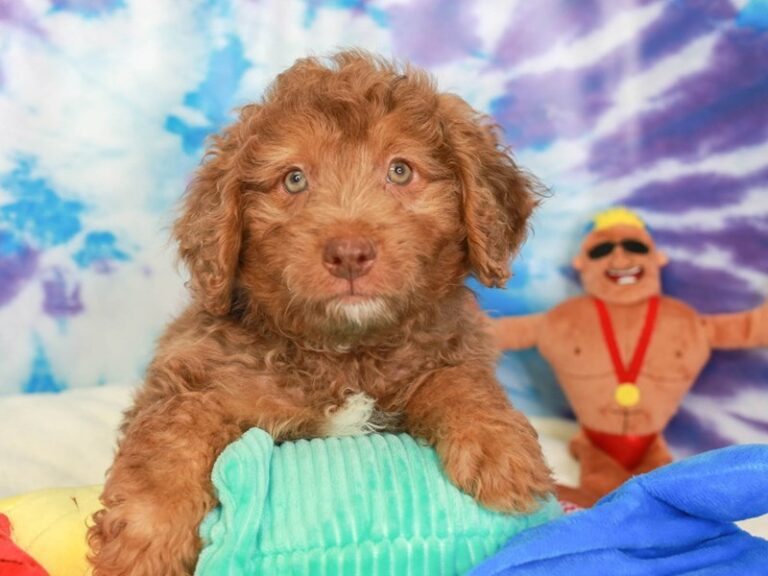
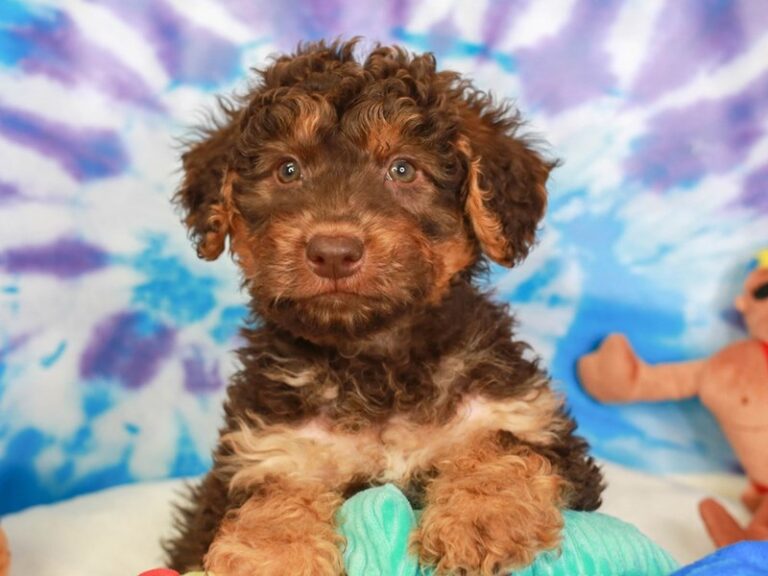
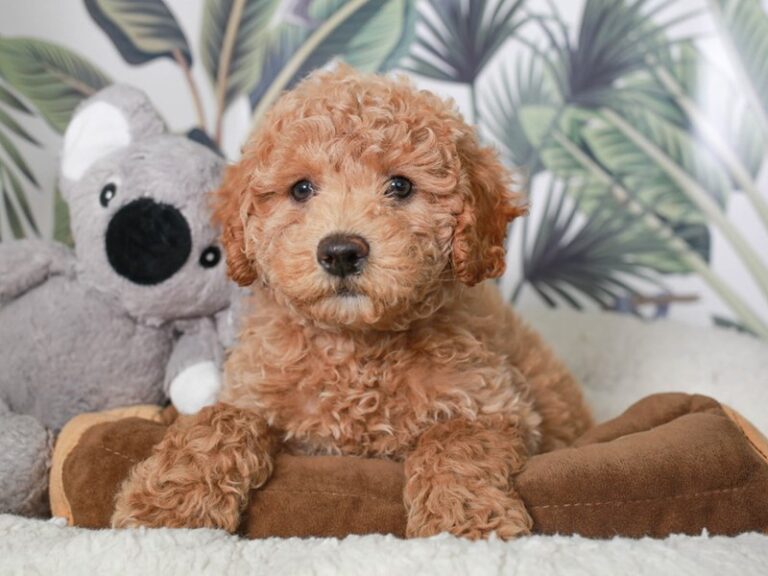
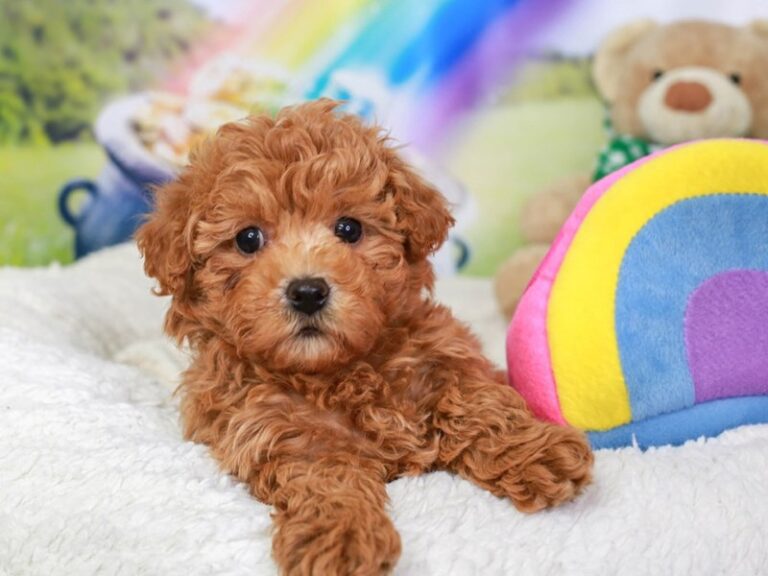
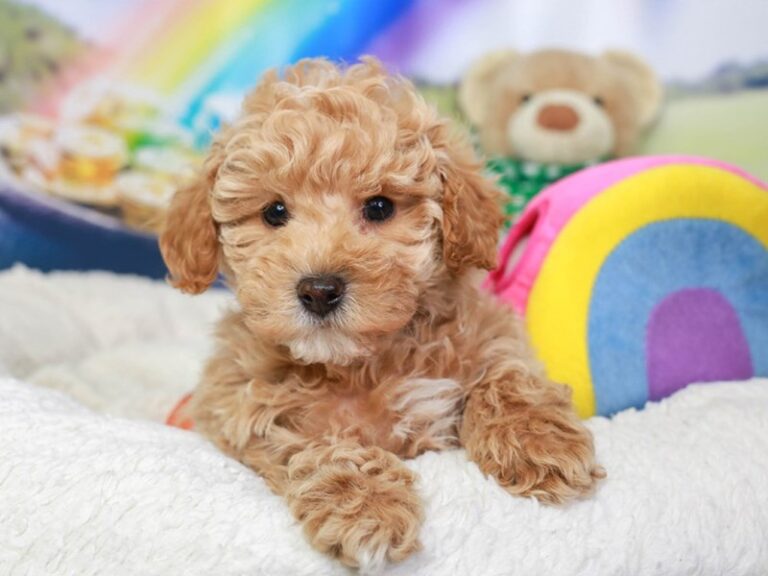
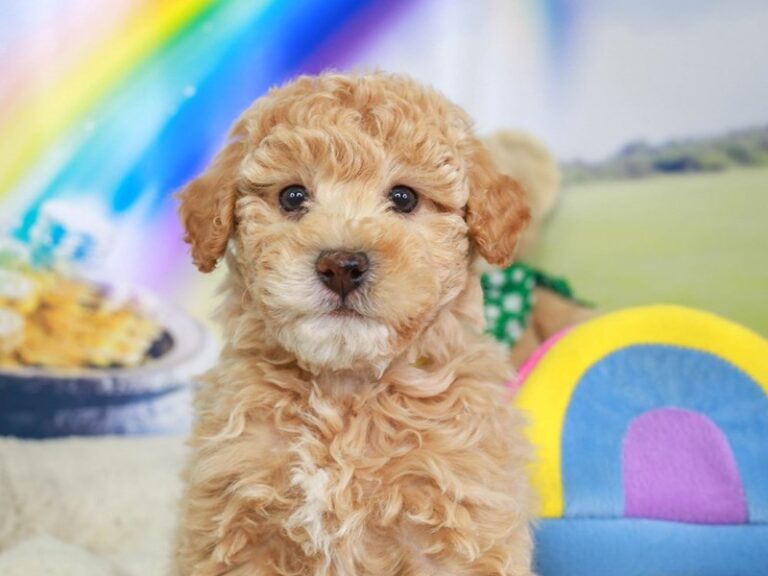
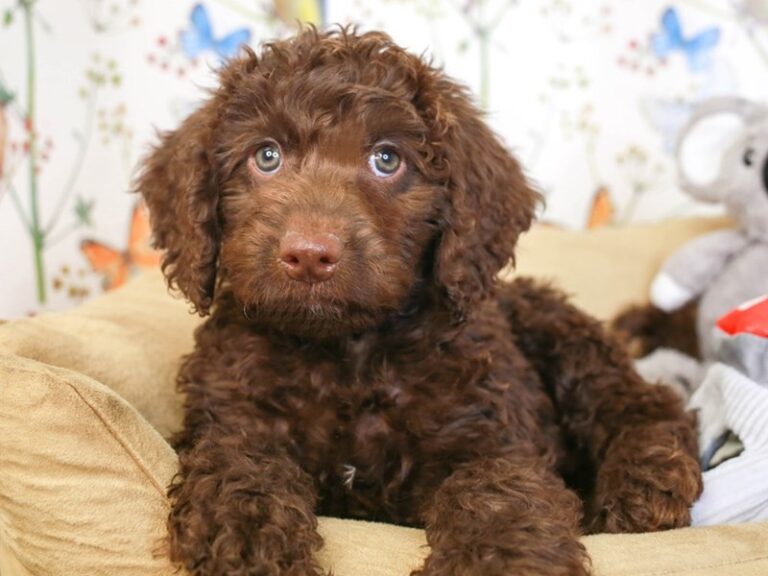
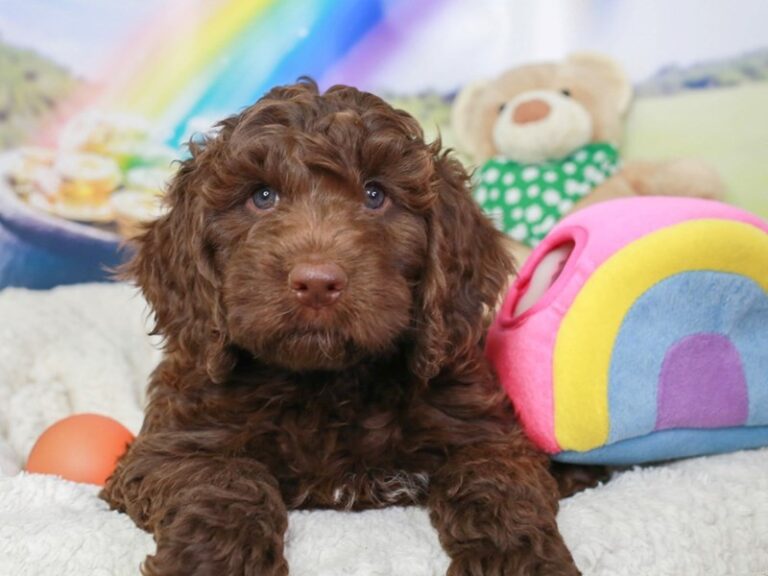
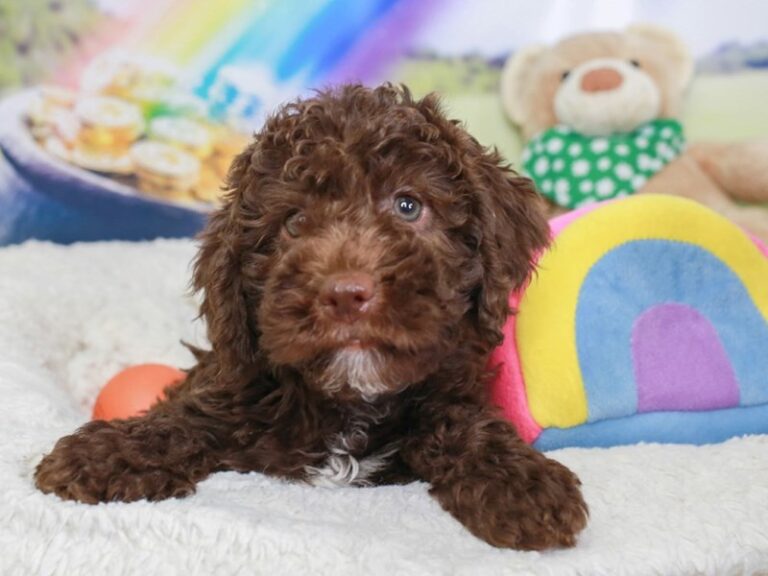
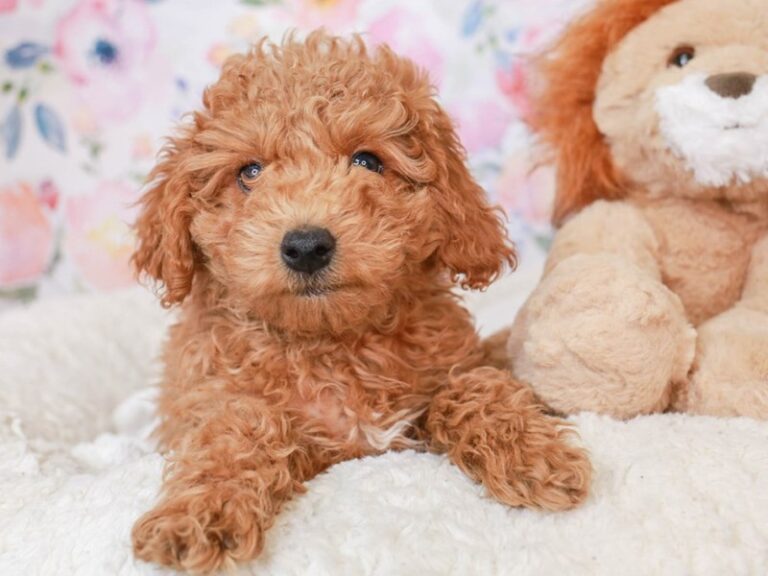
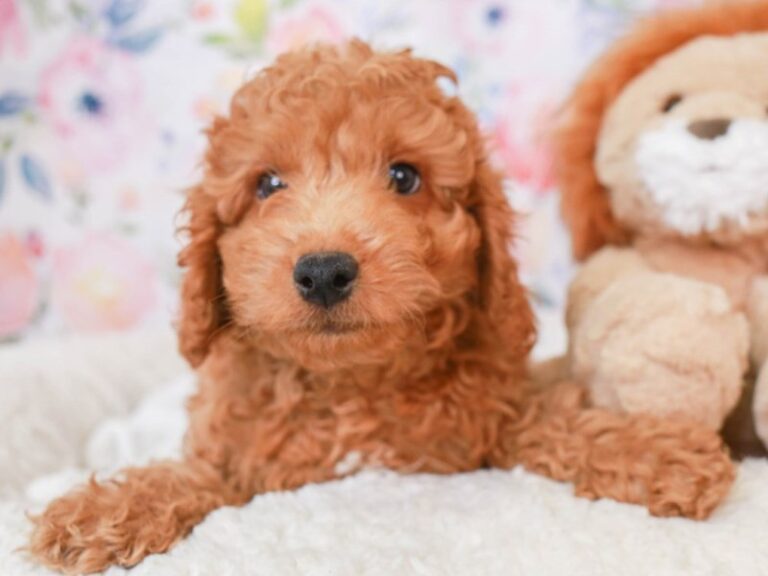
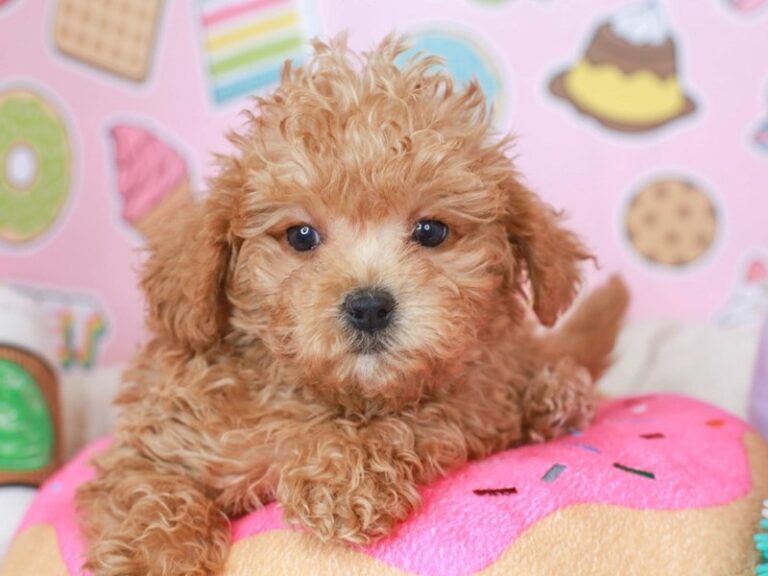
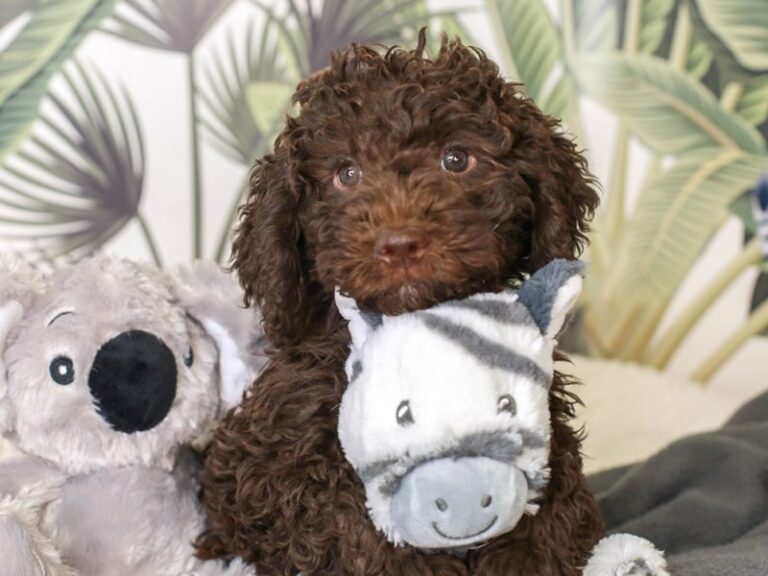
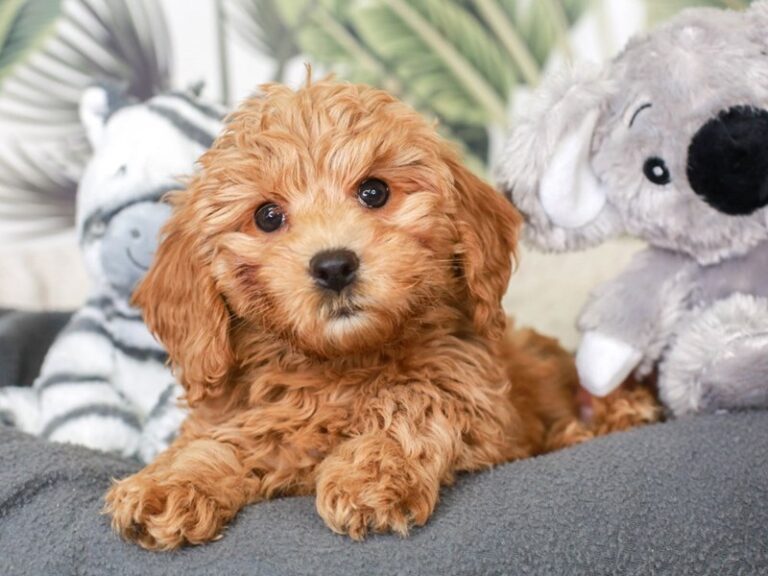
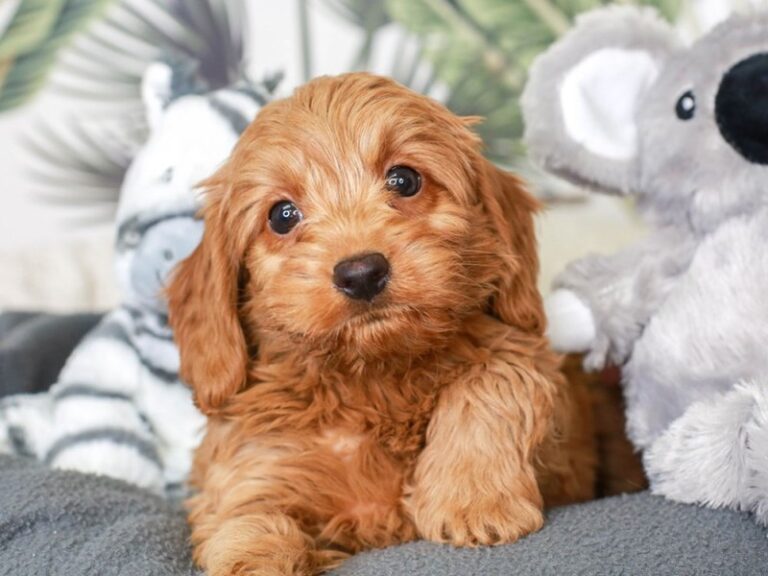
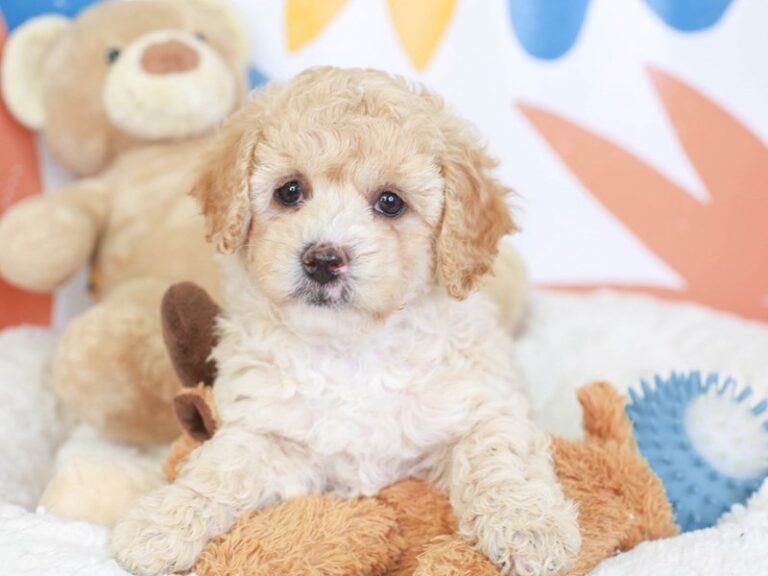
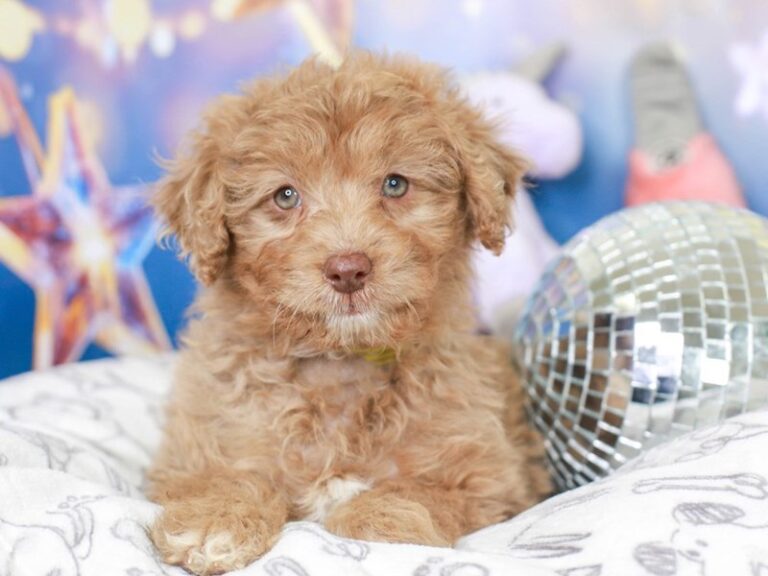
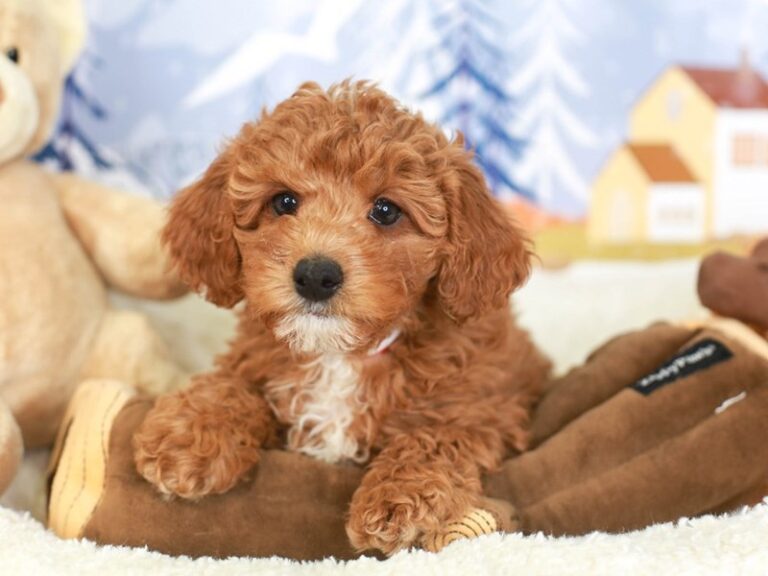
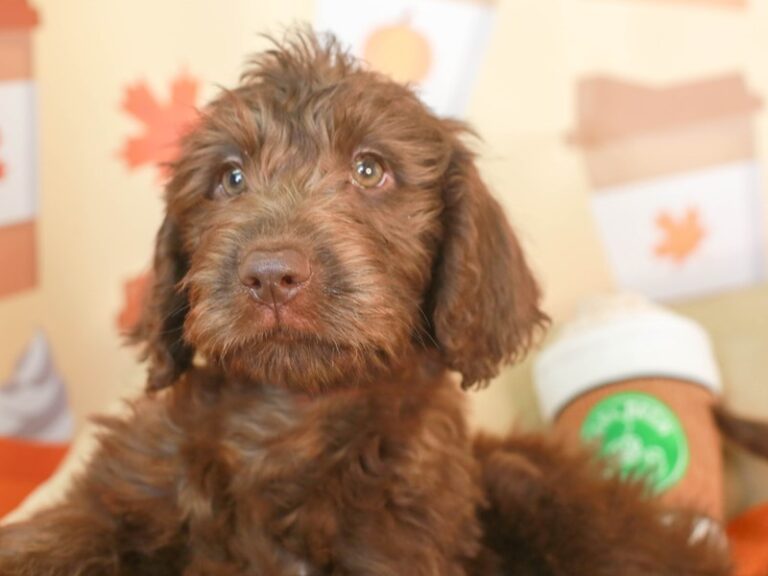
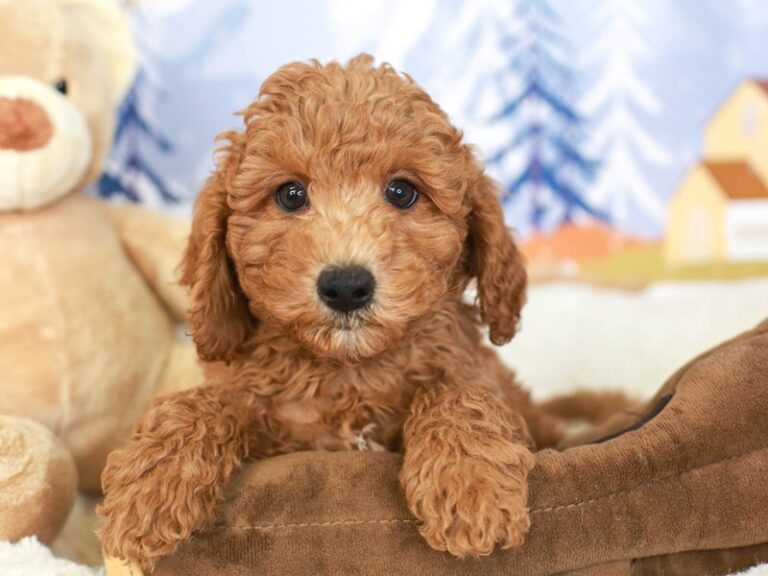
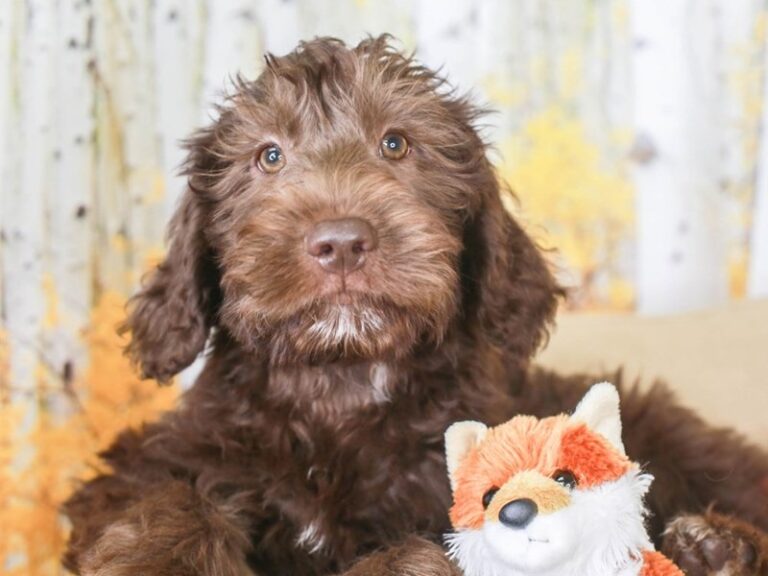
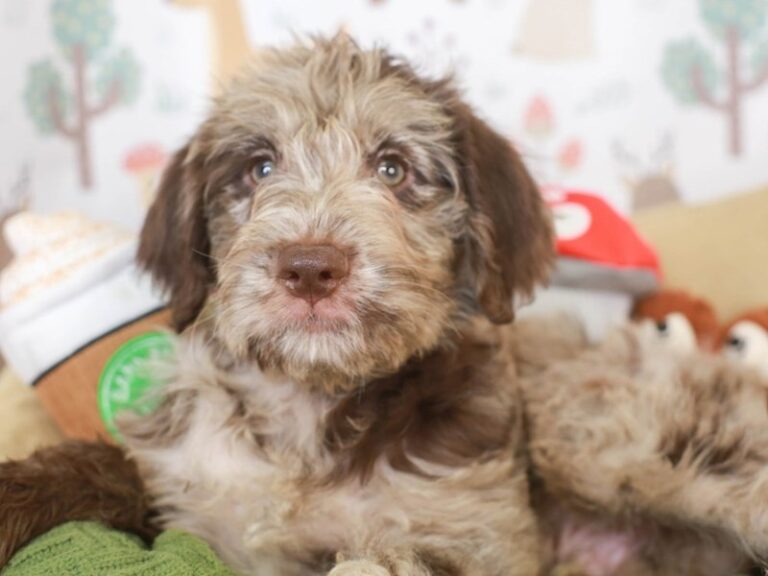
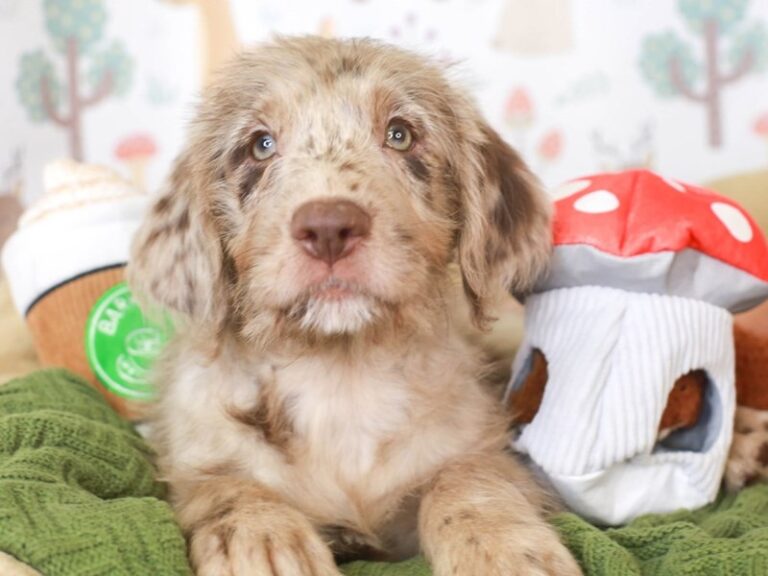
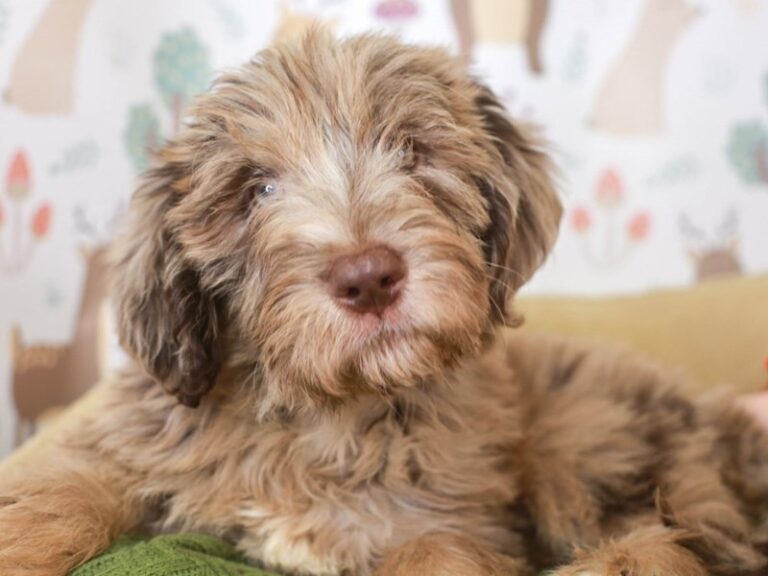
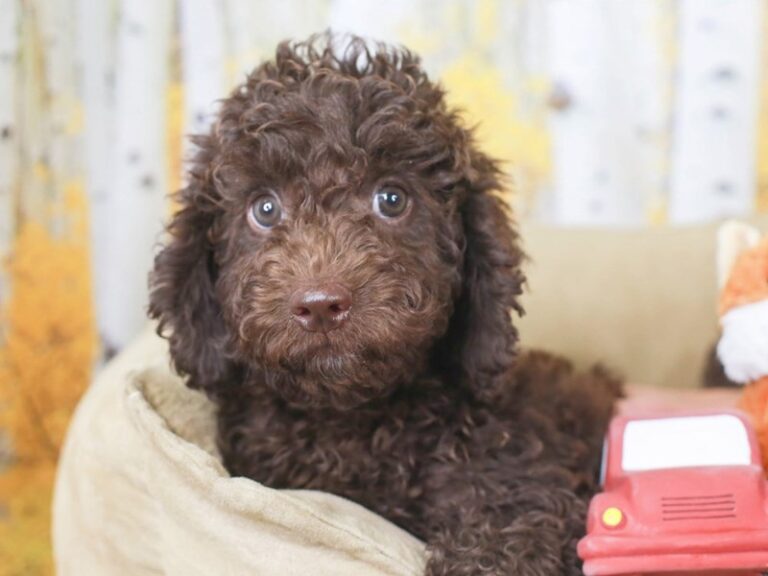
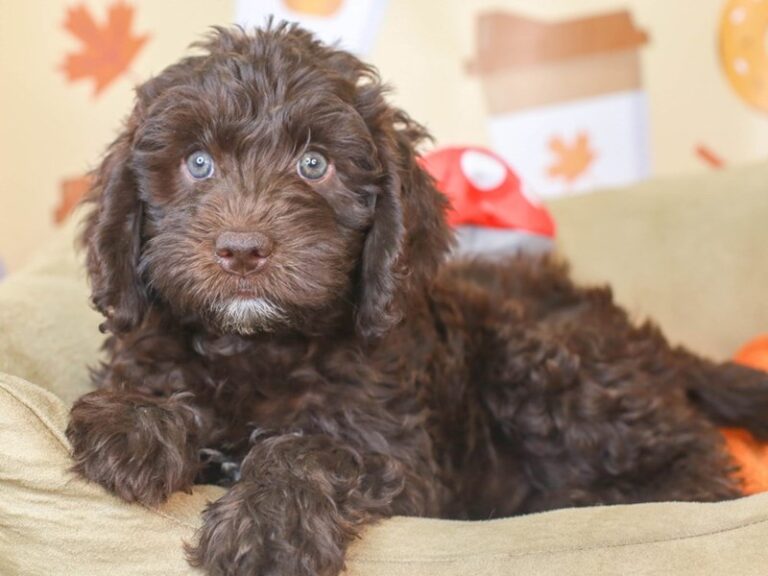
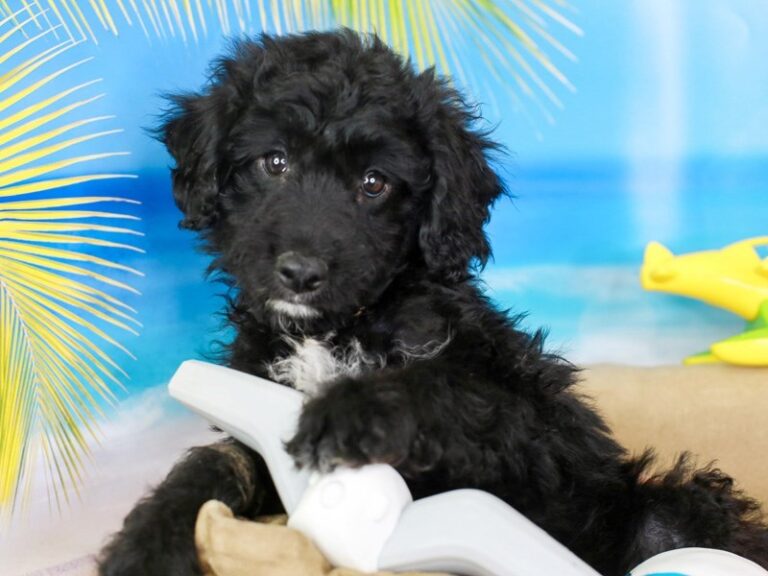
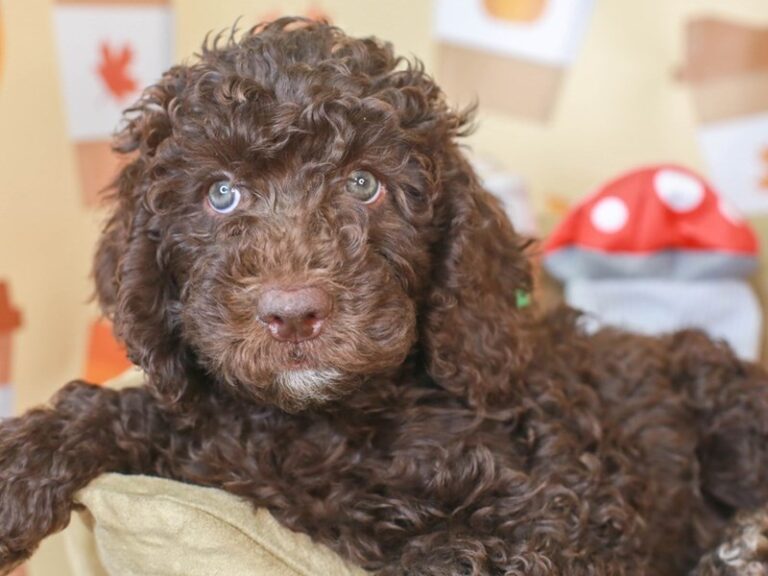
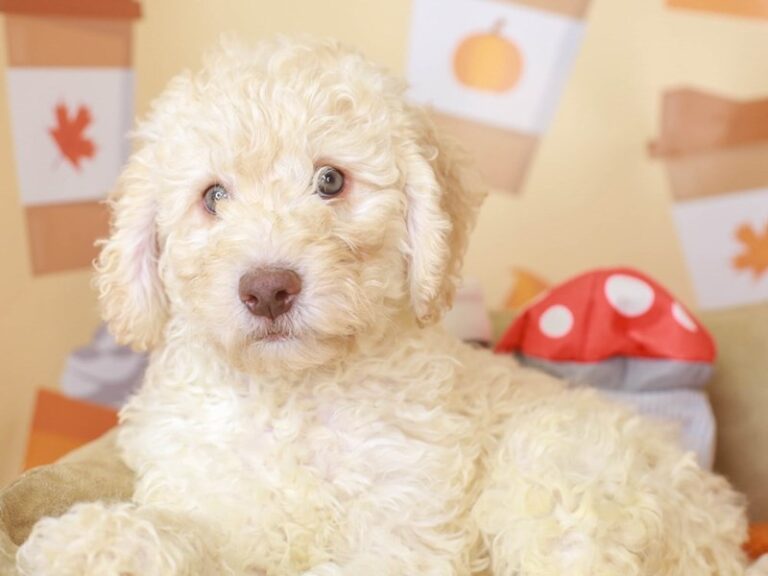
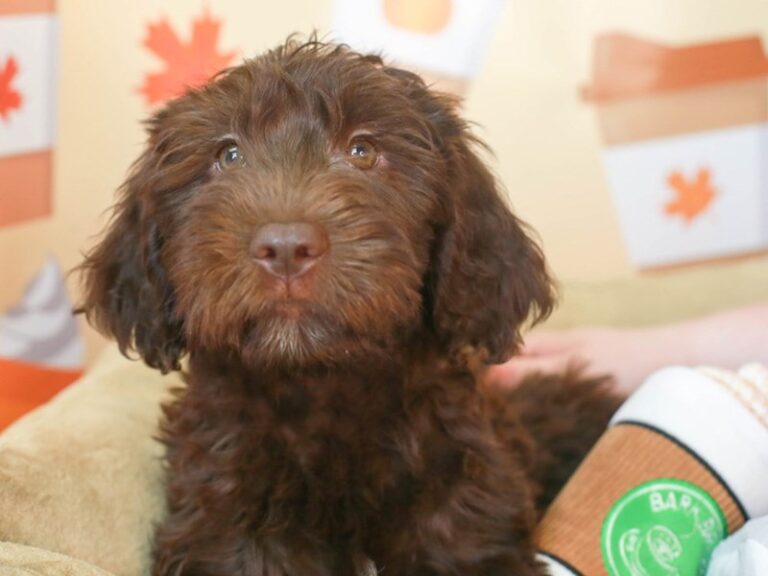
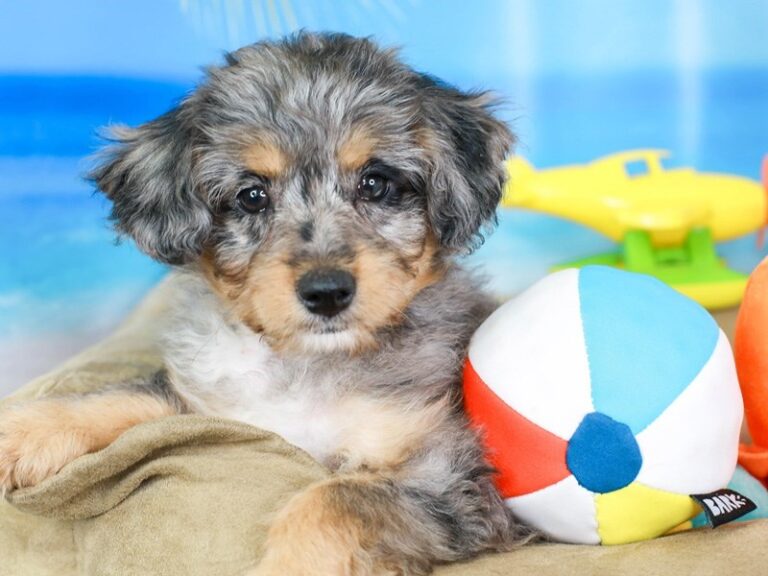
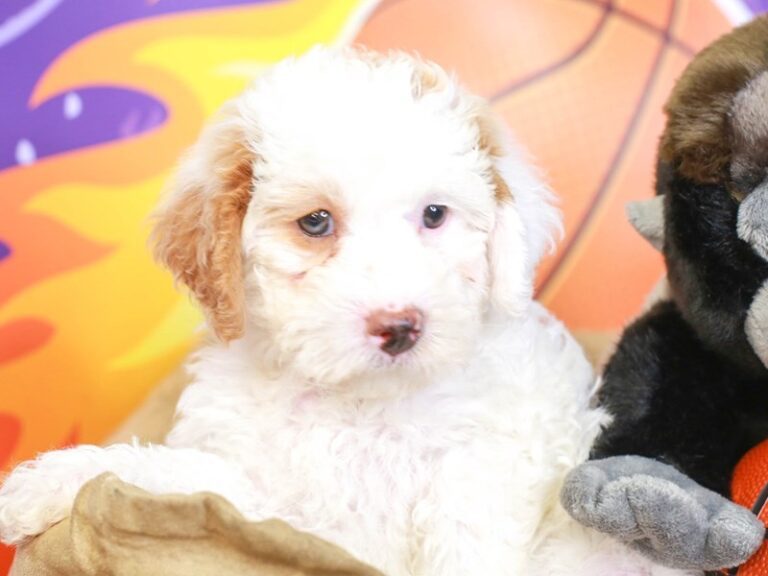
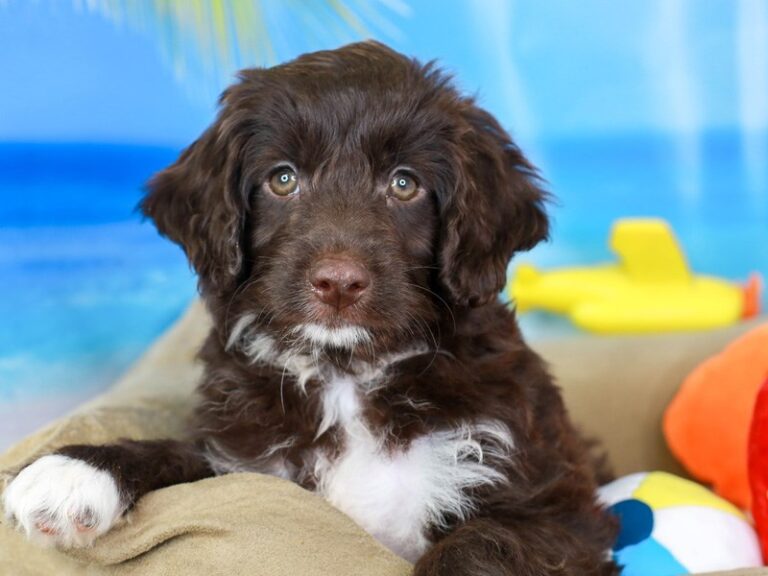
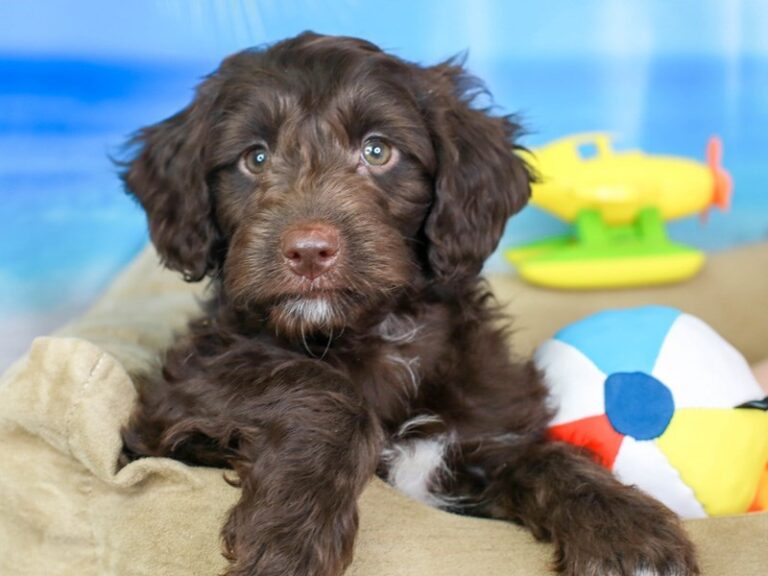
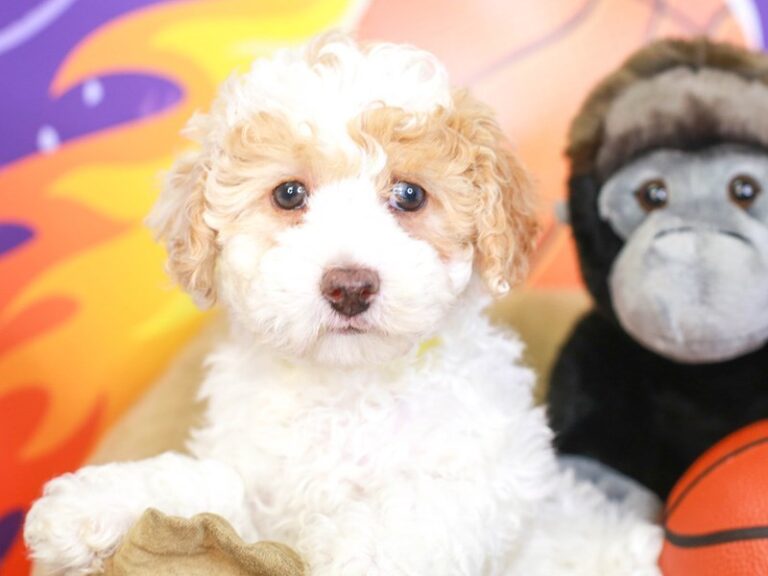
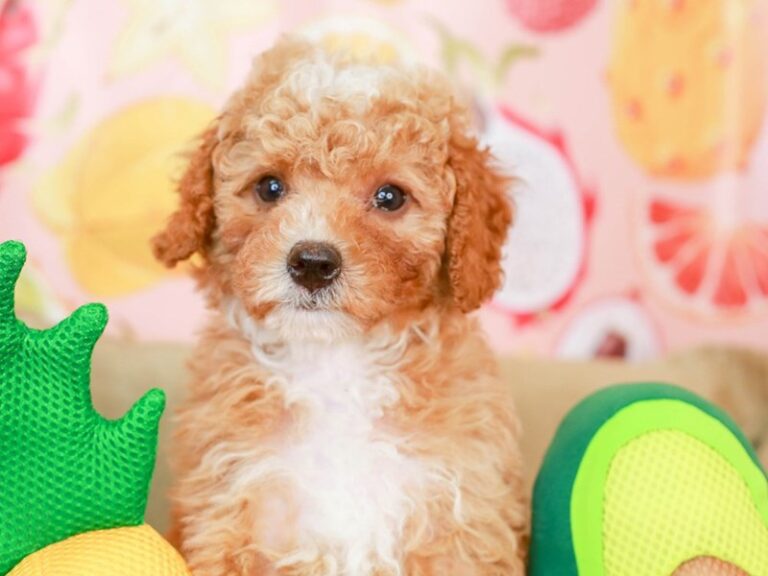
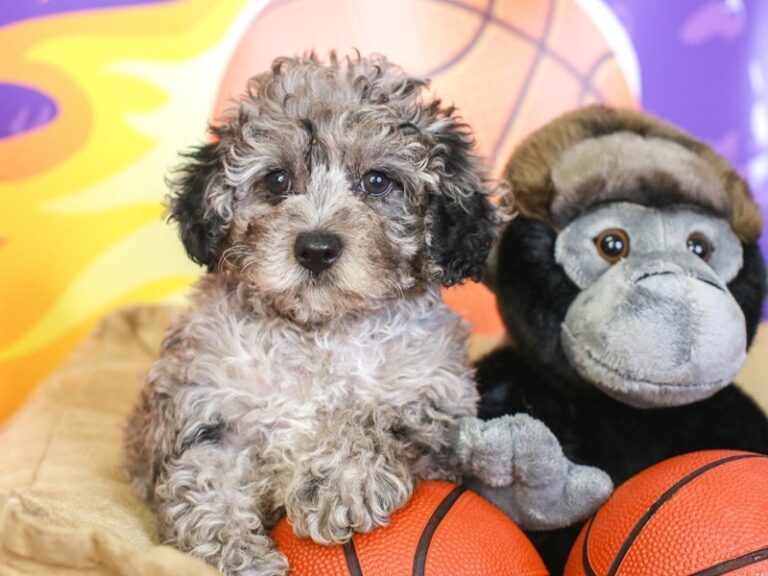
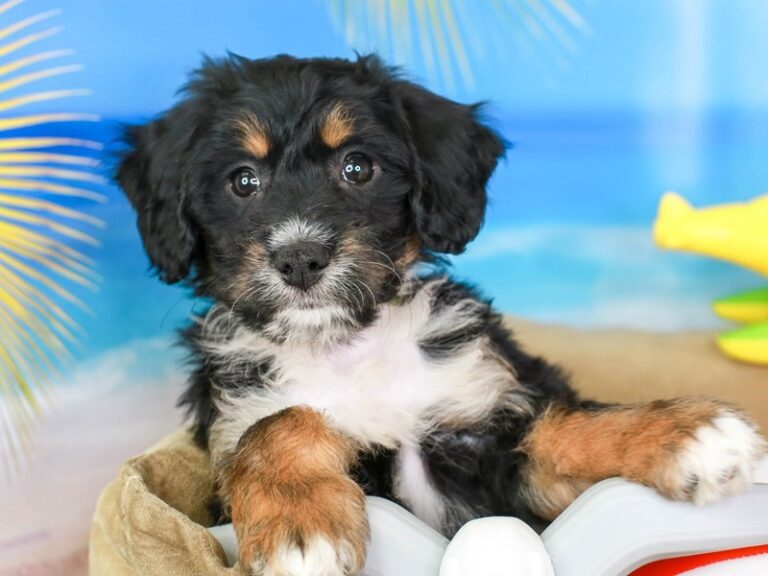
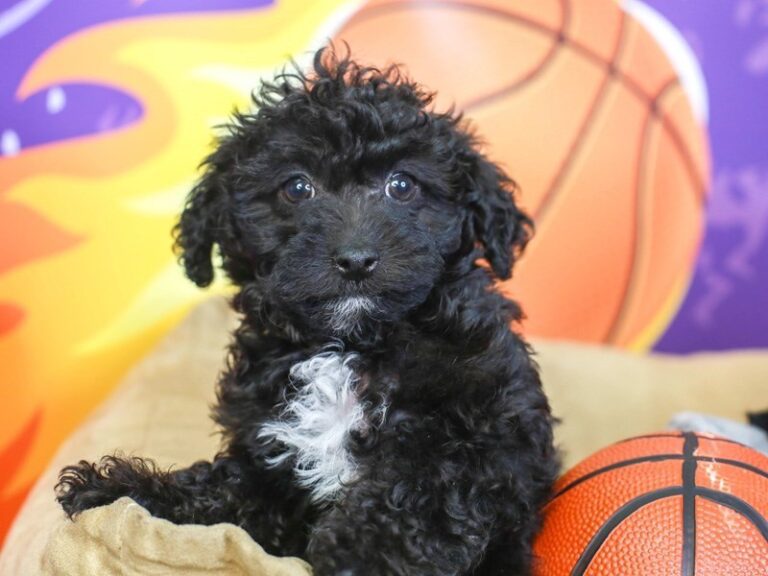
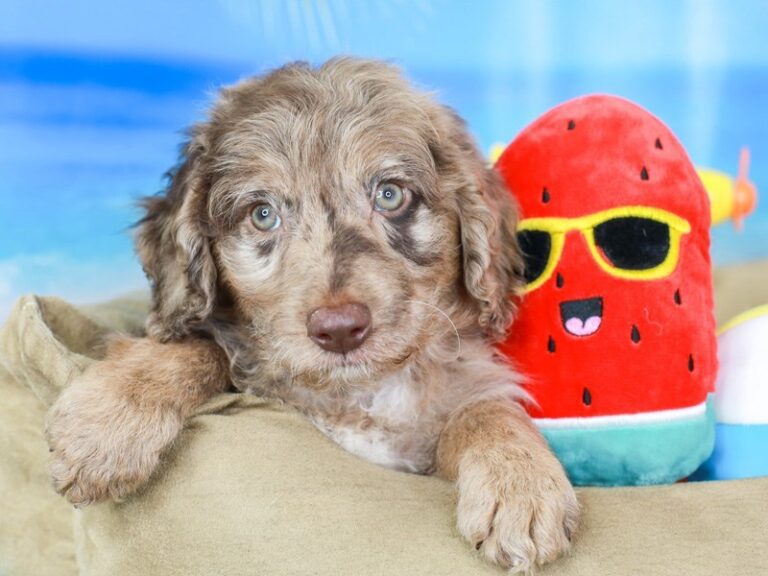
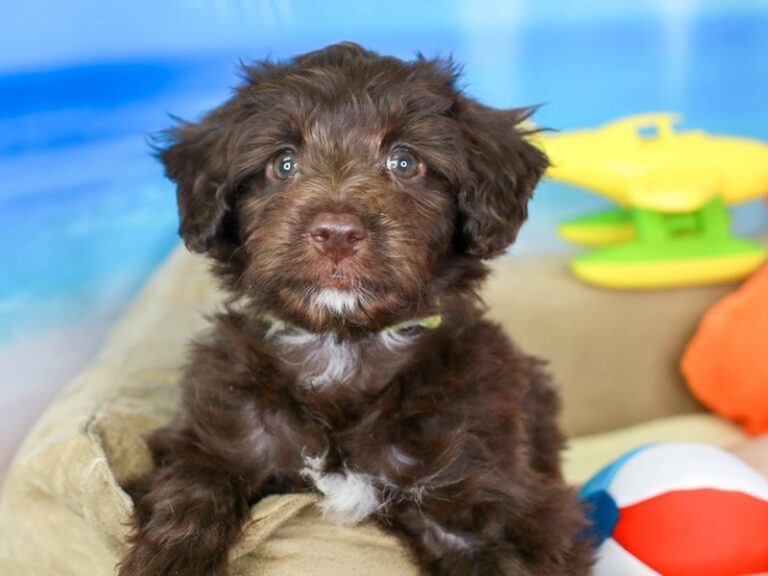
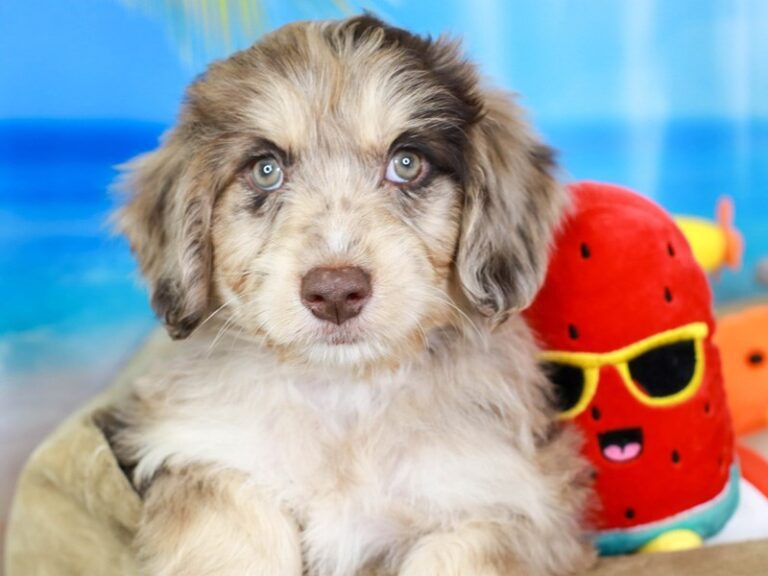
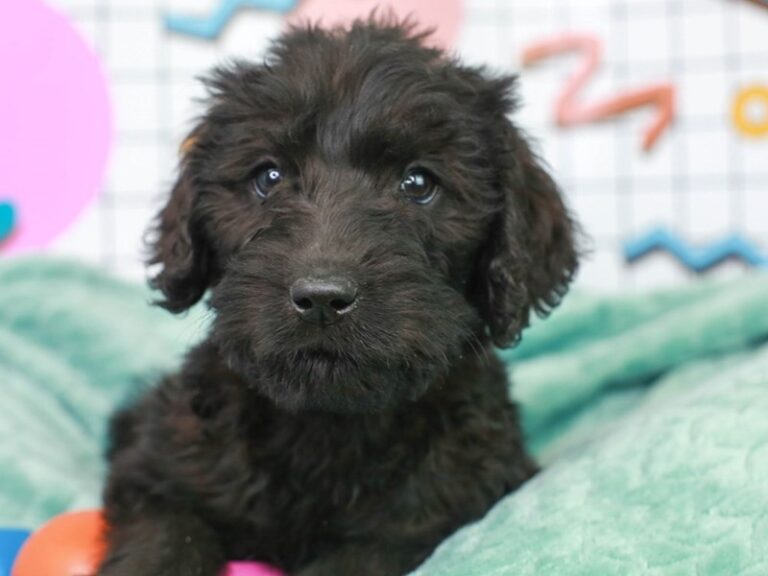
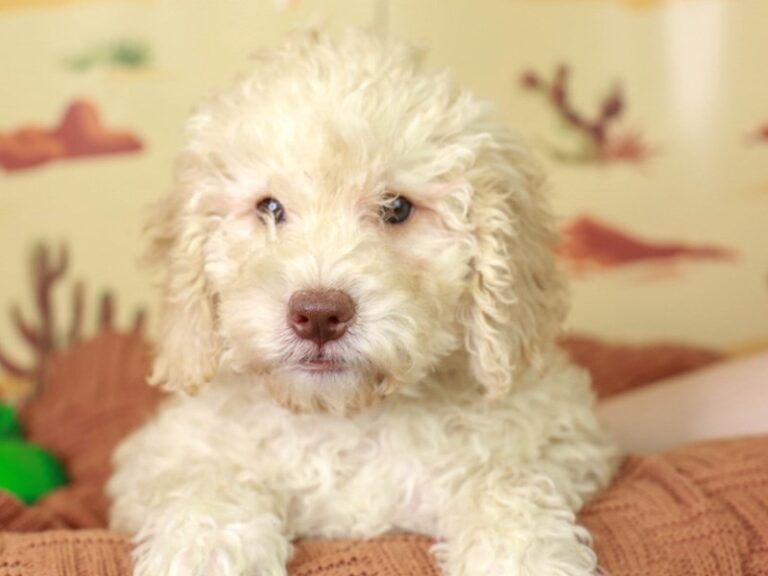
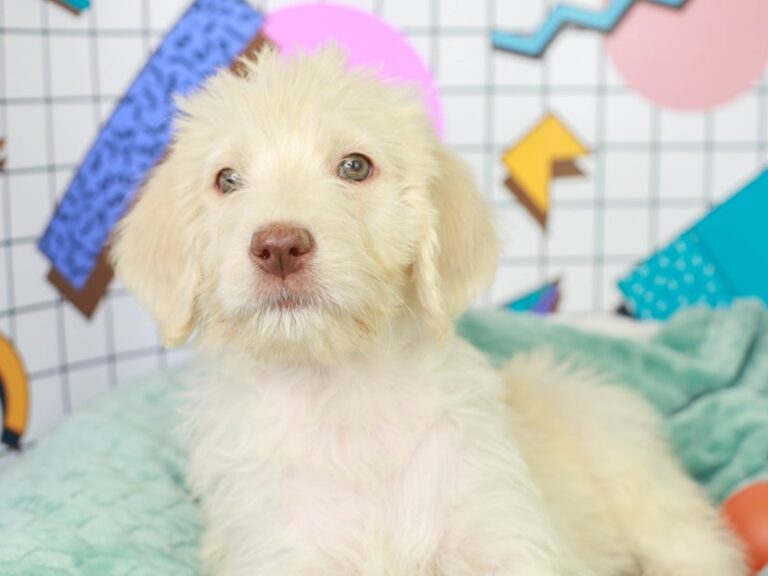
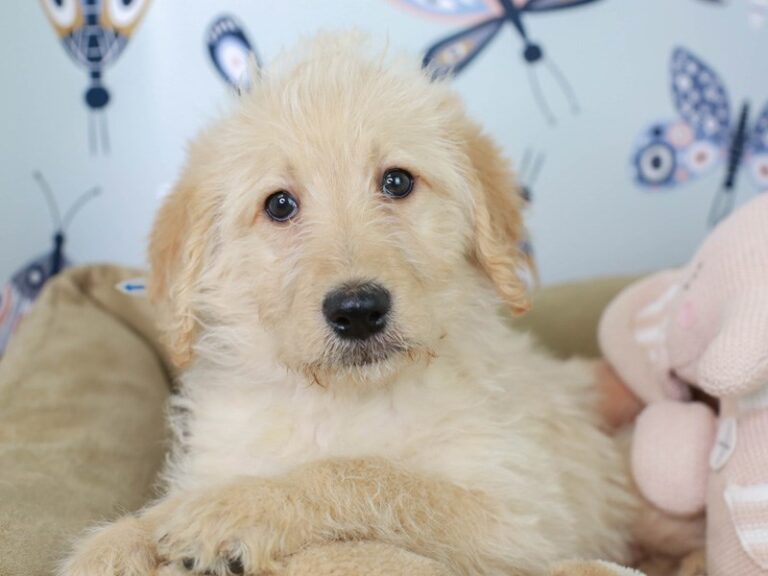
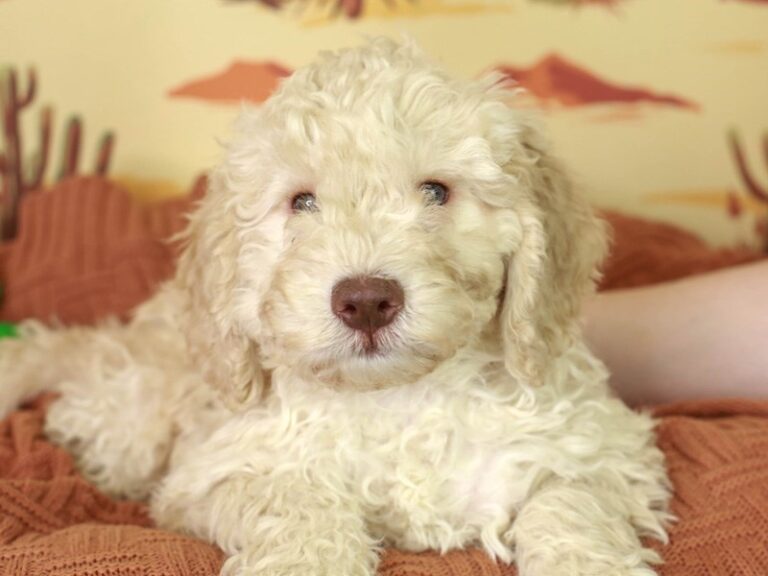
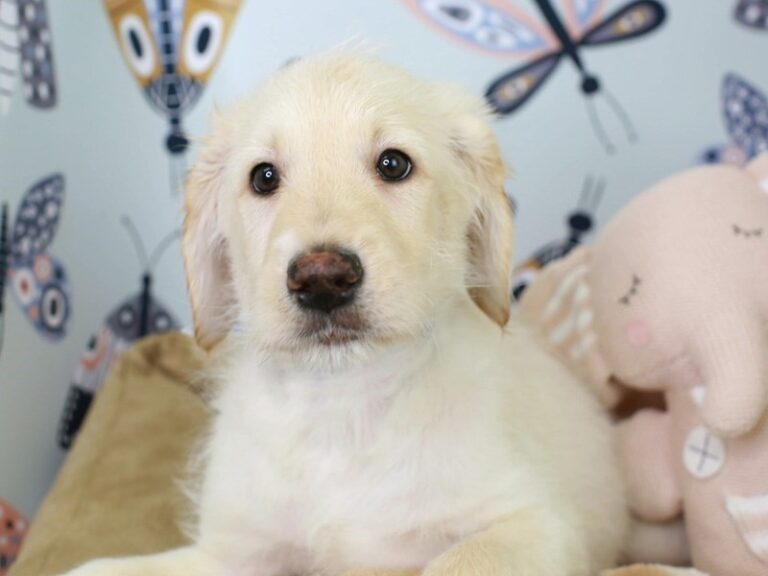
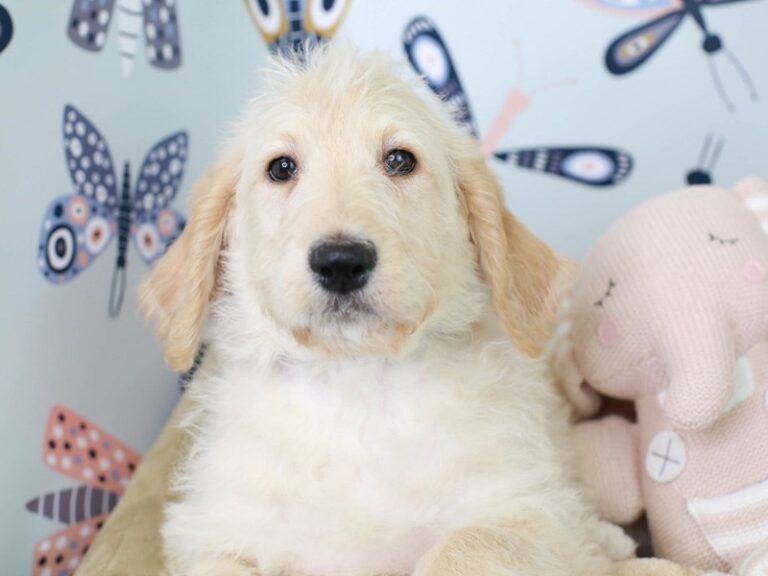
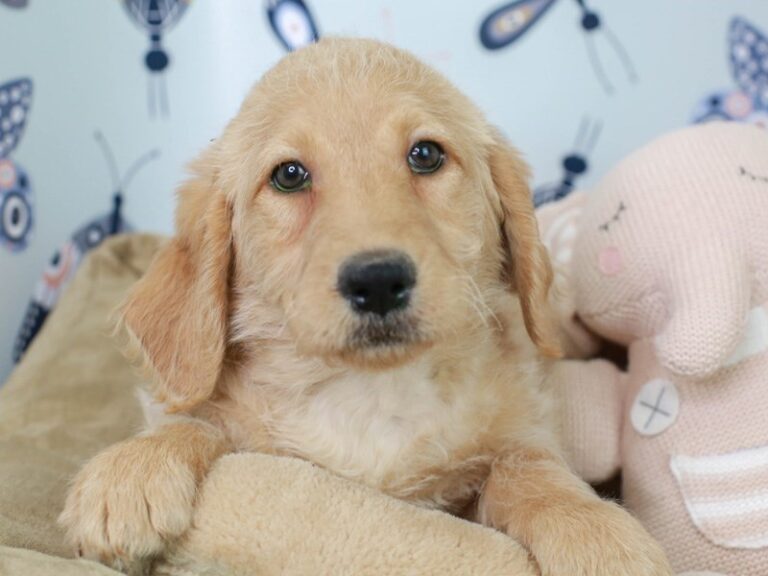
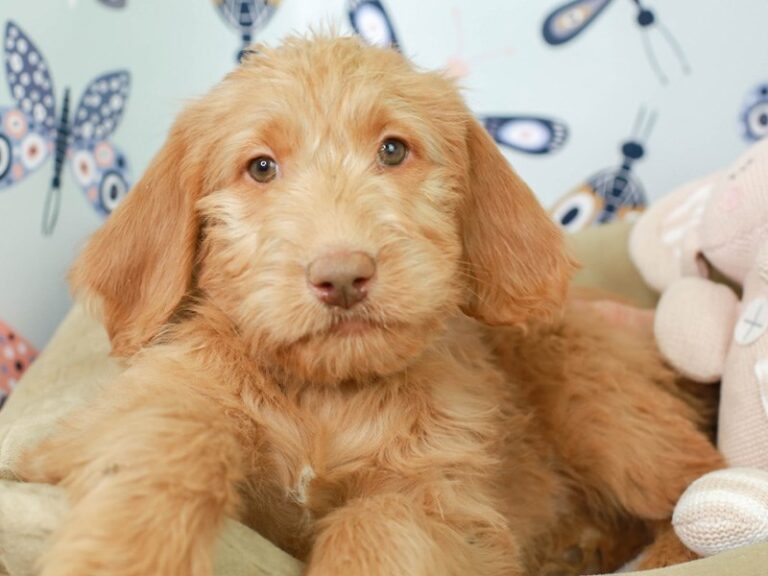
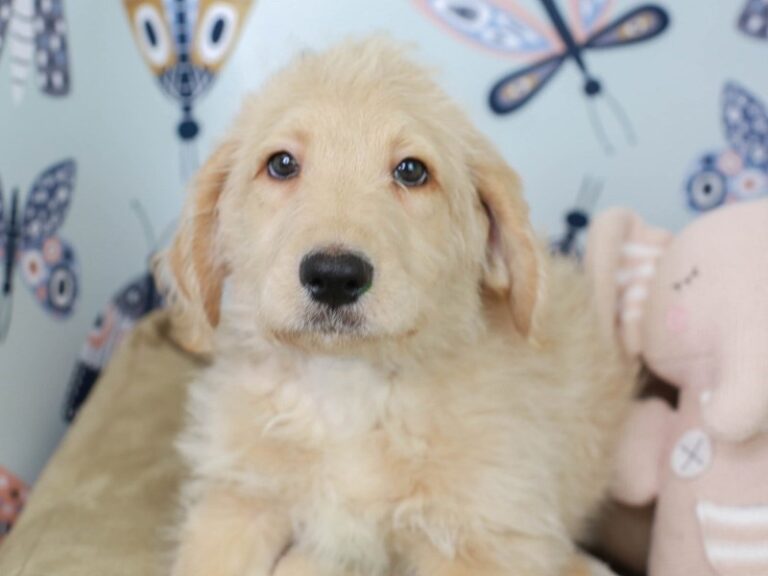
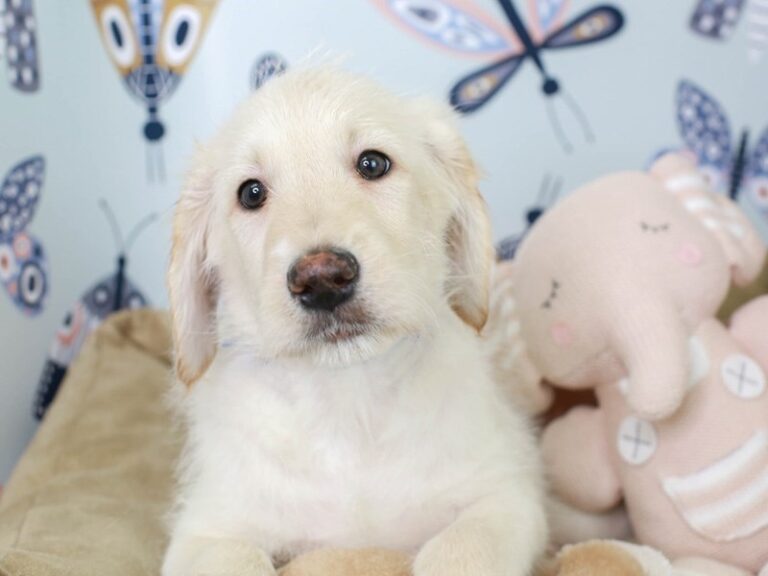
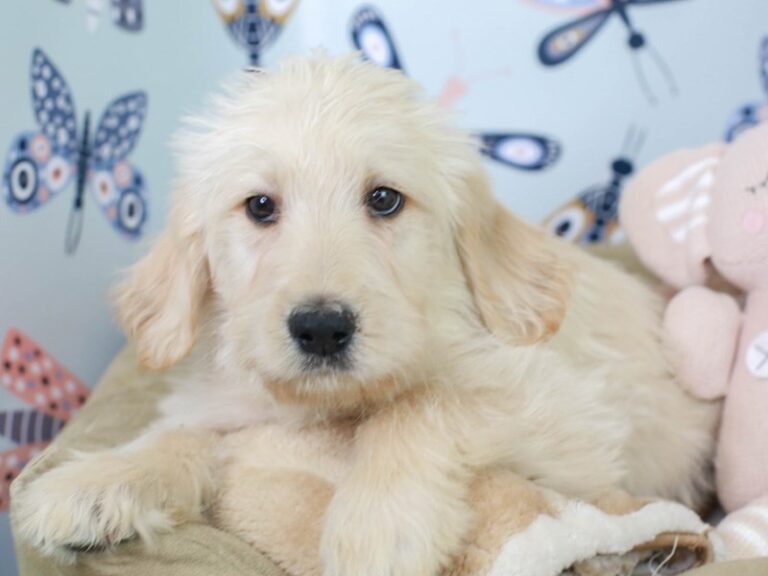
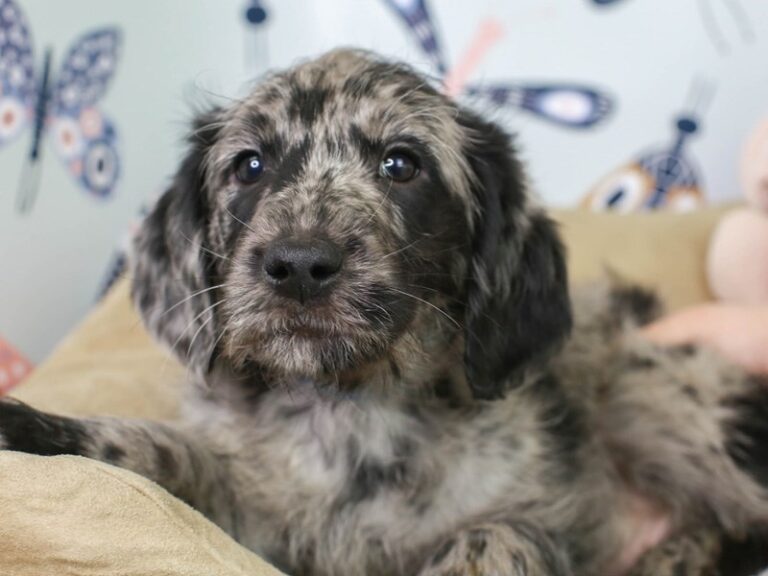
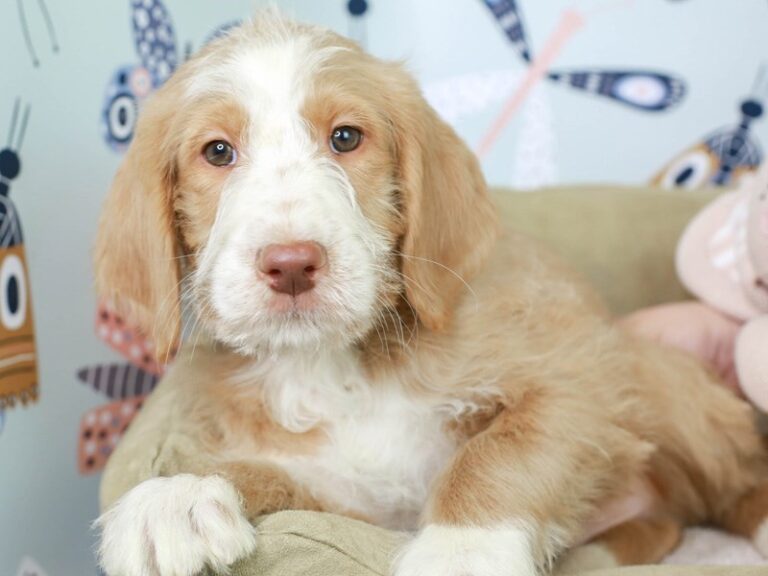
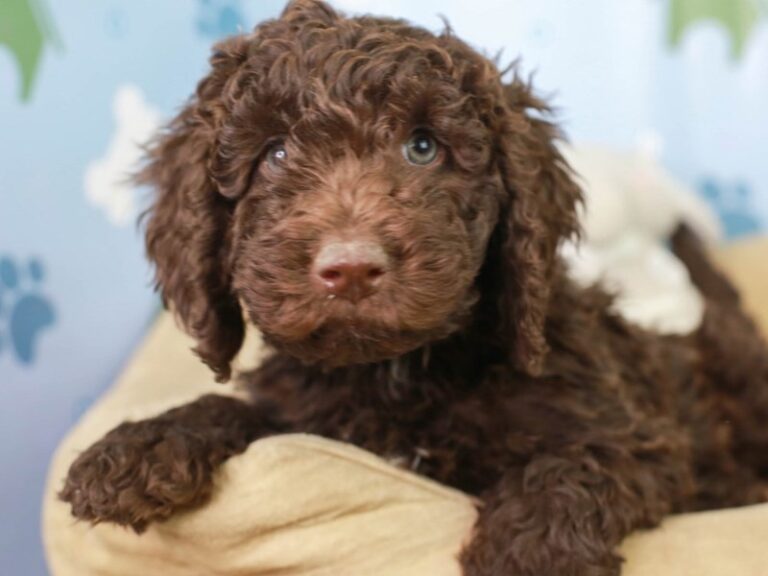
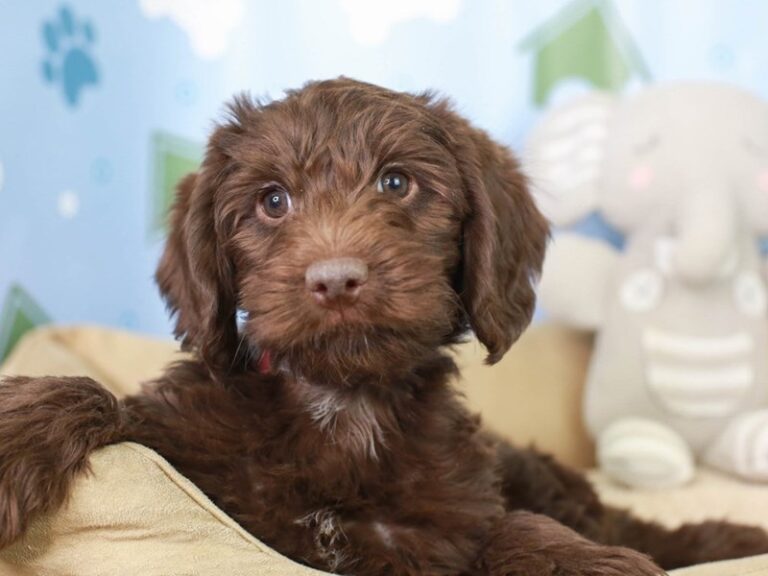
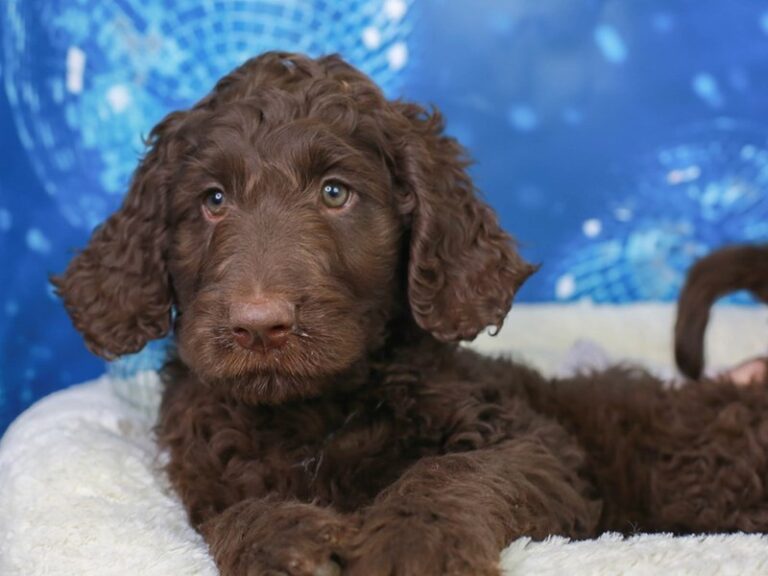
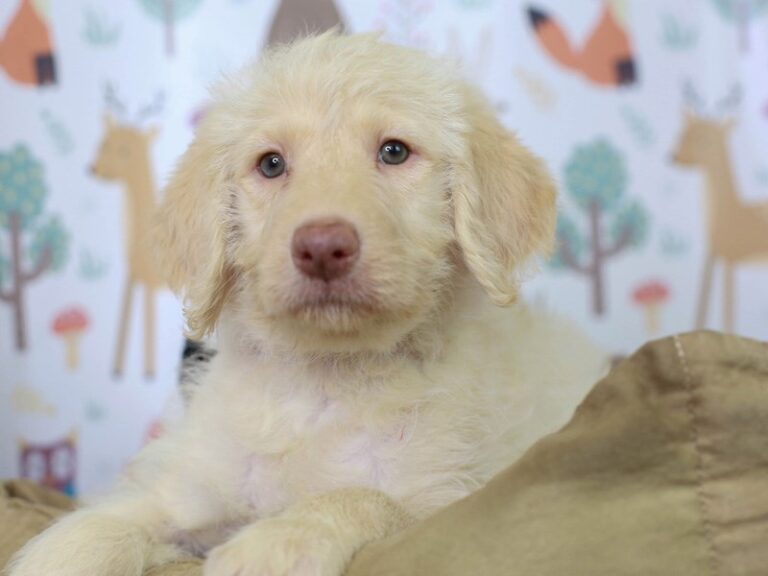
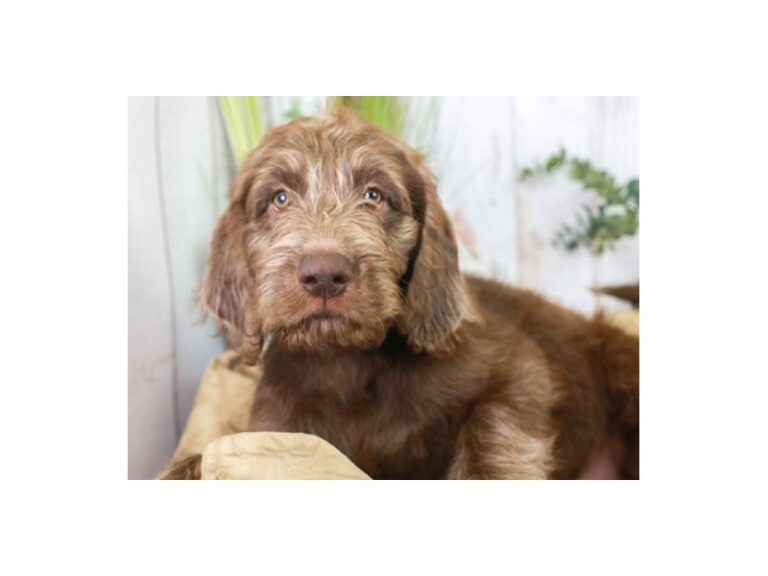
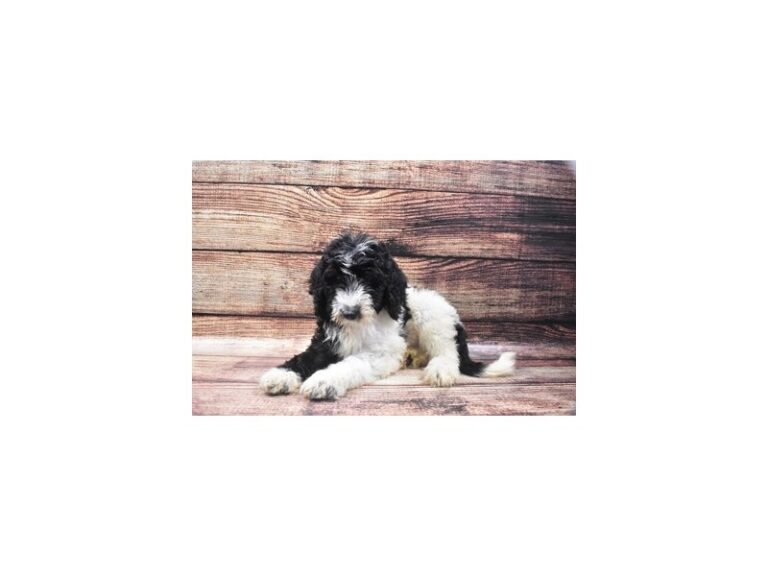
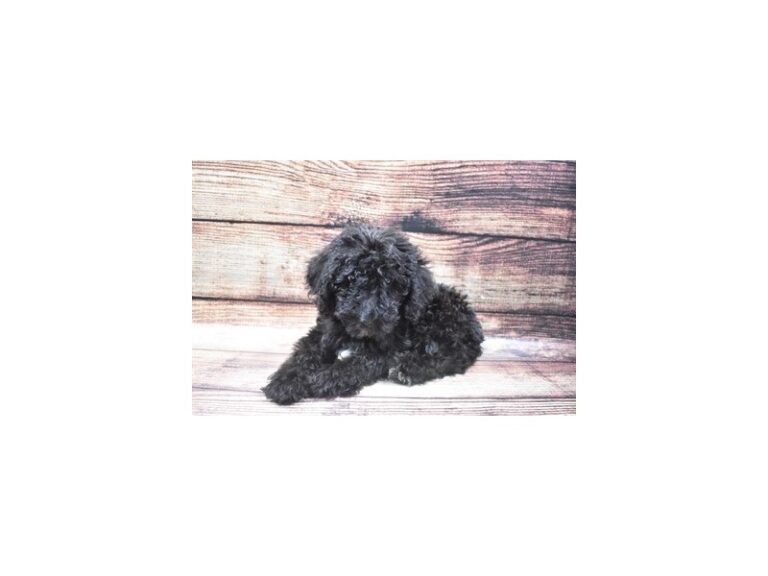
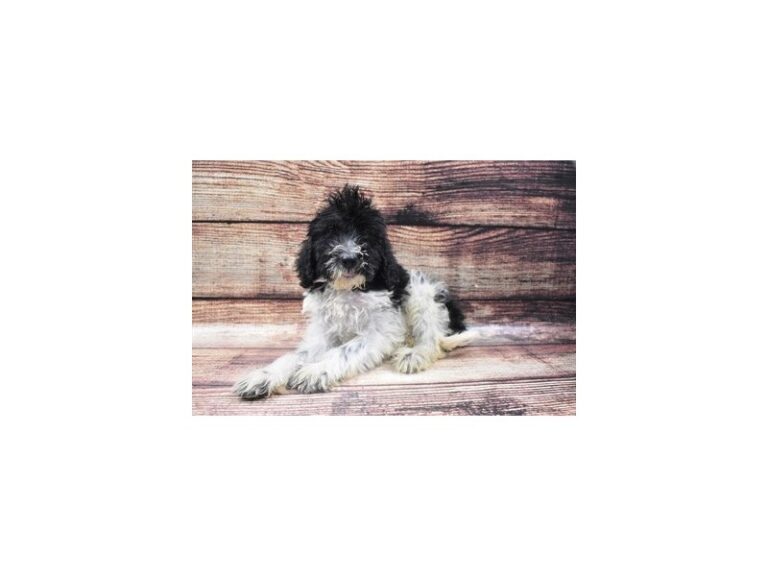
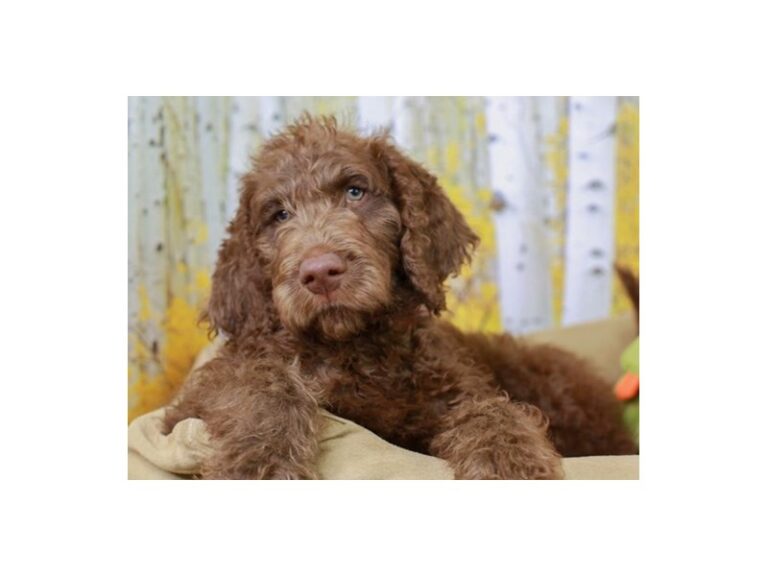
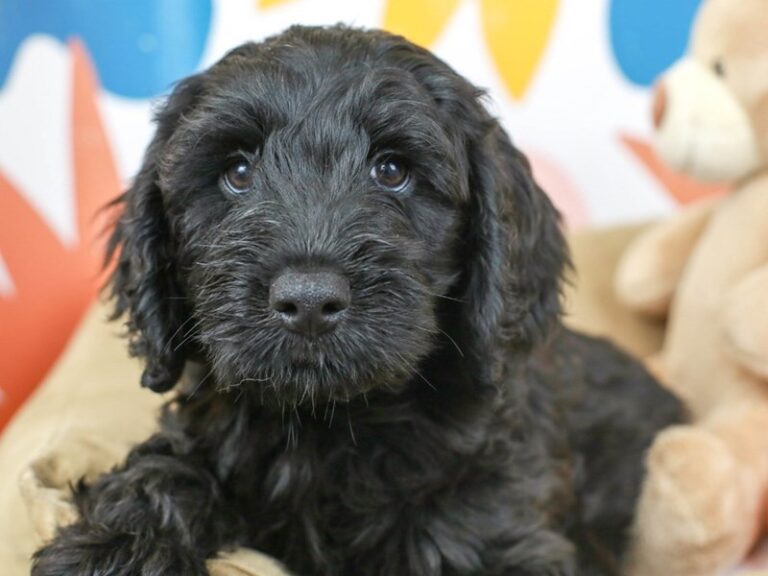
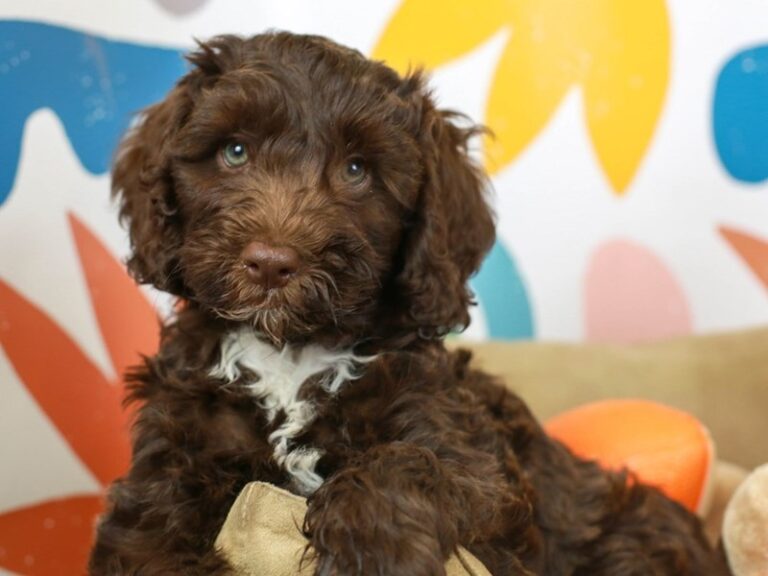
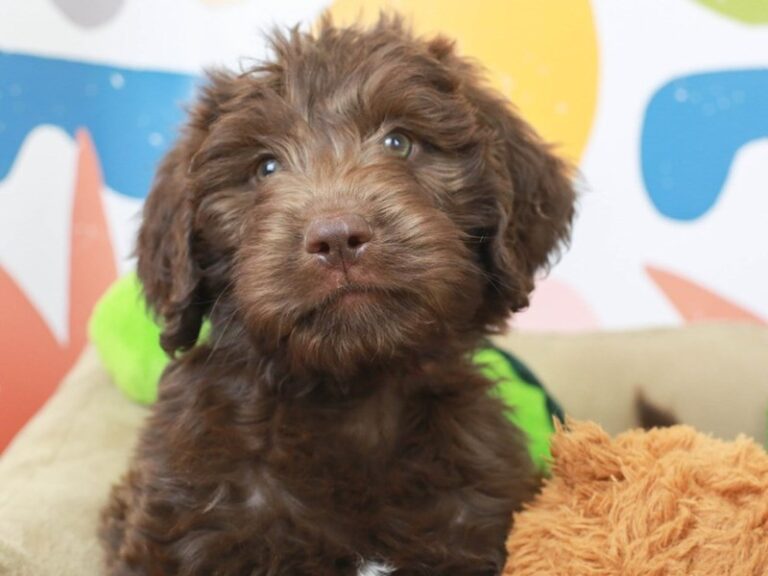
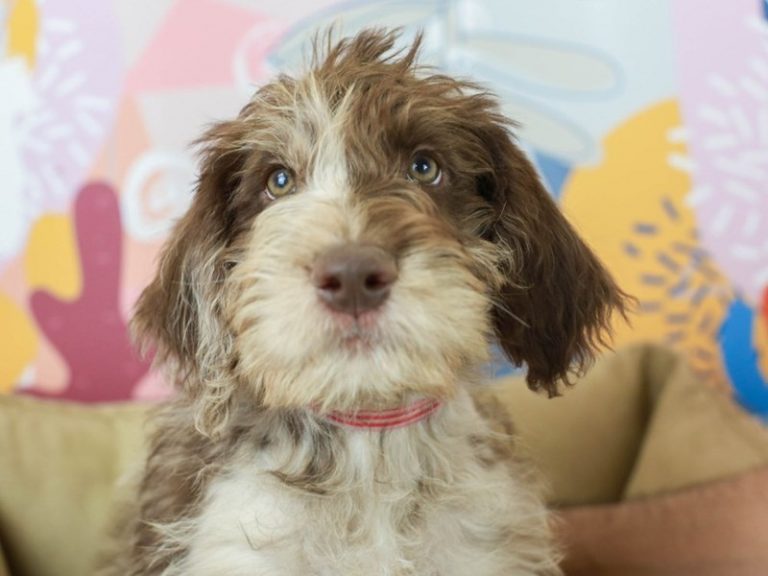
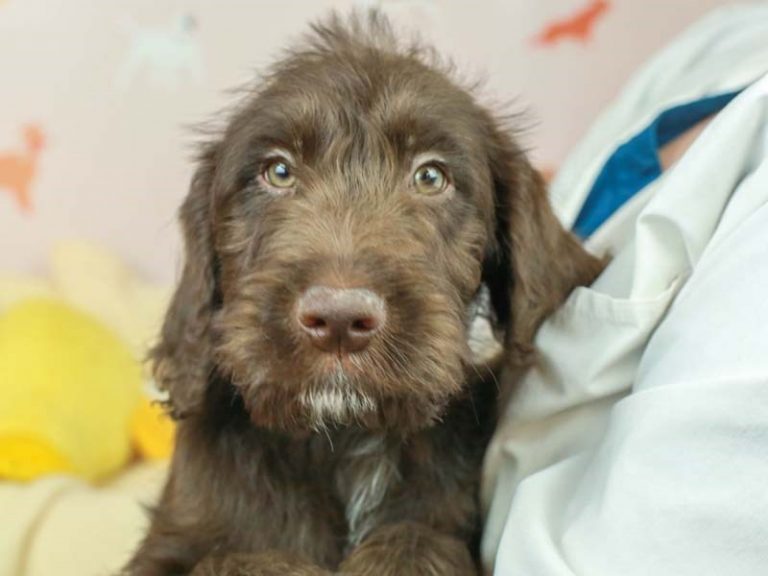
Labradoodles are often friendly, outgoing, and devoted to their families. They may inherit the Labrador Retriever’s social and playful nature along with the Poodle’s intelligence and eagerness to learn.
Many Labradoodles enjoy being involved in family activities and can form strong bonds with their owners. Their energetic personalities can make them excellent companions for active households.
Early socialization is important for helping a Labradoodle puppy become comfortable around different people, animals, sounds, and environments.
Breed Characteristics
- Breed Type: Labrador Retriever–Poodle mix
- Height: Approximately 14–24 inches, depending on size
- Weight: Approximately 15–65+ pounds, depending on size
- Life Expectancy: Around 12–15 years
- Coat: Straight, wavy, or curly
- Colors: Cream, apricot, chocolate, black, red, gold, and various combinations
- Temperament: Friendly, affectionate, intelligent, playful, social
- Energy Level: Moderate to High
Intelligence & Trainability
Labradoodles can be highly intelligent and responsive to training. Both parent breeds are known for their trainability, and many Labradoodles enjoy learning new commands, tricks, and activities.
Positive reinforcement using treats, praise, toys, and play can make training enjoyable and effective.
Early training should include:
- Basic obedience
- House training
- Leash manners
- Recall
- Impulse control
- Socialization
- Appropriate greeting behavior
Labradoodles may also enjoy advanced activities such as agility, obedience, swimming, retrieving, and scent games.
Exercise Needs
Labradoodles are generally active dogs that benefit from daily physical activity and mental stimulation.
Good activities include:
- Daily walks
- Fetch
- Hiking
- Swimming
- Running
- Agility
- Interactive games
- Obedience training
- Puzzle toys
The appropriate amount of exercise depends on the individual dog’s age, size, health, and energy level.
Puppies should receive age-appropriate activity and should not be pushed into excessive running or repetitive high-impact exercise while their joints are developing.
Labradoodle Puppies & Children
Labradoodles can be affectionate and playful family companions. Their friendly personalities often make them popular with families who enjoy an active lifestyle.
Because puppies can be energetic and excitable, they should learn appropriate play and greeting behaviors from an early age. Children should also be taught how to interact gently and respectfully with a puppy.
Young children should always be supervised around Labradoodle puppies and adult dogs.
Is a Labradoodle Puppy Right for You?
A Labradoodle puppy may be an excellent choice if you’re looking for a dog that is:
- Friendly and affectionate
- Intelligent and trainable
- Playful and active
- Social and family-oriented
- Available in different sizes
- Potentially low-shedding depending on coat type
Prospective owners should understand that Labradoodles can vary significantly in appearance and temperament. They also require regular grooming and consistent exercise and training.
Frequently Asked Questions
Are Labradoodle puppies good family pets?
Yes. Labradoodles are often affectionate, playful, social, and family-oriented. Proper training and early socialization can help them become well-mannered companions.
Are Labradoodles easy to train?
Labradoodles can be highly trainable because both parent breeds are intelligent and responsive to learning. Positive reinforcement and consistency are recommended.
Do Labradoodles shed?
Shedding varies depending on the coat inherited from the Labrador Retriever and Poodle parents. Some Labradoodles shed very little, while others shed more. No Labradoodle can be guaranteed to be completely non-shedding or hypoallergenic.
How much exercise does a Labradoodle need?
Most Labradoodles benefit from daily walks, play, and mental stimulation. More athletic individuals may enjoy hiking, swimming, retrieving, or dog sports.
Are Labradoodles good with children?
Many Labradoodles can be excellent family companions. Their playful nature can make them good partners for children, but young children should always be supervised around dogs.