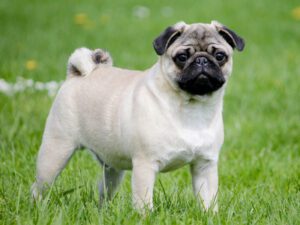
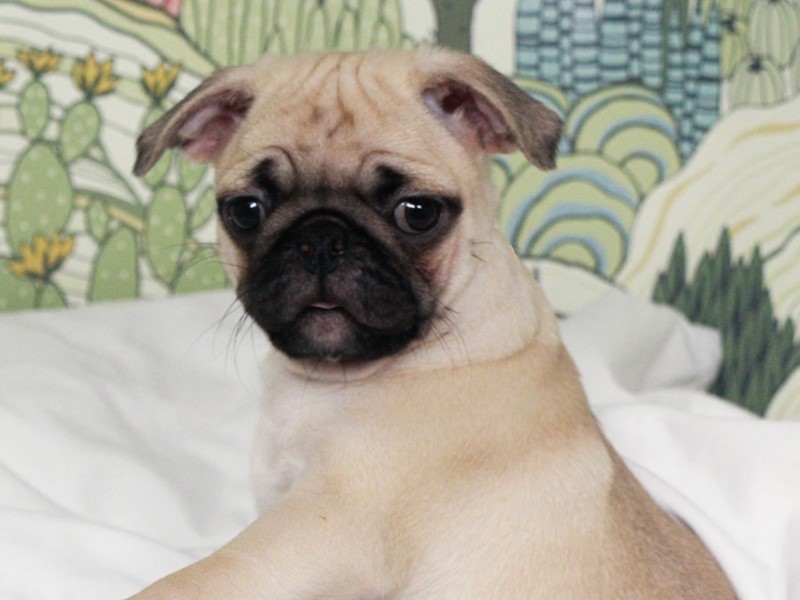
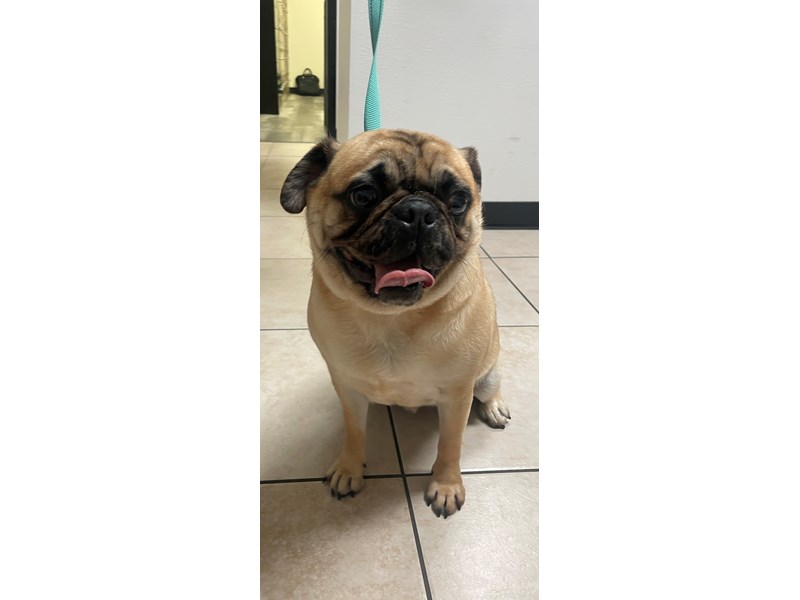
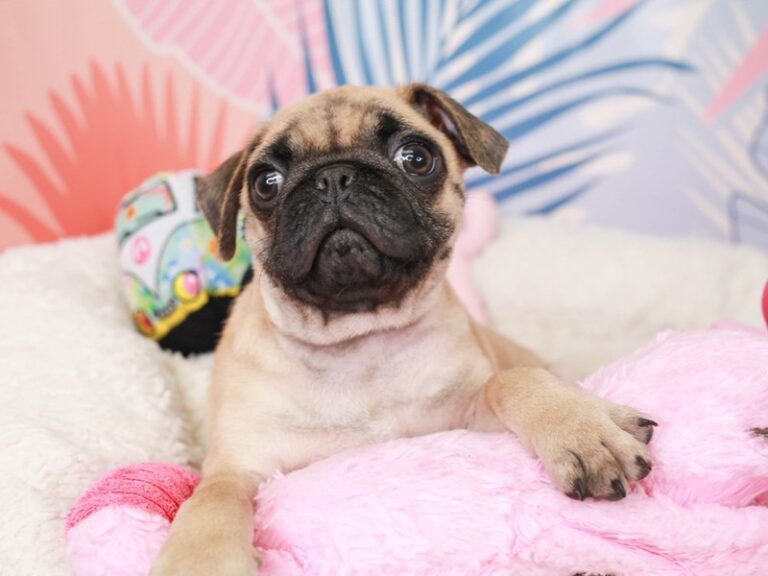
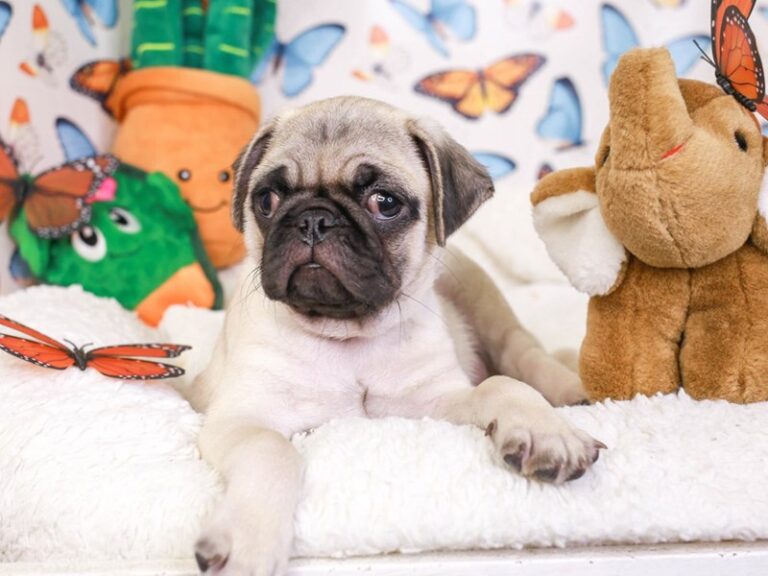
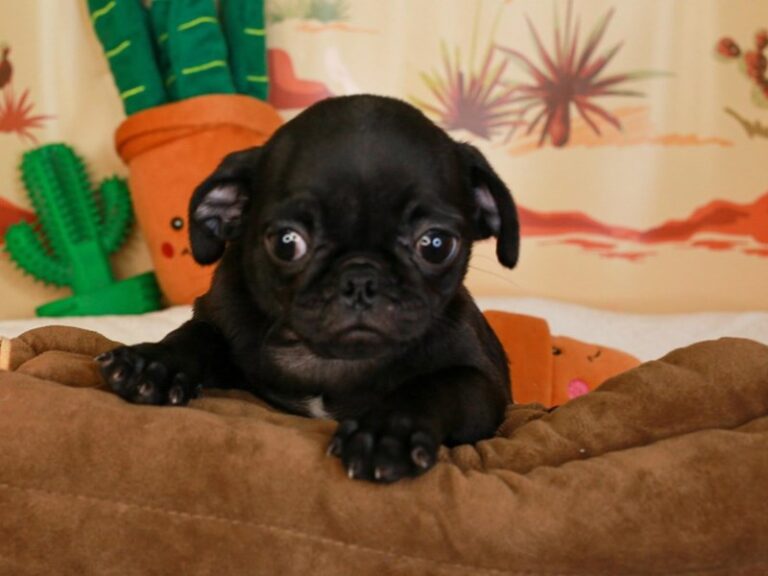
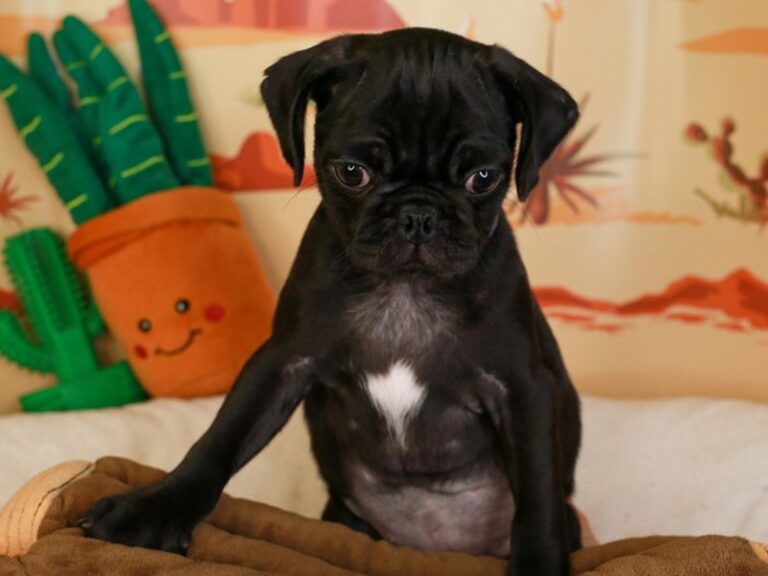
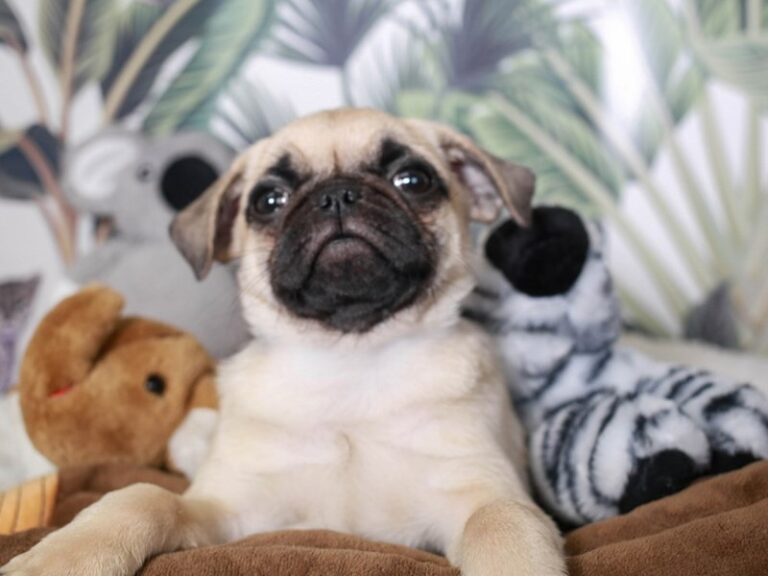
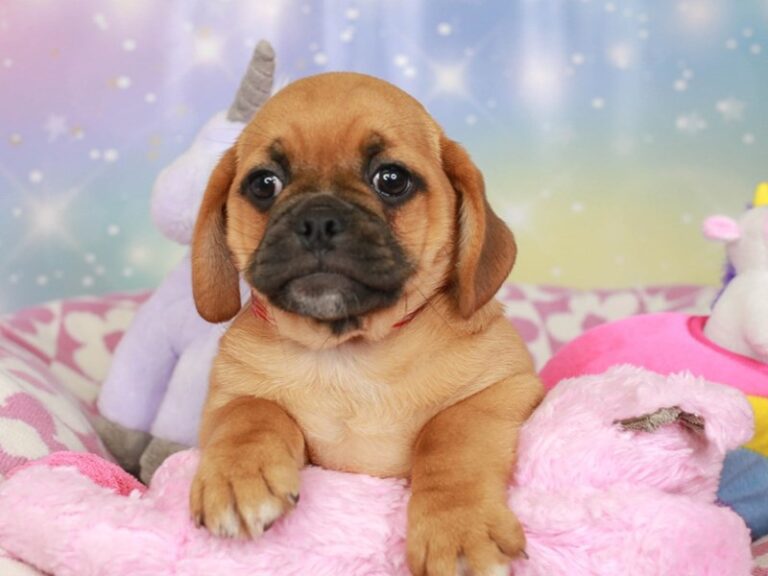
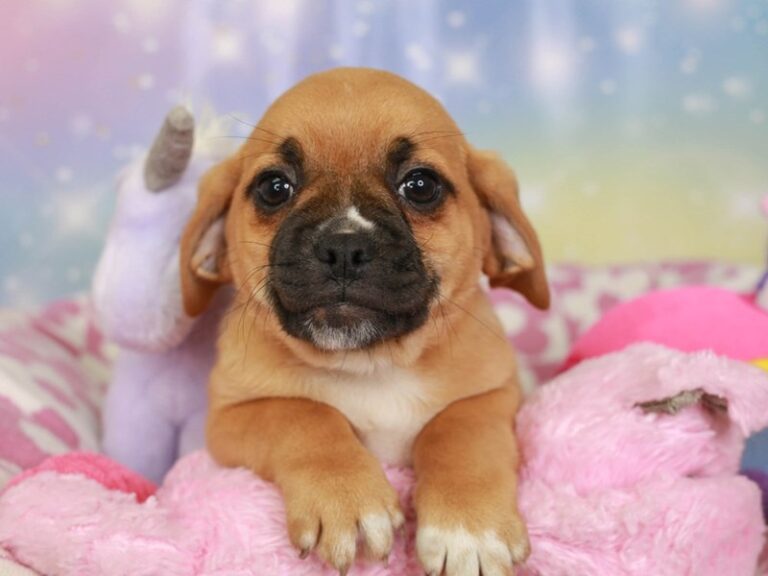
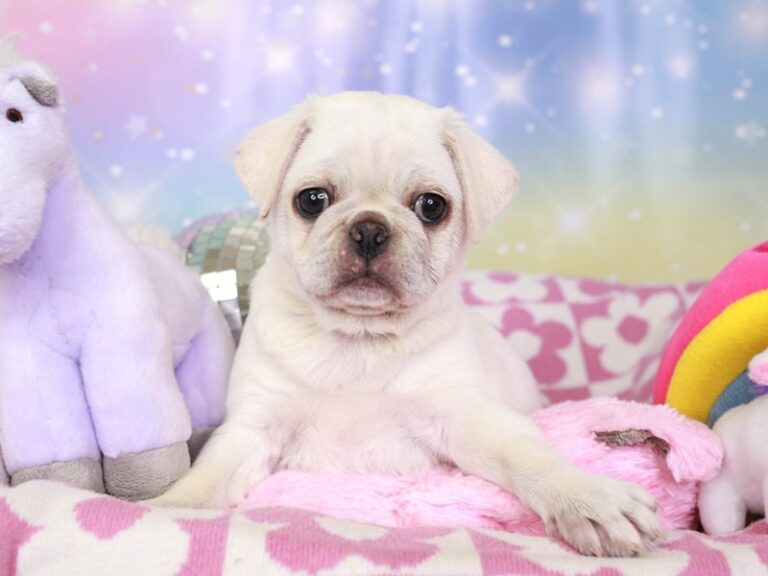
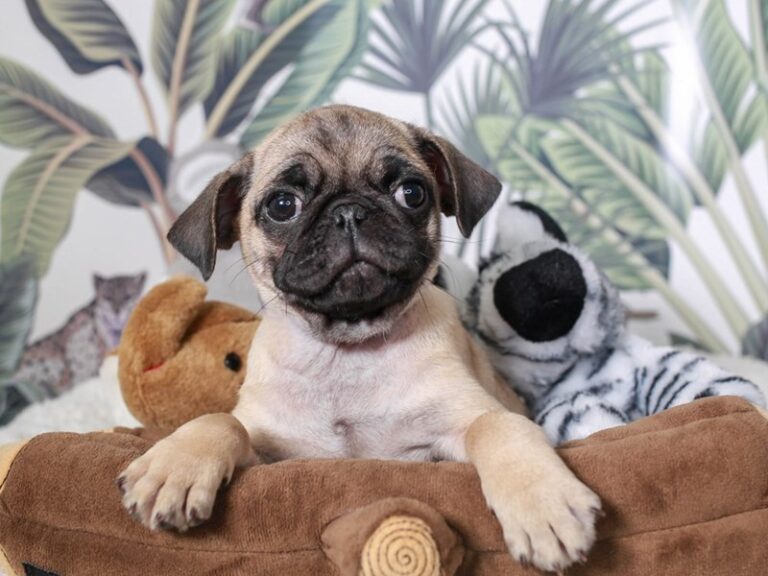
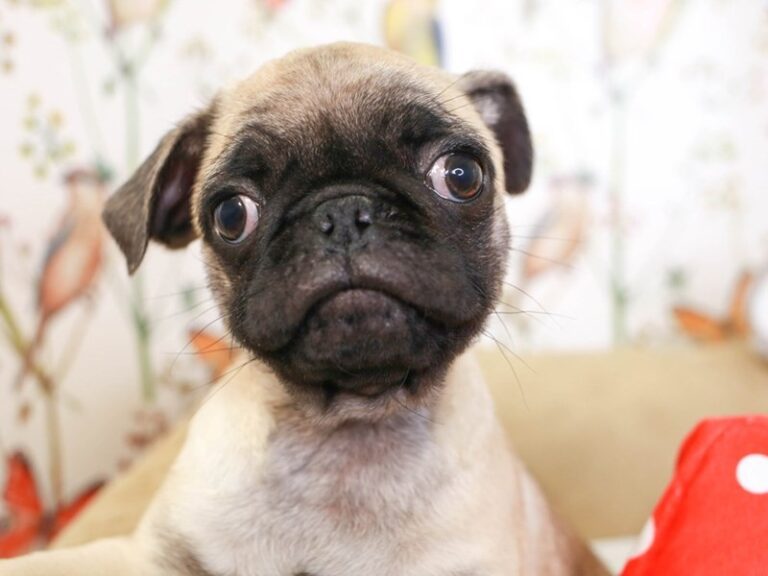
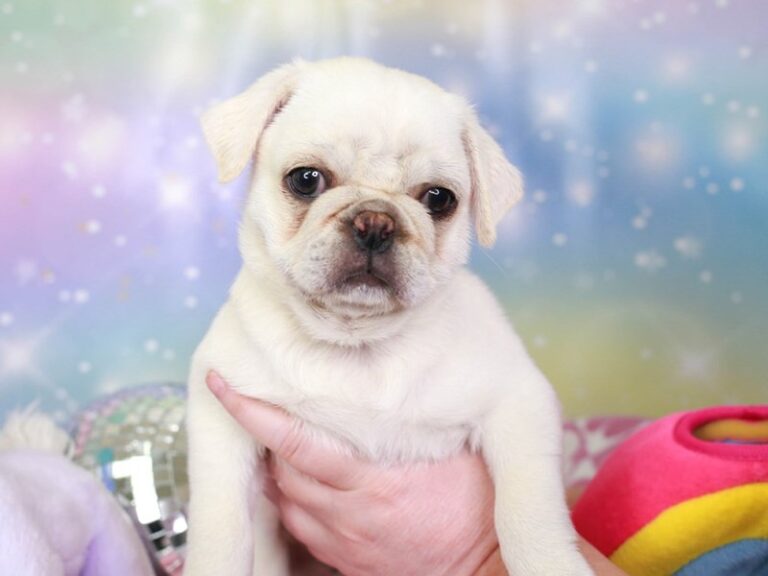
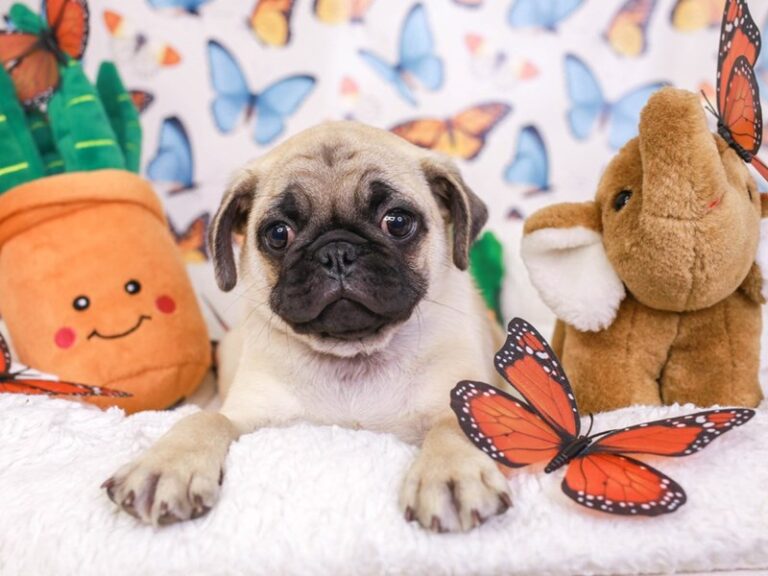
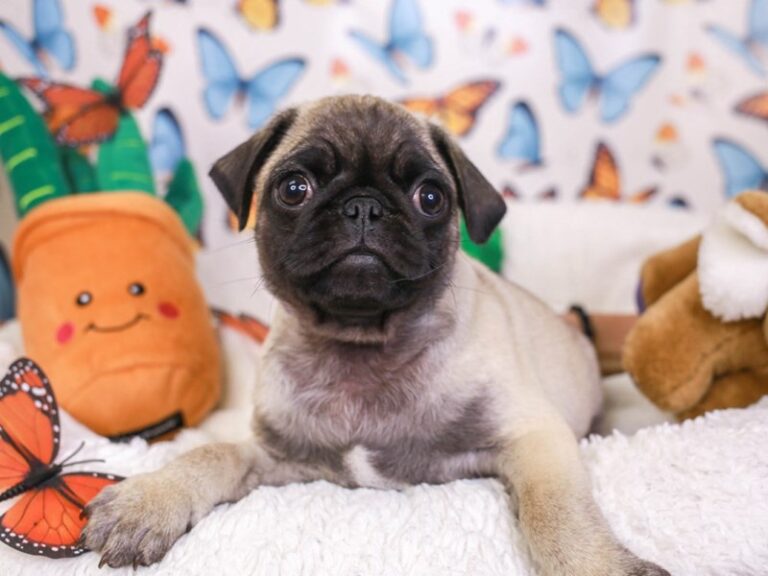
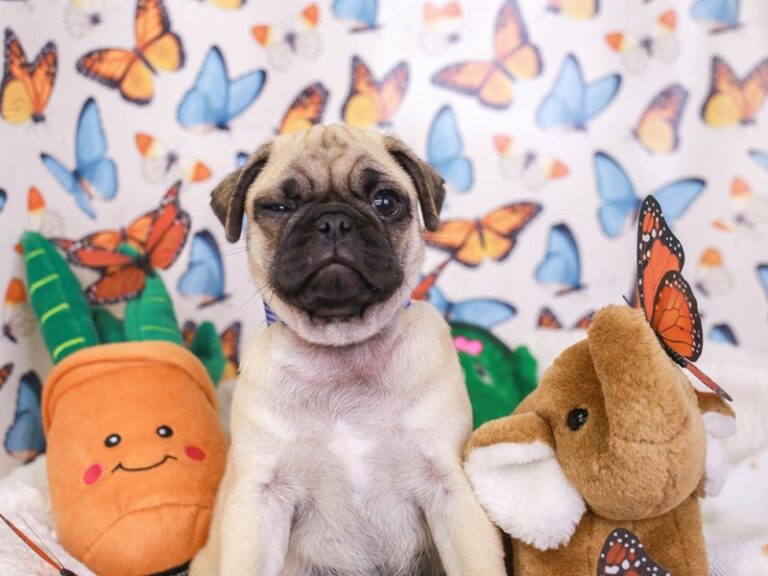
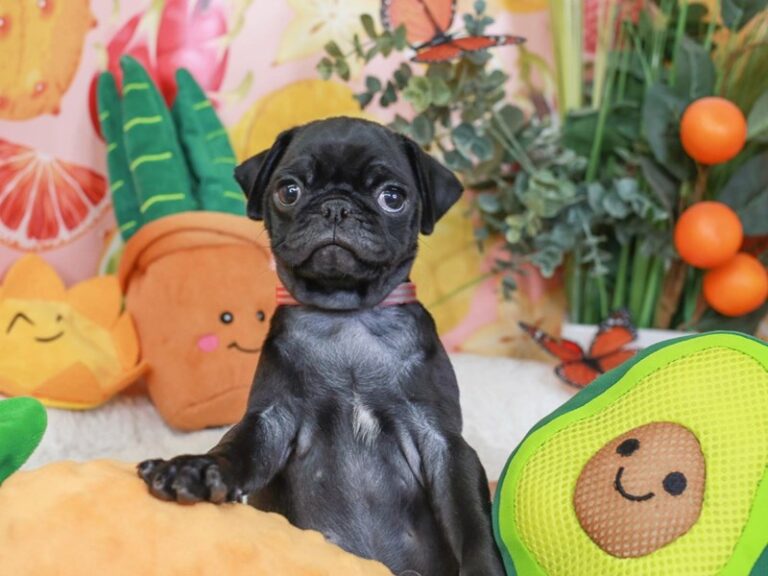
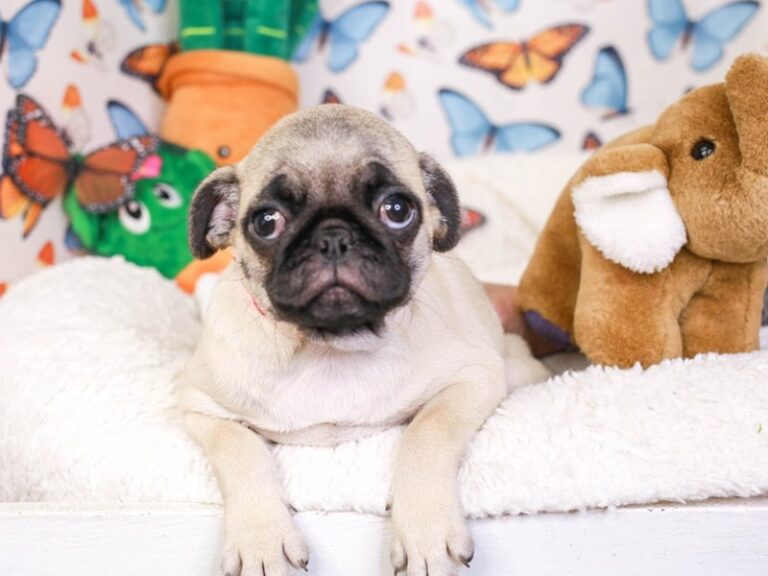
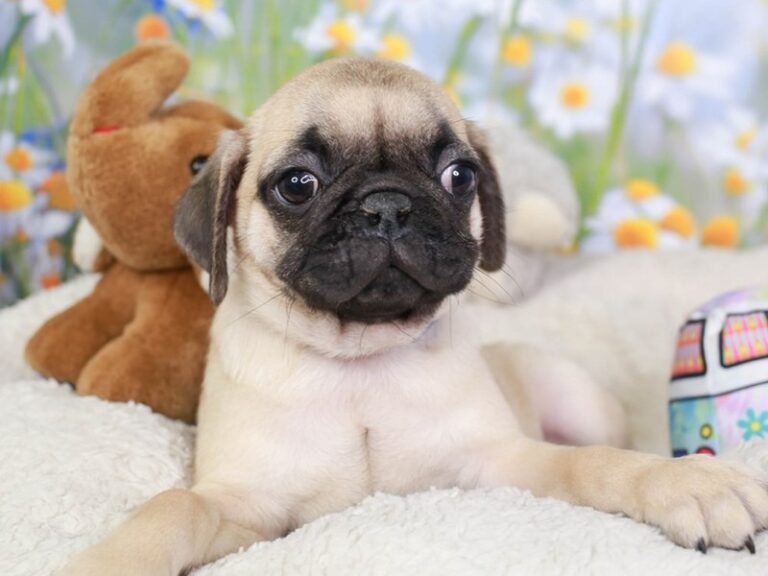
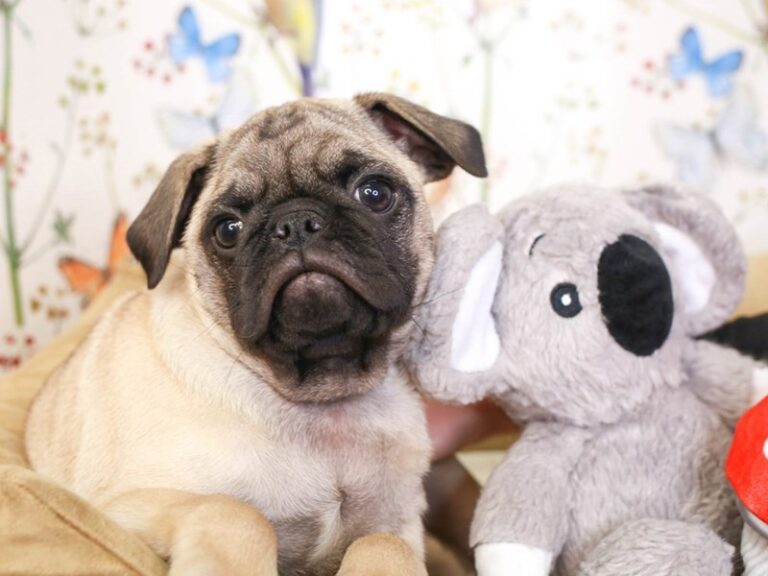
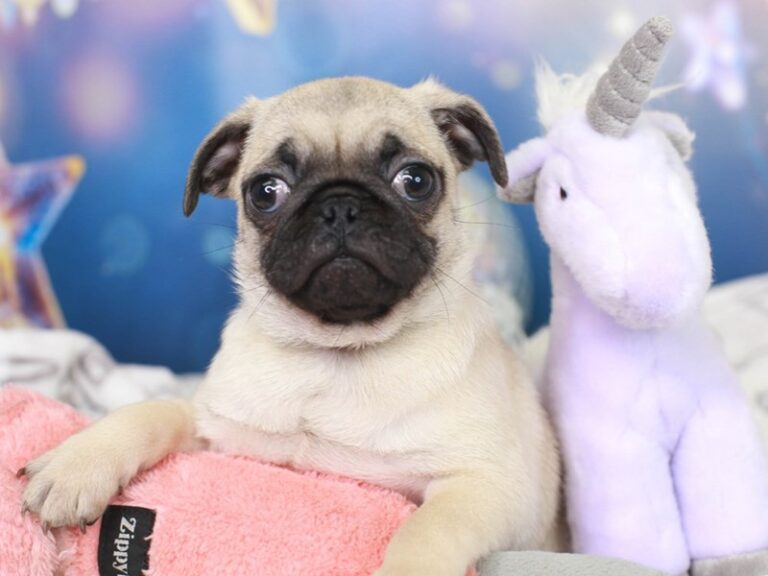
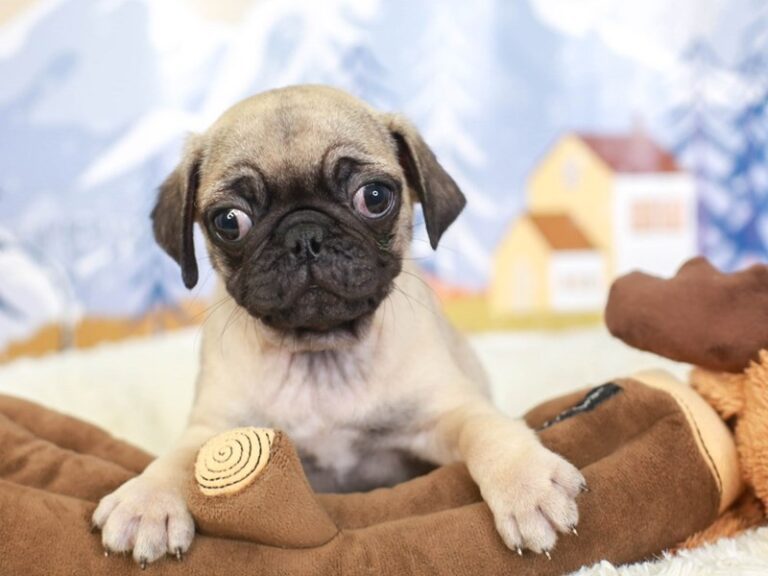
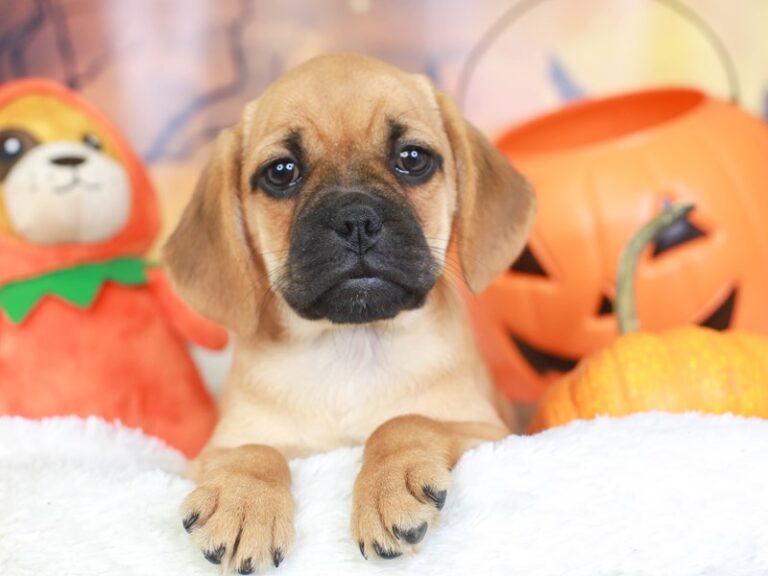
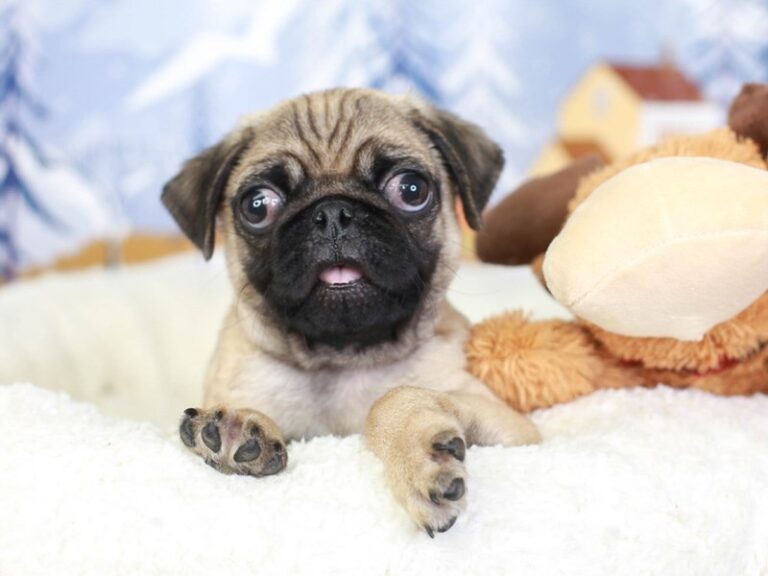
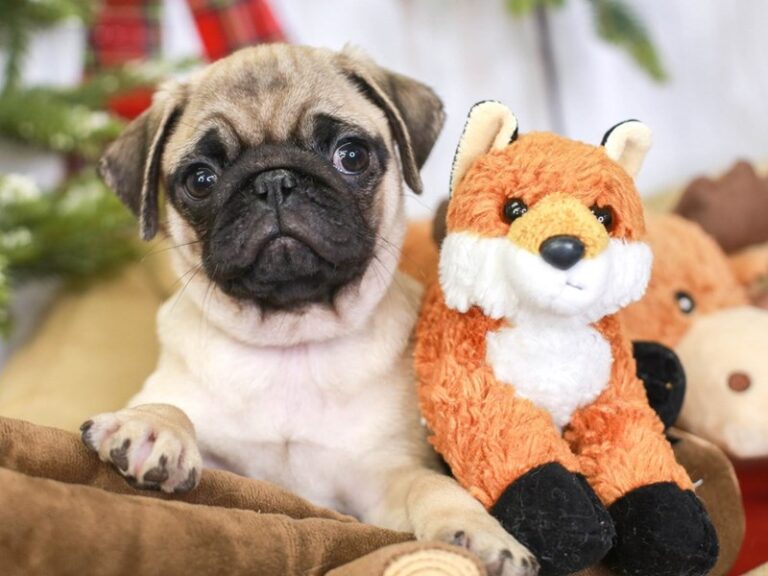
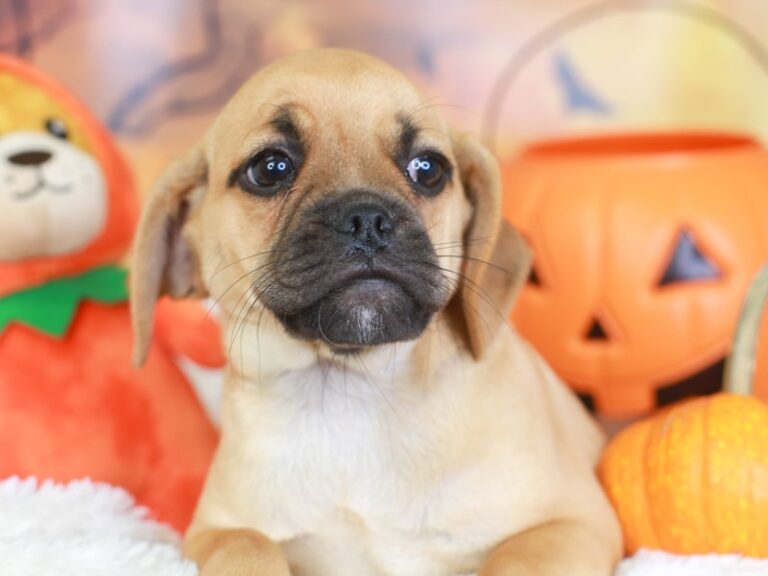
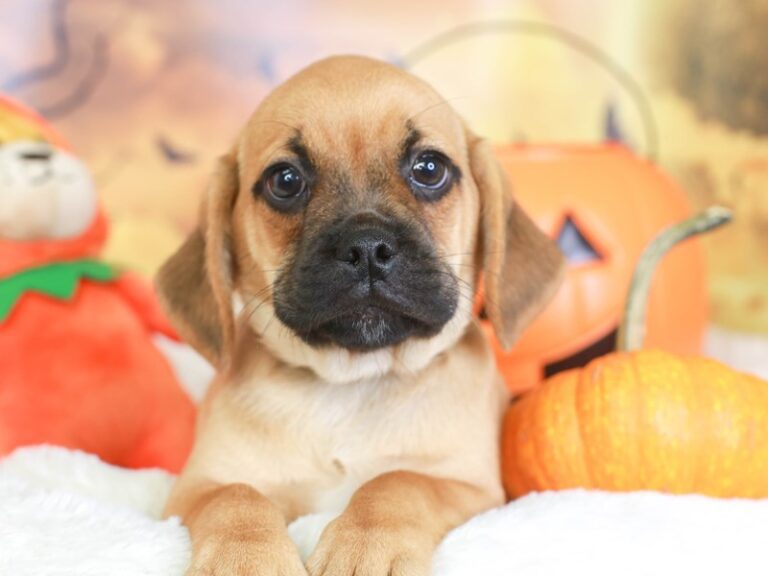
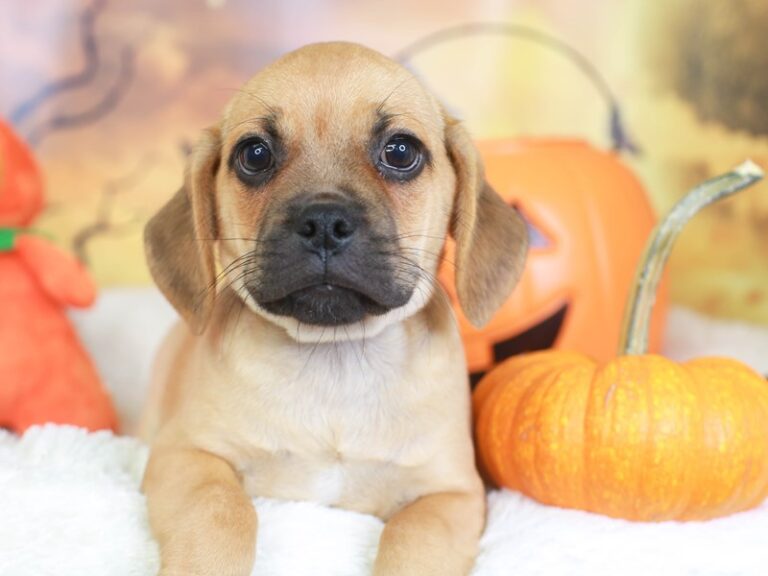
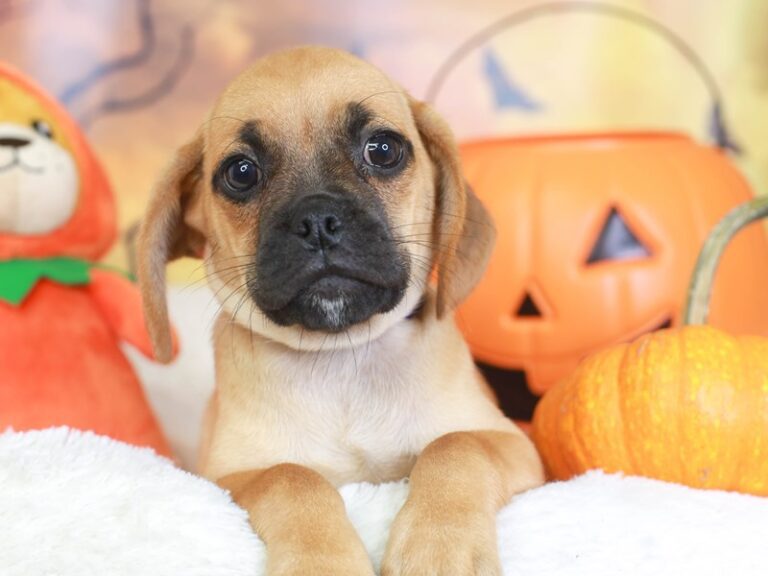
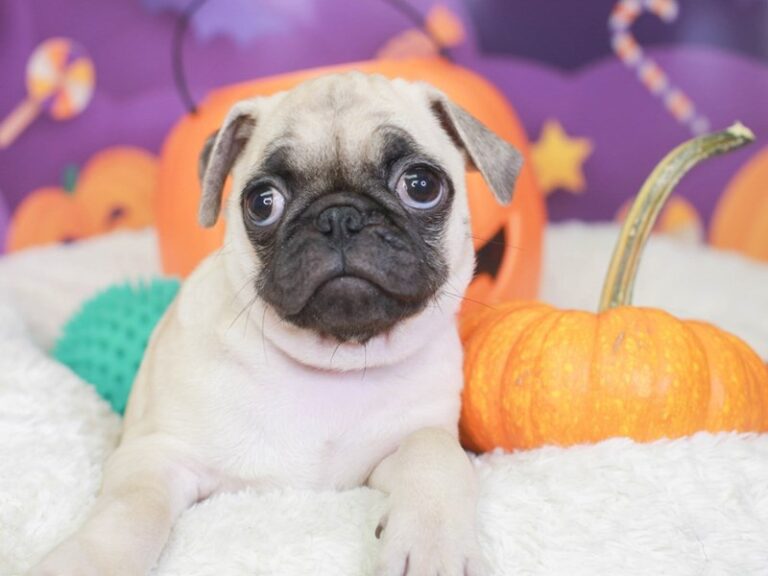
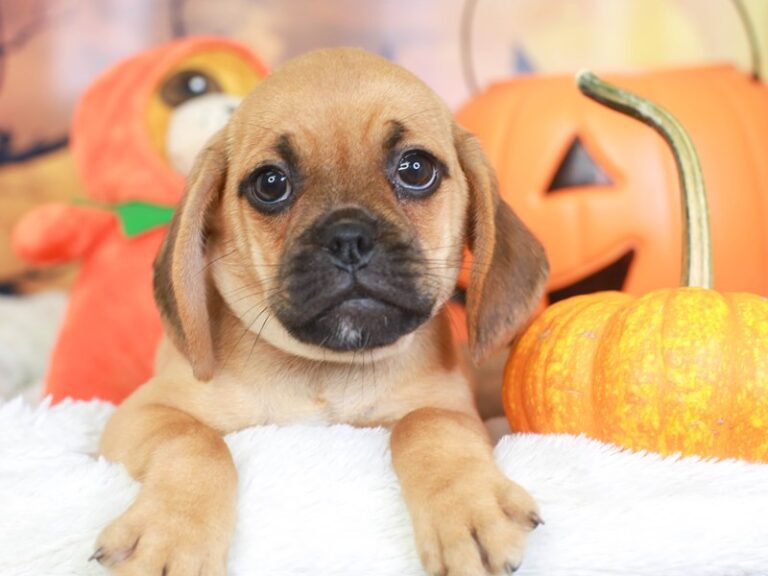
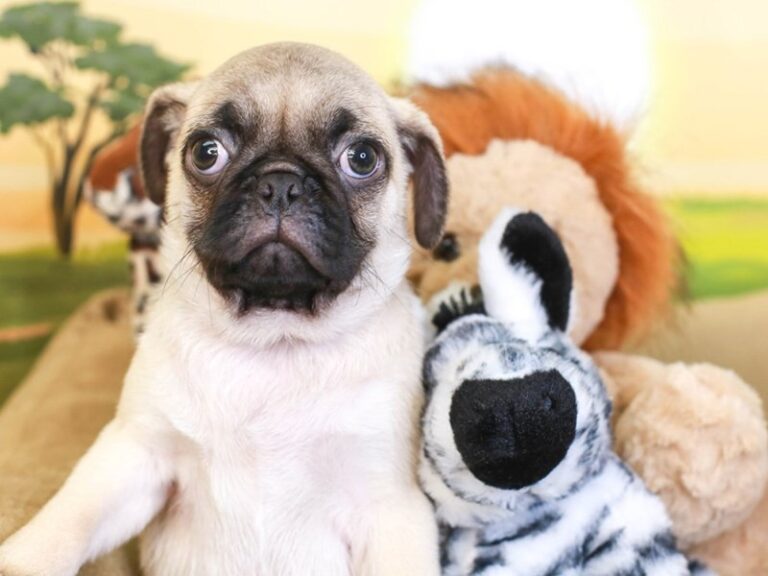
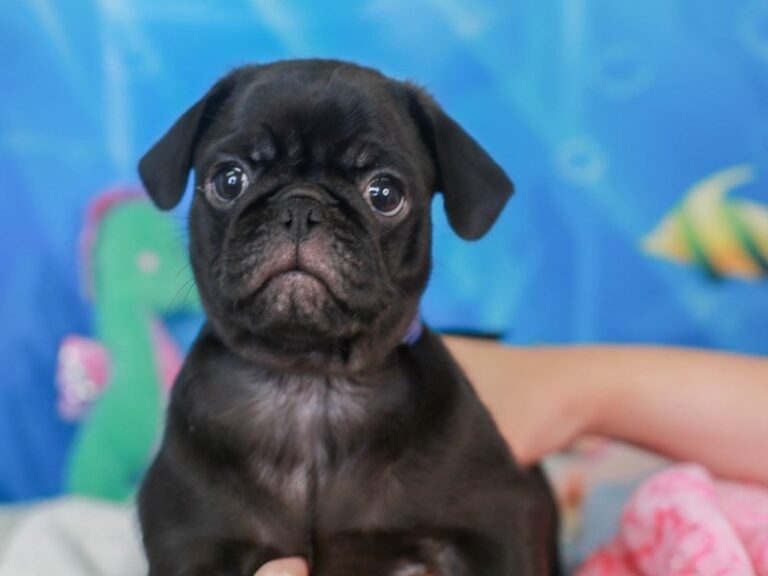
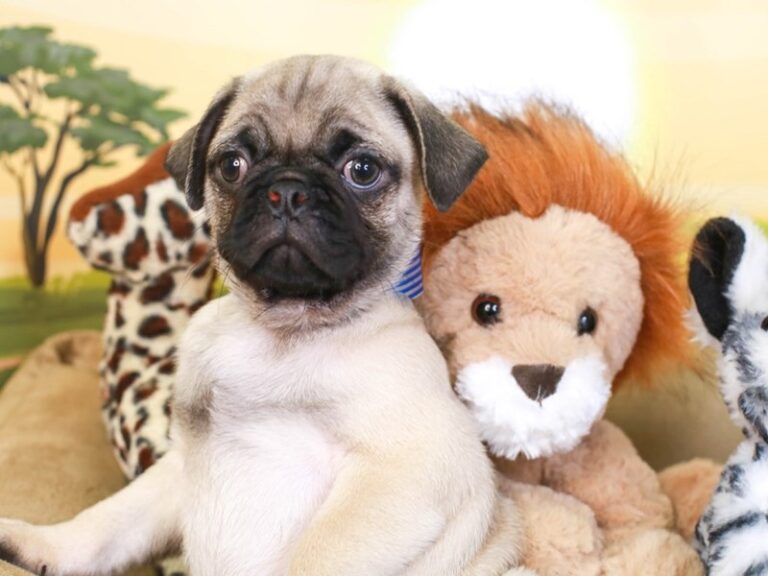
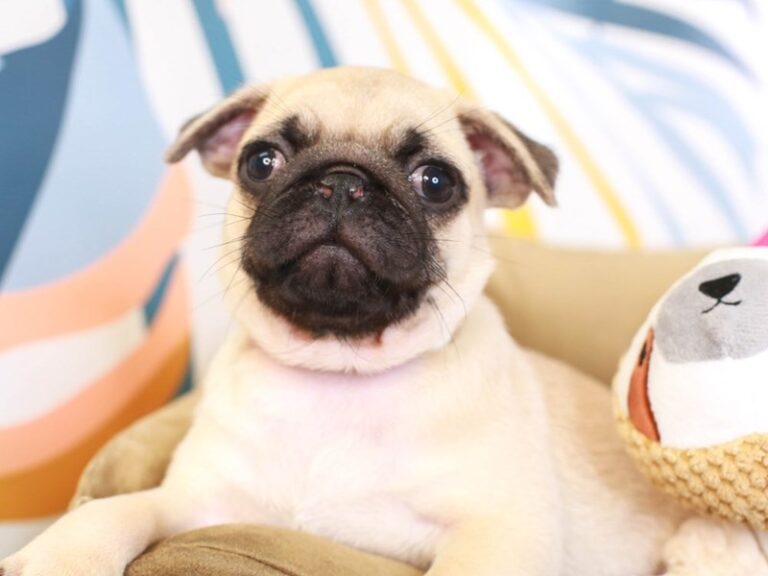
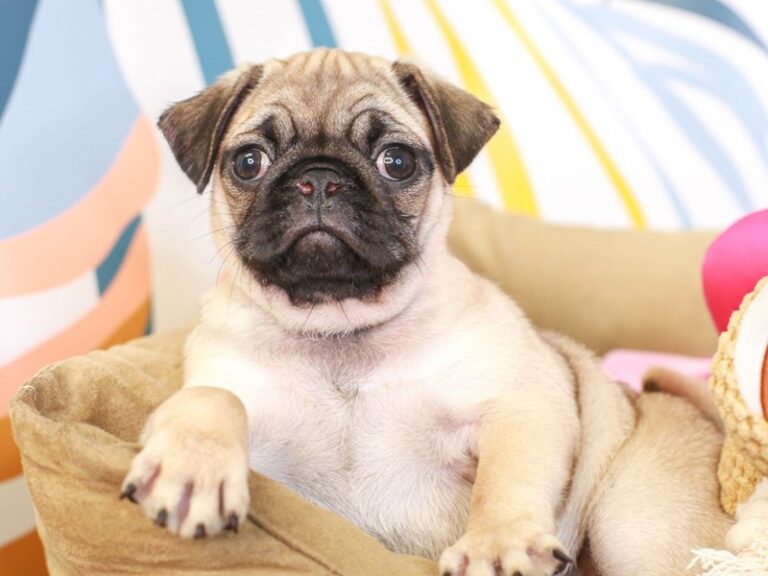
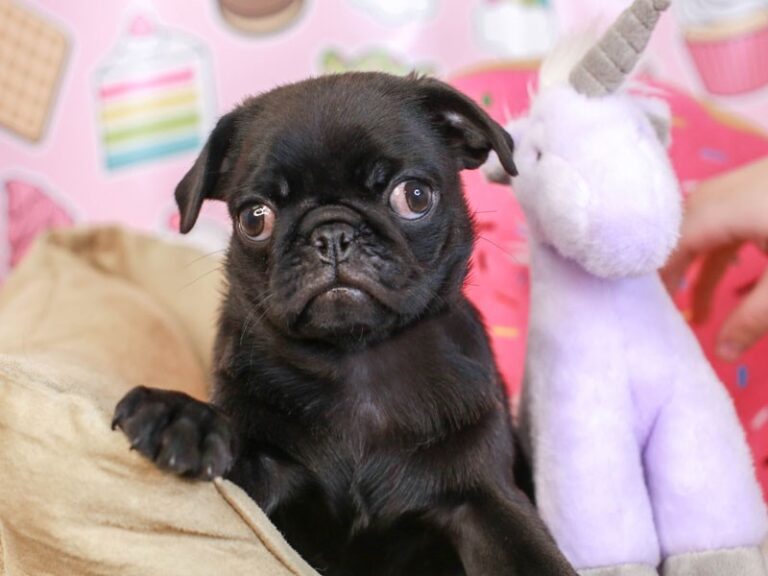
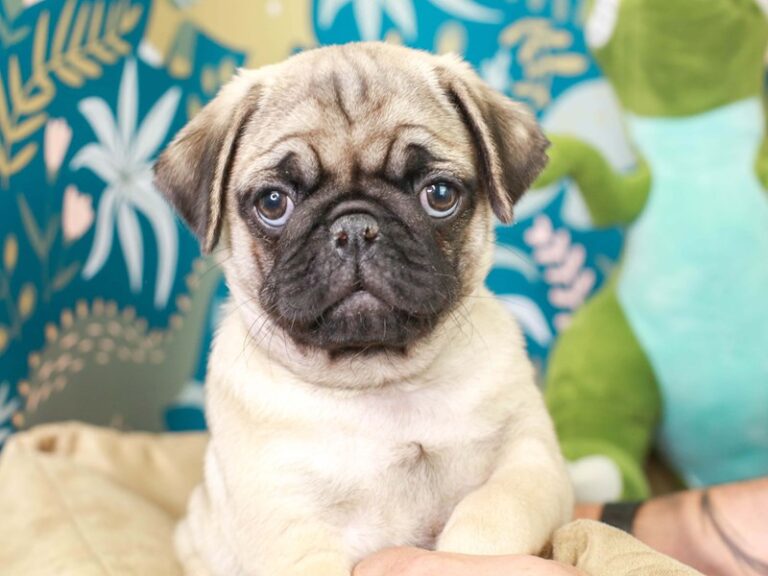
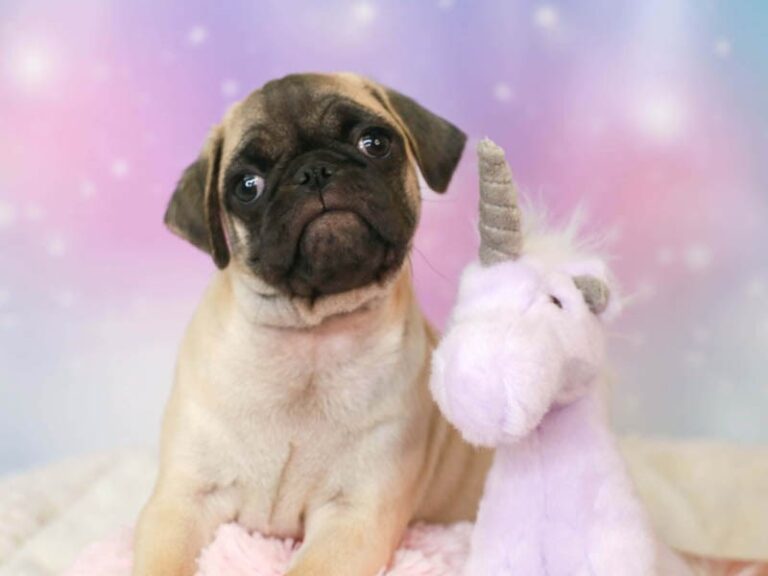
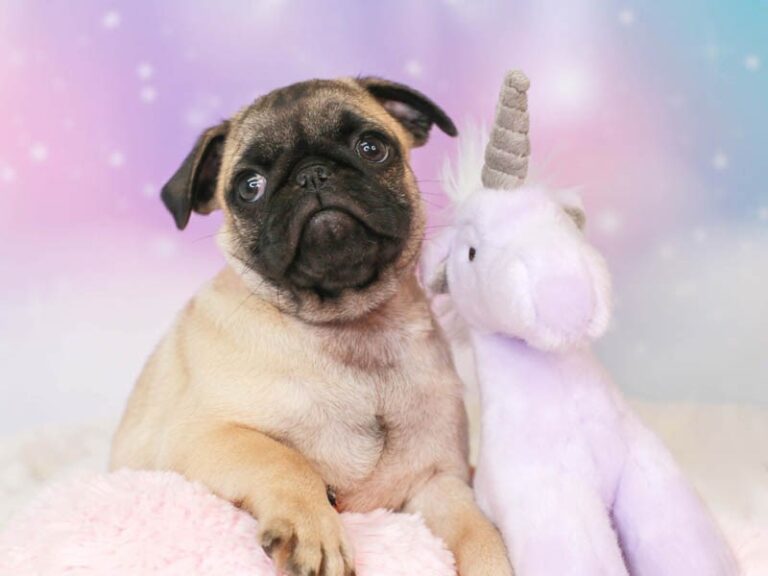
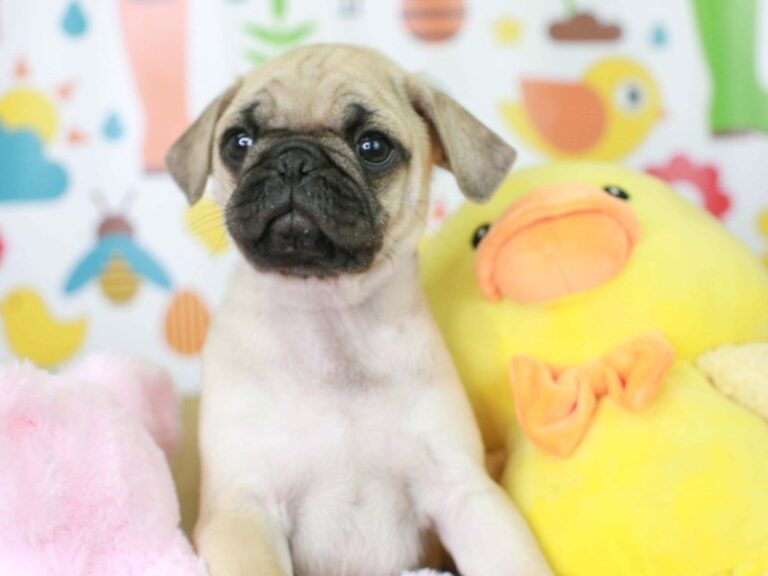
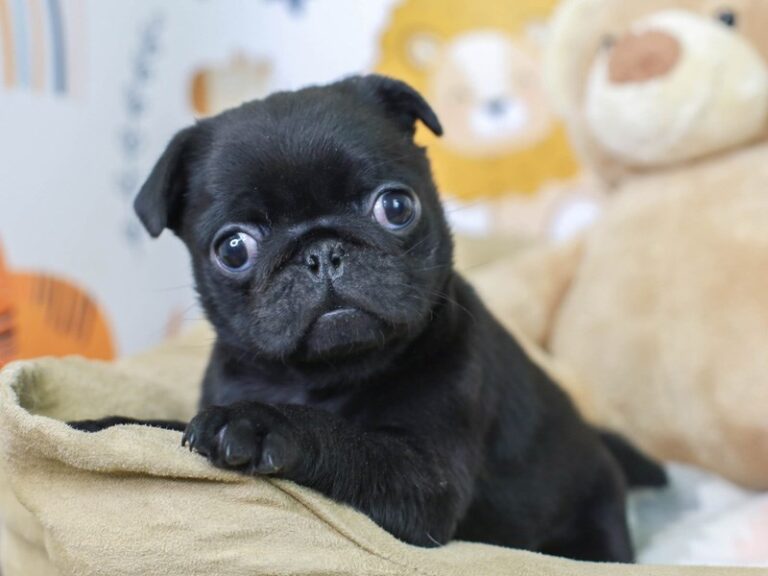
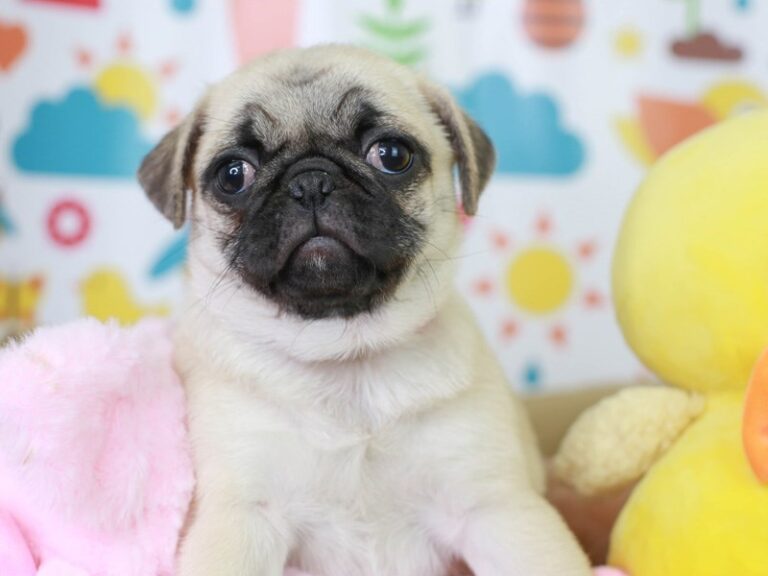
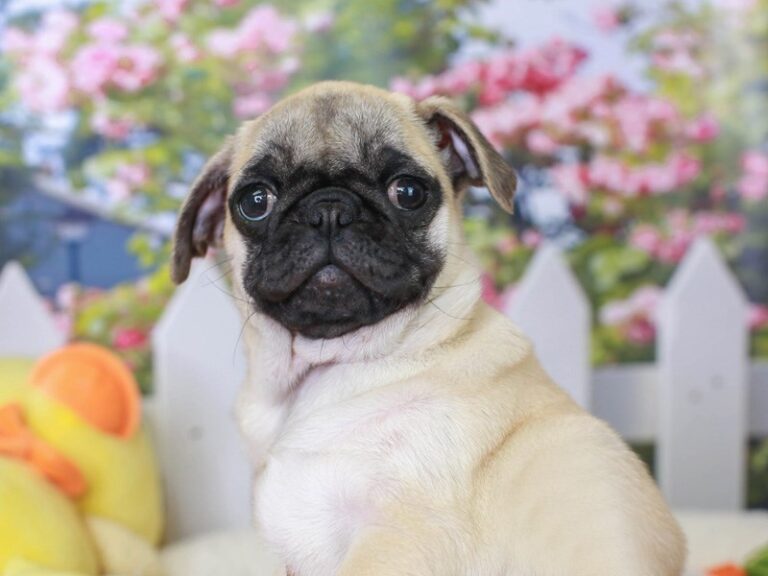
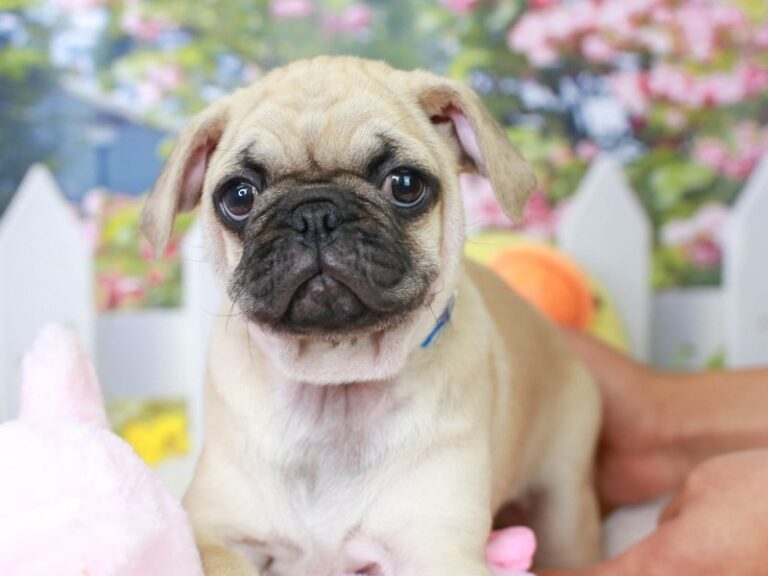
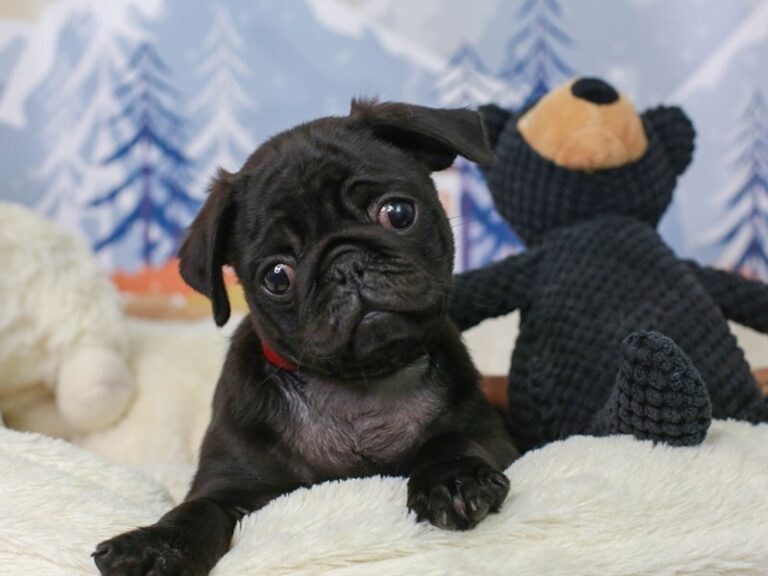
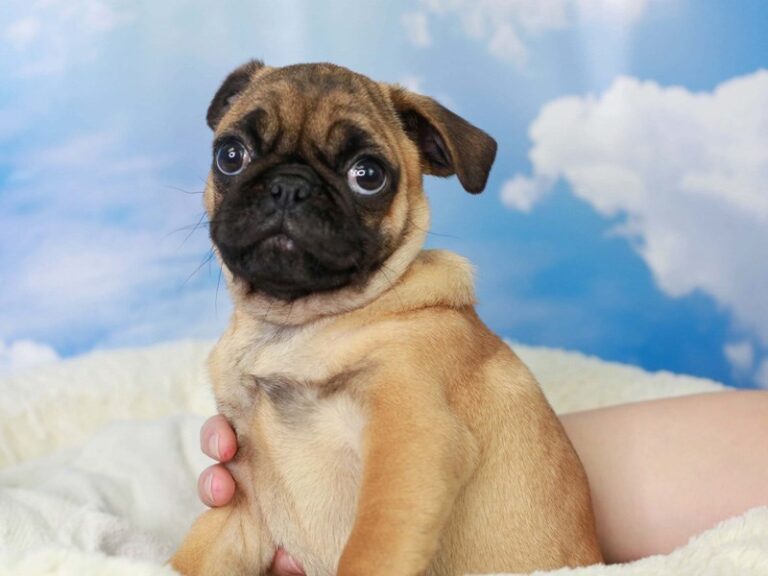
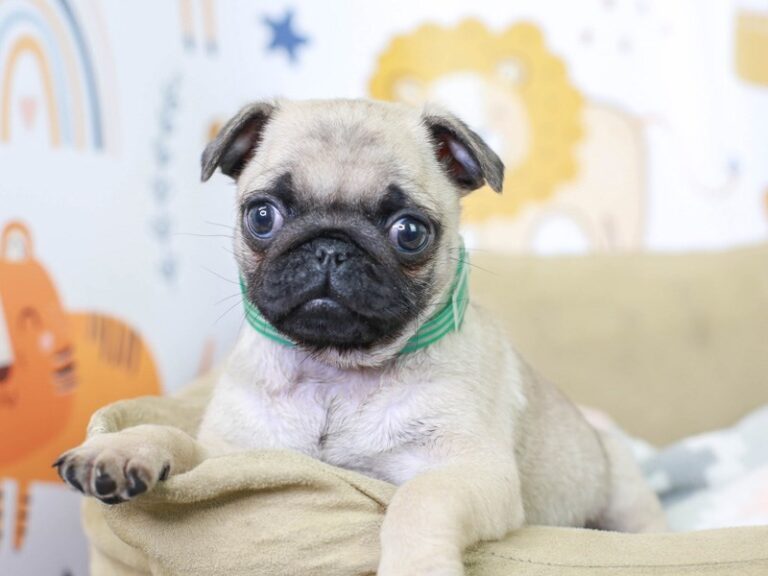
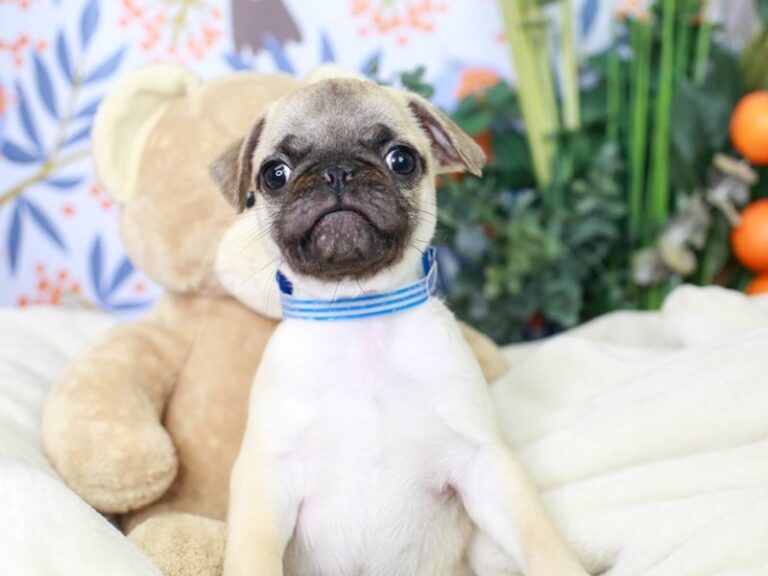
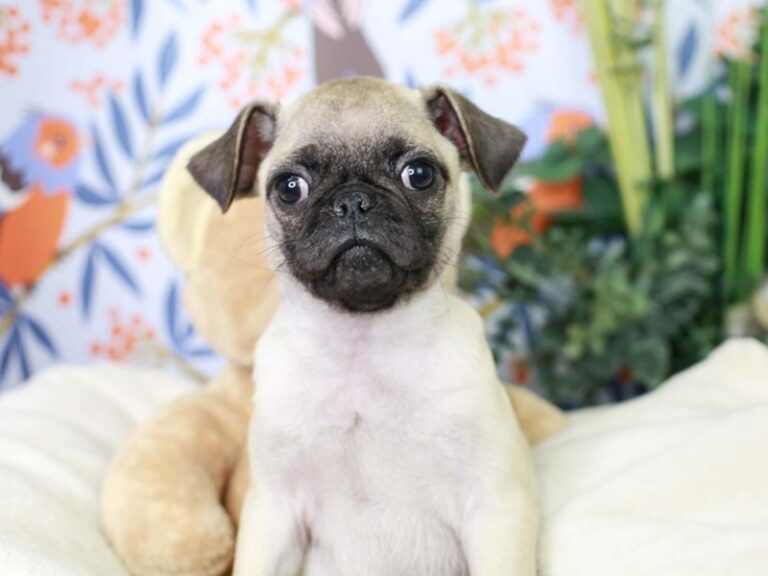
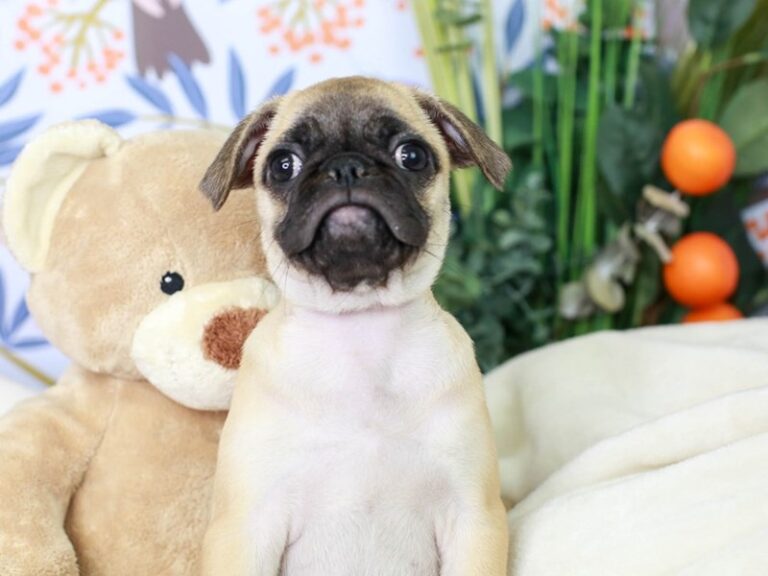
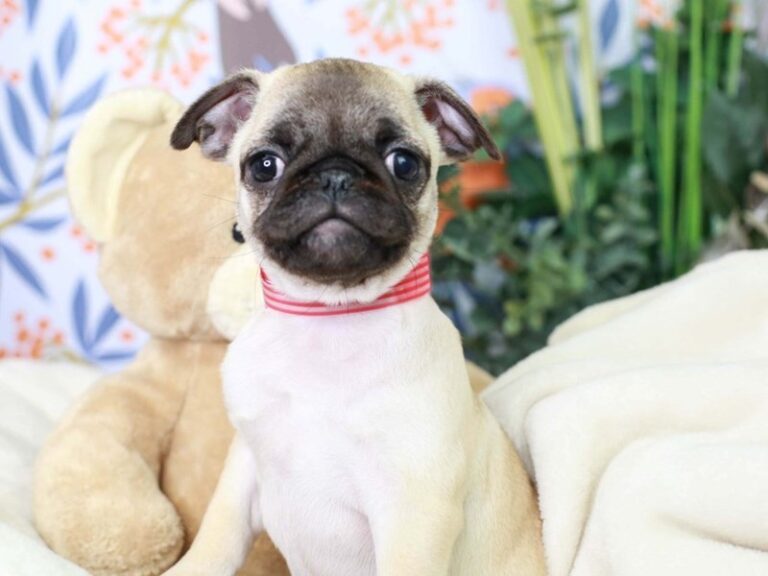
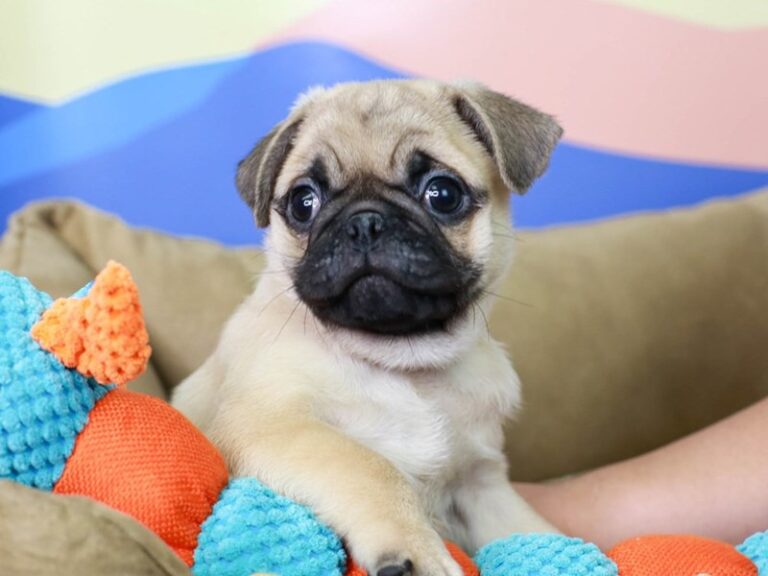
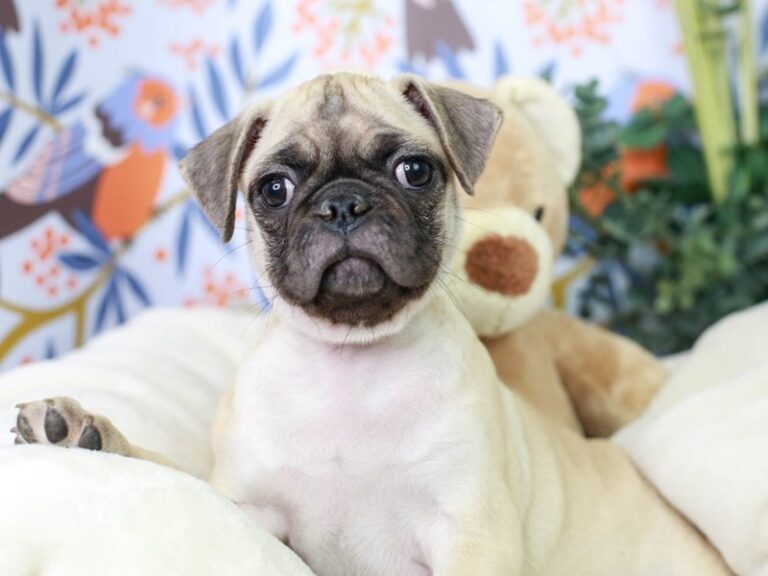
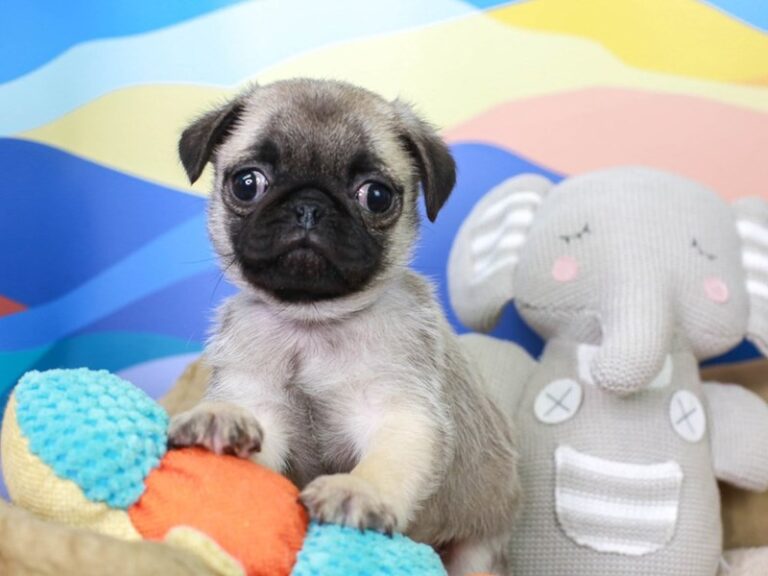
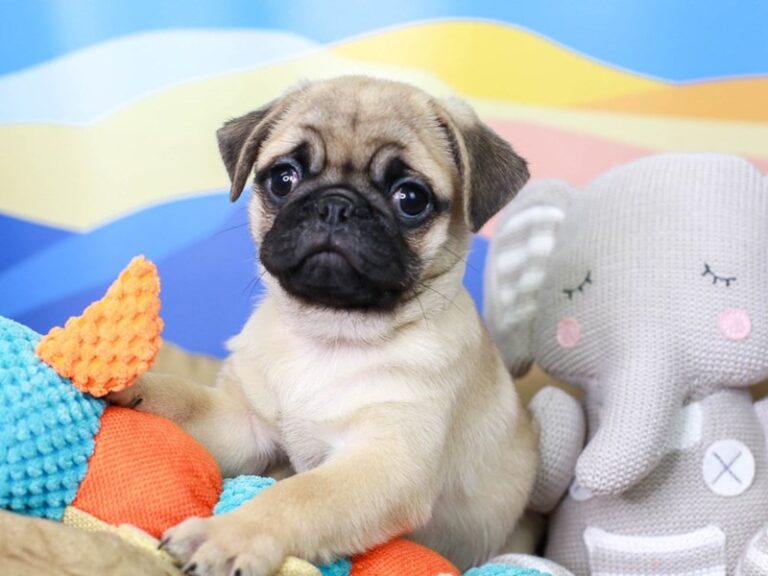
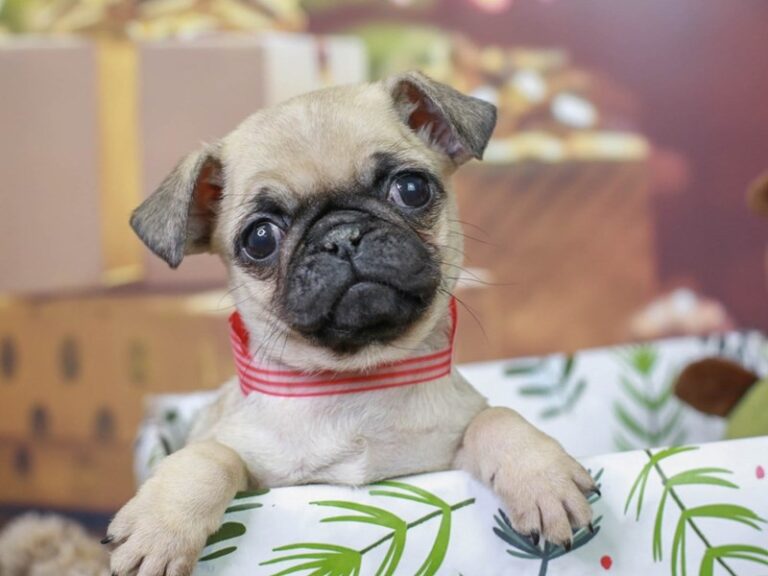
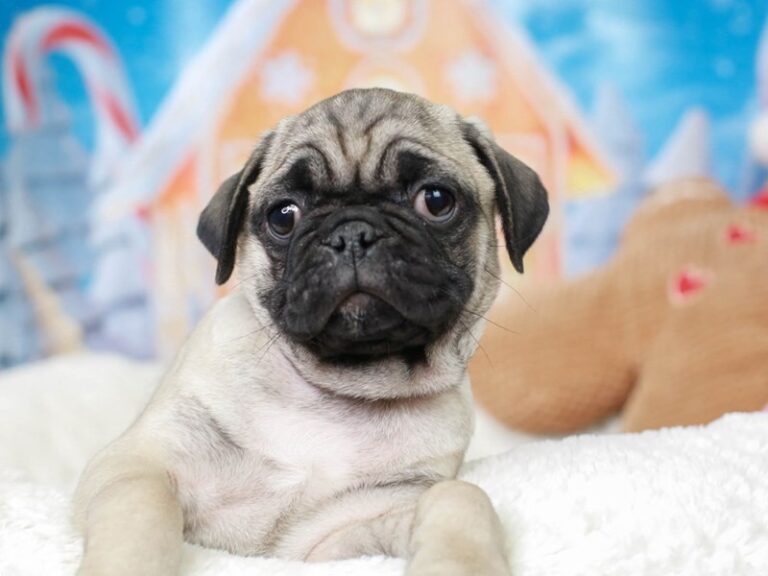
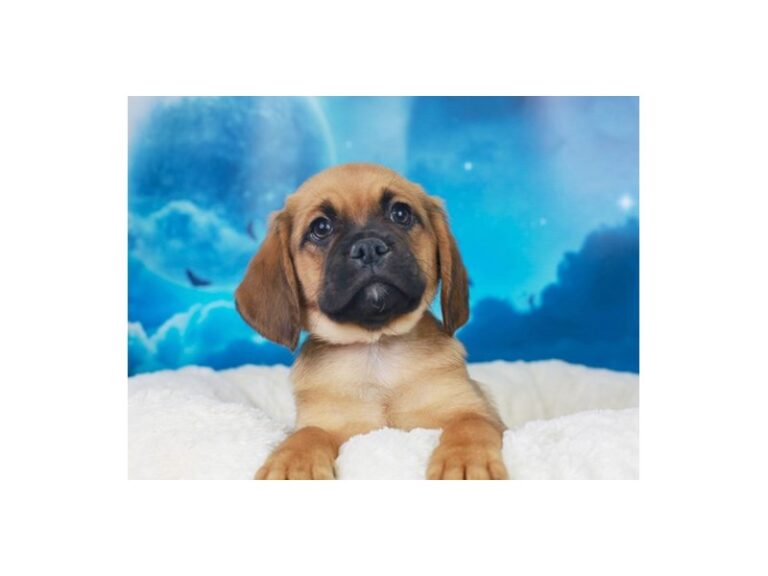
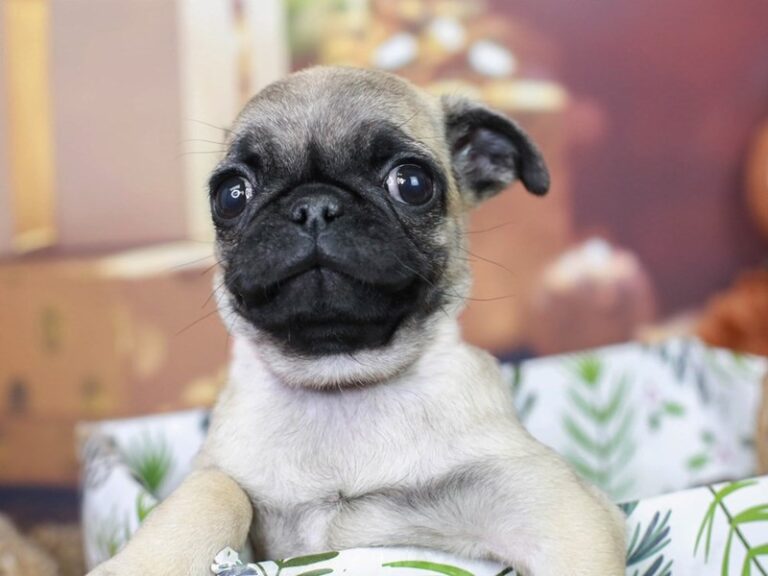
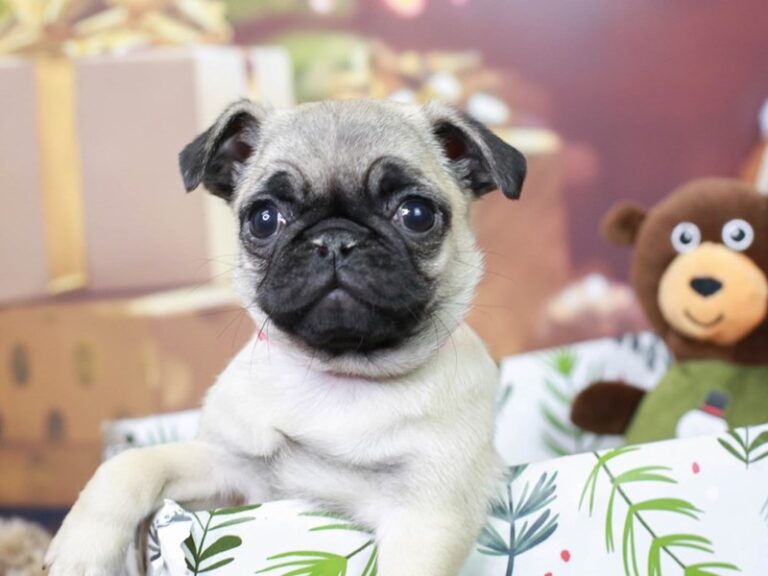
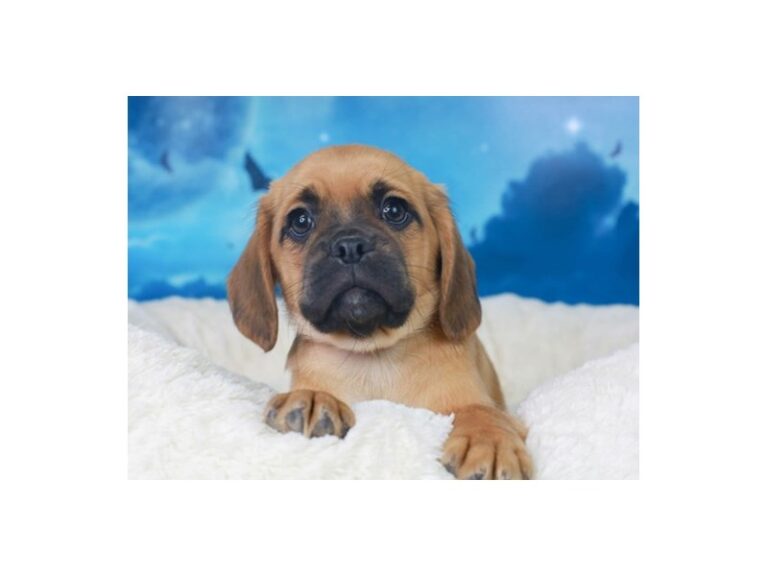
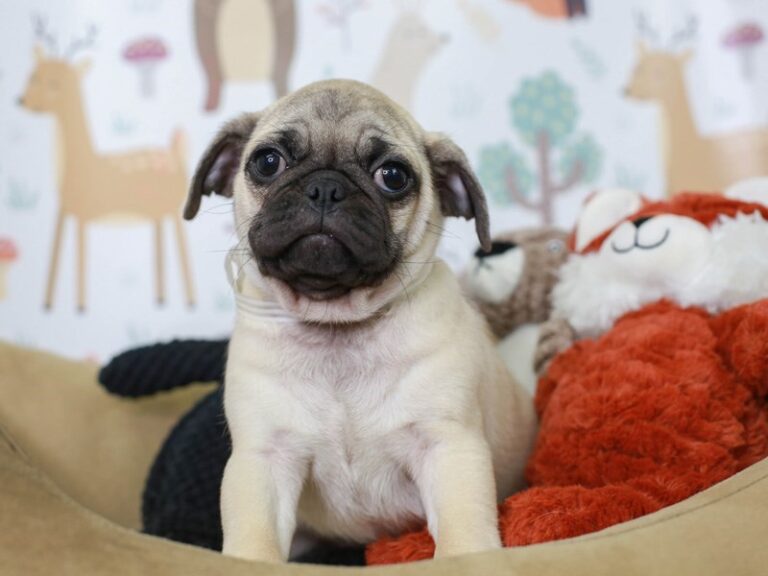
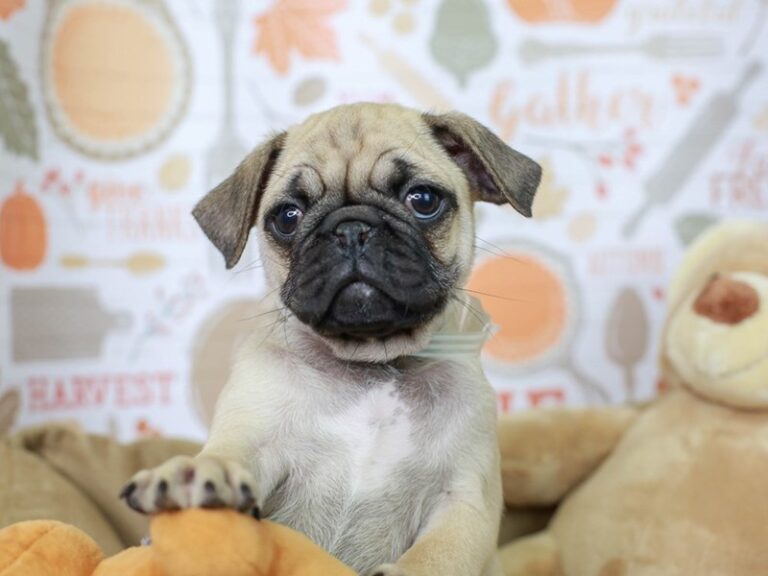
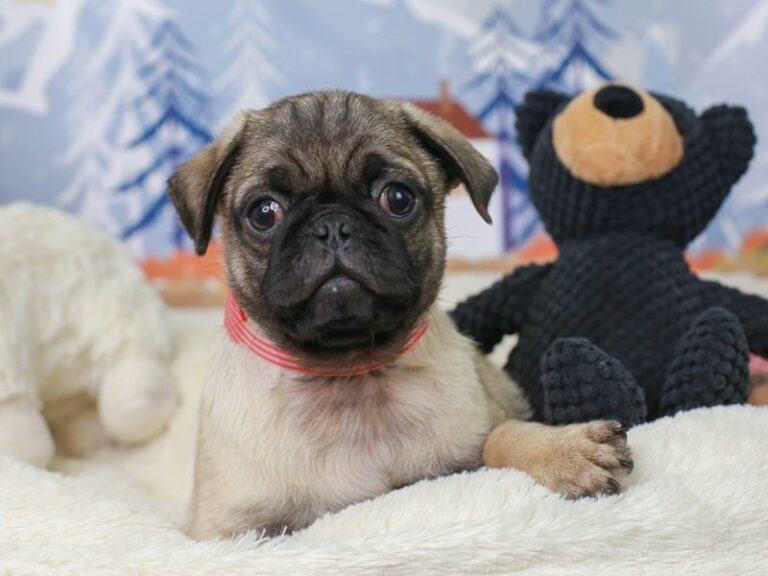
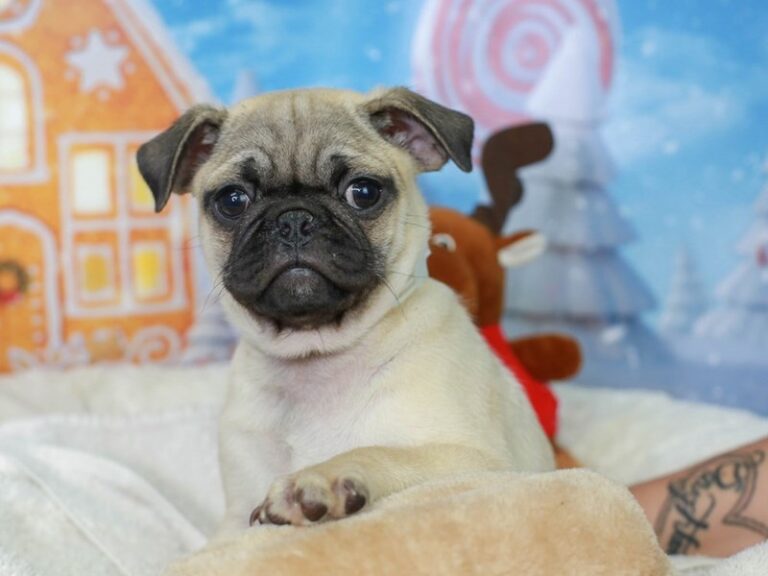
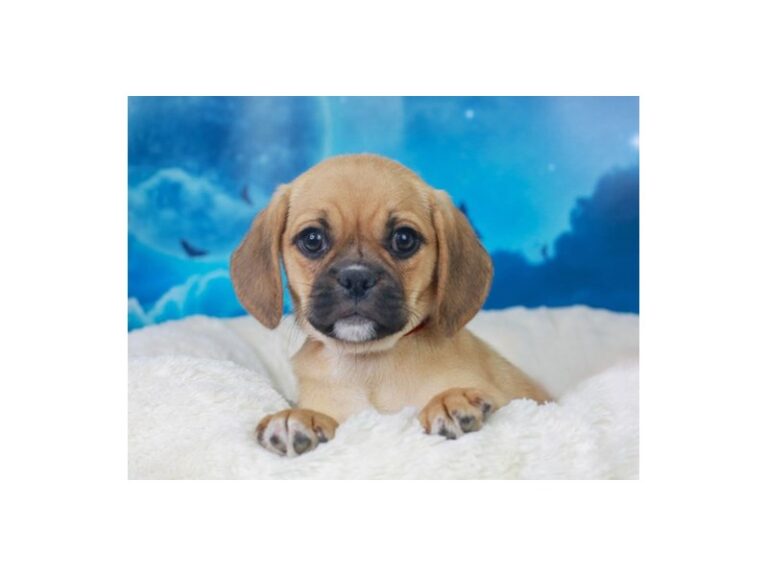
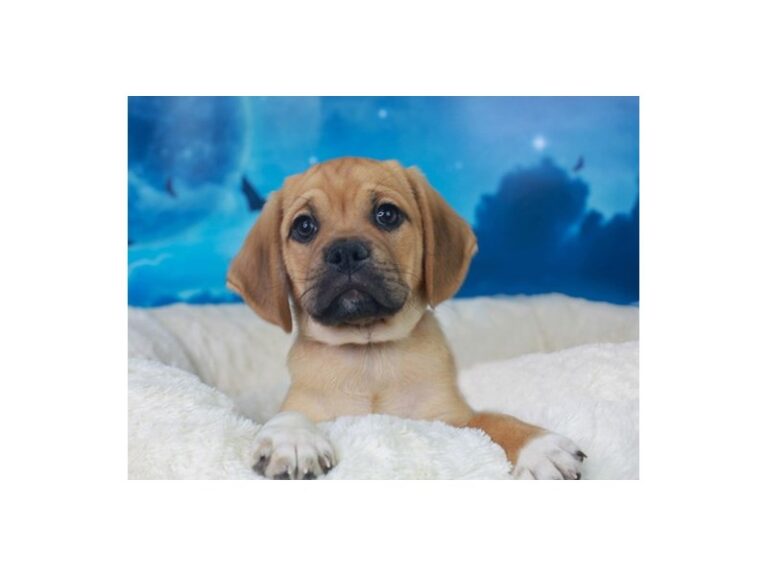
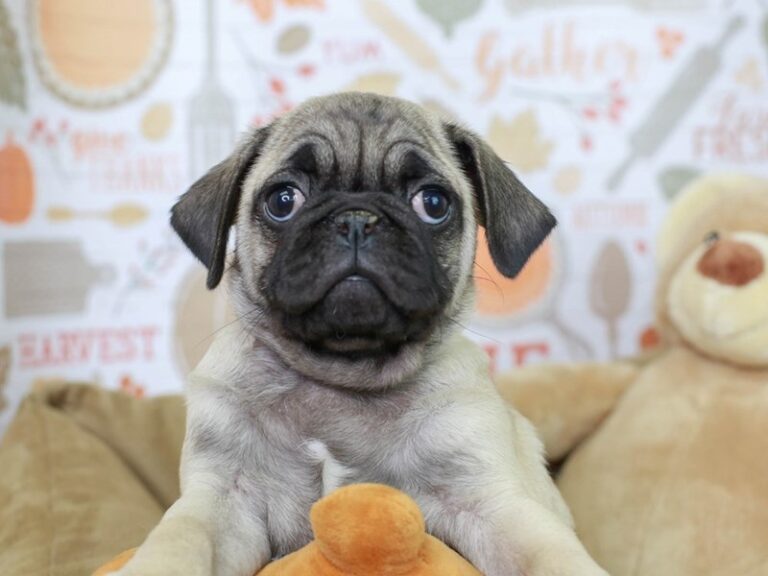
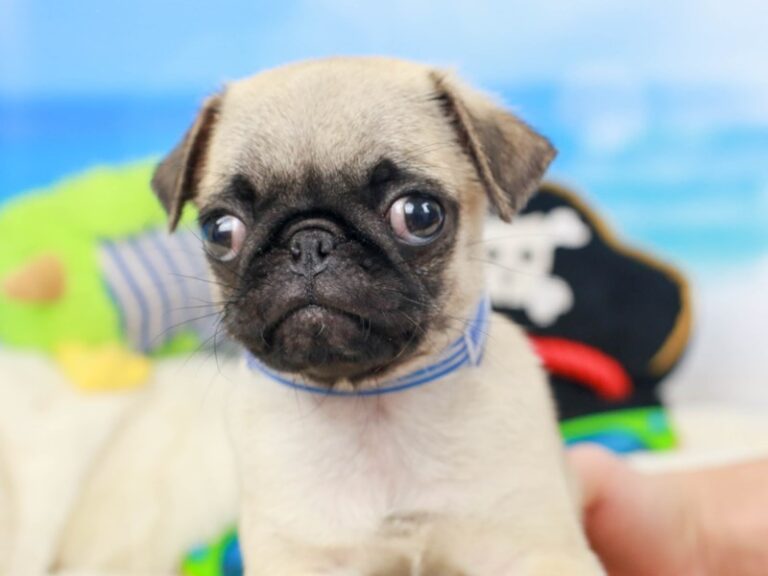
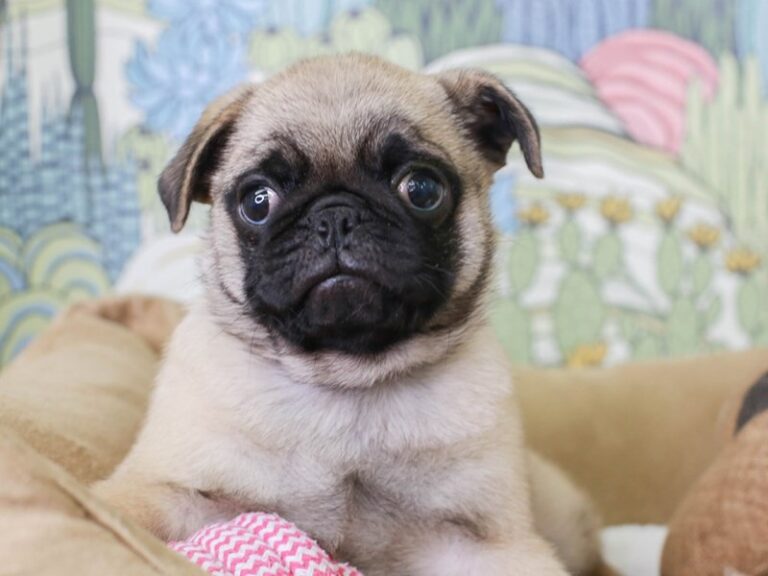
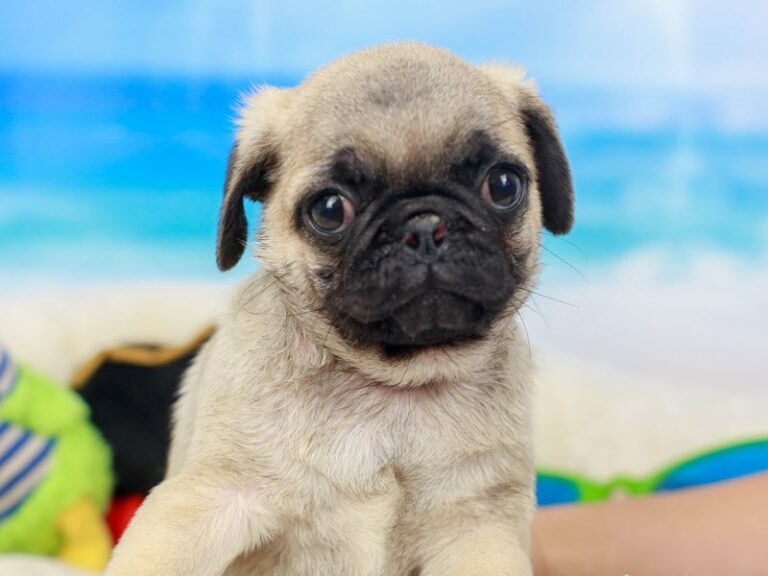
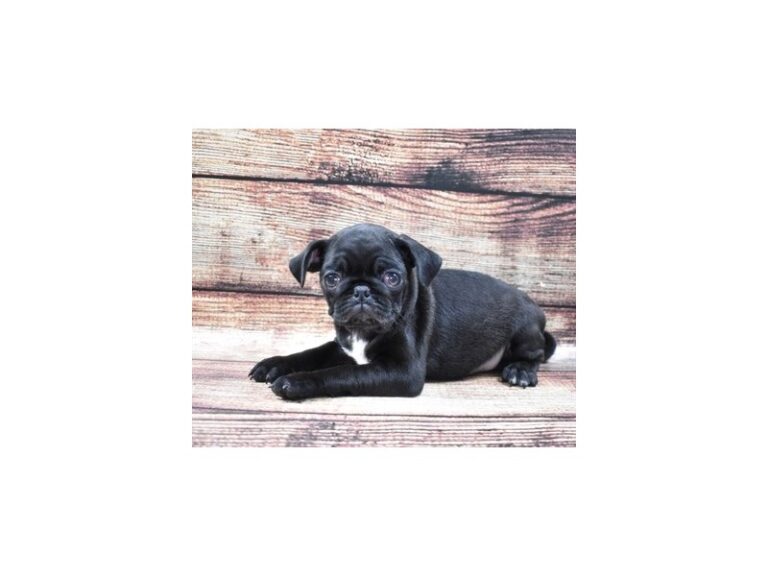
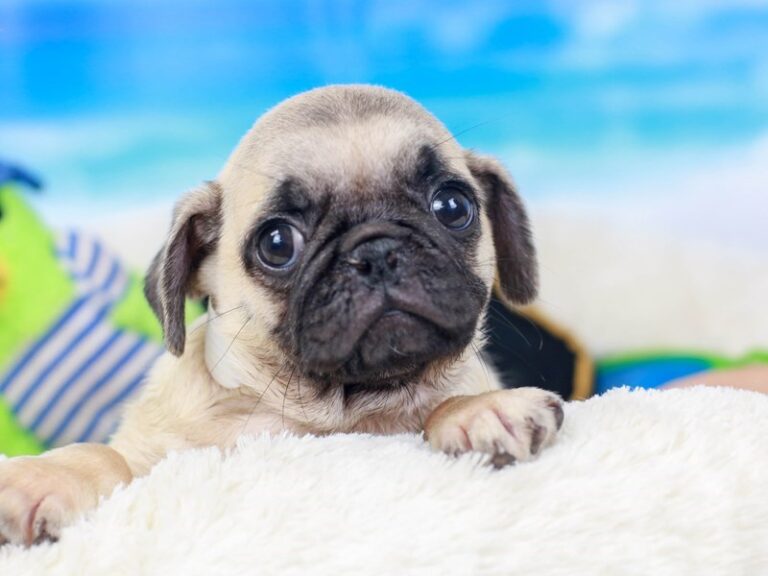
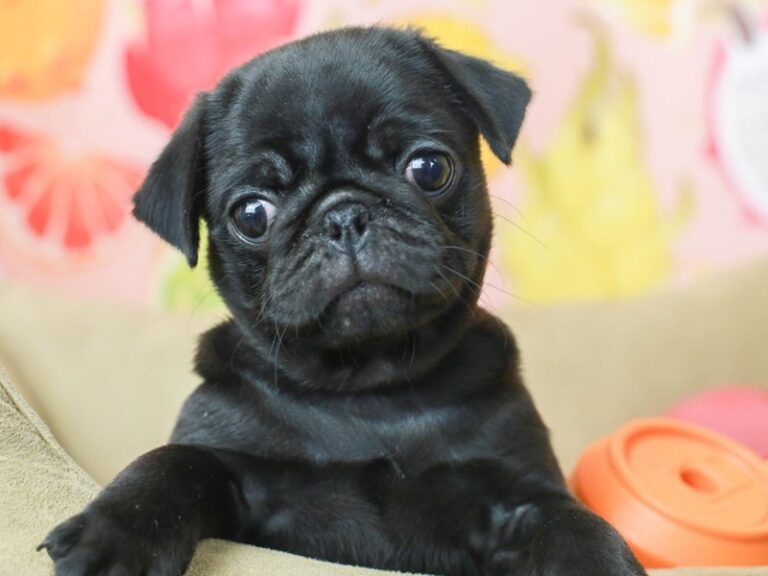
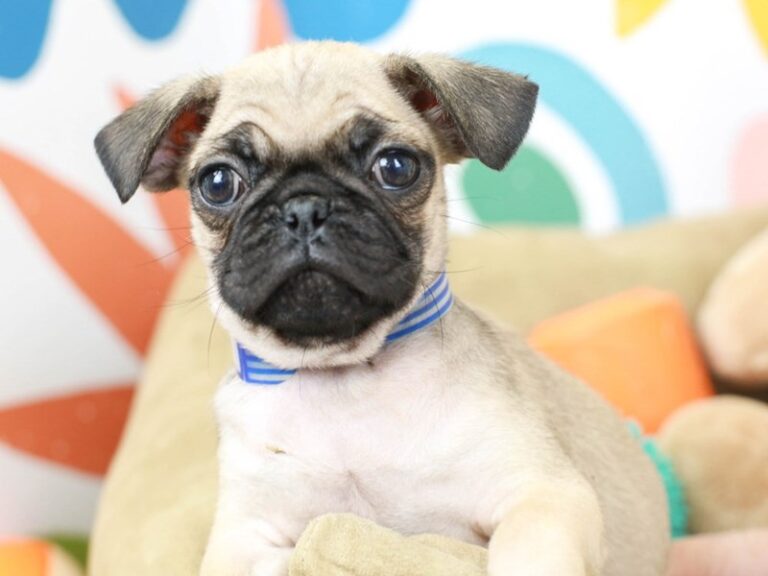
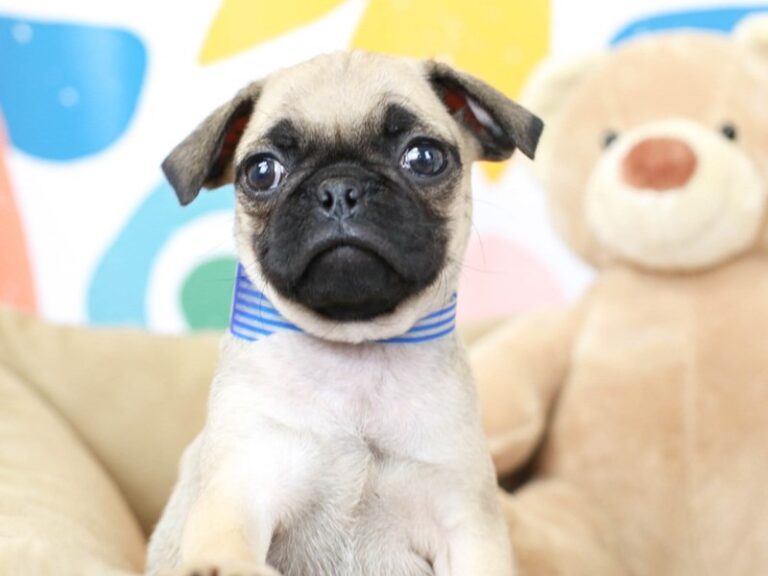
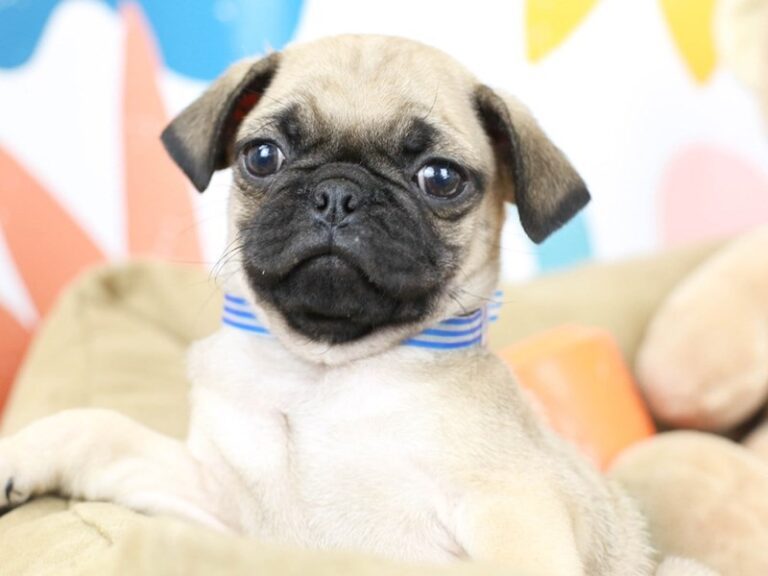
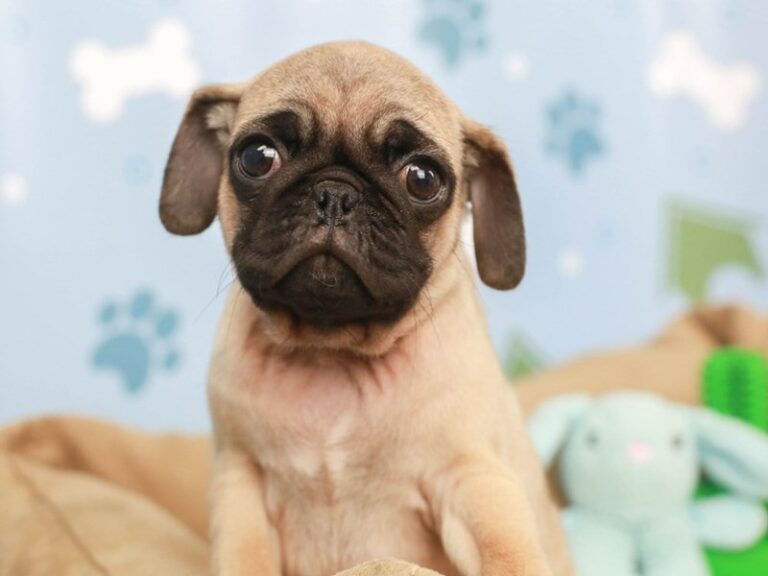
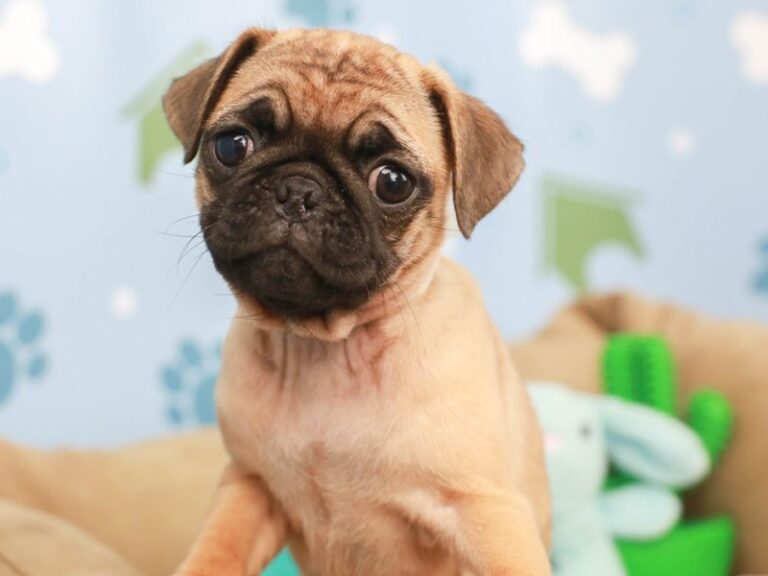
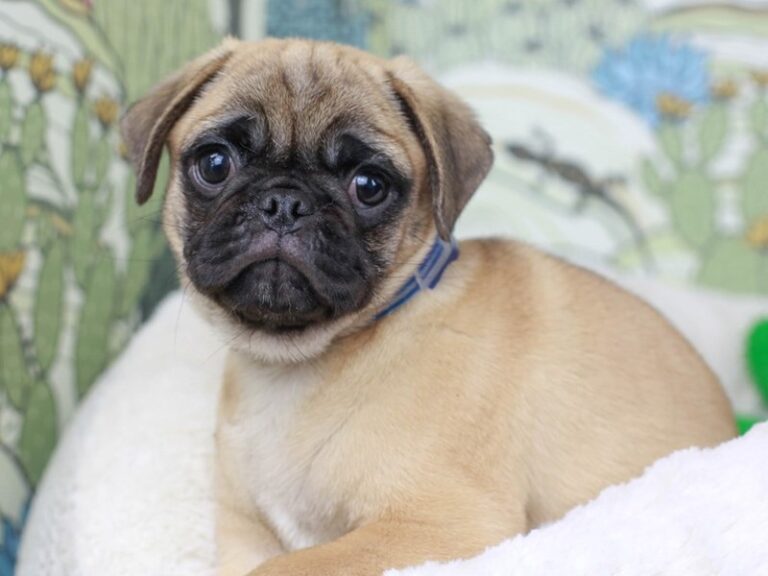
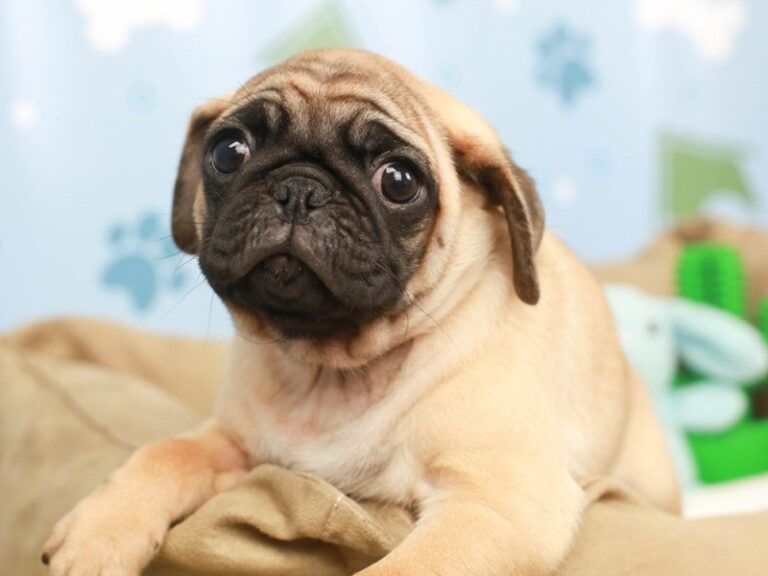
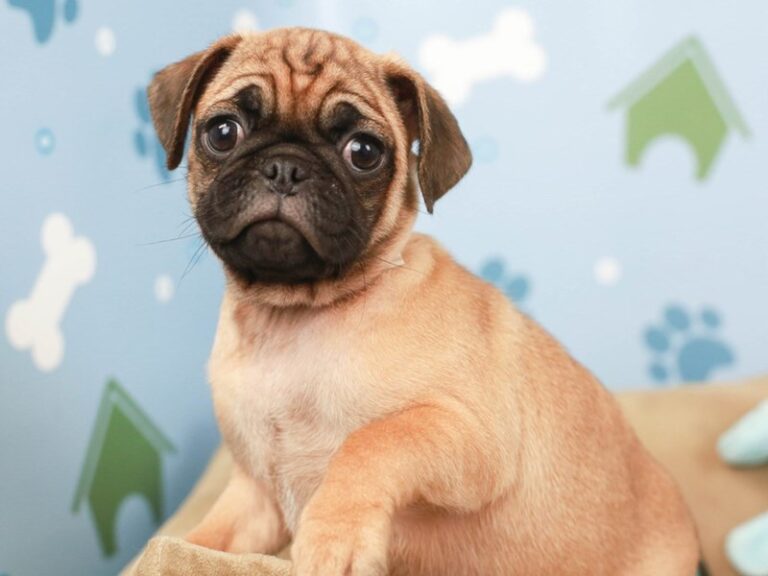
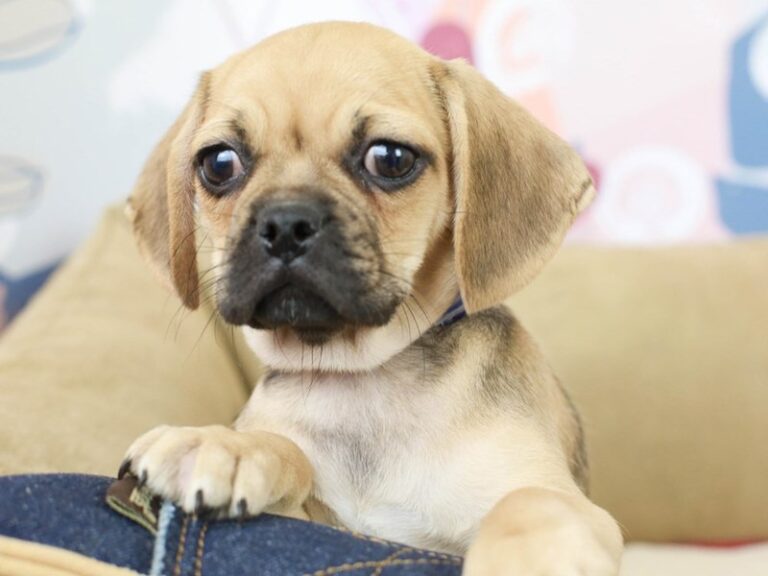
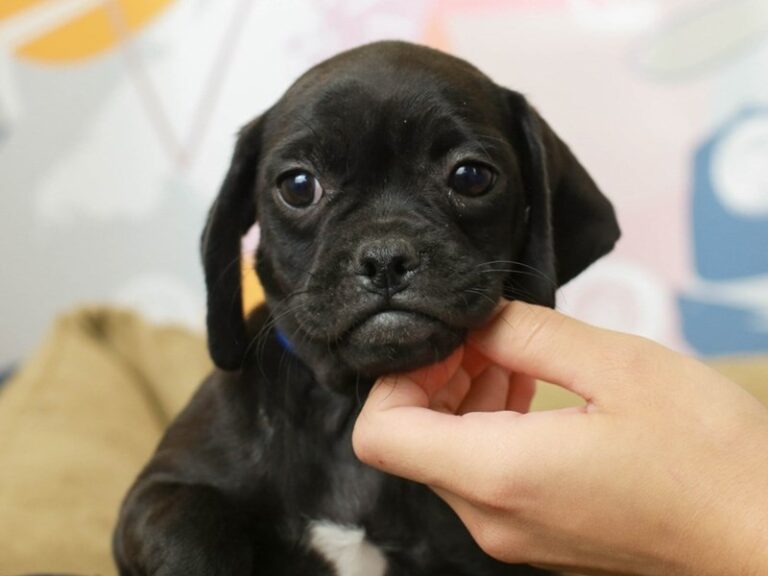
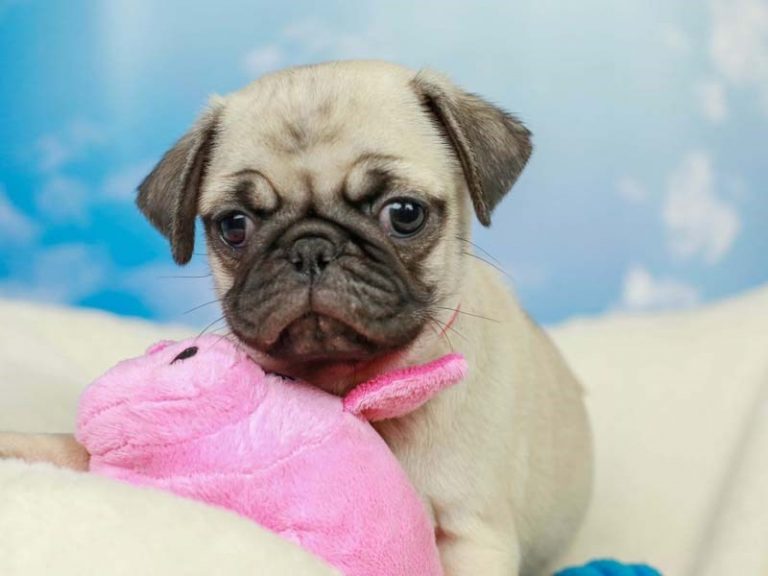
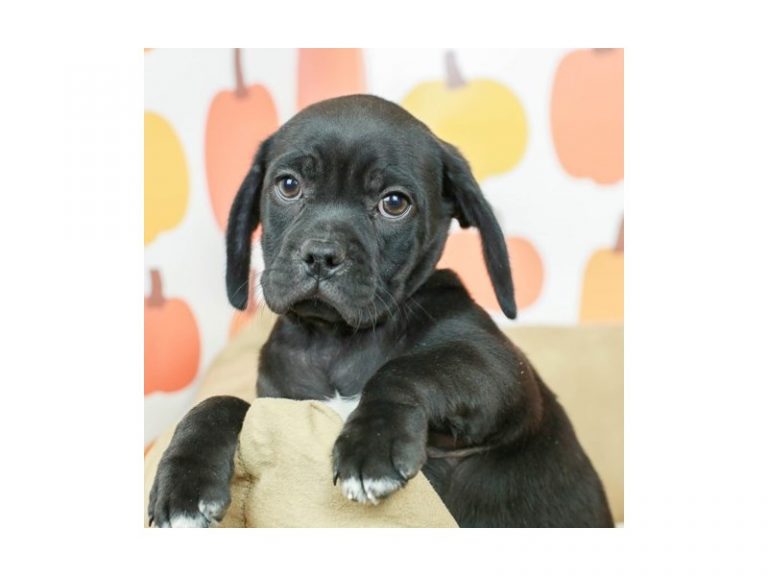
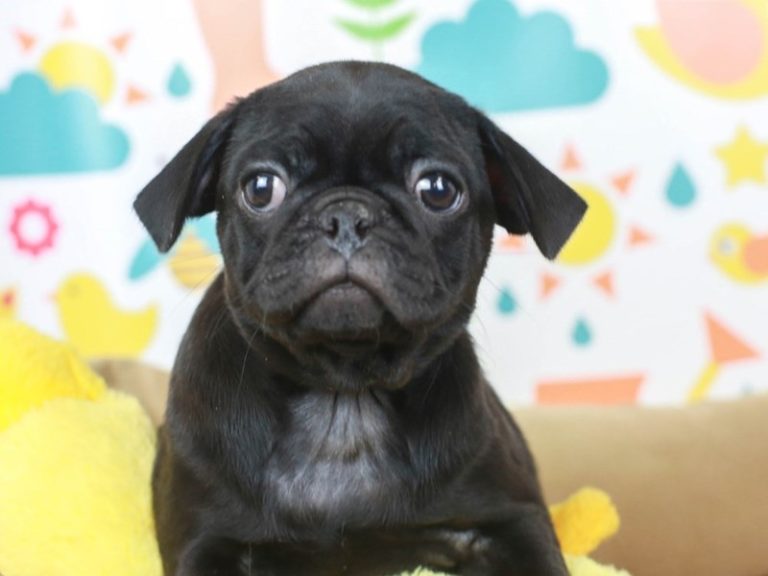
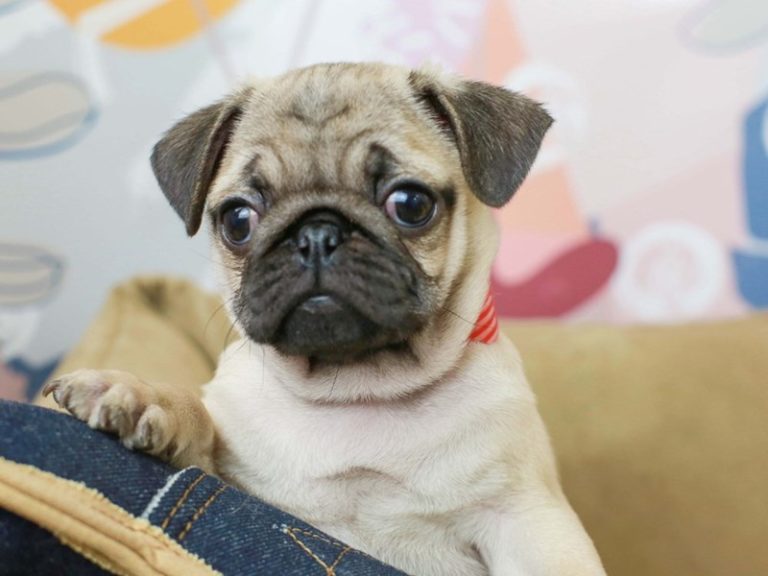
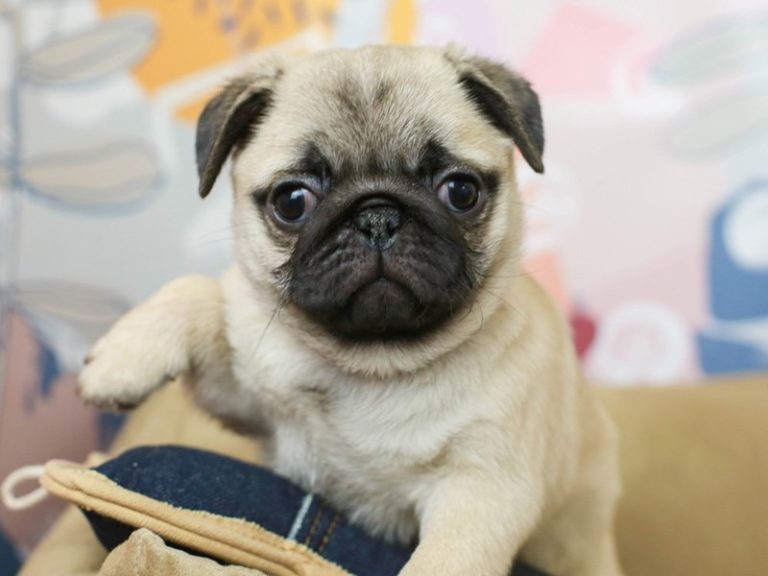
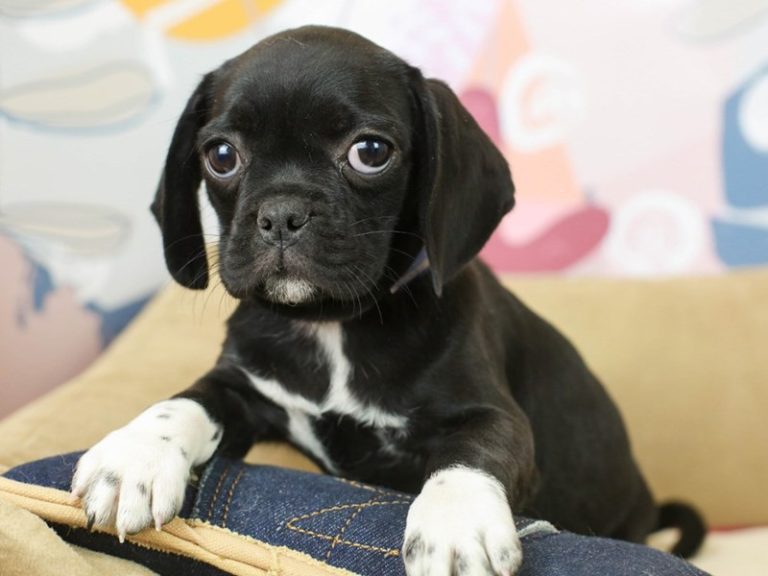
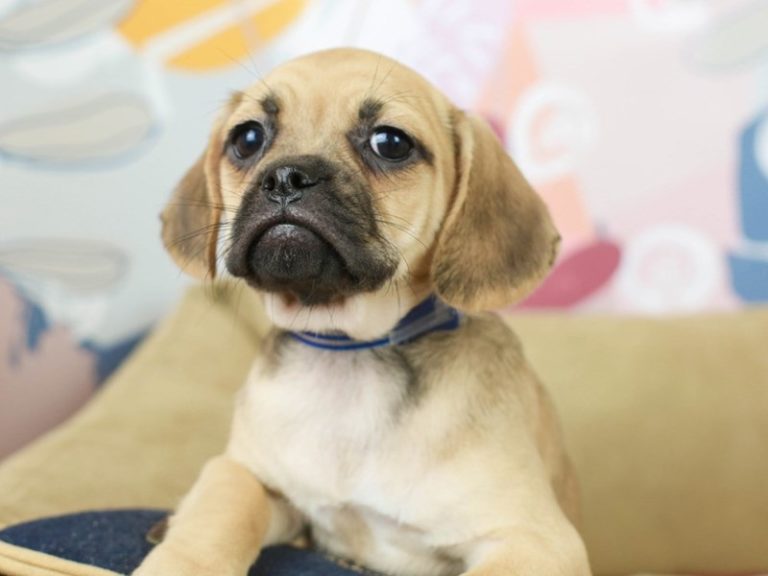
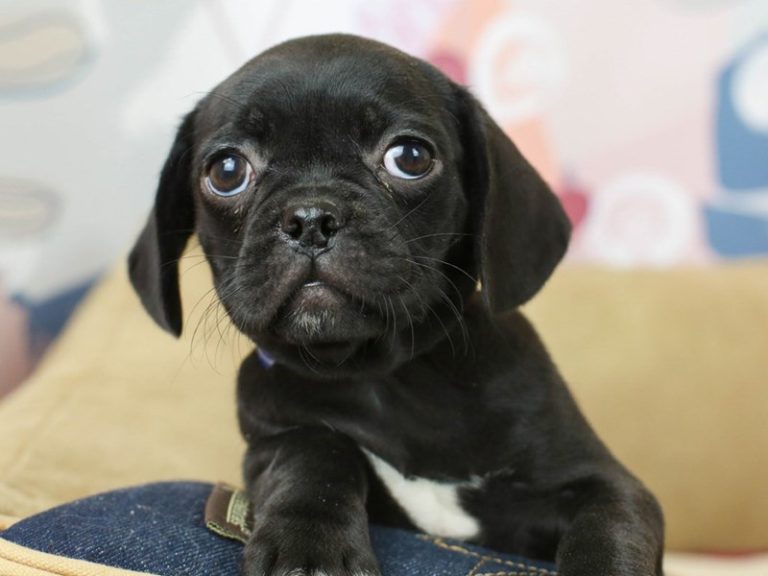
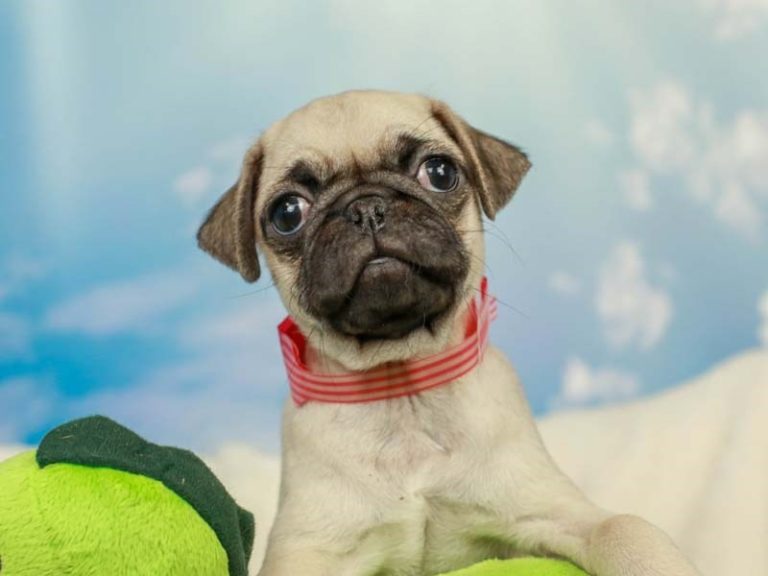
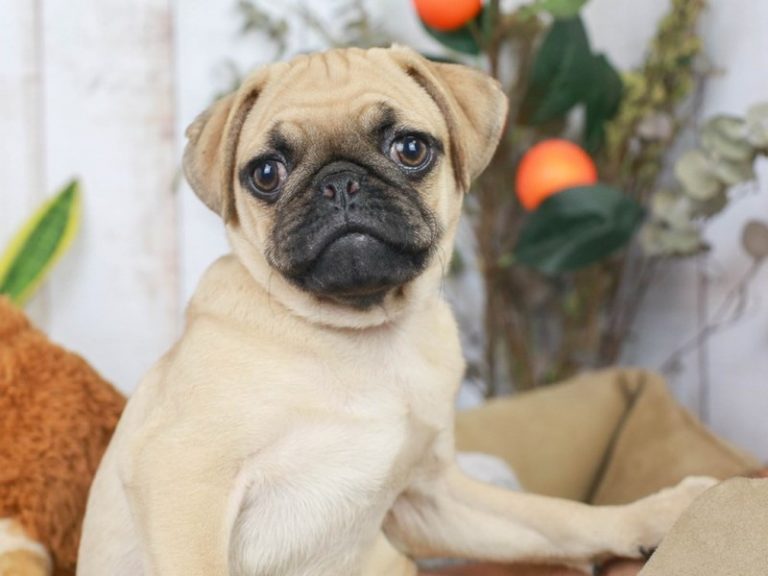
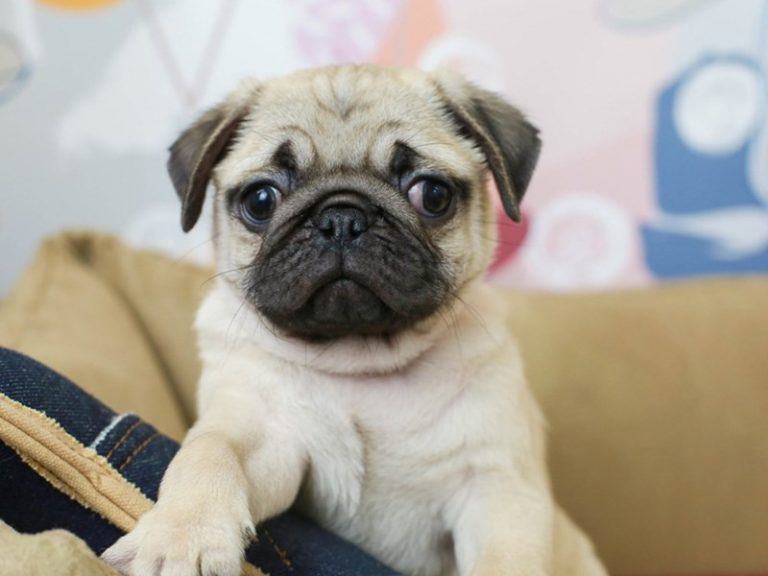
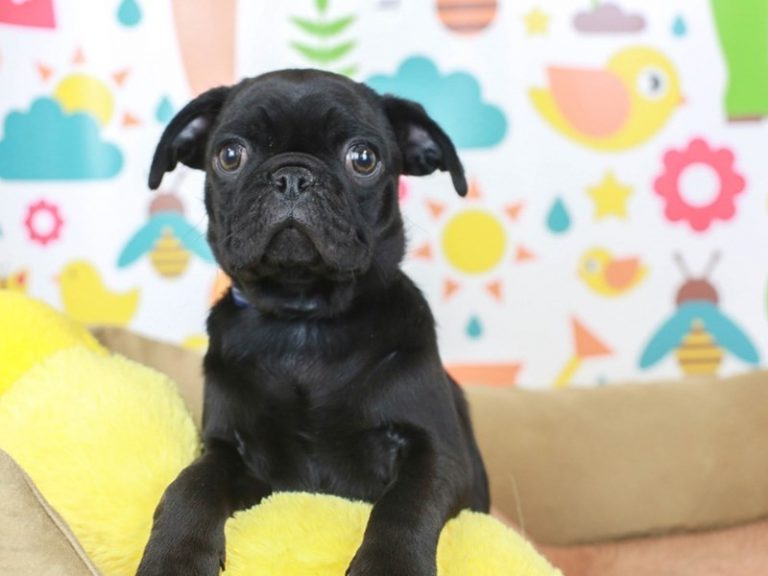
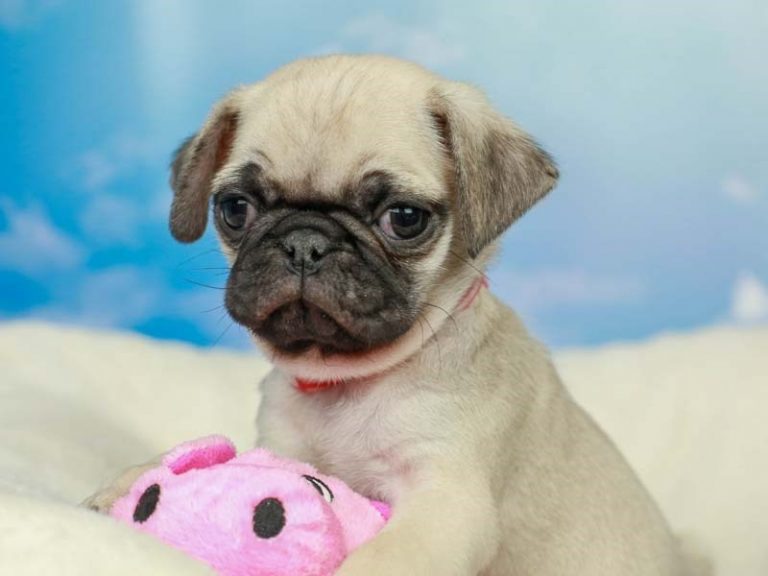
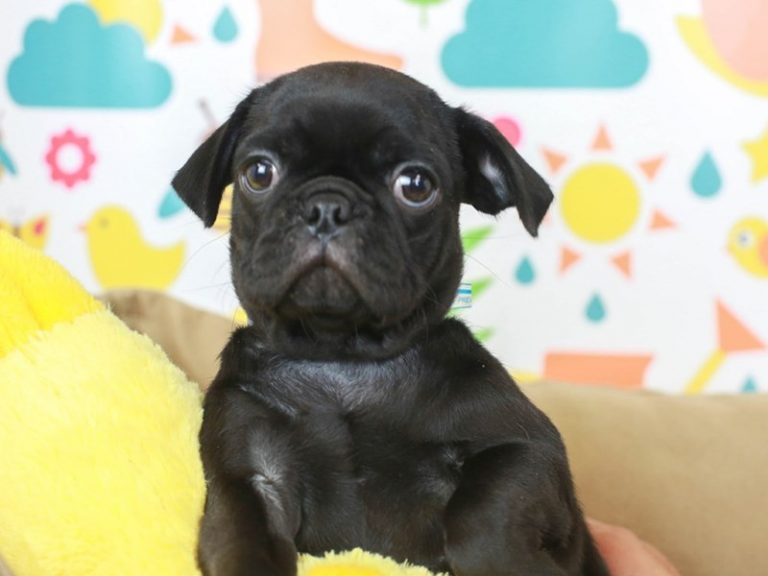
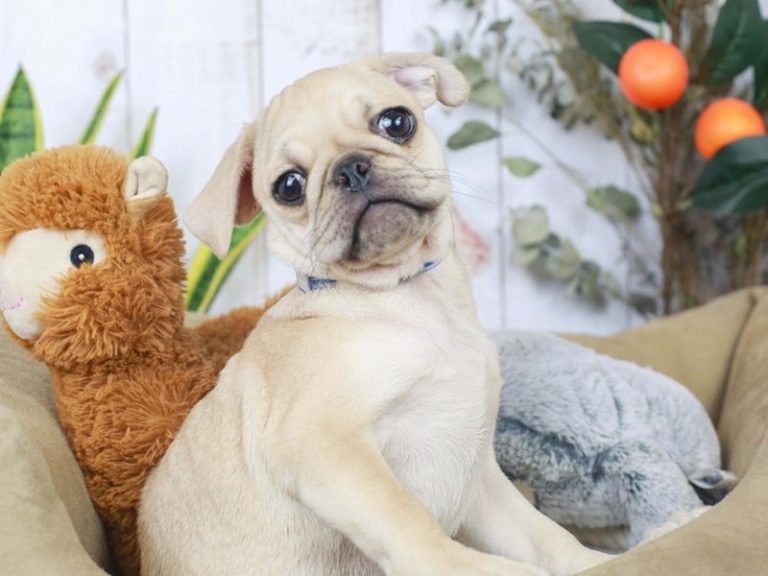
With proper socialization, training, nutrition, and veterinary care, a Pug can be a delightful family companion.
Pug Personality
Pugs are typically affectionate, outgoing, and people-oriented dogs. They enjoy being part of family activities and often form strong bonds with their owners.
Their playful personality can make them entertaining companions, while their adaptable nature allows them to settle comfortably into different types of homes.
Pugs can be social with visitors and other pets when properly introduced and socialized. They may also be somewhat mischievous, so consistent training and appropriate boundaries are helpful from an early age.
Breed Characteristics
- Breed Group: Toy Group
- Height: 10–13 inches
- Weight: Approximately 14–18 pounds
- Life Expectancy: 13–15 years
- Coat: Short, smooth, and double-coated
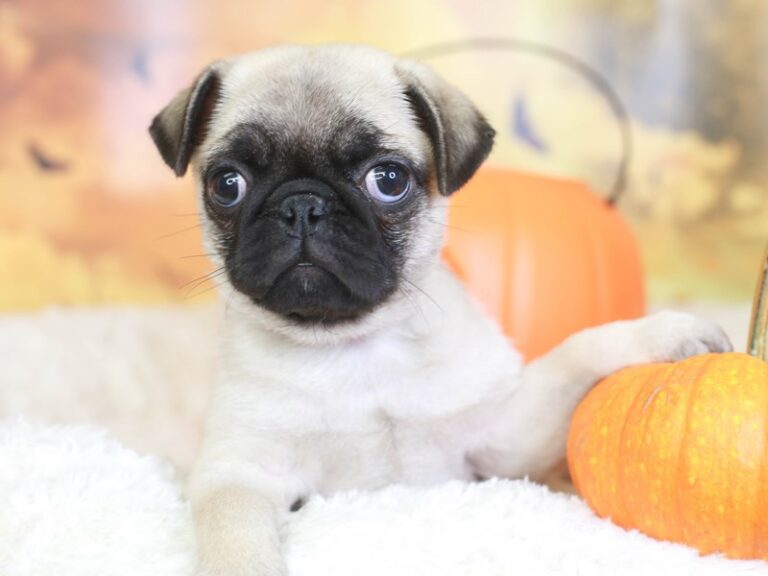
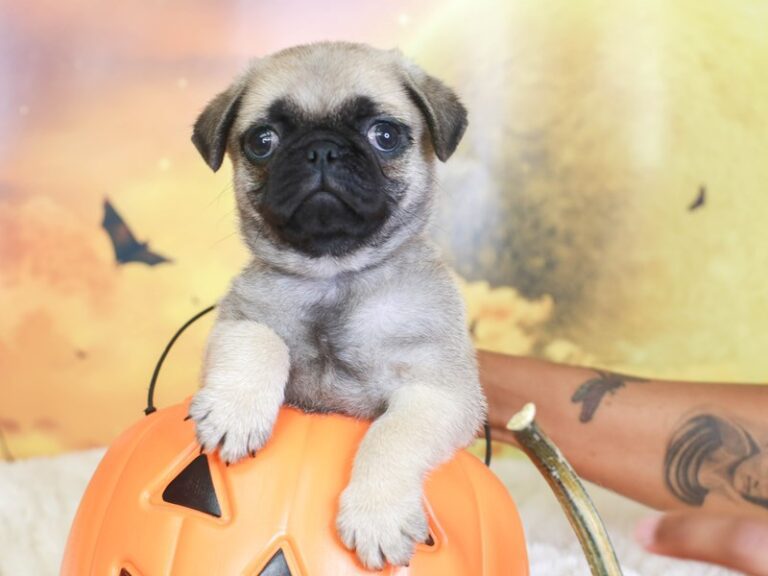
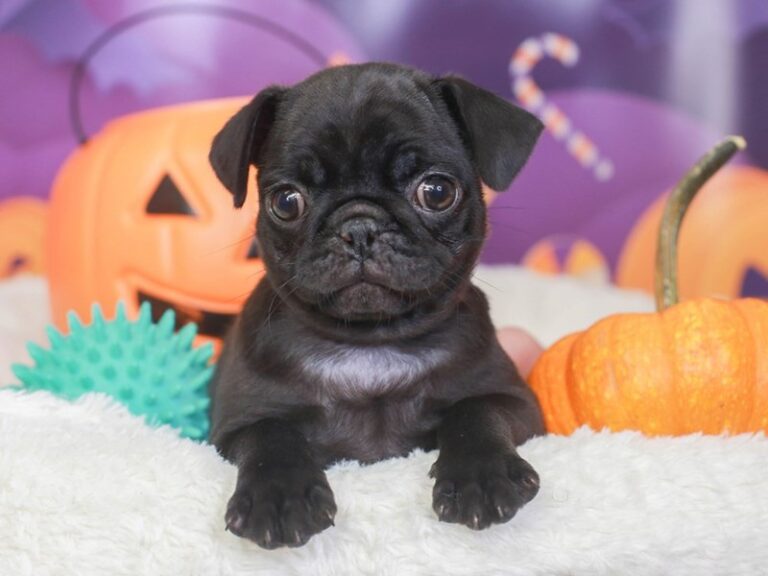
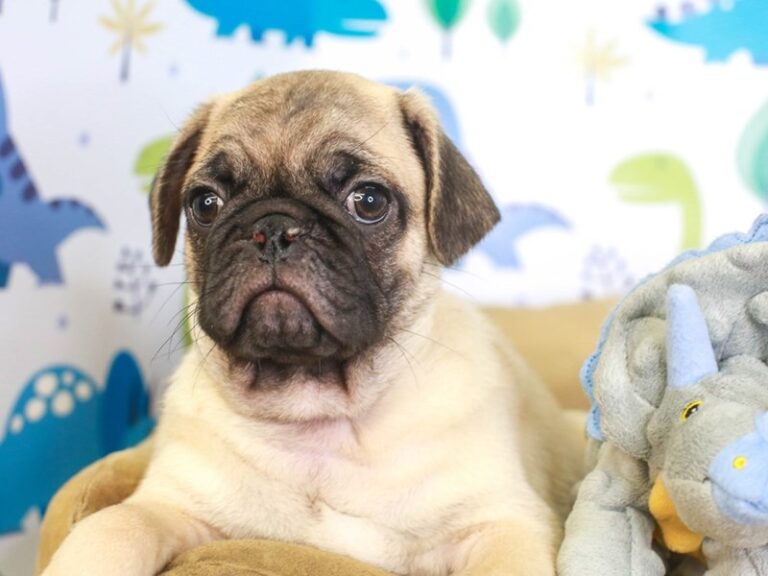
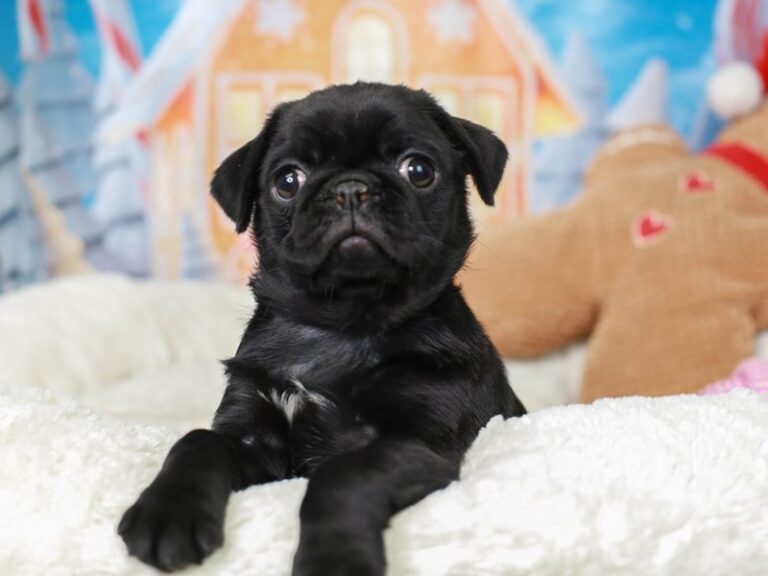
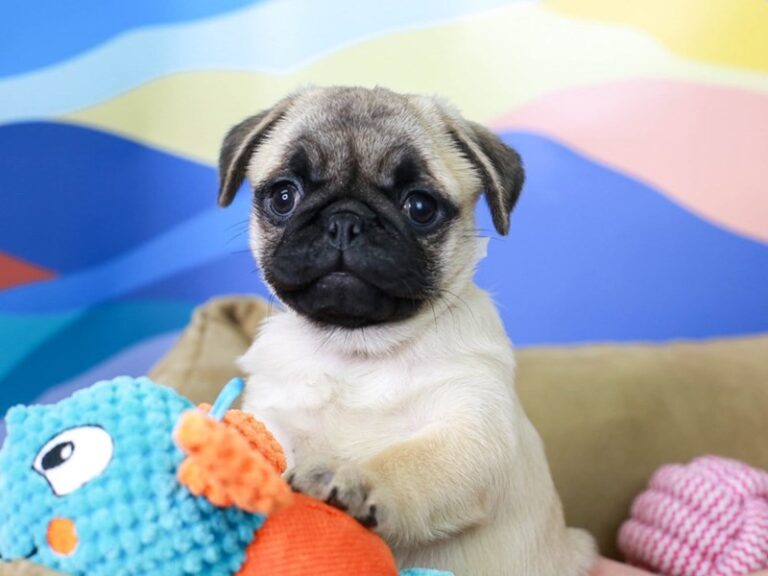
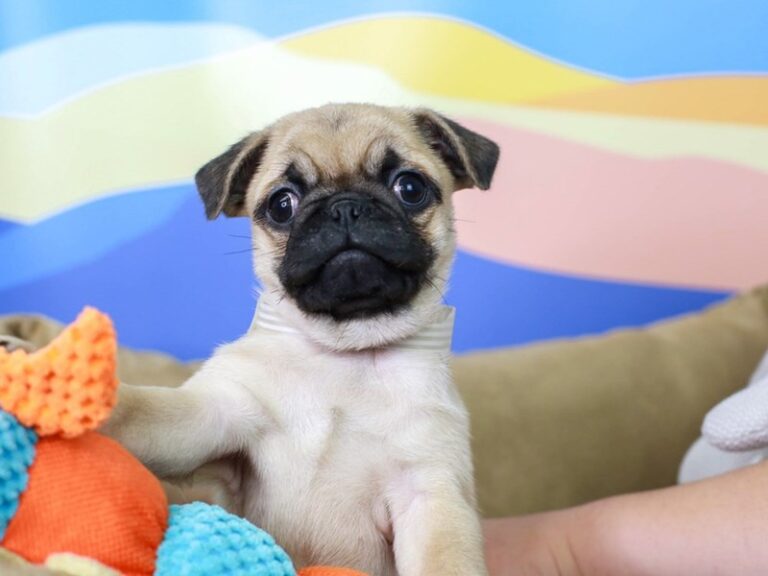
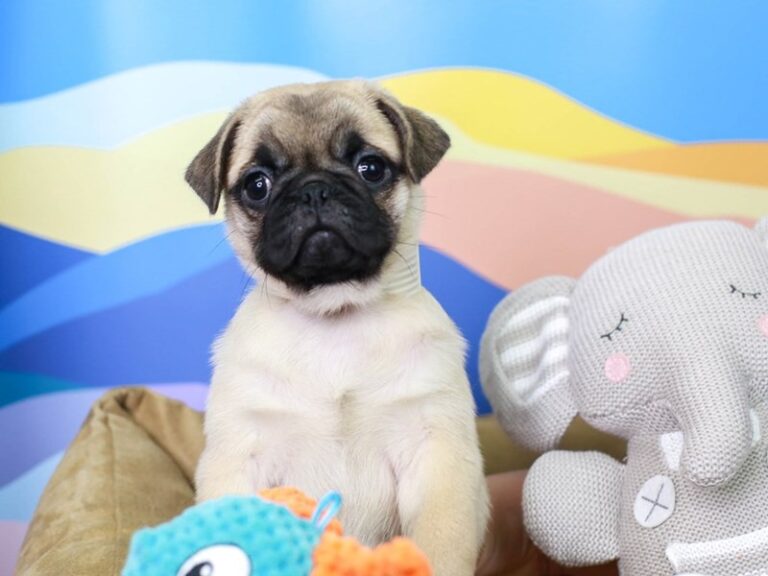
- Colors: Fawn, black, silver, and apricot-fawn
- Temperament: Affectionate, playful, social, charming, adaptable
- Energy Level: Low to Moderate
Intelligence & Trainability
Pugs are intelligent and can learn basic commands and household routines, although they may sometimes be motivated more by treats and attention than by a desire to work.
Positive reinforcement is usually an effective training approach. Praise, small treats, toys, and play can encourage good behavior.
Puppy training should focus on:
- House training
- Basic obedience
- Leash manners
- Socialization
- Appropriate barking
- Impulse control
- Comfortable handling
Short training sessions can help keep a Pug engaged without overwhelming its attention span.
Living Environment
Pugs are highly adaptable and can live comfortably in apartments, condos, or houses. They generally prefer staying indoors with their families rather than spending extended periods outside.
They do best in homes that provide:
- Regular companionship
- Short daily walks
- Indoor play
- Mental stimulation
- A comfortable temperature-controlled environment
Because Pugs can have difficulty regulating body temperature, they should be protected from excessive heat and humidity.
Is a Pug Puppy Right for You?
A Pug puppy may be an excellent choice if you’re looking for a dog that is:
- Small and affectionate
- Playful and entertaining
- Social and people-oriented
- Adaptable to apartment living
- Relatively easy to exercise
- Devoted to its family
Prospective owners should understand that Pugs require special attention to weight management, breathing, eye health, and heat exposure. They are best suited to owners who can provide a comfortable indoor environment and attentive daily care.
Frequently Asked Questions
Are Pug puppies good family pets?
Yes. Pugs are generally affectionate, social, and playful, making them popular family companions when properly trained and socialized.
Are Pugs easy to train?
Pugs are intelligent but can be independent. Positive reinforcement, consistency, treats, and short training sessions can help make training enjoyable.
Do Pugs shed?
Yes. Pugs can shed considerably despite having short coats. Regular brushing can help manage loose hair.
How much exercise does a Pug need?
Pugs generally need moderate or relatively low levels of exercise. Short walks and indoor play are usually appropriate, but strenuous activity and excessive heat should be avoided.
Are Pugs good with children?
Pugs can be affectionate companions for children. Because they are small and have specific breathing and heat-sensitivity concerns, children should be taught gentle handling and interactions should be supervised.
Do Pugs get along with other pets?
Many Pugs are social and can live well with other dogs and household pets when introduced properly and socialized from an early age.