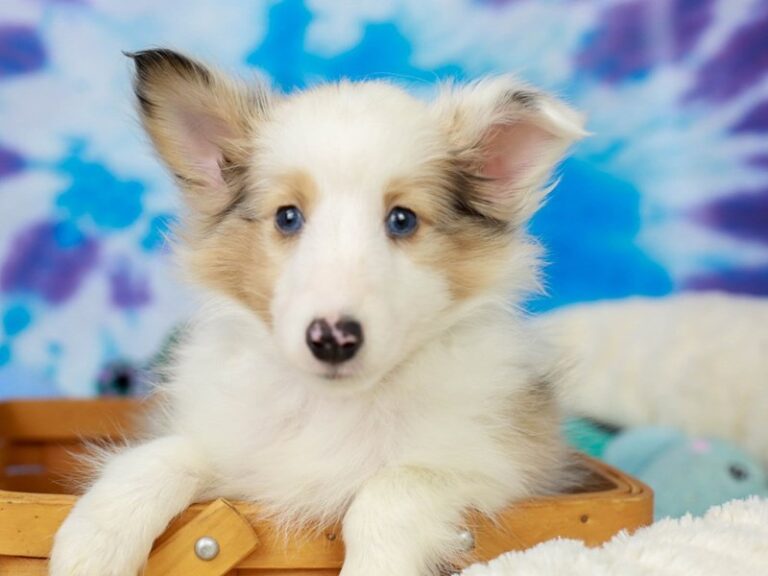
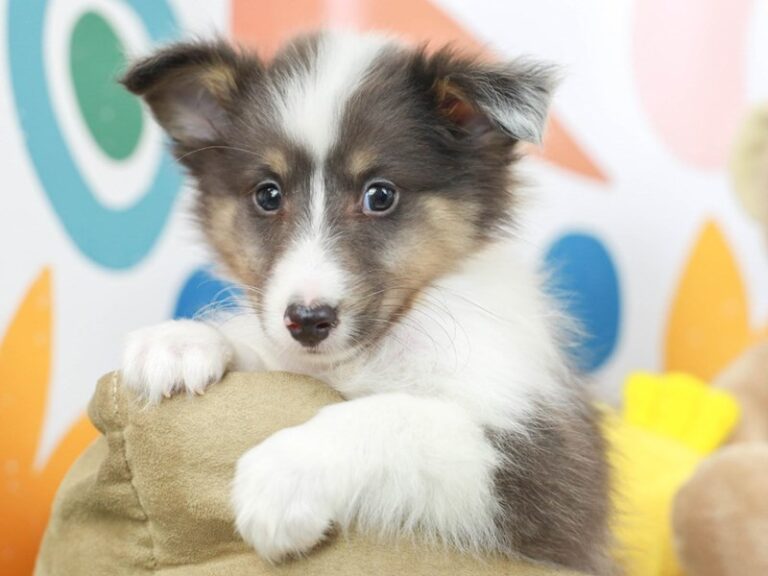
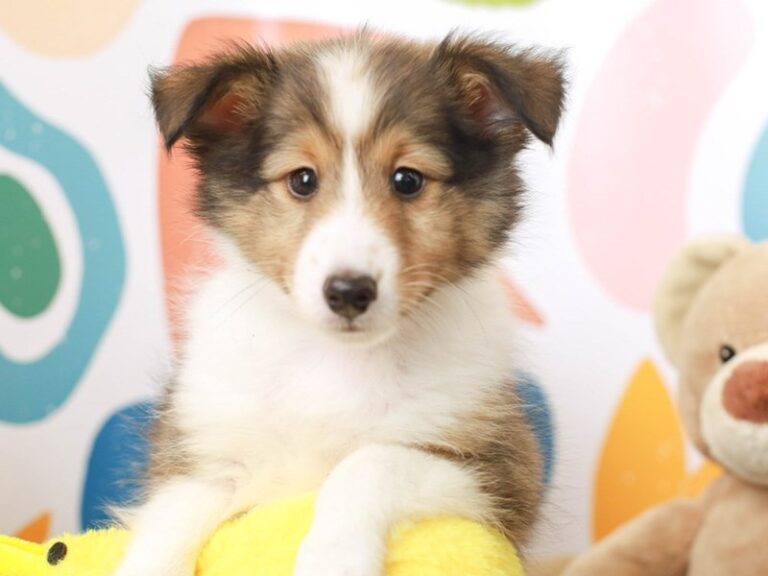
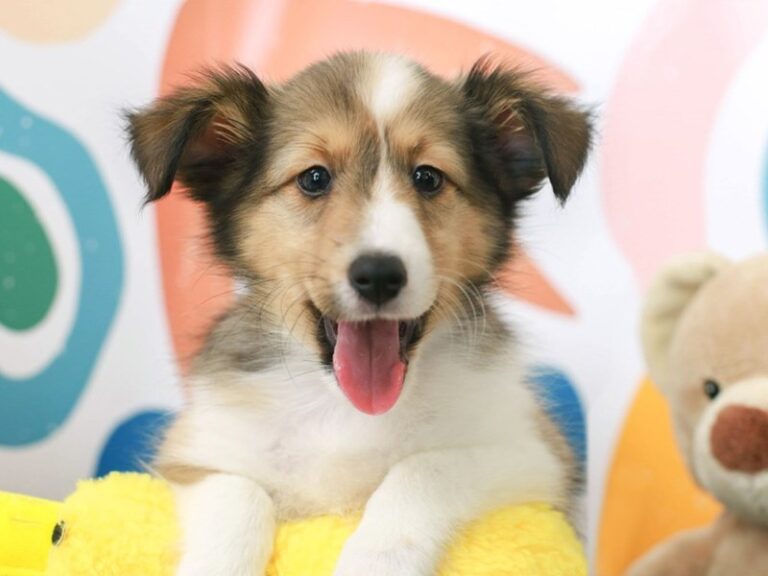
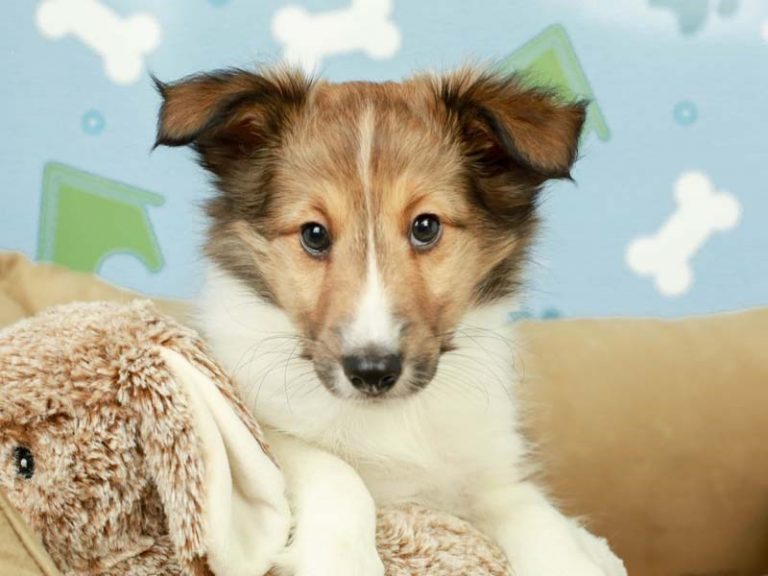
Personality
Shetland Sheepdogs are known for their intelligence and close connection with their families. They often enjoy staying near their owners and participating in household activities.
Shelties can be sensitive and attentive to their surroundings. They may bark when they notice unfamiliar people, sounds, or activity, which is why early training and socialization are useful.
Their herding background can also influence their behavior. Some Shelties may instinctively try to herd children, other pets, or moving objects. Proper training can help channel these instincts into appropriate activities.
Breed Characteristics
- Breed Group: Herding Group
- Height: 13–16 inches
- Weight: Approximately 15–25 pounds
- Life Expectancy: 12–14 years
- Coat: Long, straight, dense double coat
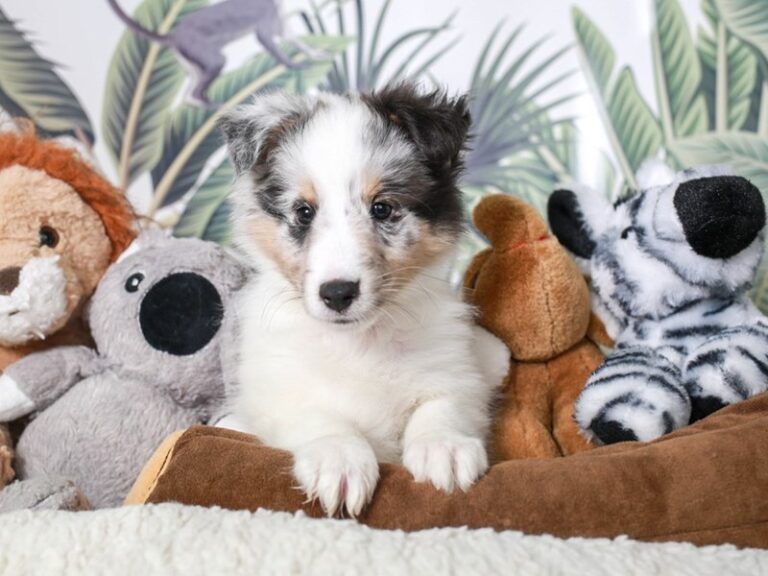
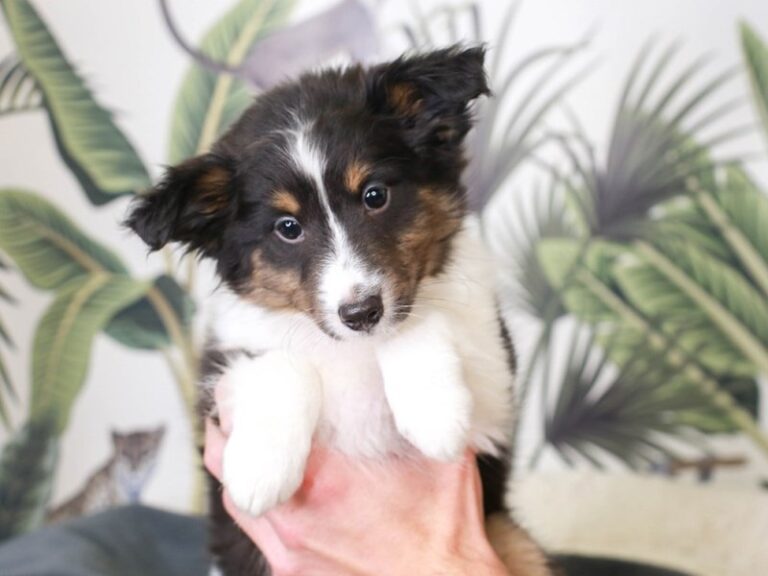
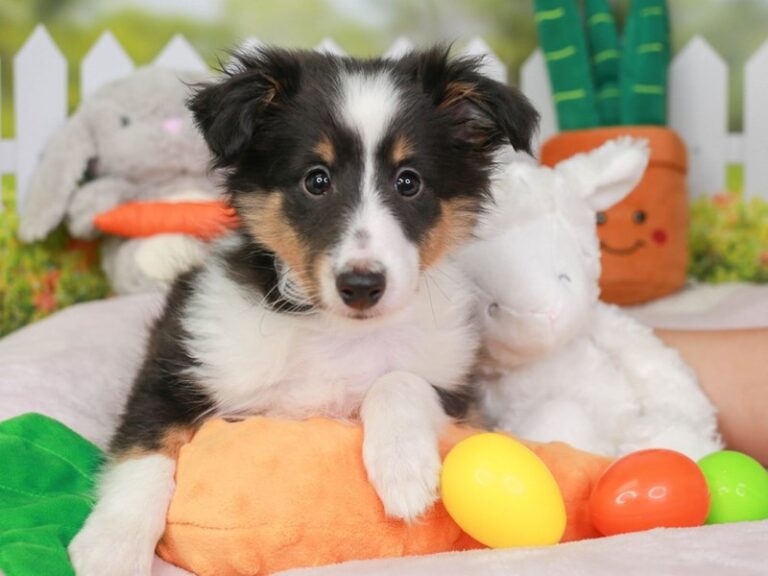
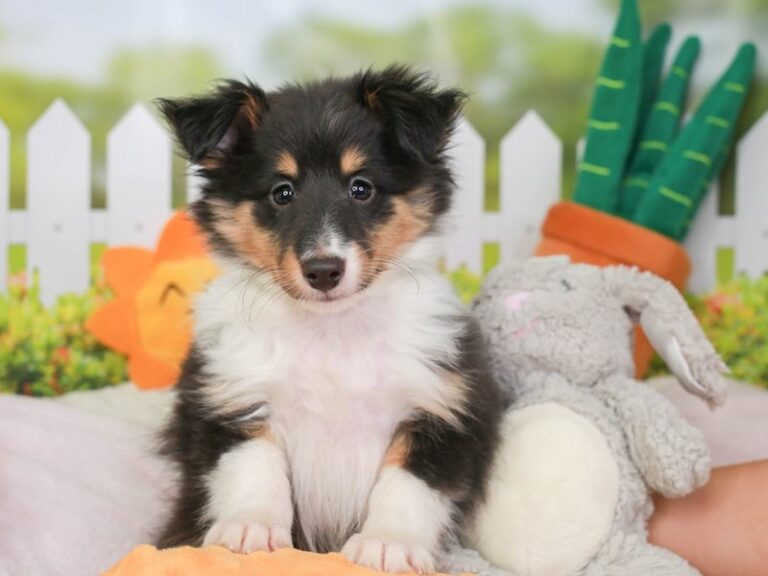
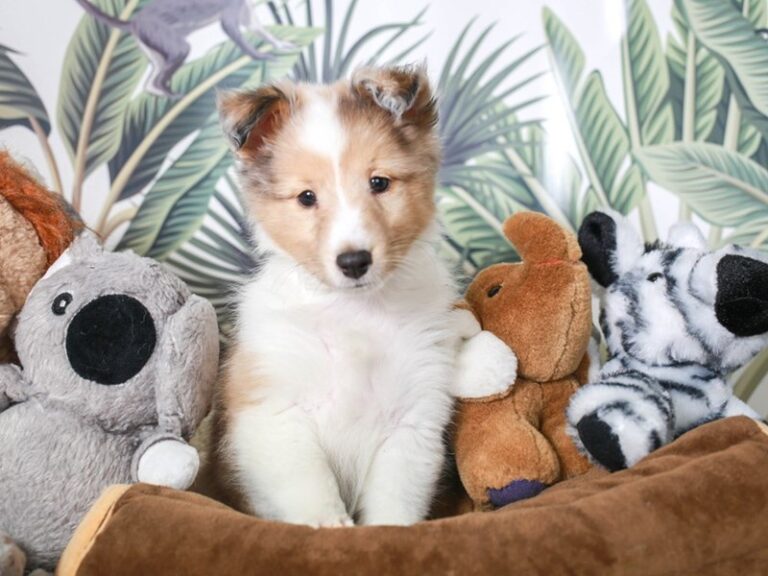
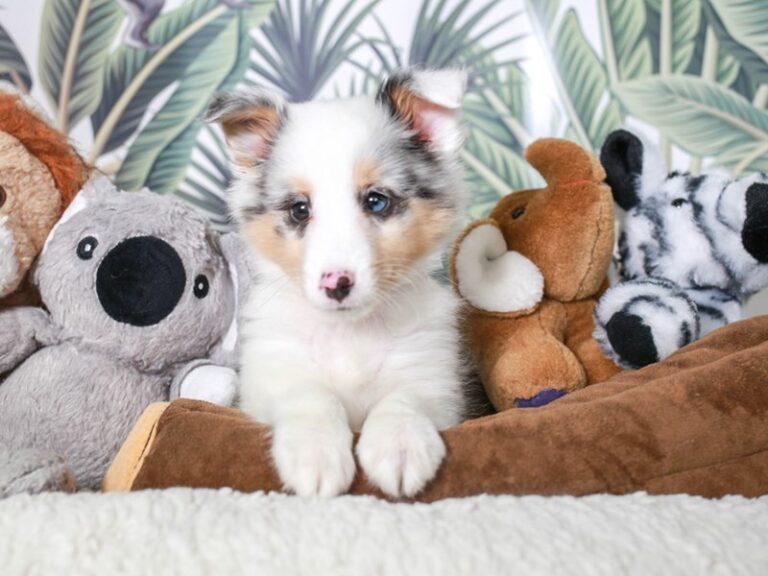
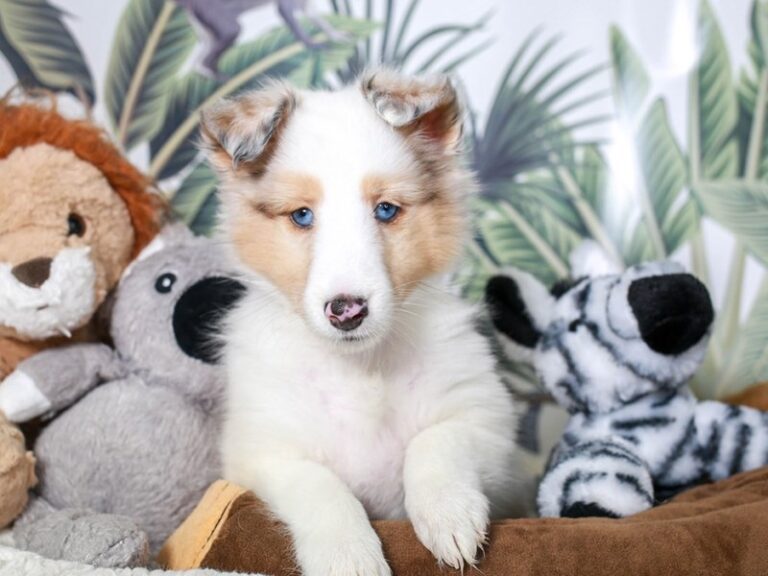
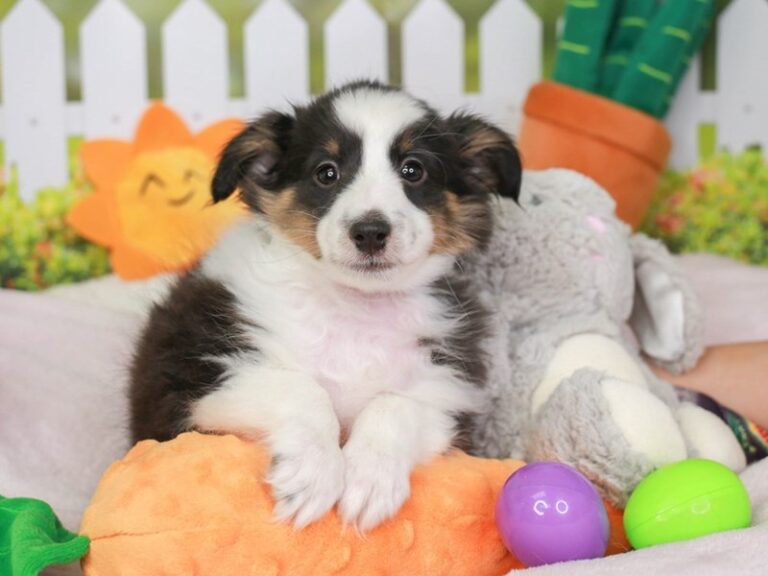
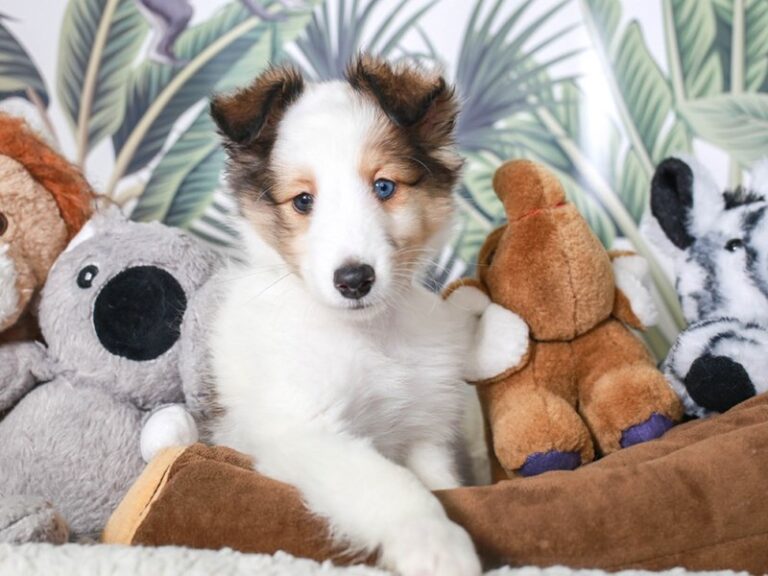
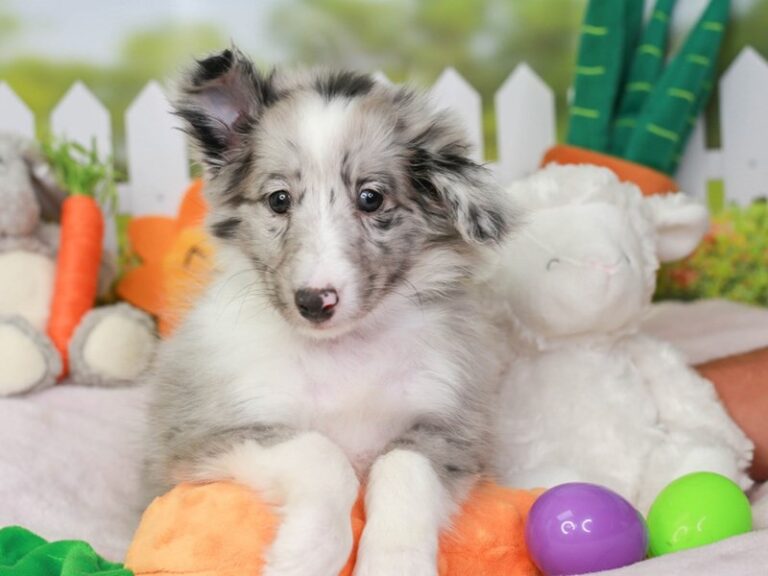
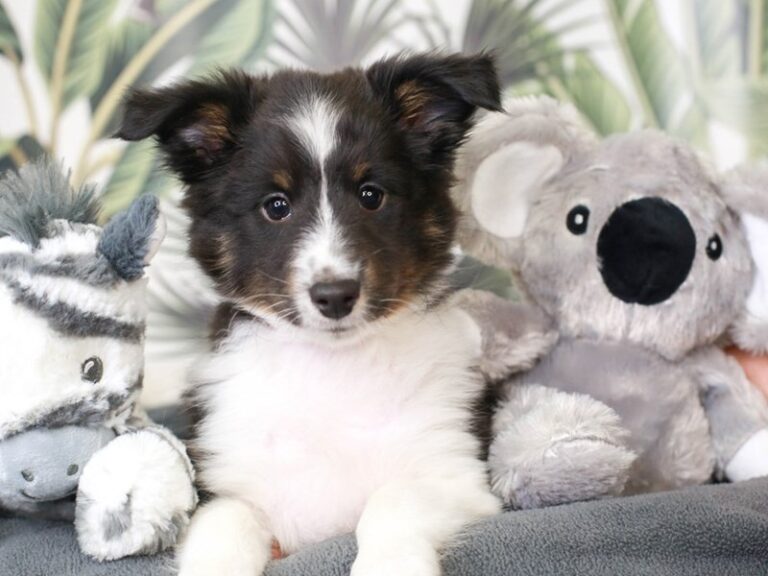
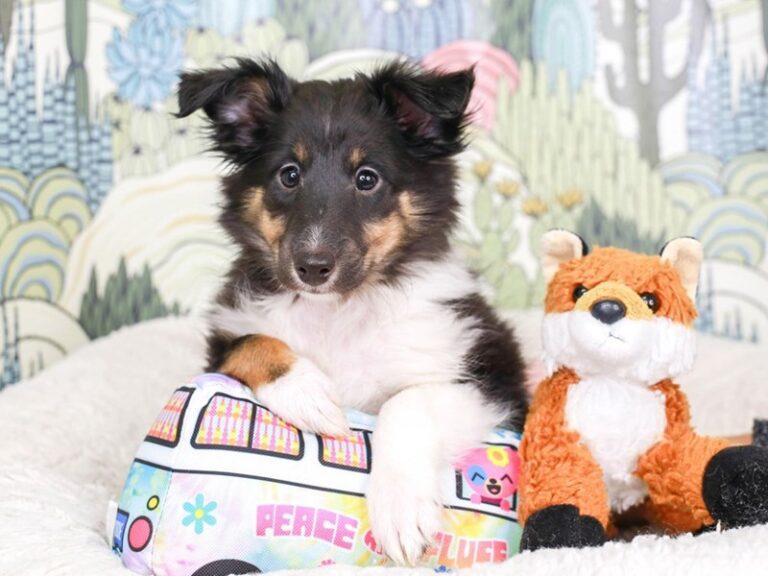
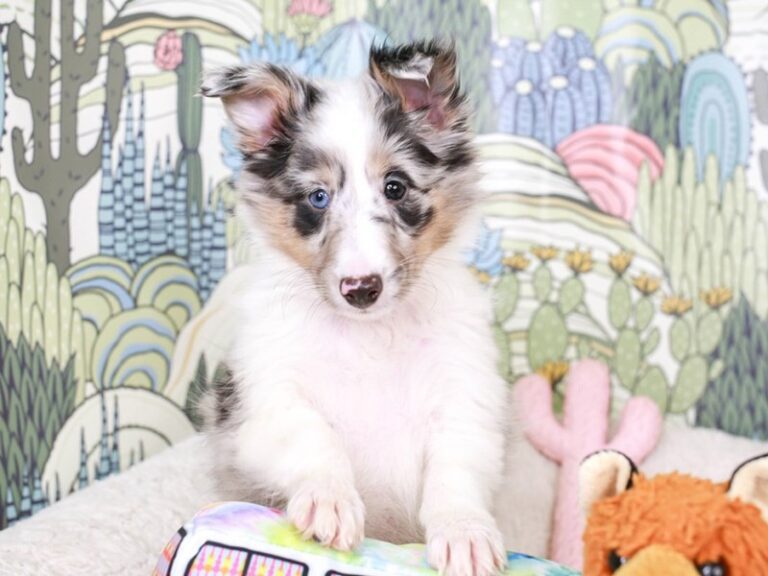
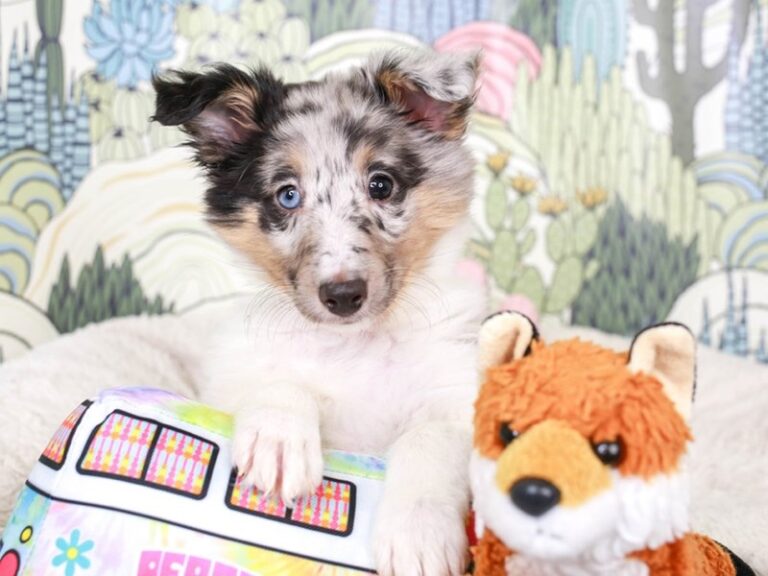
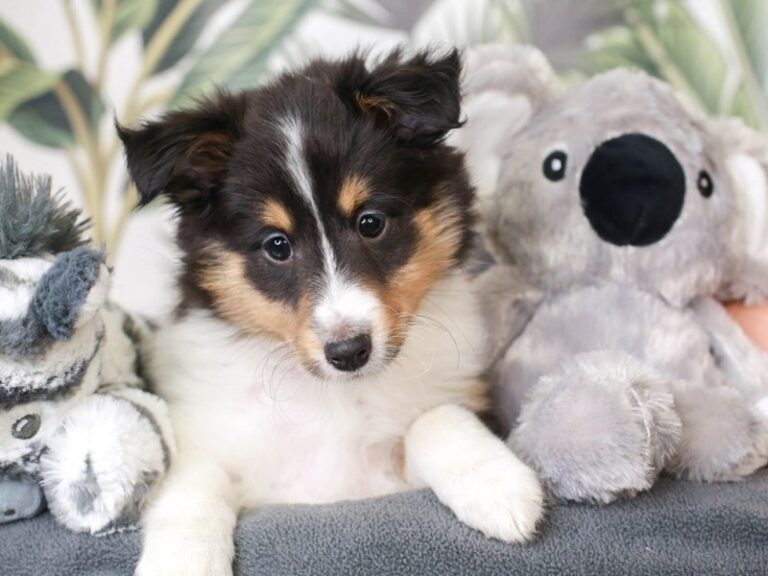
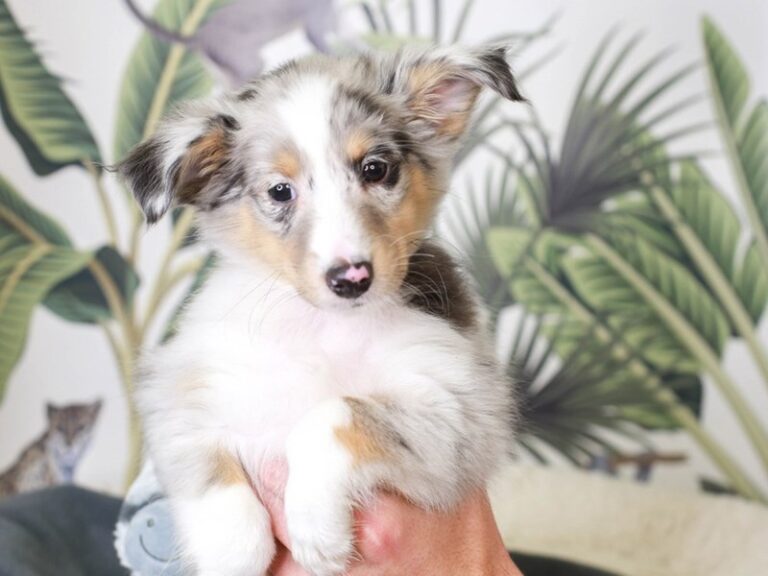
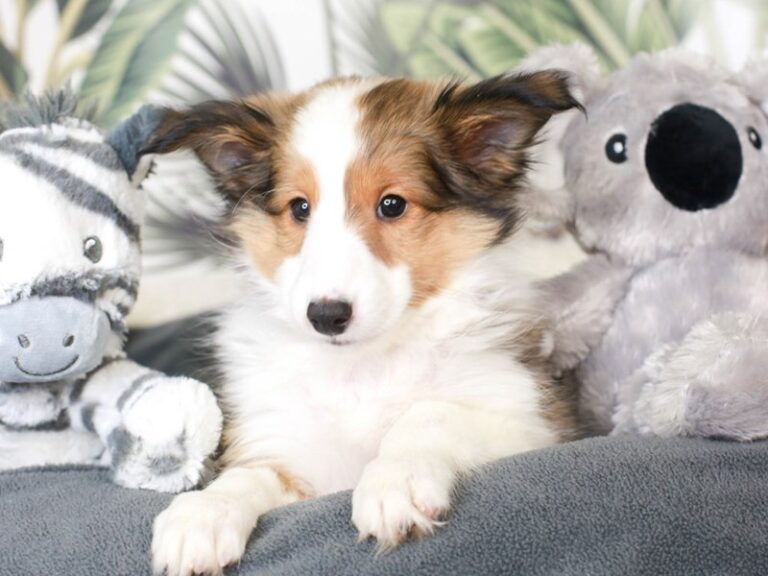
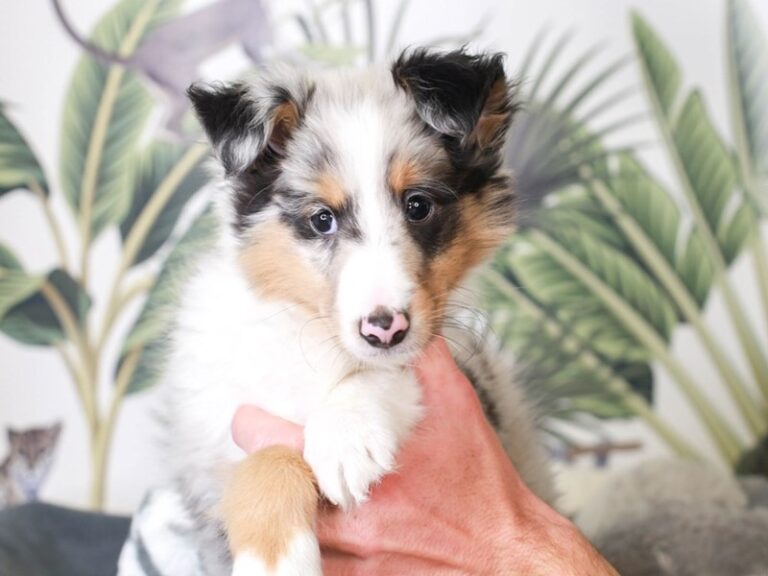
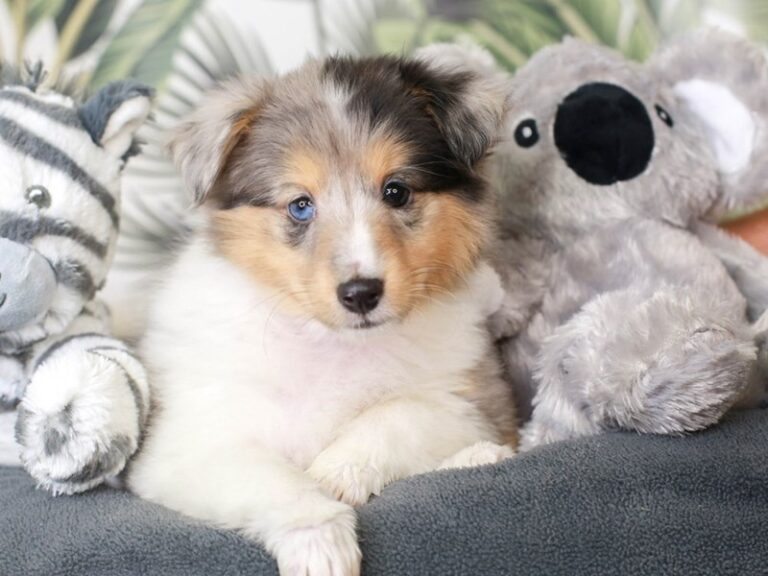
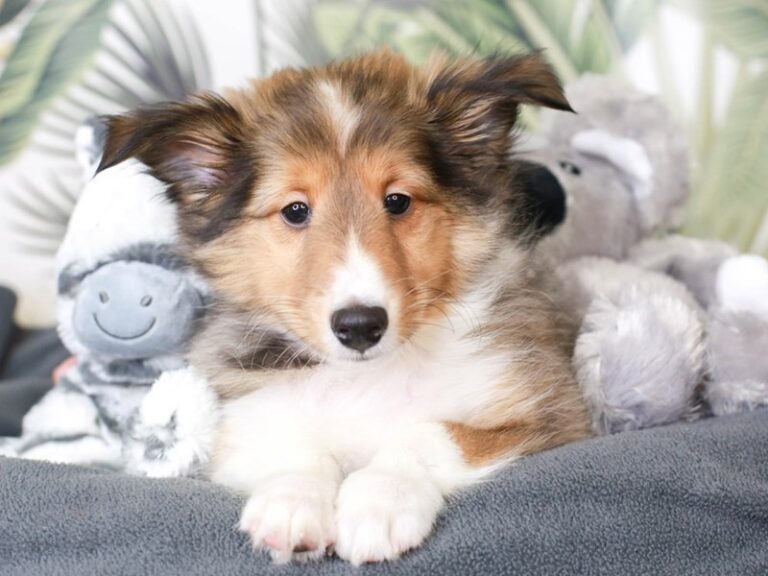
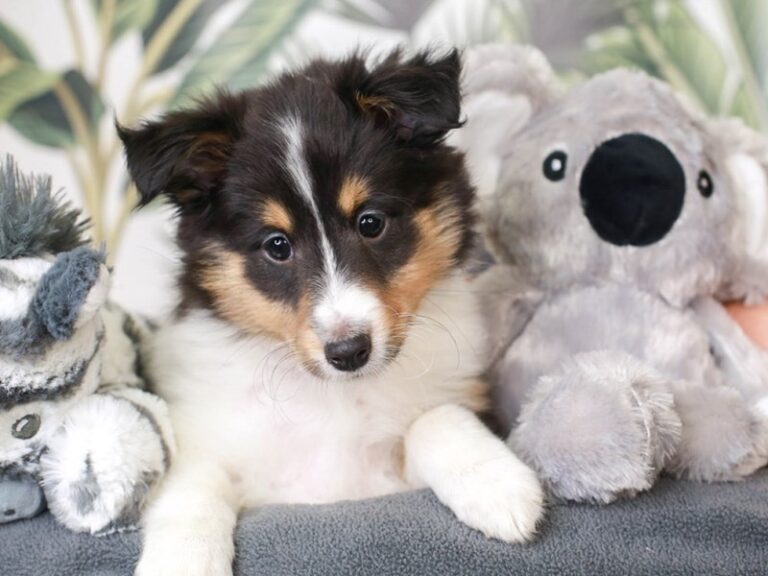
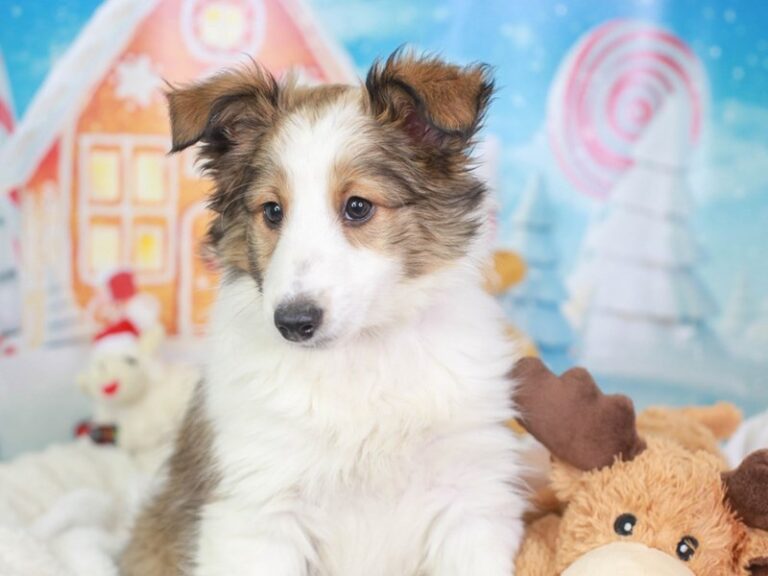
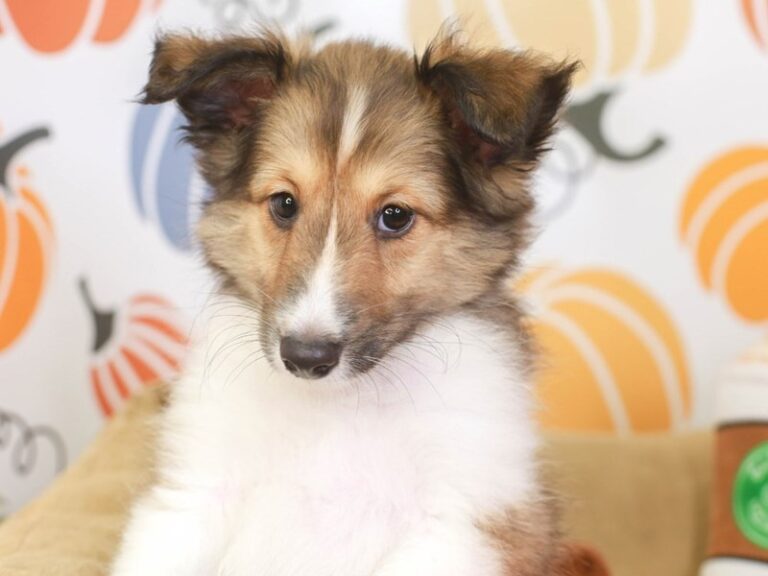
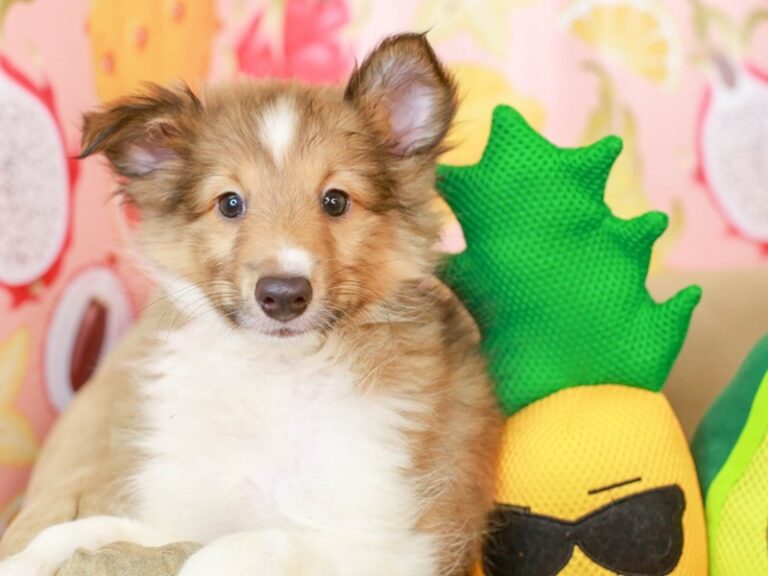
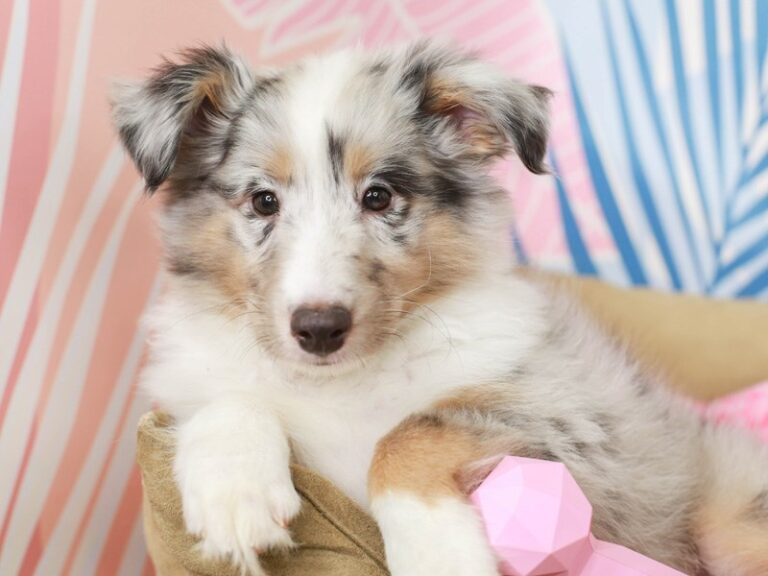
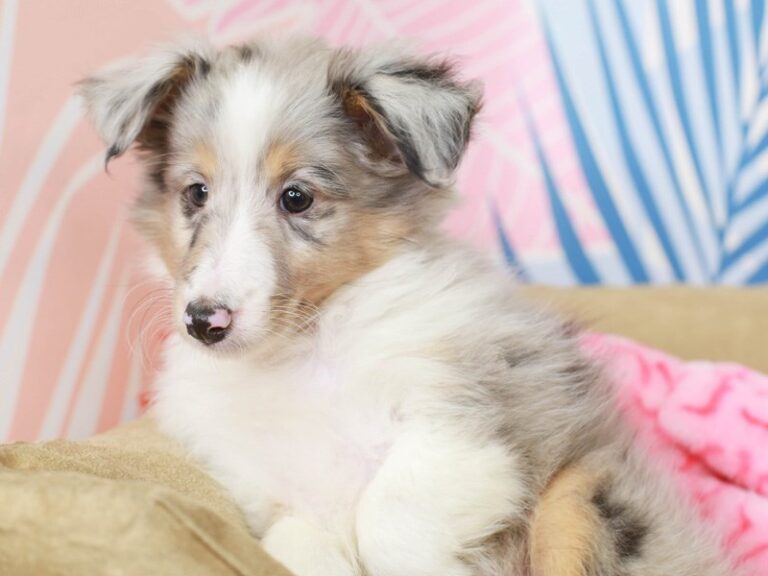
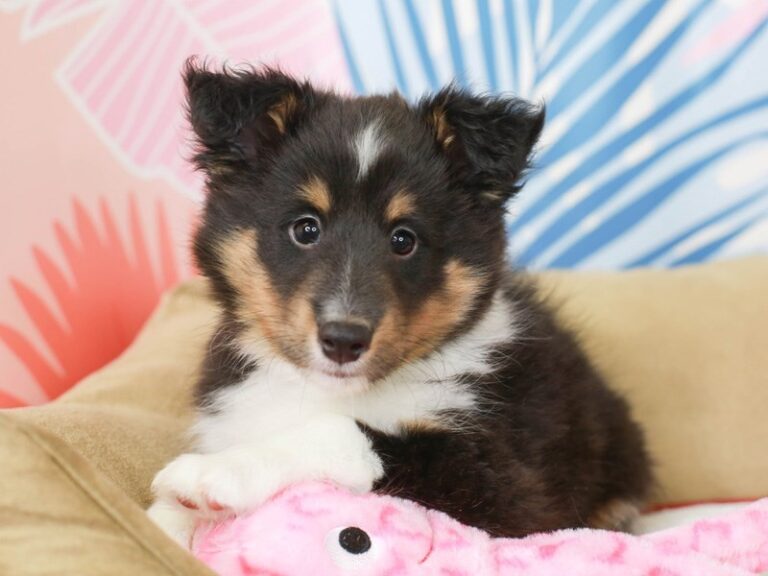
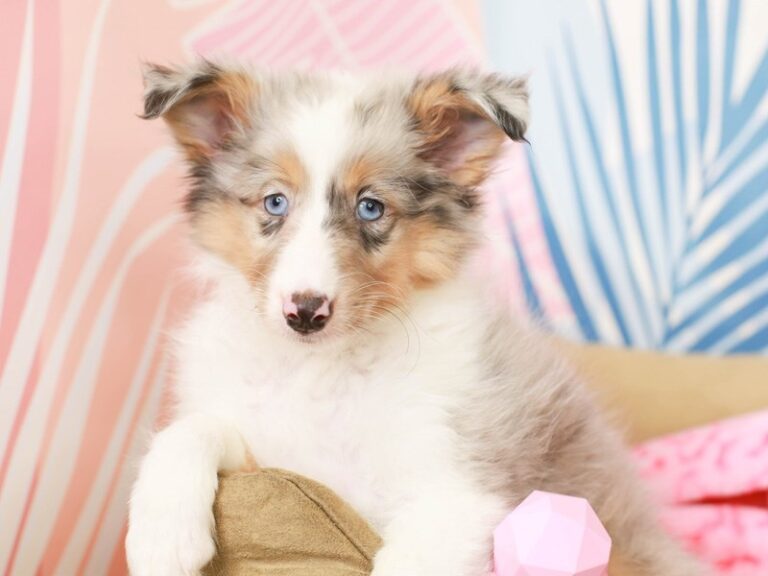
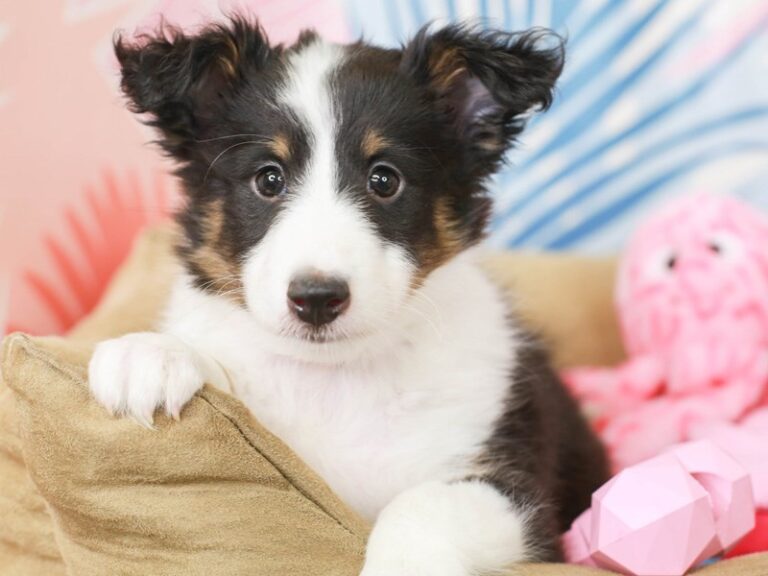
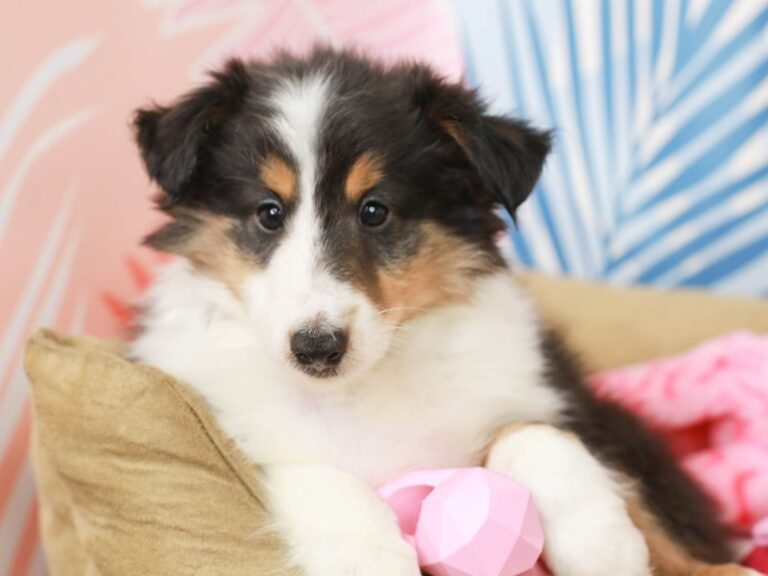
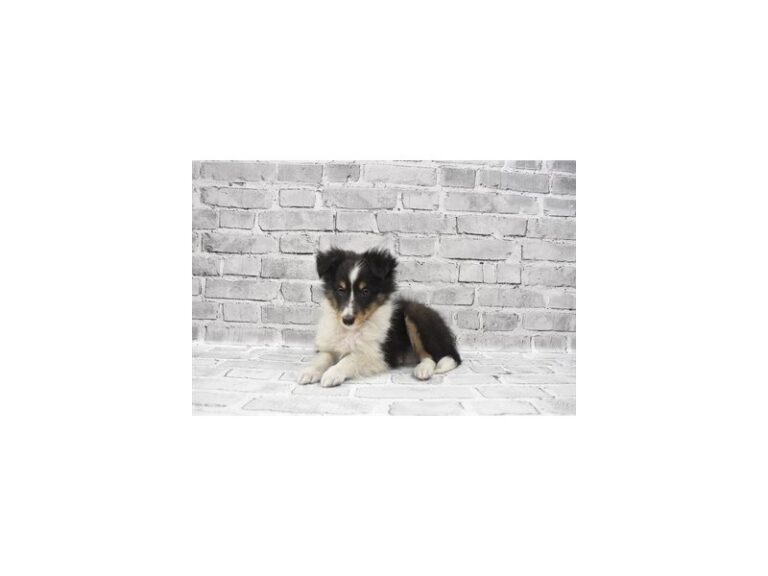
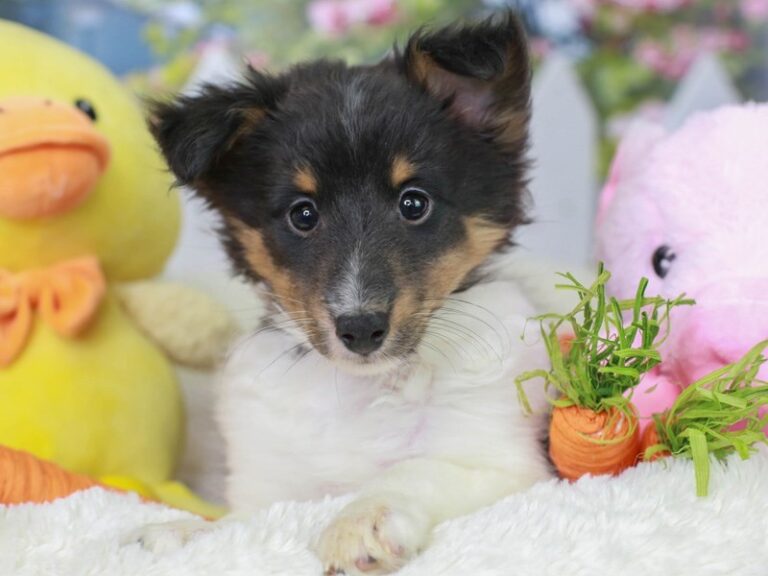
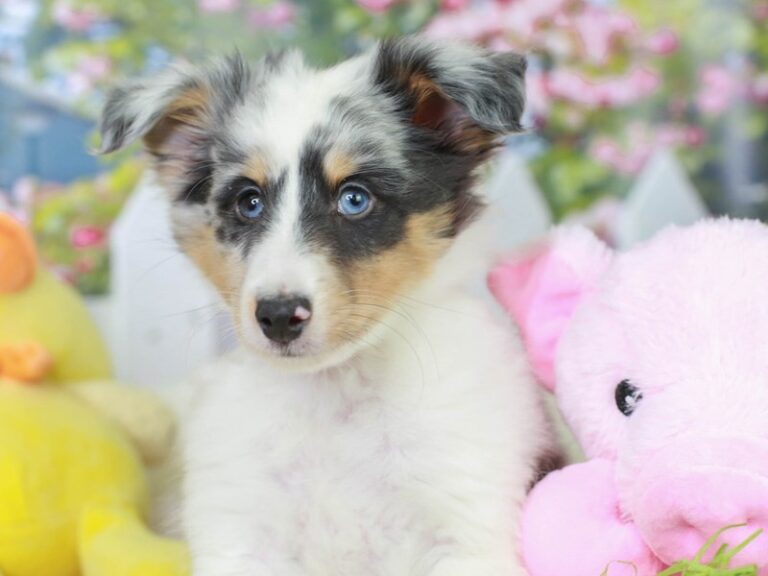
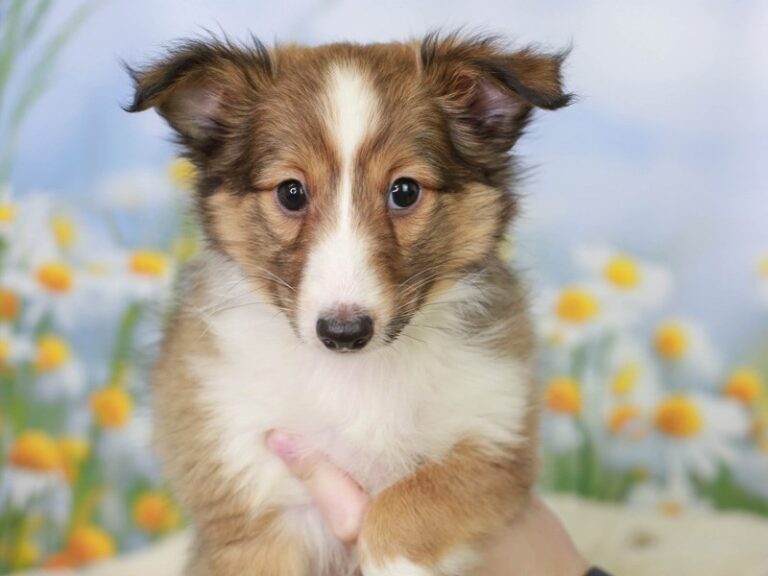
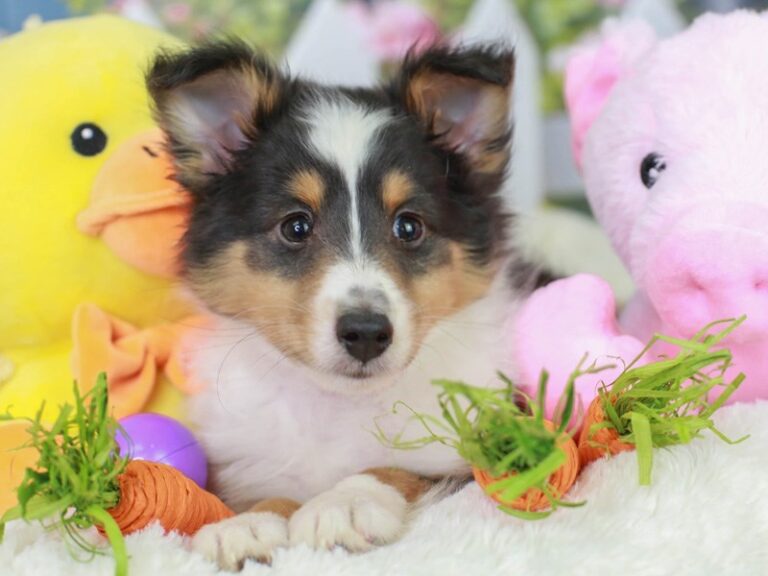
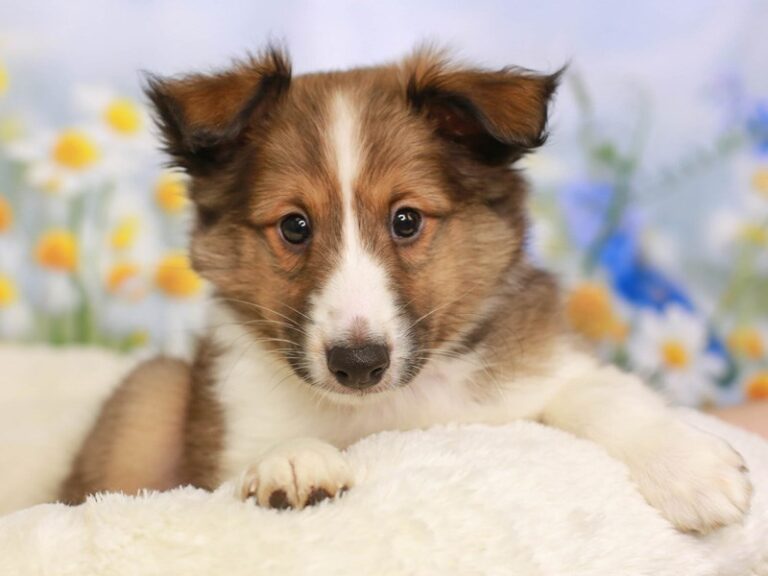
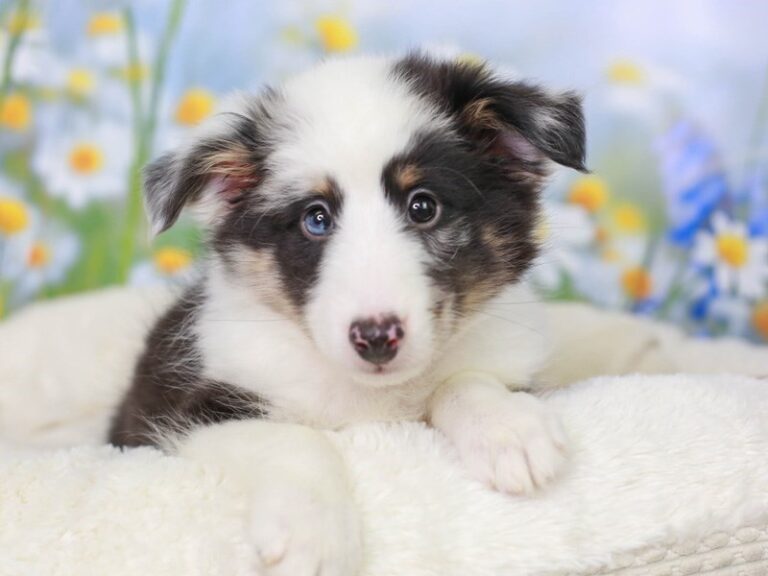
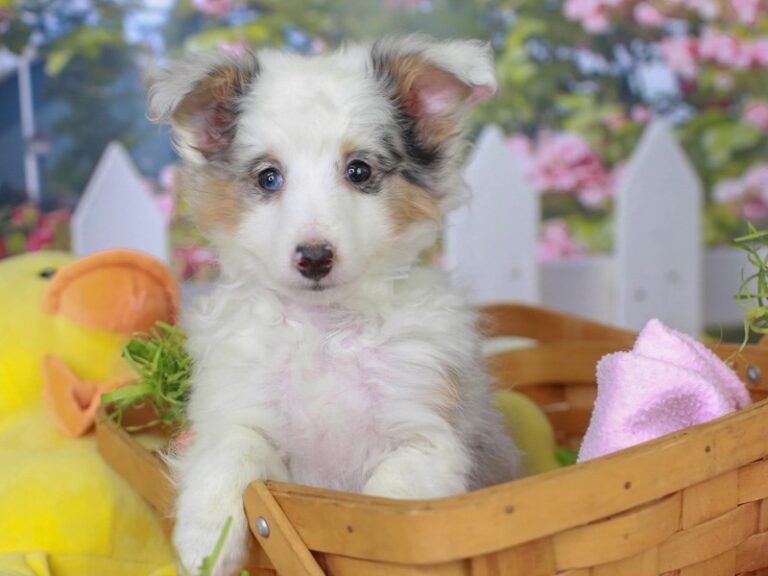
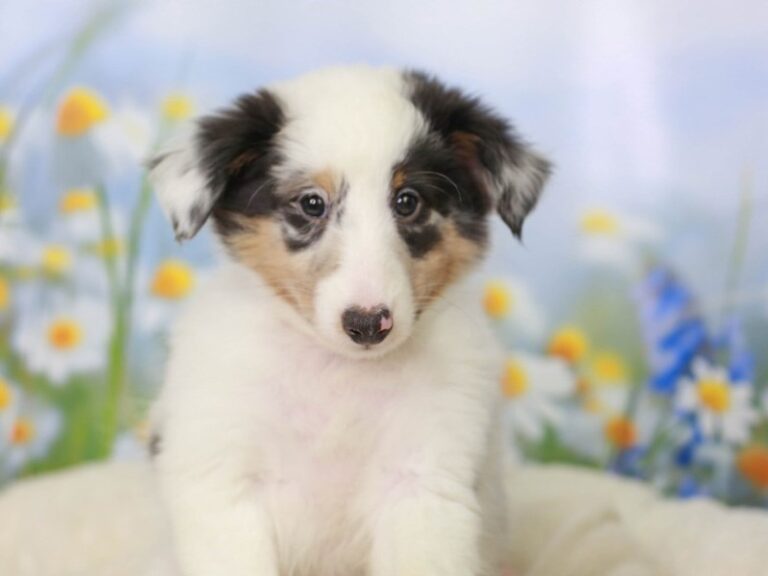
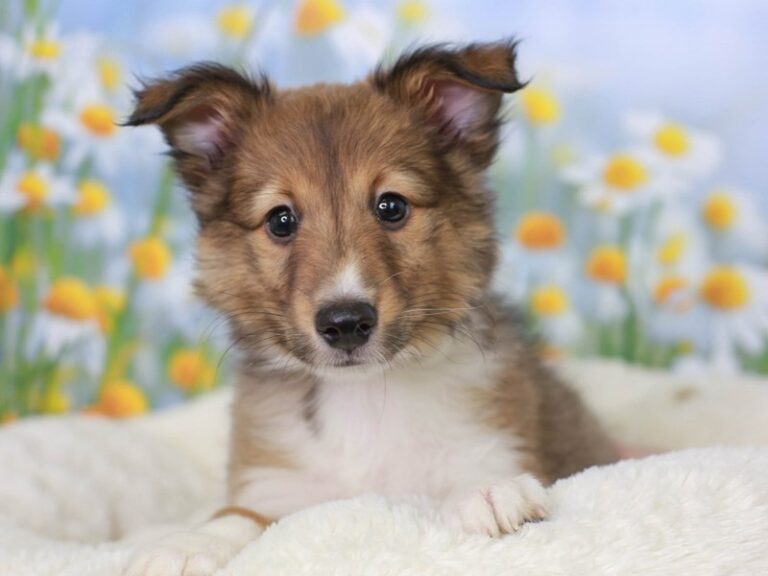
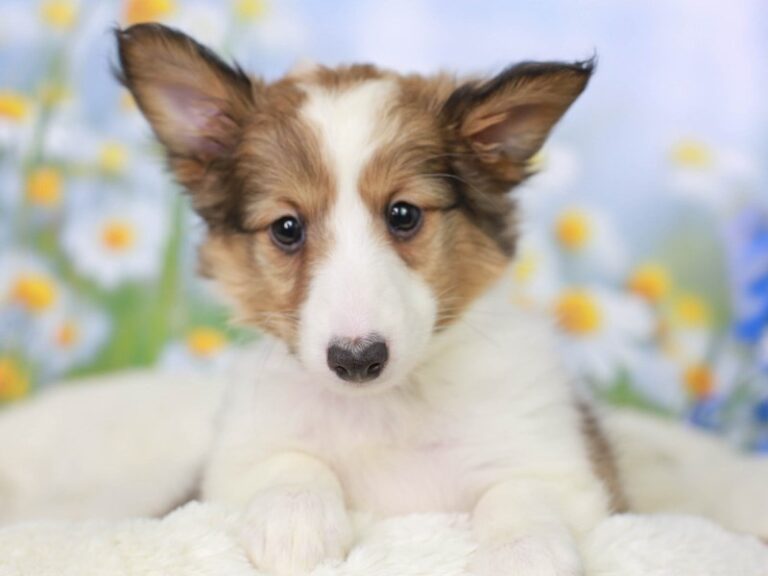
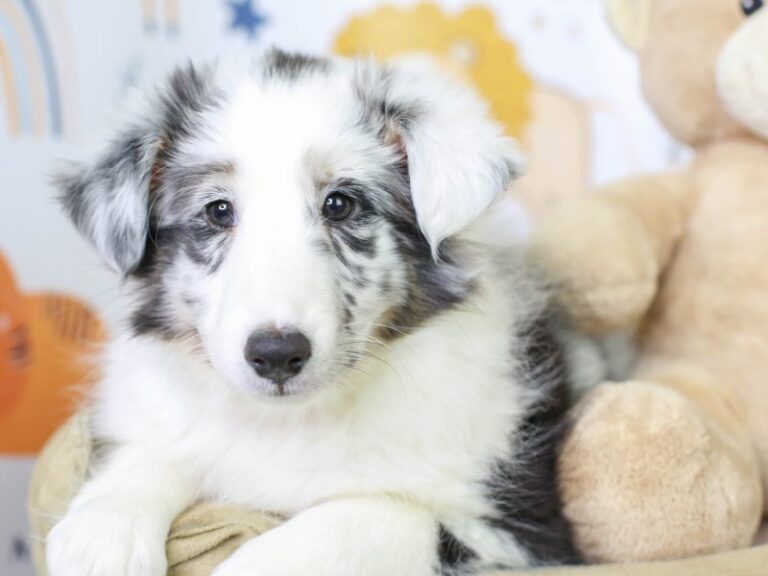
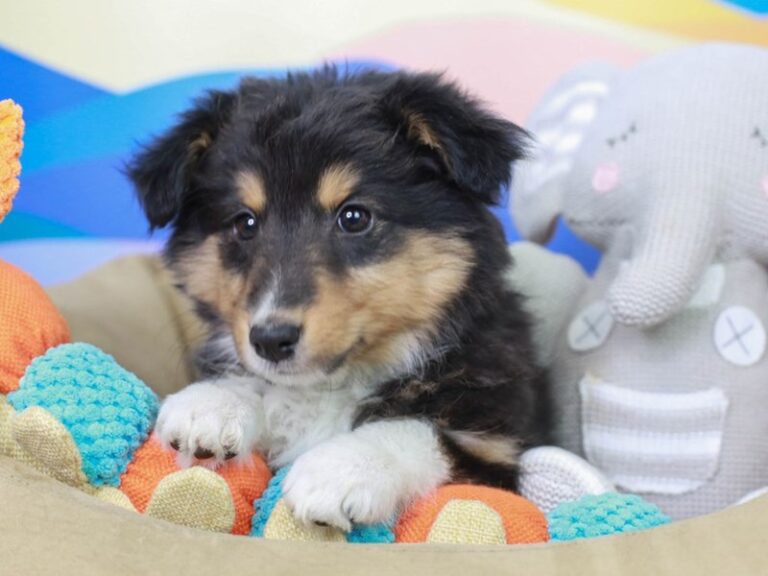
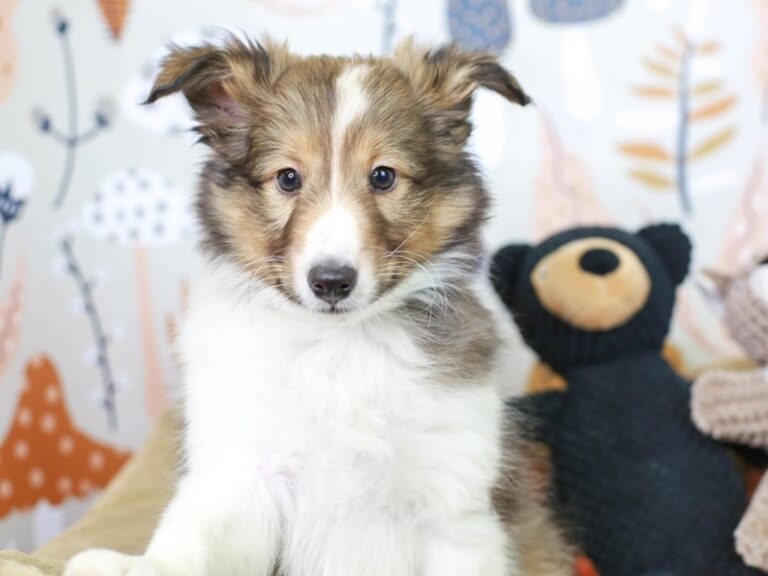
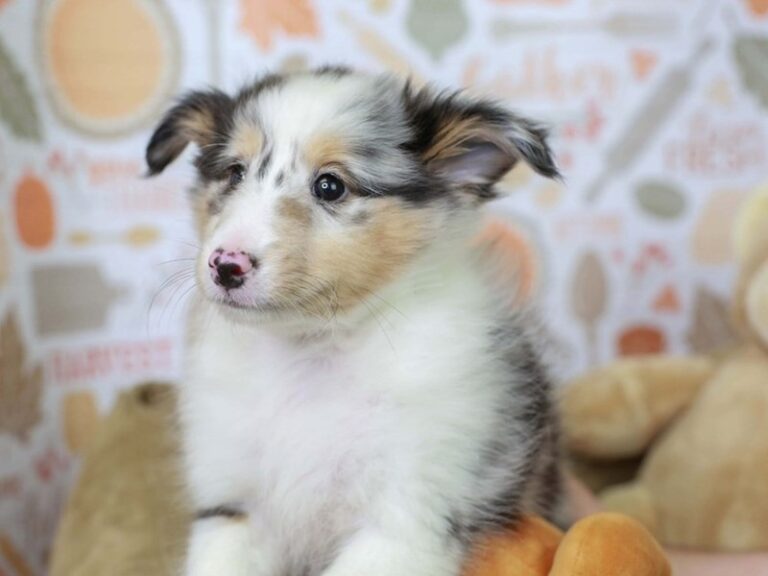
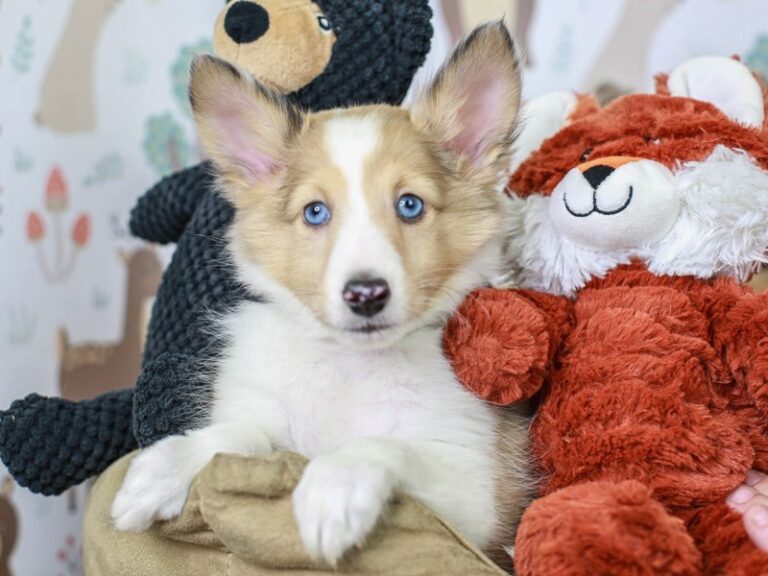
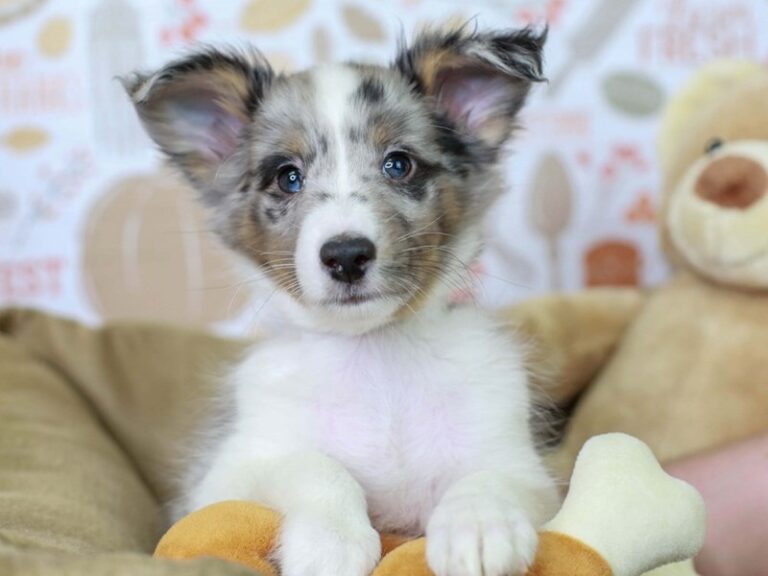
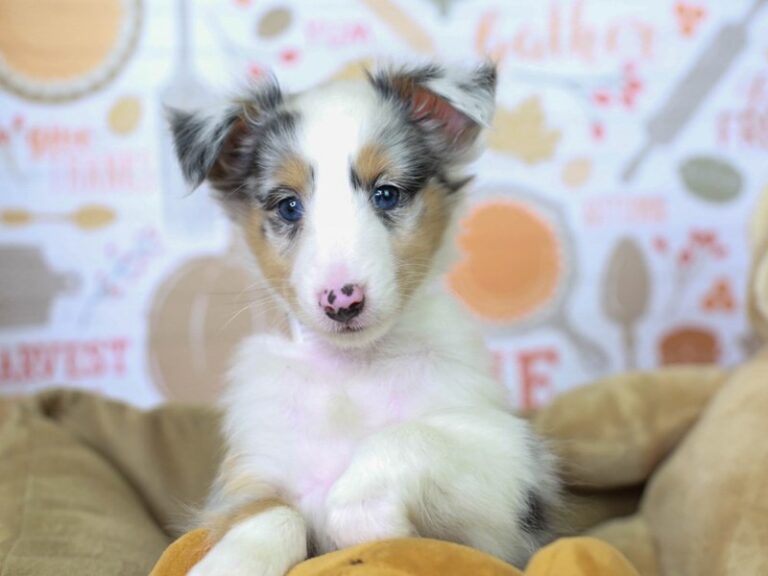
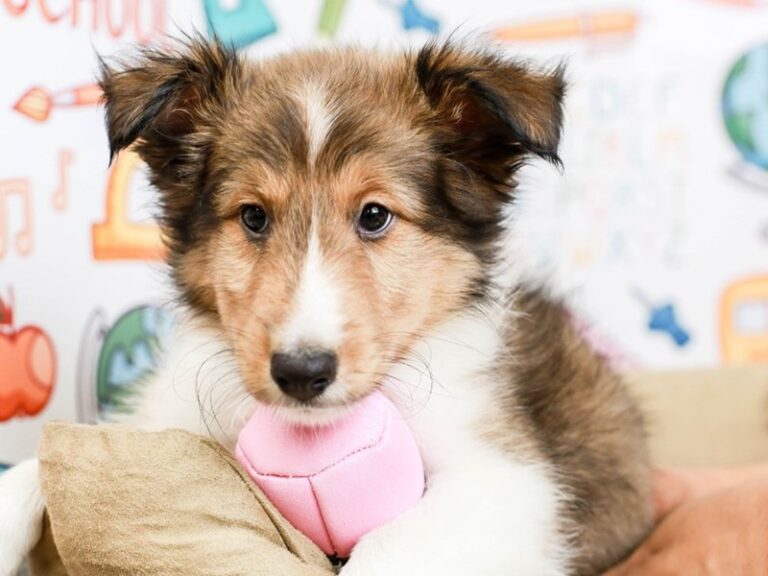
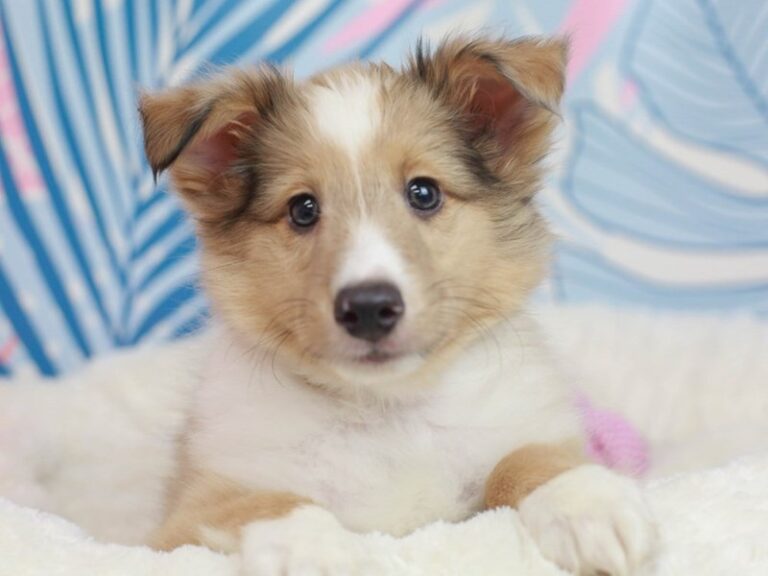
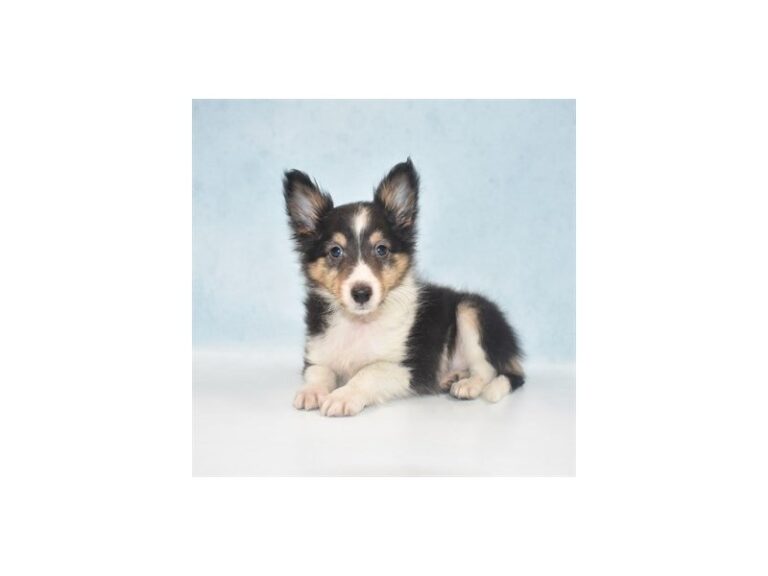
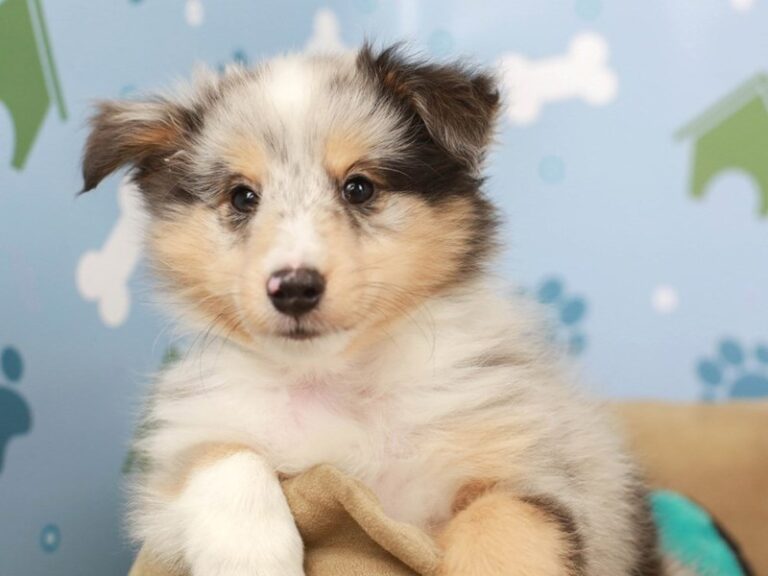
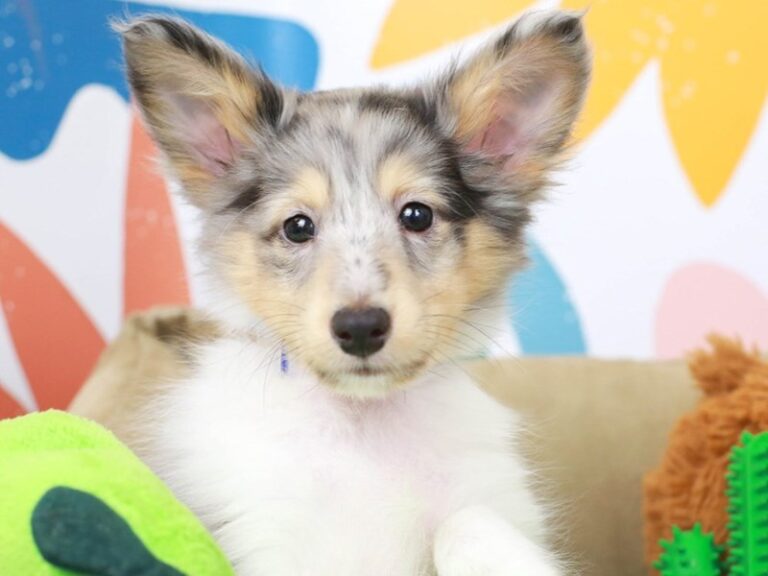
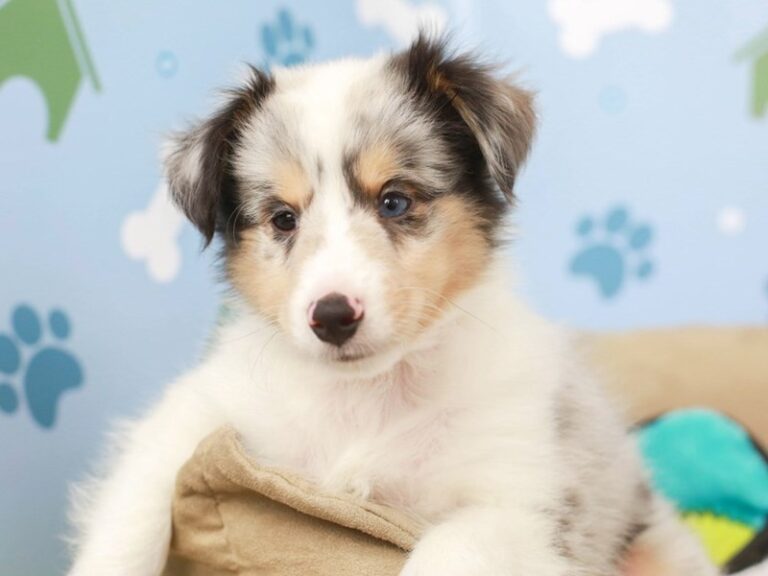
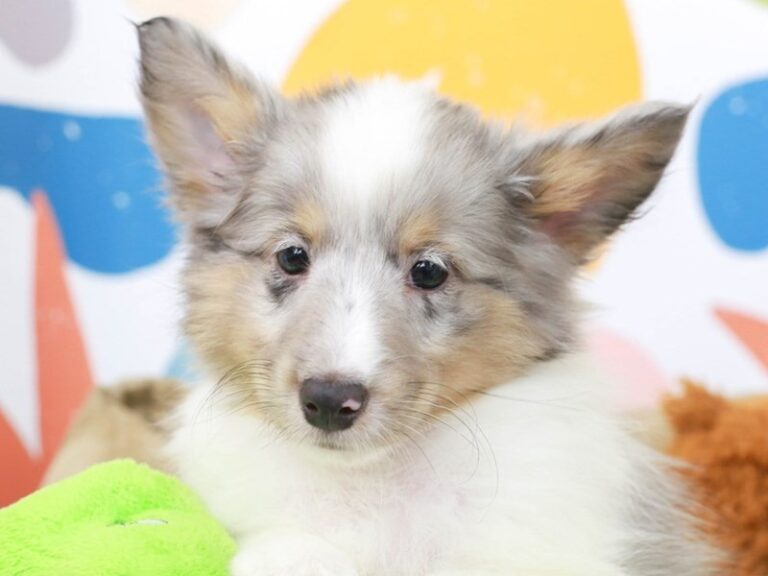
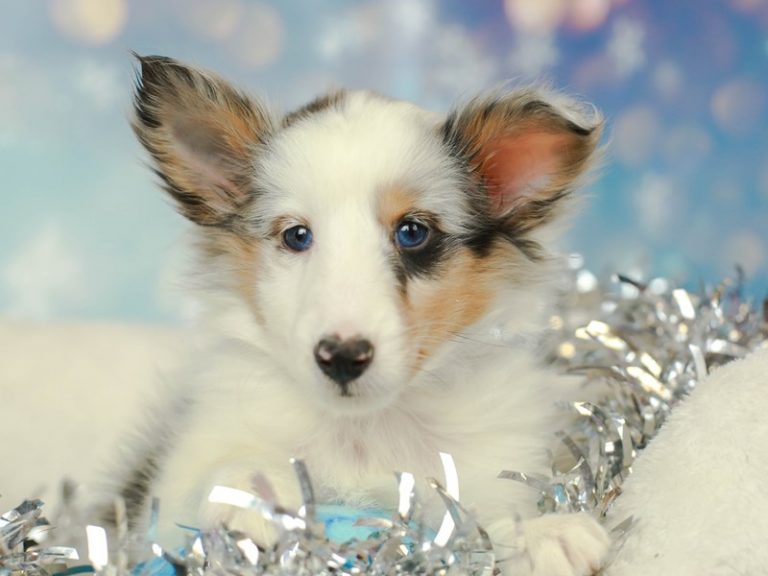
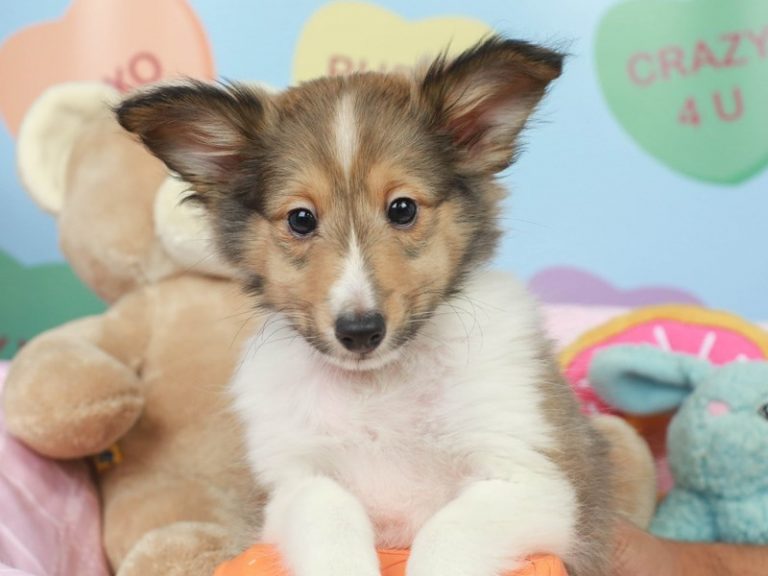
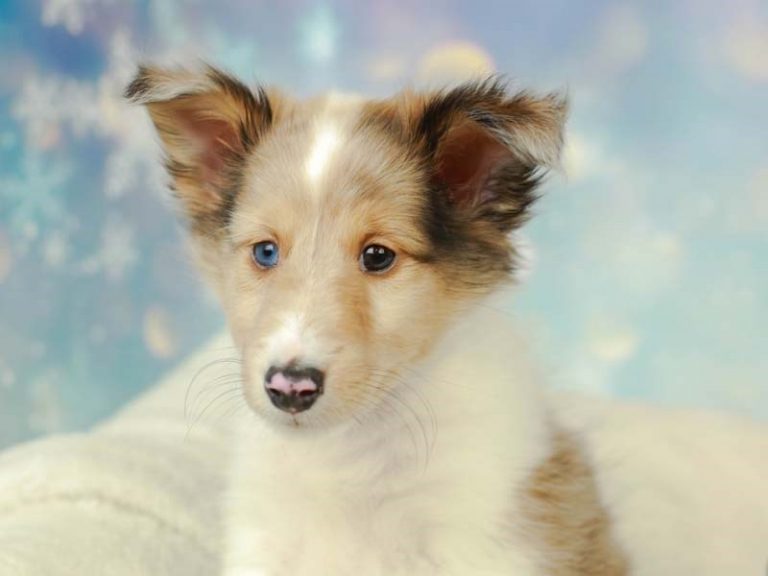
- Colors: Sable, black, and blue merle, often with white or tan markings
- Temperament: Intelligent, affectionate, alert, responsive, playful
- Energy Level: Moderate to High
Intelligence & Trainability
The Shetland Sheepdog is highly intelligent and generally eager to learn. They often respond quickly to training and can excel in activities that challenge both their minds and bodies.
Positive reinforcement using treats, praise, toys, and play can help keep training enjoyable.
Early training should include:
- Basic obedience
- House training
- Leash manners
- Recall
- Socialization
- Impulse control
- Appropriate barking
Shelties can also excel in:
- Agility
- Obedience
- Herding
- Rally
- Trick training
- Scent work
Providing regular mental challenges can help prevent boredom.
Exercise Needs
Shetland Sheepdogs have moderate to high exercise needs. They are active, athletic dogs that enjoy having opportunities to run, play, and learn.
Good activities include:
- Daily walks
- Hiking
- Fetch
- Agility
- Obedience training
- Interactive games
- Scent activities
- Supervised outdoor play
A combination of physical activity and mental stimulation is ideal for this intelligent breed.
Puppies should receive age-appropriate exercise and should not be pushed into repetitive high-impact activities while their bones and joints are developing.
Shetland Sheepdog Puppies & Children
Shetland Sheepdogs can be affectionate and playful family companions. Their intelligence and energy can make them excellent partners for children who enjoy interactive activities and training games.
Because Shelties have natural herding instincts, some may try to chase or herd running children. Training and supervision can help manage this behavior.
Children should be taught to interact respectfully with puppies, and young children should always be supervised around dogs.
With early socialization, Shelties can also learn to live comfortably with other dogs and household pets.
Is a Shetland Sheepdog Puppy Right for You?
A Shetland Sheepdog puppy may be an excellent choice if you’re looking for a dog that is:
- Highly intelligent
- Affectionate and loyal
- Responsive to training
- Athletic and playful
- Well suited to dog sports
- Devoted to its family
Prospective owners should be prepared to provide regular exercise, mental stimulation, training, and grooming. Shelties can be sensitive dogs, so patient and positive training methods are particularly important.
Frequently Asked Questions
Are Shetland Sheepdog puppies good family pets?
Yes. Shelties can be affectionate, intelligent, and playful family companions when properly socialized and trained.
Are Shetland Sheepdogs easy to train?
Yes. They are highly intelligent and generally eager to learn. Positive reinforcement and consistent training can help them excel.
Do Shetland Sheepdogs shed?
Yes. Shelties have a dense double coat and shed regularly, with heavier seasonal shedding. Frequent brushing can help manage loose hair.
How much exercise does a Shetland Sheepdog need?
Shelties have moderate to high exercise needs. Daily walks, play, training, and mentally stimulating activities can help keep them satisfied.
Are Shetland Sheepdogs good with children?
They can be excellent family dogs when properly socialized. Their herding instincts may cause some individuals to chase or attempt to herd running children, so supervision and training are important.
Do Shetland Sheepdogs get along with other pets?
With early socialization and proper introductions, many Shelties can live successfully with other dogs and household pets.