

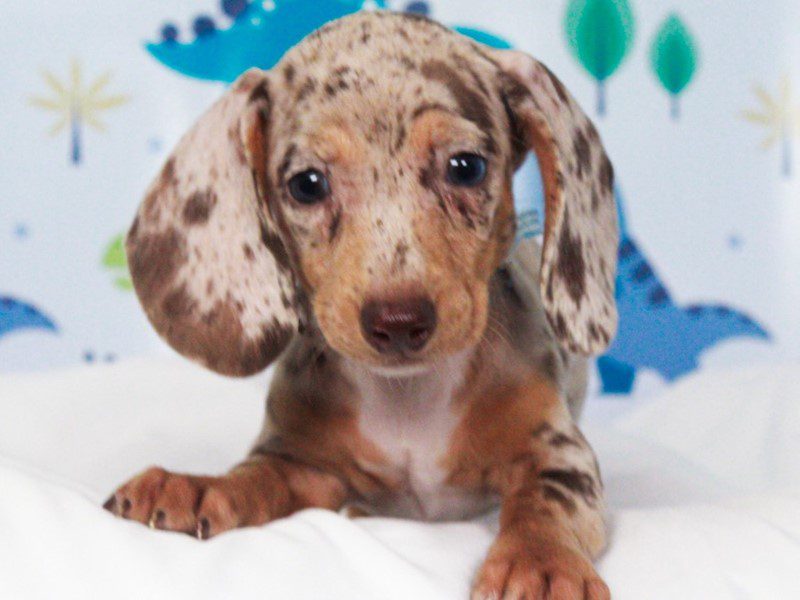
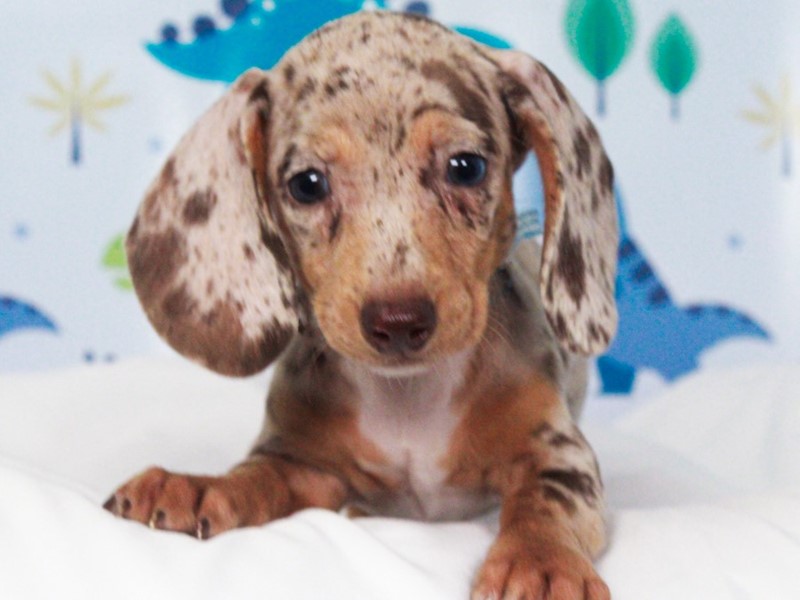
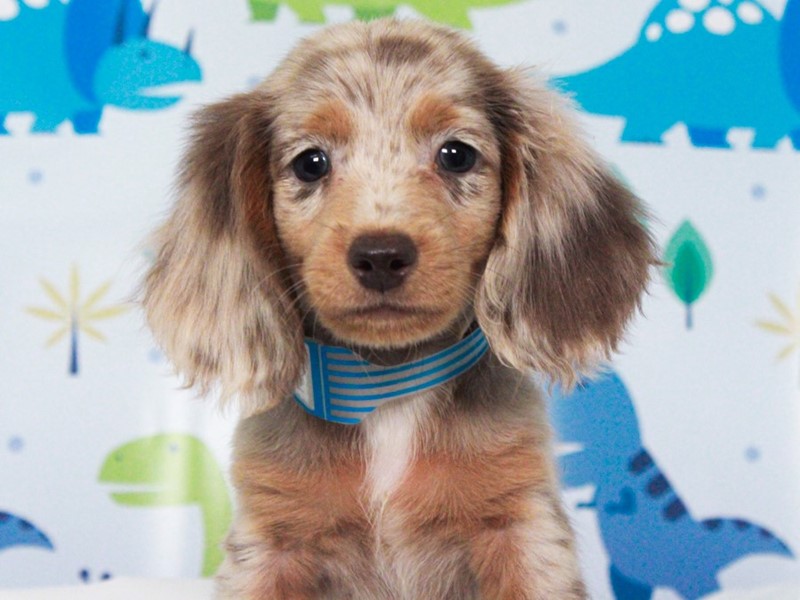
- Breed Dachshund
- Birth Date 6/16/2026
- Color CHOC DPPL
- Gender Female
- Pet ID 49301
- Location Puppies N Love San Tan Village
- Breeder Name Steve Lengacher
Dachshund - 49301
Interested in this Dachshund? Please call 480-917-3437 to schedule an appointment or send us a message below.
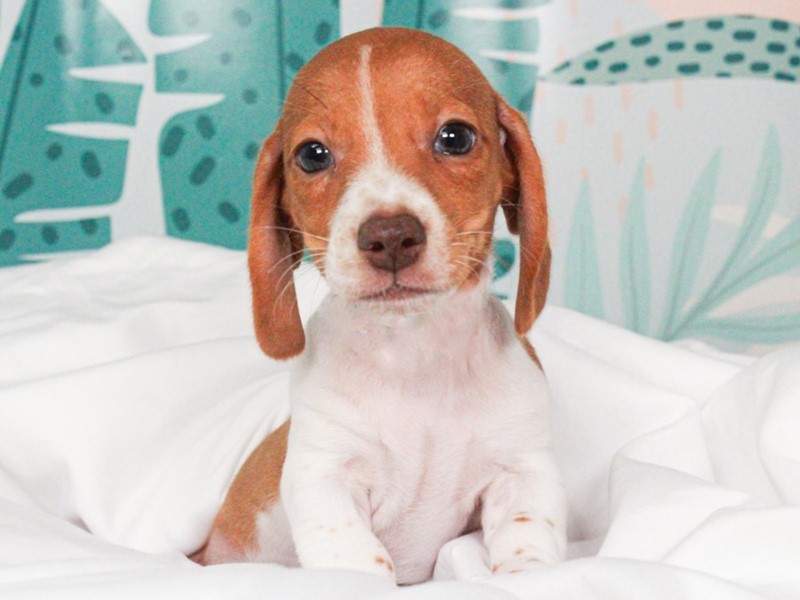
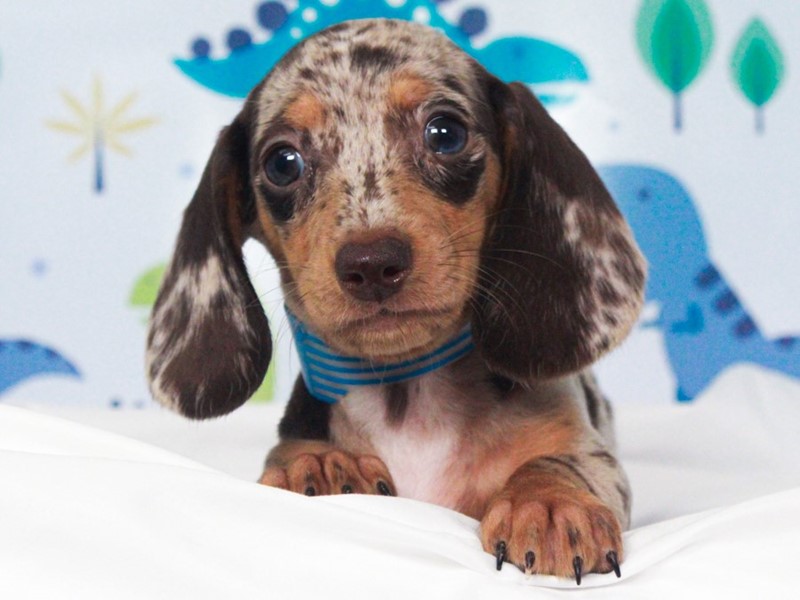
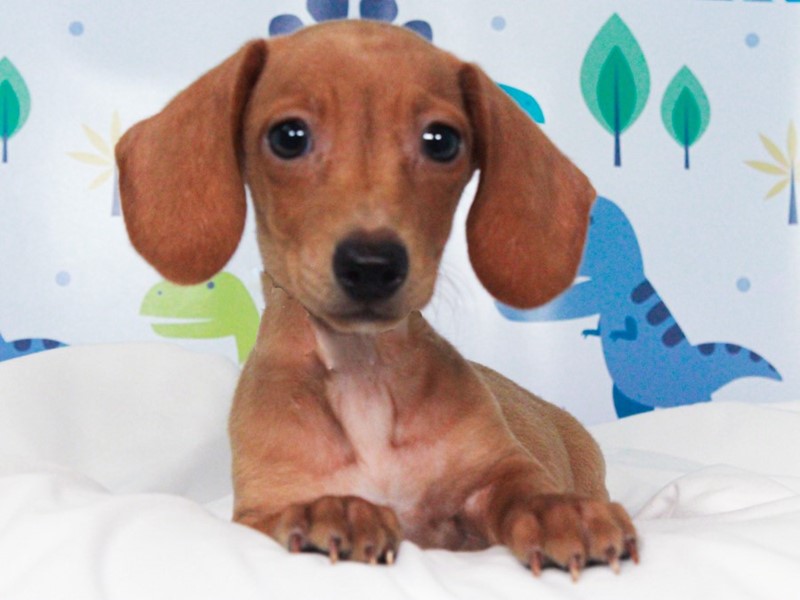
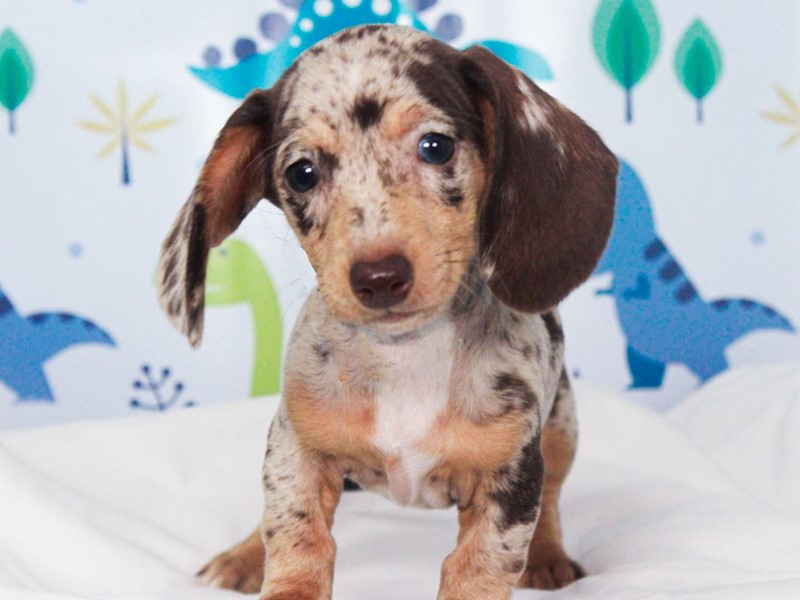
Other Available Dachshund Puppies
About the Dachshund Breed
Overview
The Dachshund is a small but spirited breed recognized for its long body, short legs, expressive face, and confident personality. Originally developed in Germany to hunt badgers and other burrowing animals, Dachshunds were bred to be courageous, determined, and persistent despite their compact size.
Today, Dachshunds are popular companion dogs that bring plenty of personality into family life. Dachshund puppies are playful, curious, affectionate, and often wonderfully independent. Their distinctive appearance and entertaining personalities make them a favorite among dog lovers.

Dachshunds are available in three coat varieties—smooth, longhaired, and wirehaired—and can also come in standard or miniature sizes.
Dachshund Personality
Dachshunds may be small, but they have confident personalities that often make them seem much larger than they are. They are affectionate with their families and frequently enjoy following their owners from room to room.
Their hunting background contributes to their curiosity and determination. A Dachshund may happily investigate interesting scents, dig in the yard, or chase small animals.
They can also be entertaining and sometimes stubborn. Consistent training and positive socialization help channel their natural confidence into appropriate behavior.
Breed Characteristics
- Breed Group: Hound Group
- Height: Approximately 5–9 inches
- Weight: Standard: 16–32 pounds; Miniature: 11 pounds or less
- Life Expectancy: 12–16 years
- Coat: Smooth, longhaired, or wirehaired
- Colors: Red, cream, black and tan, chocolate and tan, dapple, piebald, and other combinations
- Temperament: Curious, lively, affectionate, clever, courageous
- Energy Level: Moderate
Intelligence & Trainability
Dachshunds are clever dogs that can learn quickly, but their independent nature can sometimes make training challenging. They were bred to work independently underground, so they may not always see the value in immediately following a command.
Positive reinforcement using treats, praise, and play can make training more rewarding.
Early training should focus on:
- Basic obedience
- House training
- Leash manners
- Recall
- Socialization
- Appropriate digging and chewing behaviors
Patience and consistency are particularly important during house training.
Grooming Requirements
Grooming needs vary depending on the Dachshund's coat type.
Smooth-Haired Dachshund
The smooth coat is the easiest to maintain and generally requires occasional brushing and bathing when needed.
Longhaired Dachshund
Longhaired Dachshunds benefit from brushing several times each week to prevent tangles and keep their coat looking healthy.
Wirehaired Dachshund
Wirehaired Dachshunds have a coarse outer coat and may require regular brushing and occasional hand-stripping or professional grooming.
All Dachshunds benefit from:
- Regular nail trimming
- Ear cleaning
- Routine dental care
Their floppy ears should be checked regularly for signs of moisture, debris, or irritation.
Dachshund Puppies & Children
Dachshunds can be loving and playful family companions when properly socialized. Their lively personalities can make them fun companions for older children.
Because their backs are vulnerable to injury, children should be taught how to handle them carefully. Puppies should never be picked up incorrectly or encouraged to jump from elevated surfaces.
Young children should always be supervised when interacting with a Dachshund puppy.
With early socialization, Dachshunds can also become comfortable around other dogs and household pets.
Frequently Asked Questions
Are Dachshund puppies good family pets?
Yes. Dachshunds can be affectionate and playful family companions when properly socialized and trained. Families should teach children how to handle them safely because of their long backs.
Are Dachshunds easy to train?
Dachshunds are intelligent but independent. Positive reinforcement, consistency, patience, and short training sessions can make the learning process more successful.
Do Dachshunds shed?
Yes. Shedding varies by coat type. Smooth-haired Dachshunds generally have simple grooming needs, while longhaired and wirehaired varieties require more regular coat care.
How much exercise does a Dachshund need?
Most Dachshunds benefit from regular daily walks and play sessions. Exercise should be moderate and should avoid excessive jumping or high-impact activities.
Are Dachshunds good with children?
Dachshunds can be good with children when properly socialized. Because of their long backs, interactions with young children should always be supervised and handled carefully.


Reviews
There are no reviews yet.