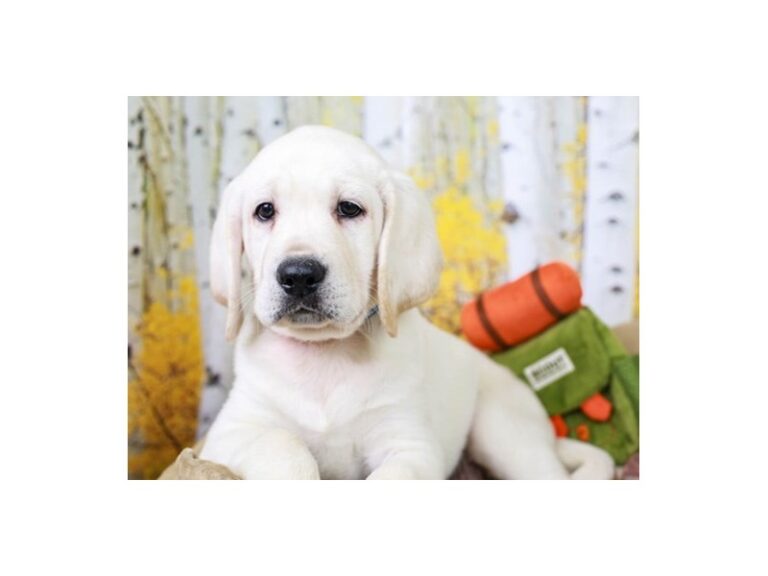
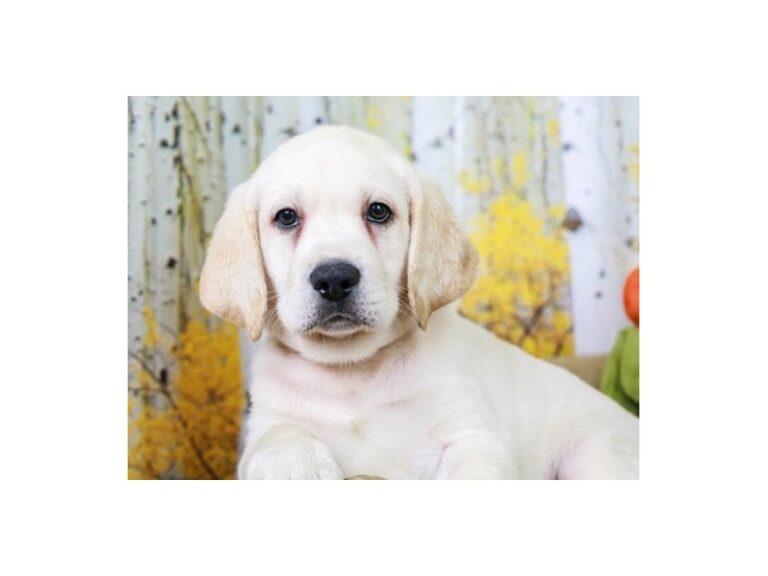
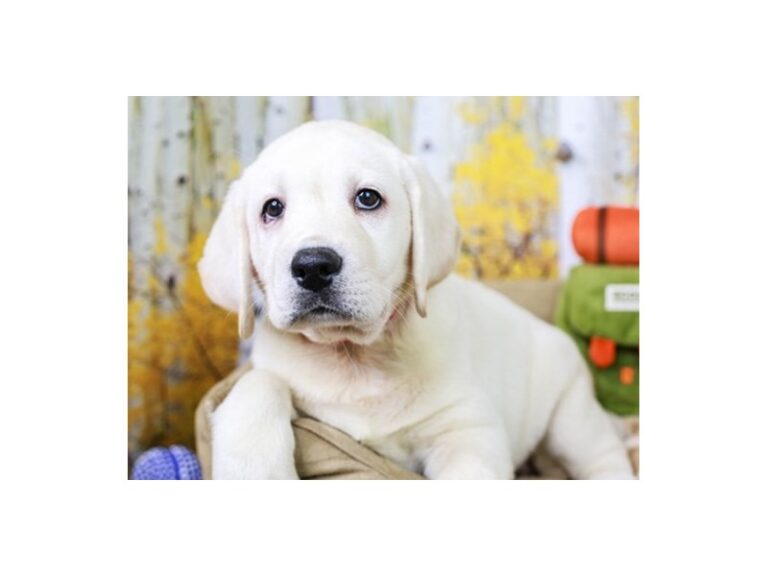
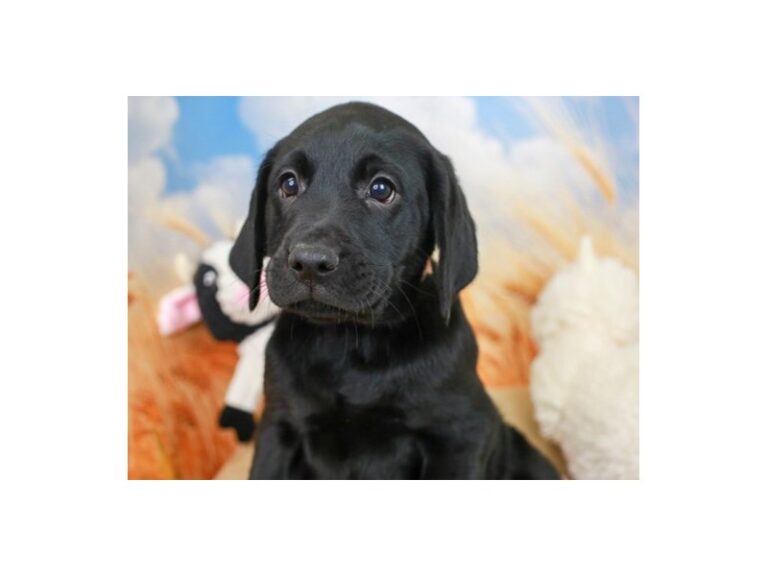
Personality
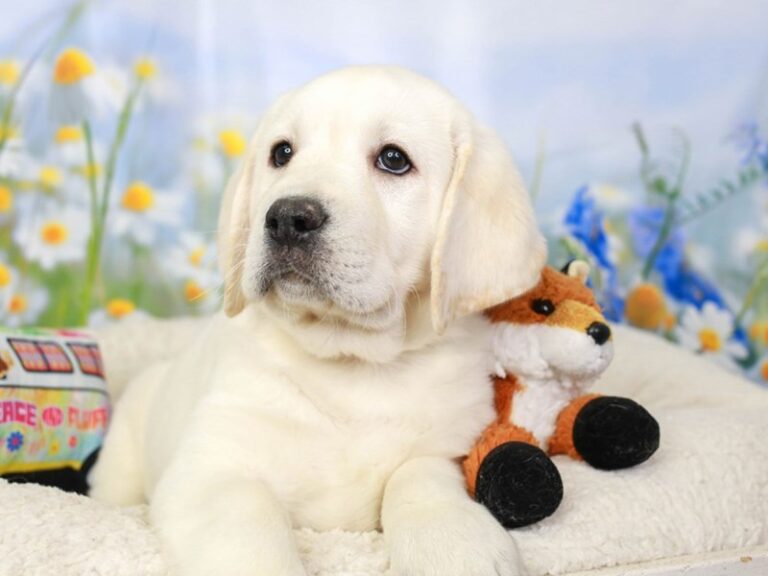
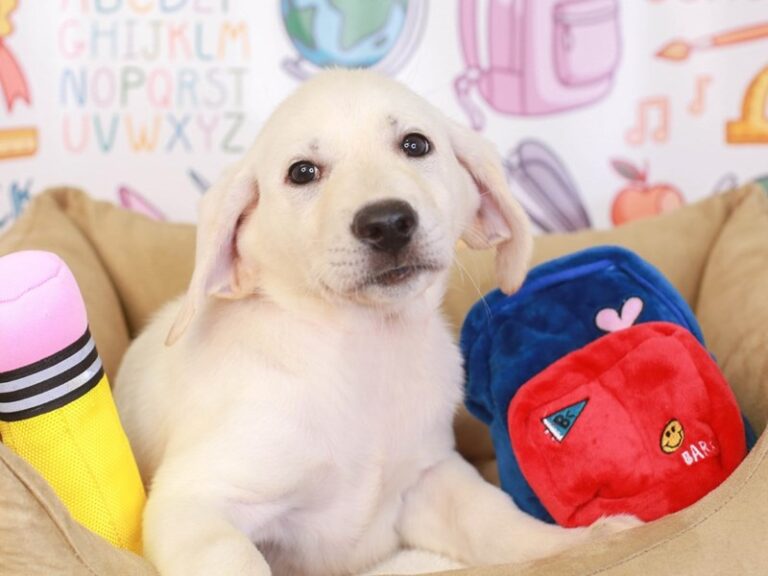
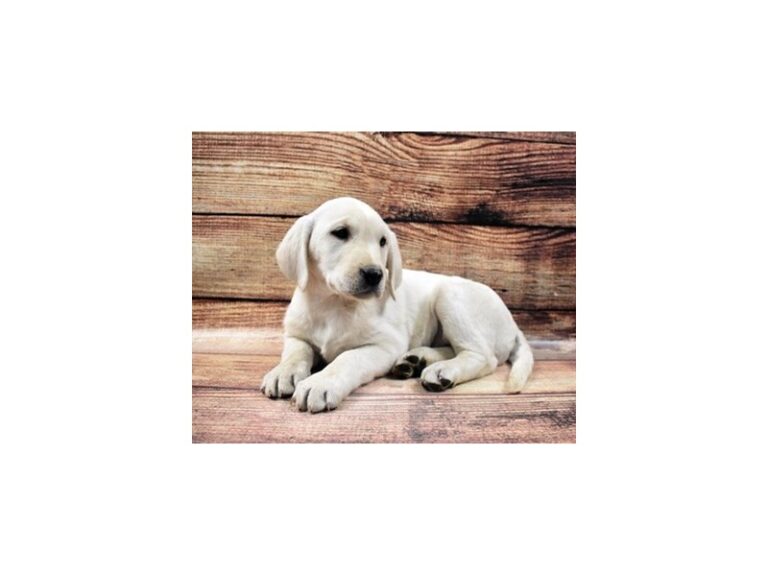
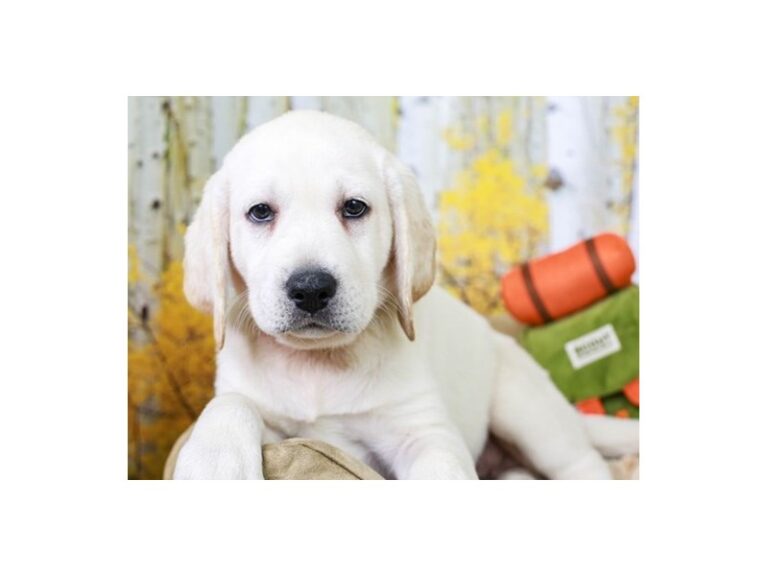
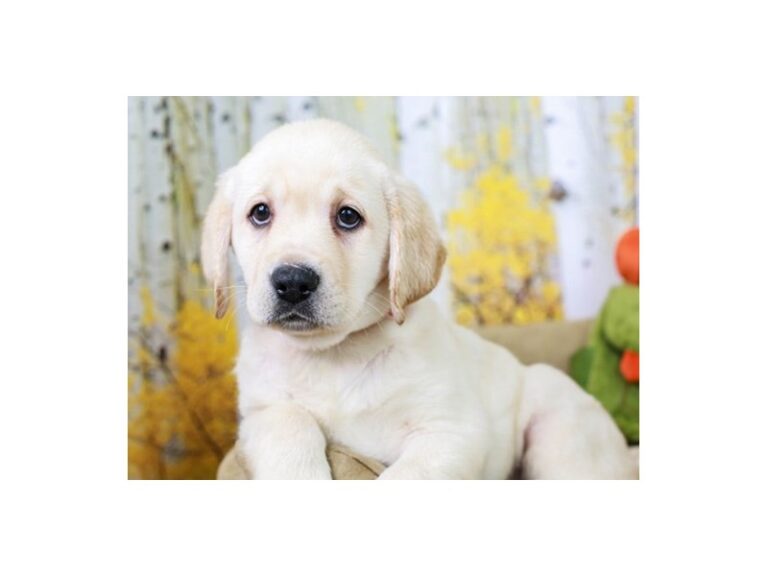
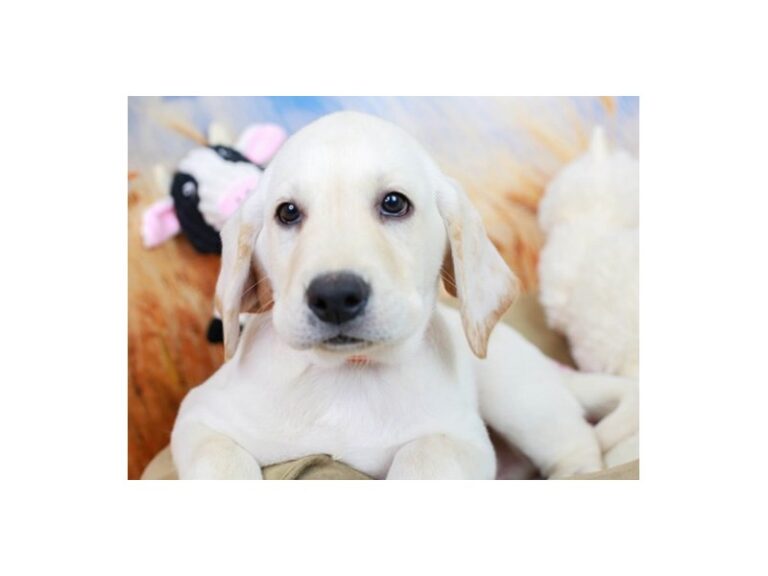
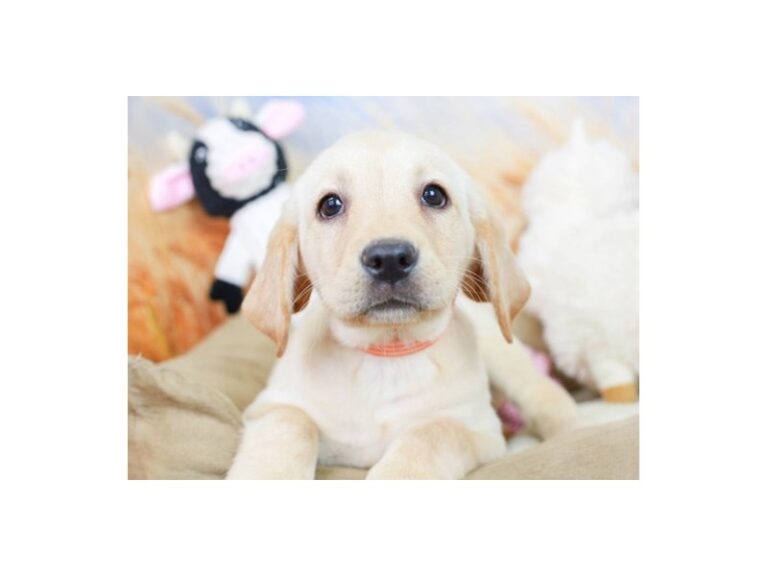
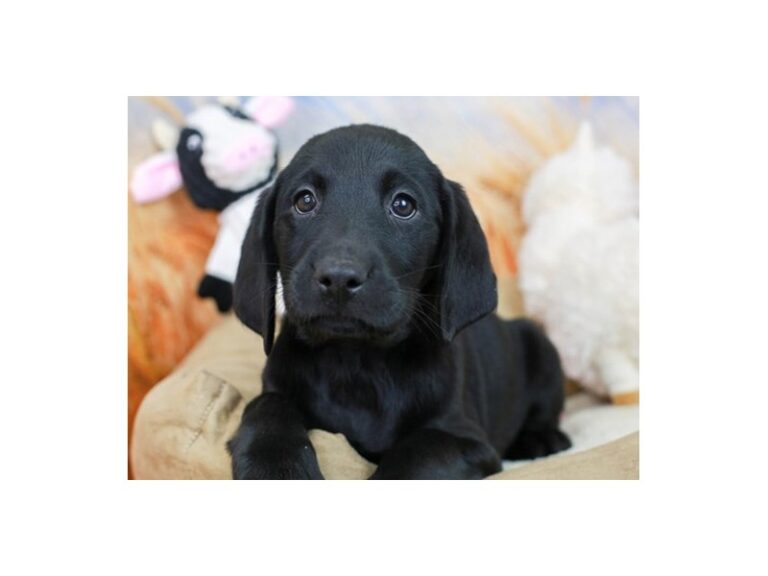
Labrador Retrievers are widely appreciated for their friendly and outgoing personalities. They typically enjoy spending time with people and often form strong bonds with their families.
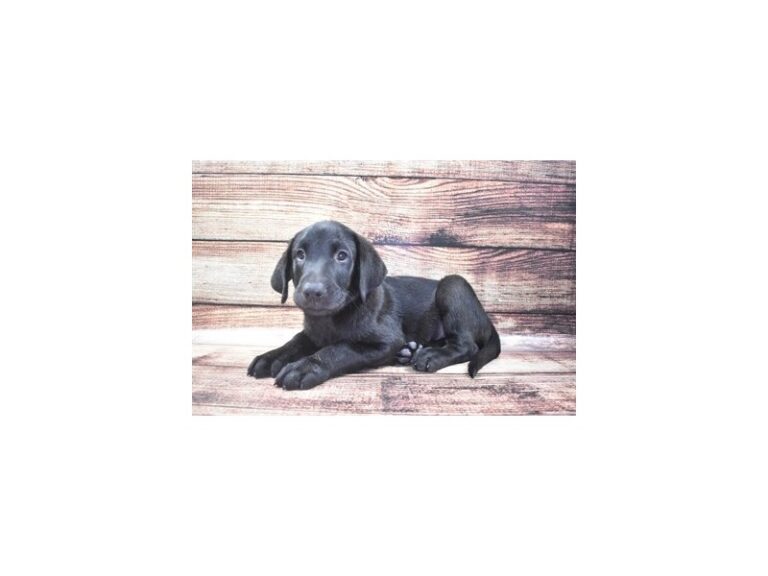
Labs tend to be playful and enthusiastic, especially during puppyhood. Their natural retrieving instincts may lead them to carry toys, balls, or other objects around the house.
They are generally social dogs that can get along well with people and other animals when properly introduced and socialized.
Breed Characteristics
- Breed Group: Sporting Group
- Height: 21.5–24.5 inches
- Weight: Approximately 55–80 pounds
- Life Expectancy: 11–13 years
- Coat: Short, dense, water-resistant double coat
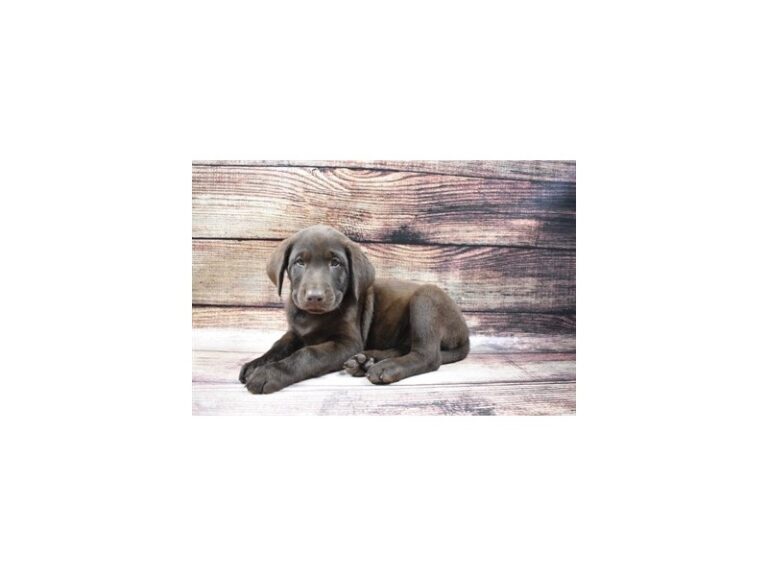
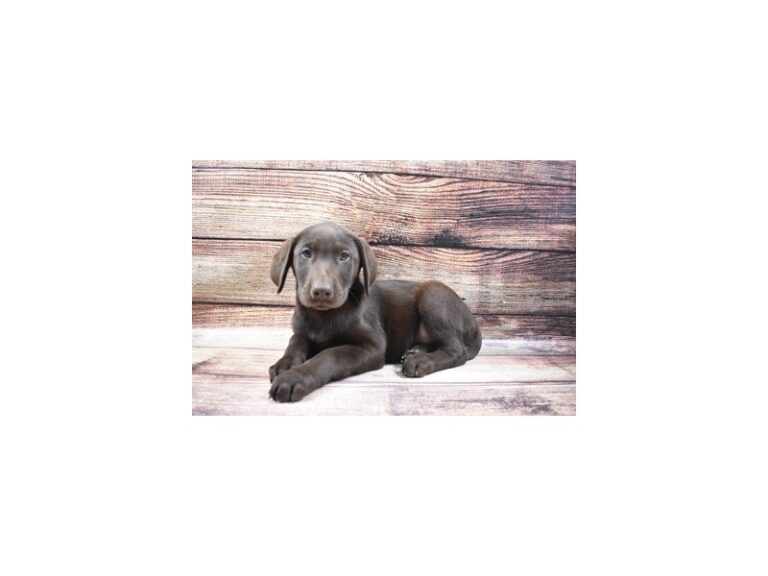
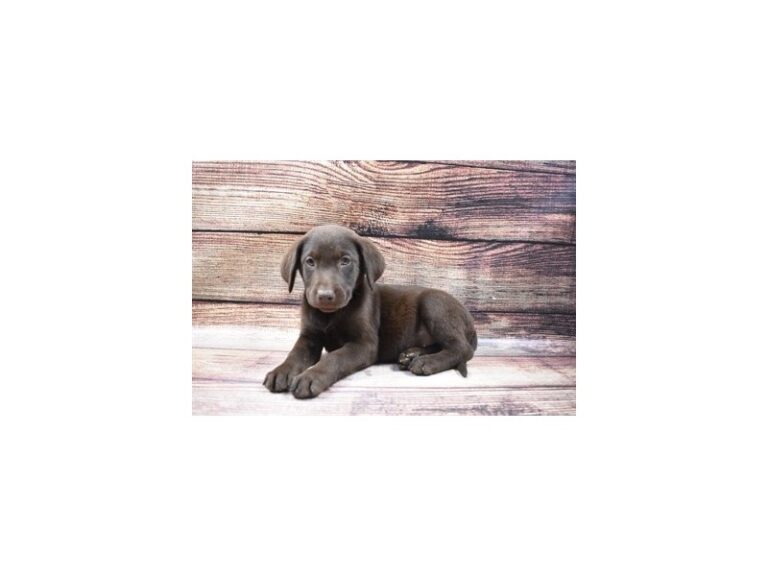
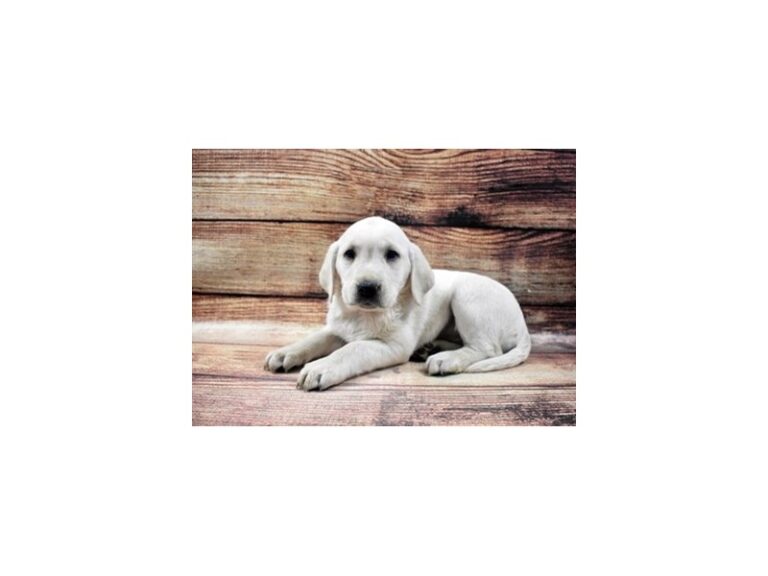
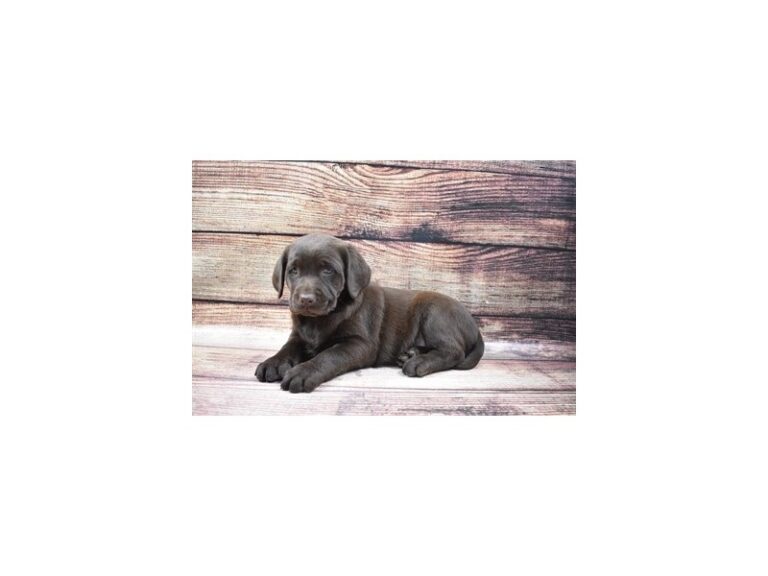
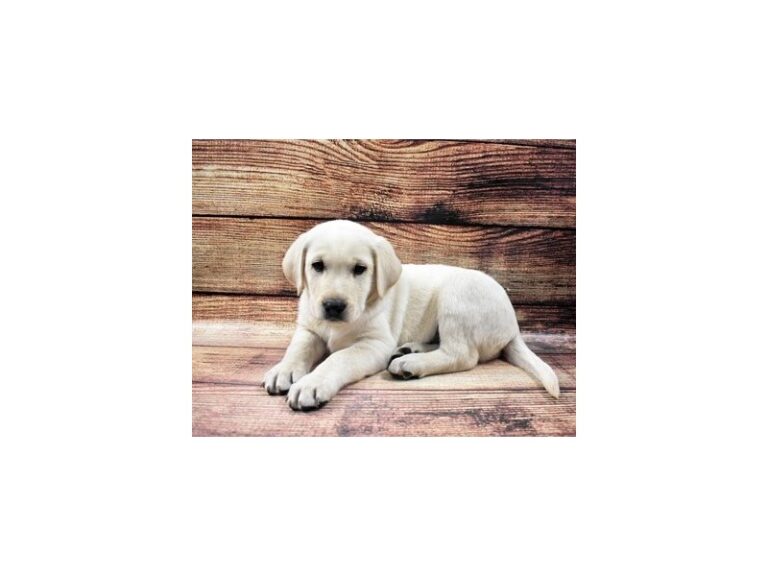
- Colors: Black, yellow, and chocolate
- Temperament: Friendly, outgoing, intelligent, affectionate, loyal
- Energy Level: High
Intelligence & Trainability
Labrador Retrievers are intelligent and eager to please, making them highly trainable companions. They often respond well to positive reinforcement and enjoy learning new commands and activities.
Early training can include:
- Basic obedience
- House training
- Leash manners
- Recall
- Impulse control
- Socialization
- Appropriate greeting behavior
Labs can also excel in retrieving, obedience, agility, dock diving, scent work, and other dog sports.
Because Labrador puppies can be enthusiastic and energetic, consistent training helps teach them how to channel their excitement appropriately.
Grooming Requirements
Labrador Retrievers have short, dense double coats that are relatively easy to maintain but can shed heavily.
A grooming routine may include:
- Brushing several times per week
- More frequent brushing during seasonal shedding
- Bathing when necessary
- Regular nail trimming
- Ear cleaning
- Routine dental care
Labs often enjoy swimming, but their ears should be checked and dried appropriately after water activities to help reduce the risk of ear problems.
Labrador Retriever Puppies & Children
Labrador Retrievers are often excellent family companions and can be wonderful with children when properly trained and socialized.
Their playful and energetic nature can make them great partners for active kids. However, Labrador puppies can be excitable and may jump, mouth, or accidentally knock over small children.
Children should be taught appropriate ways to interact with dogs, and young children should always be supervised around puppies and adult Labradors.
Is a Labrador Retriever Puppy Right for You?
A Labrador Retriever puppy may be an excellent choice if you’re looking for a dog that is:
- Friendly and affectionate
- Intelligent and trainable
- Energetic and playful
- Social and family-oriented
- Well suited to outdoor activities
- Eager to learn and participate
Prospective owners should be prepared for regular exercise, training, shedding, and the energetic nature of a Labrador puppy. Labs tend to thrive in households where they receive plenty of interaction and opportunities to stay active.
Frequently Asked Questions
Are Labrador Retriever puppies good family pets?
Yes. Labrador Retrievers are known for their friendly, affectionate, and playful personalities and can make excellent family companions when properly trained and socialized.
Are Labrador Retrievers easy to train?
Yes. Labs are intelligent and generally eager to please. Positive reinforcement and consistent training can help them learn quickly.
Do Labrador Retrievers shed?
Yes. Labradors have dense double coats and shed throughout the year, often more heavily during seasonal shedding periods. Regular brushing can help manage loose hair.
How much exercise does a Labrador Retriever need?
Labradors have high exercise needs. Daily walks, retrieving games, swimming, hiking, and mental stimulation can help keep them physically and mentally satisfied.
Are Labrador Retrievers good with children?
They can be excellent family dogs. Their playful nature often makes them great companions for children, but young children should always be supervised because Labs can be energetic and strong.