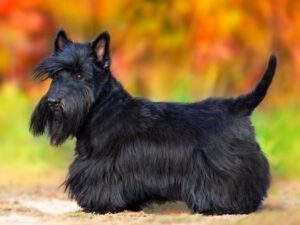
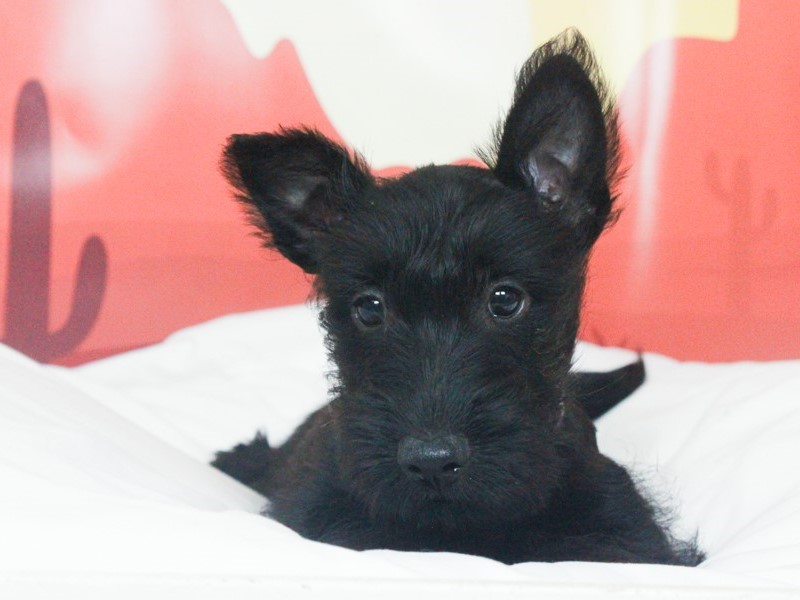
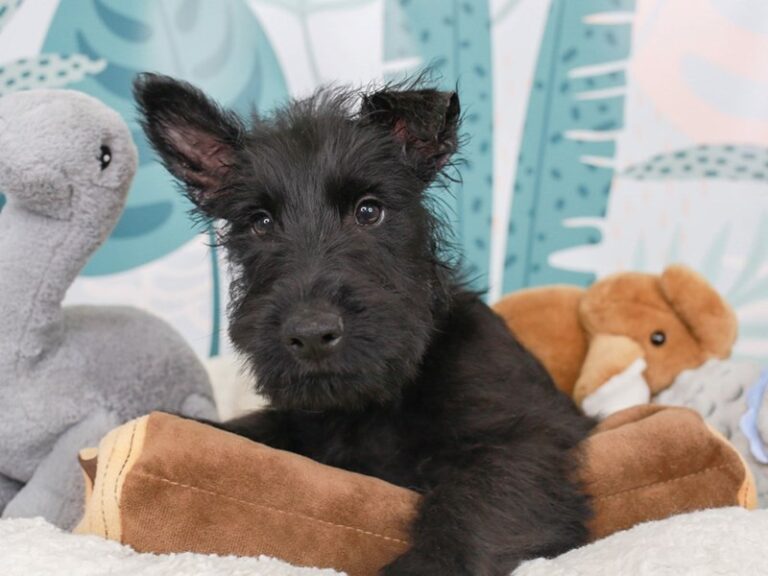
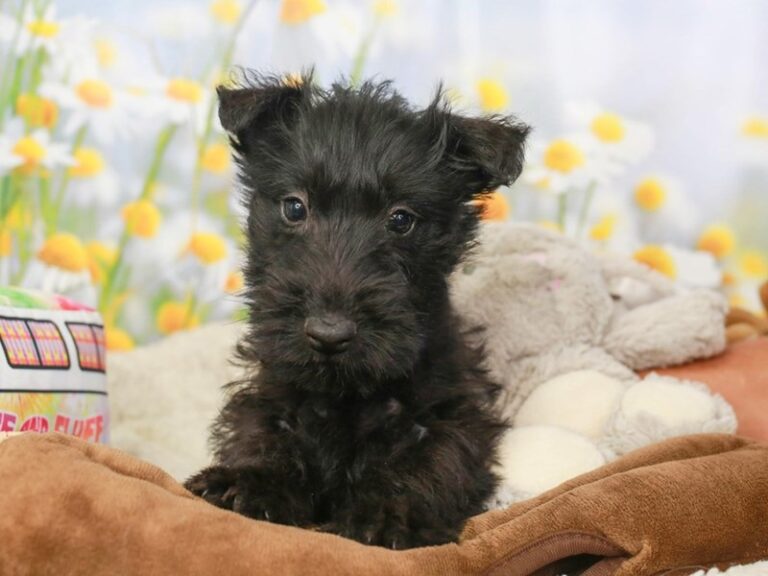
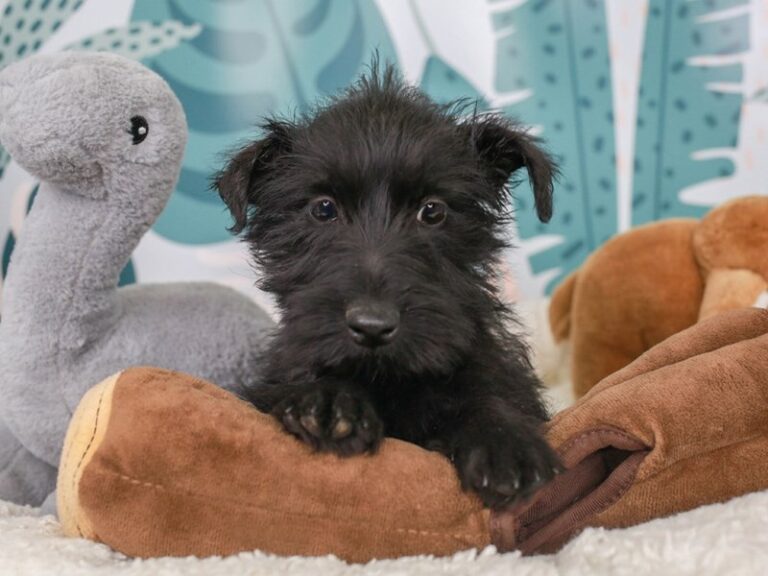
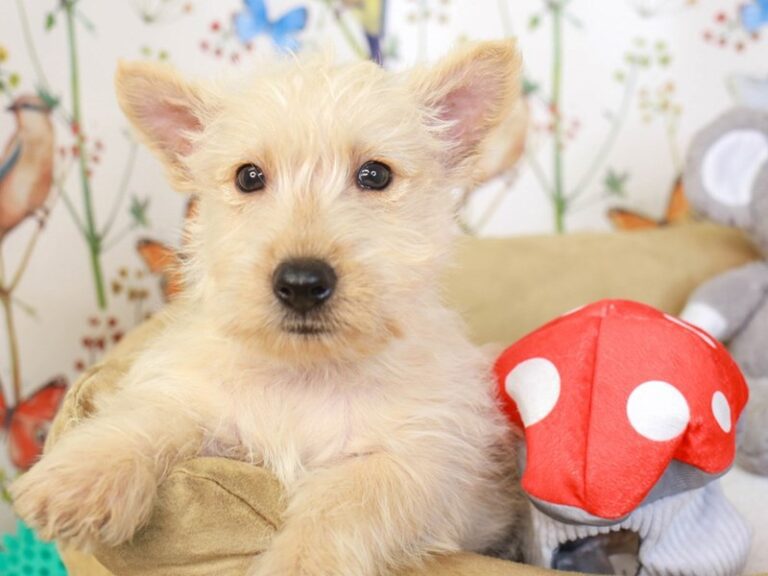
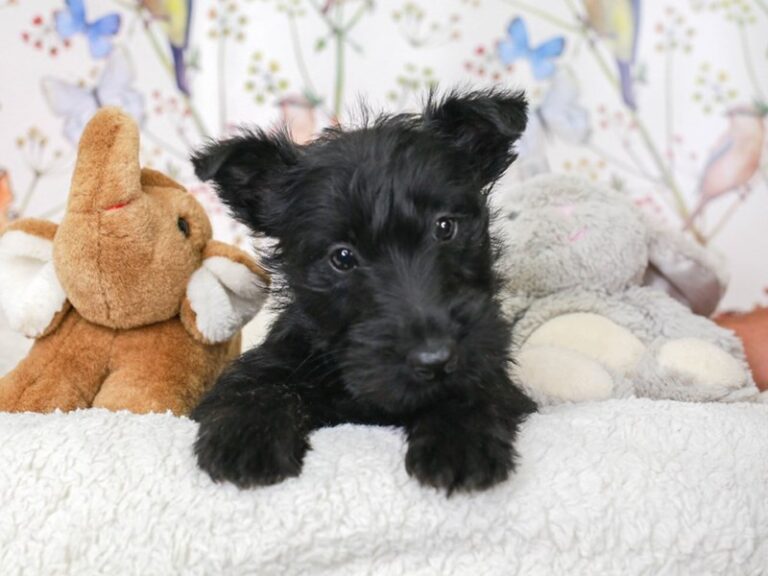
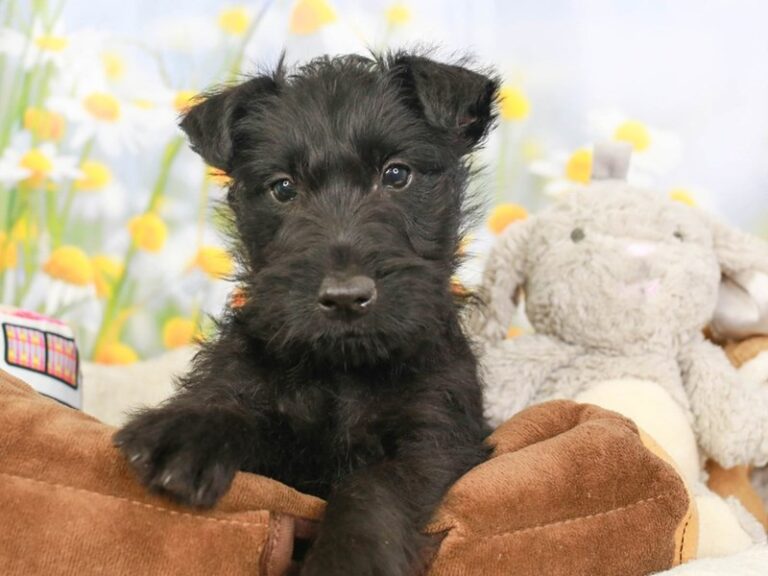
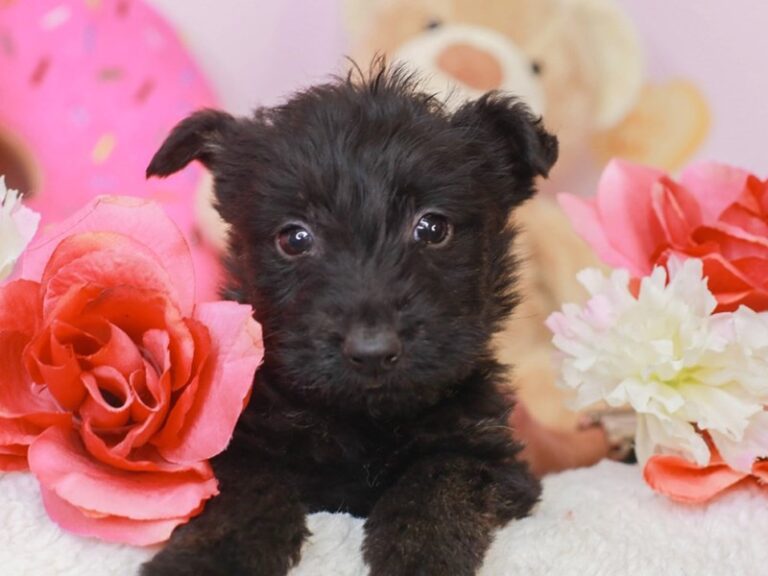
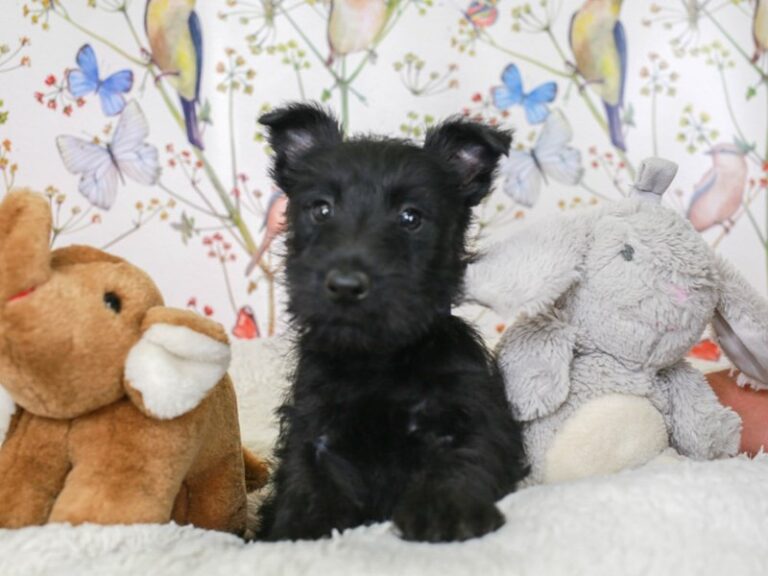
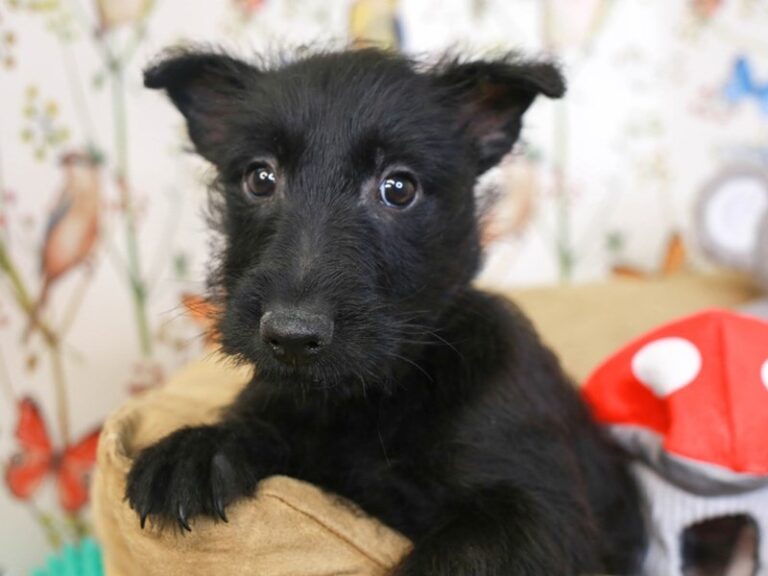
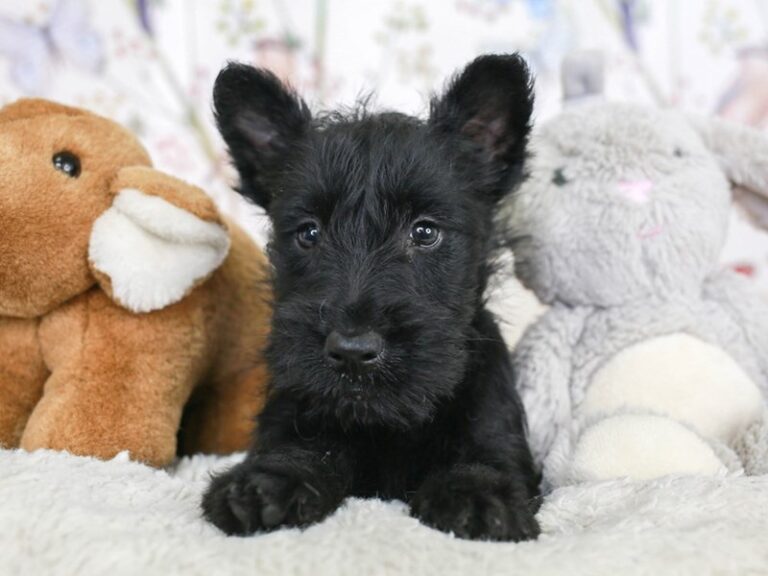
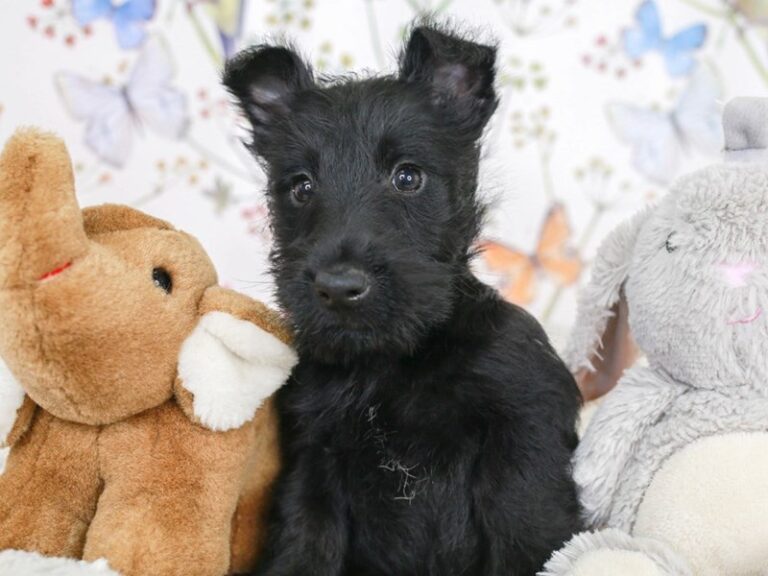
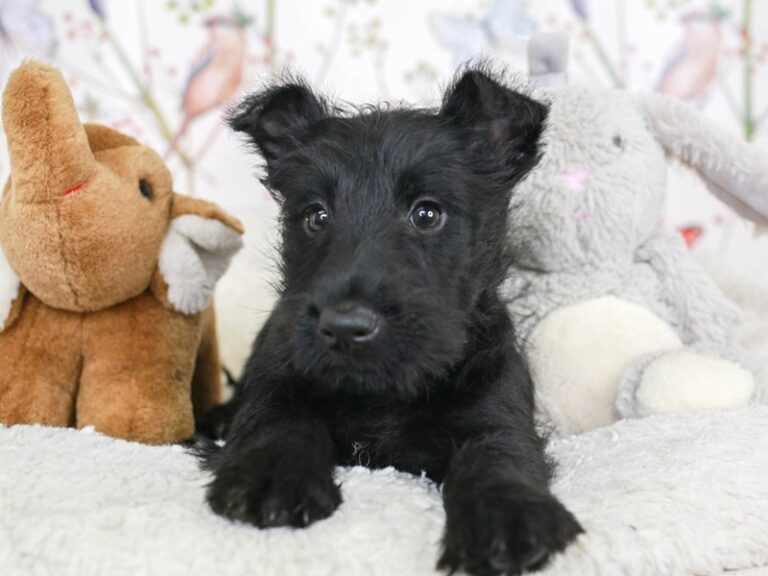
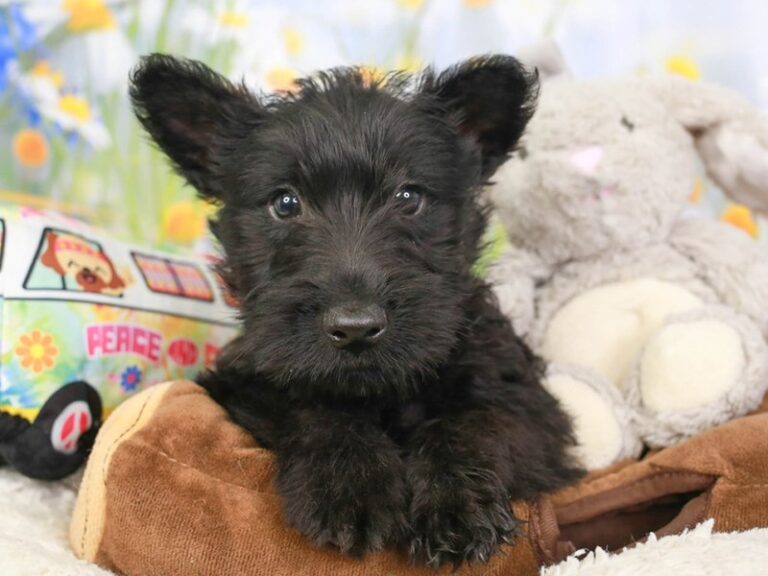
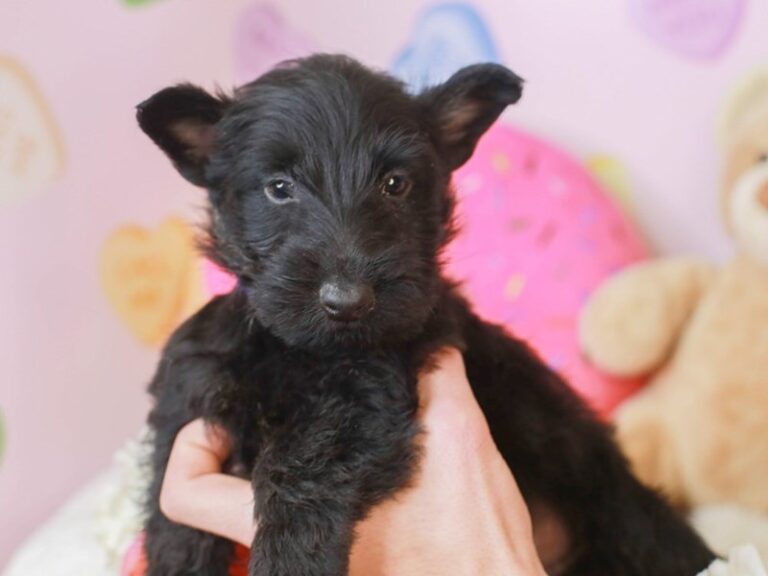
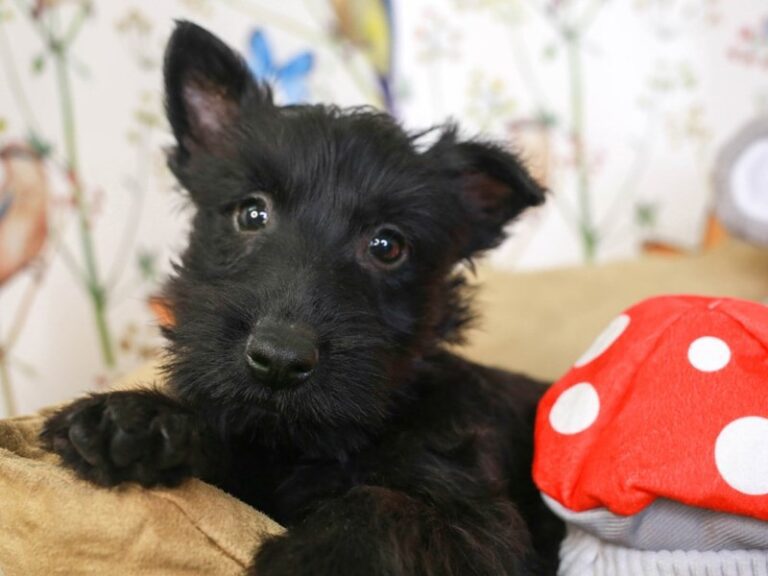
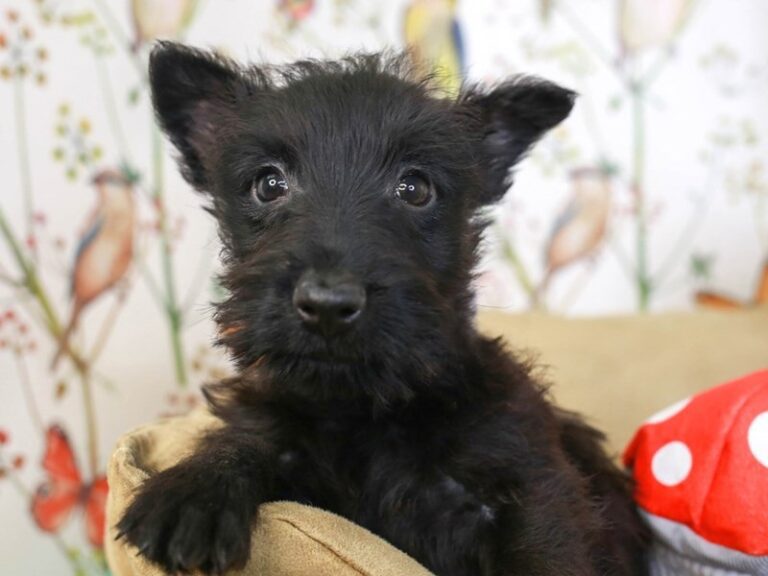
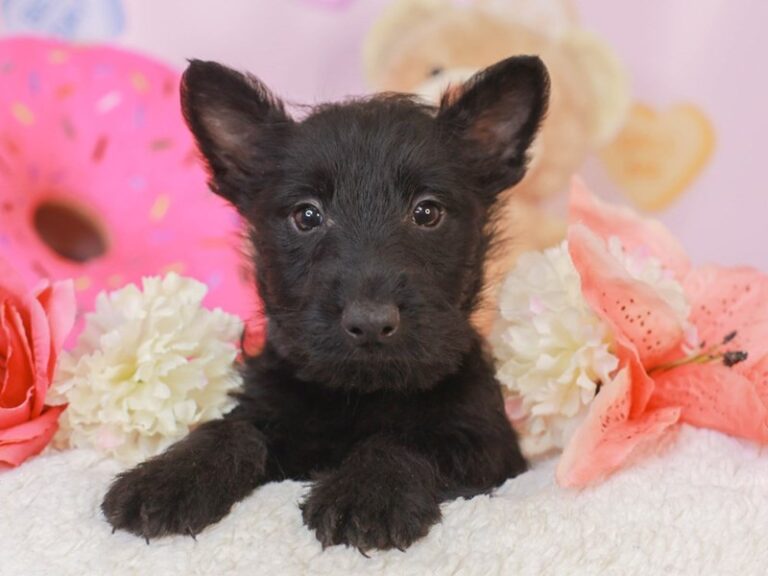
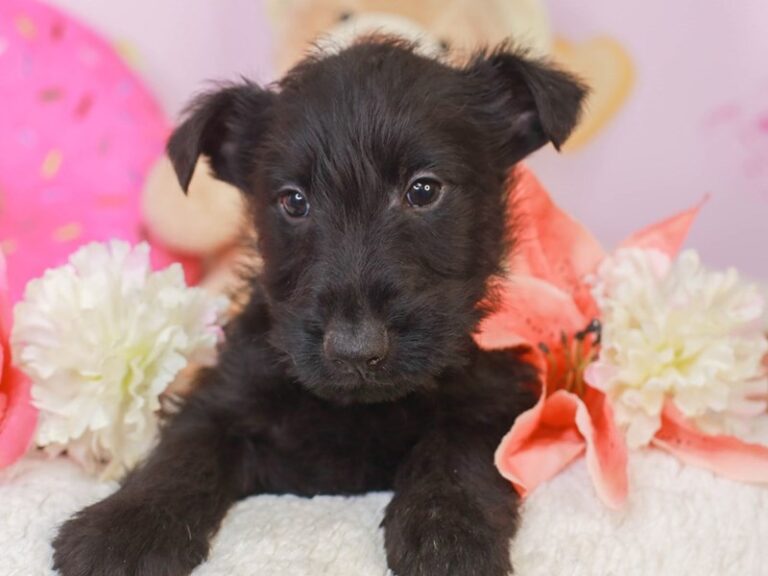
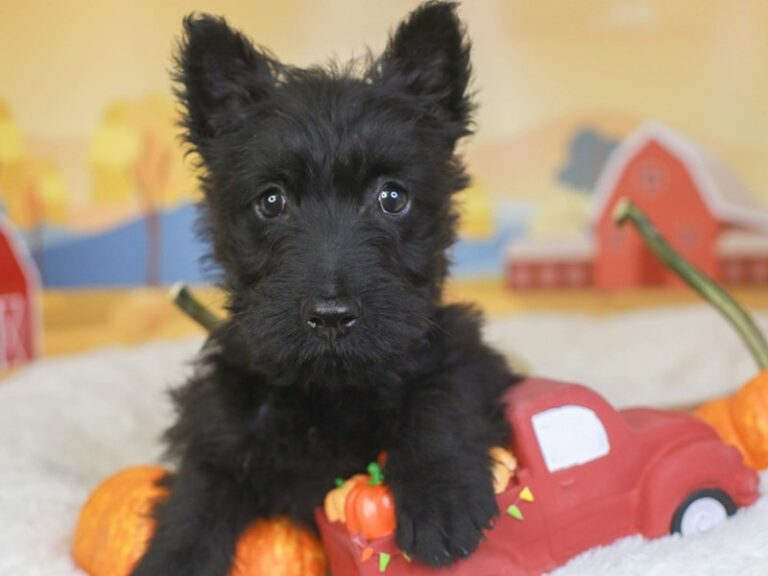
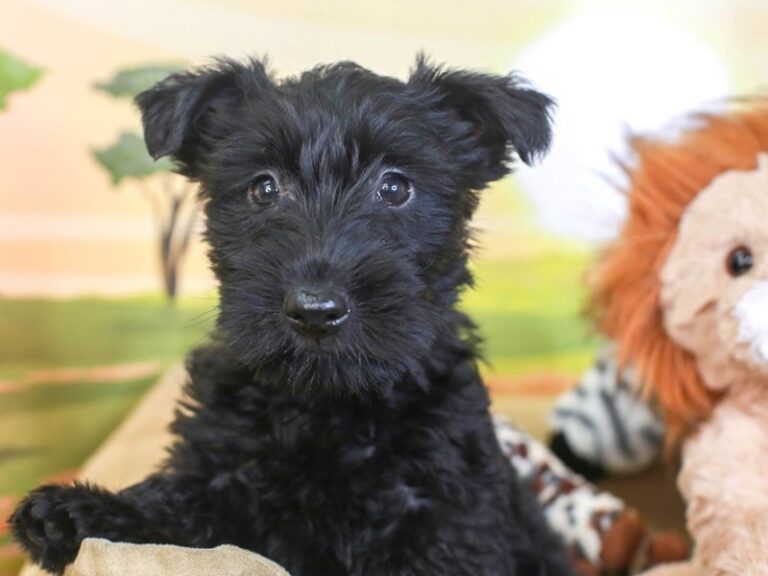
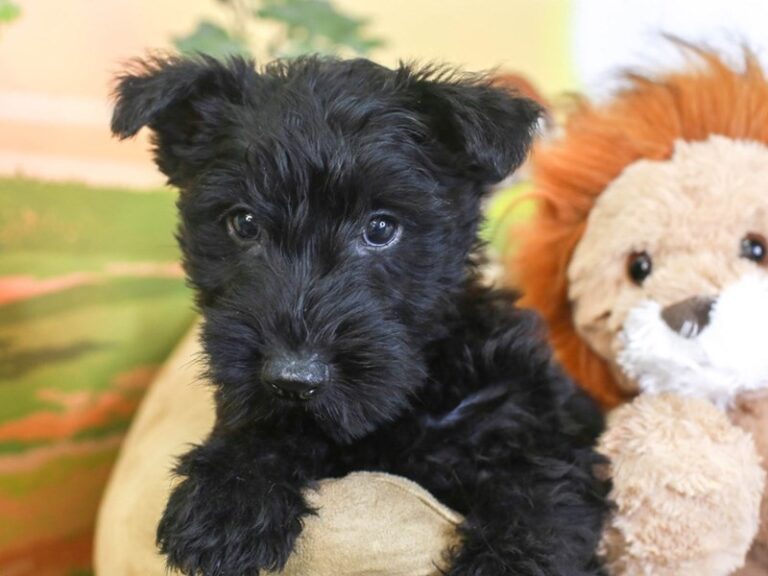
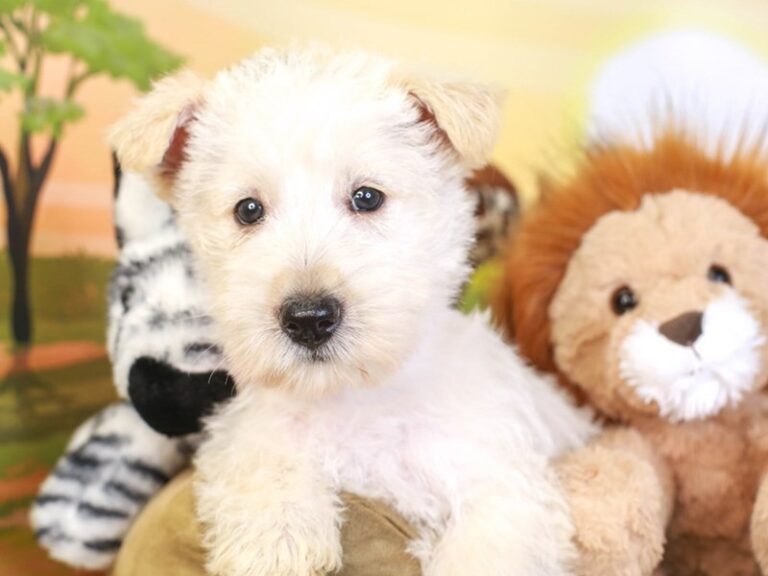
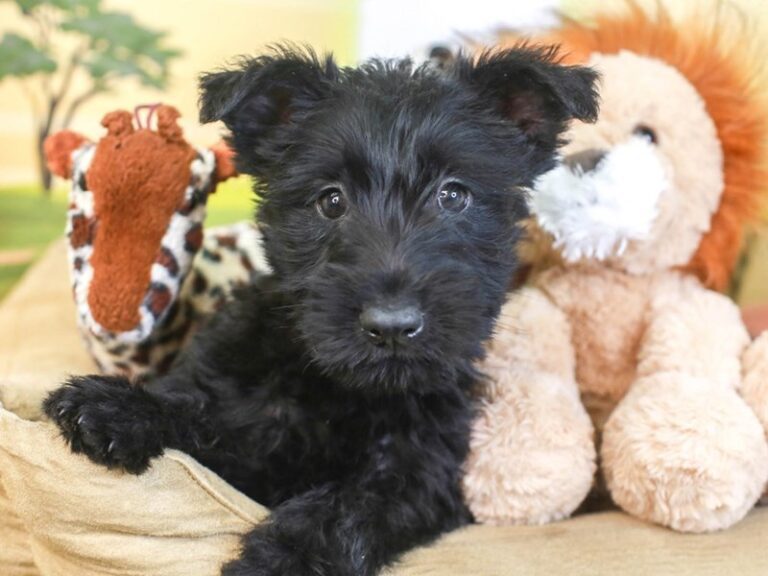
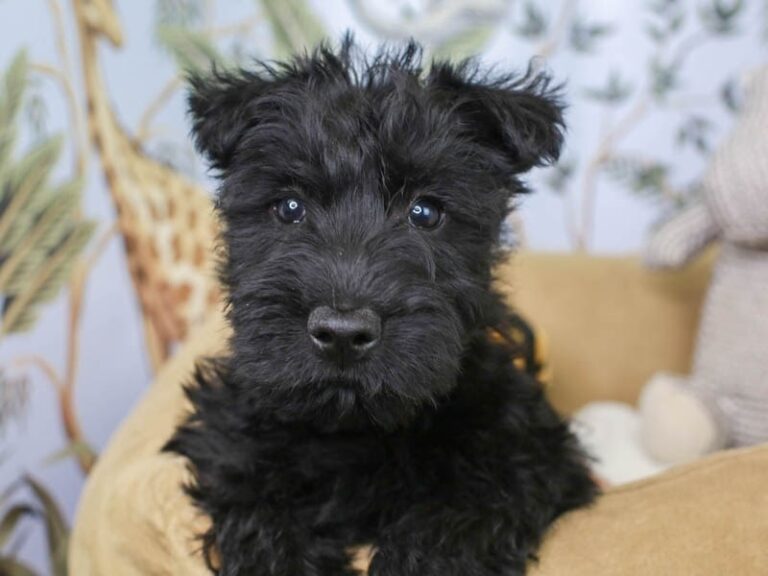
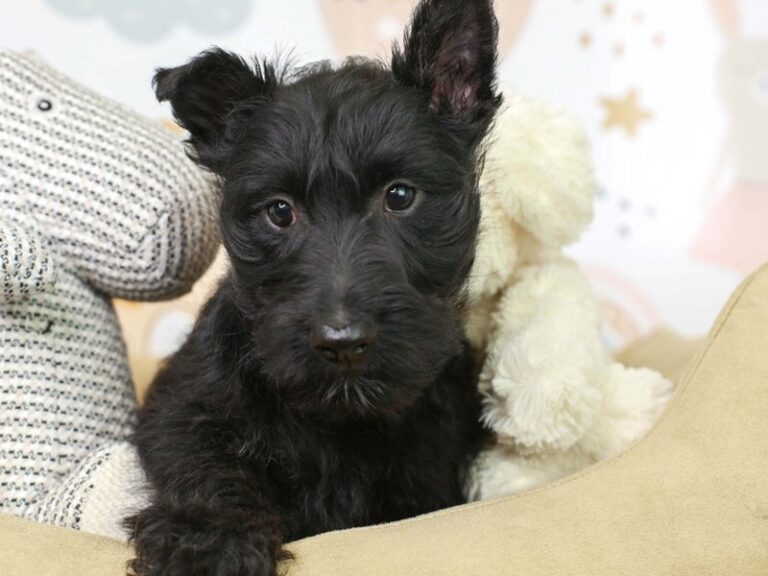
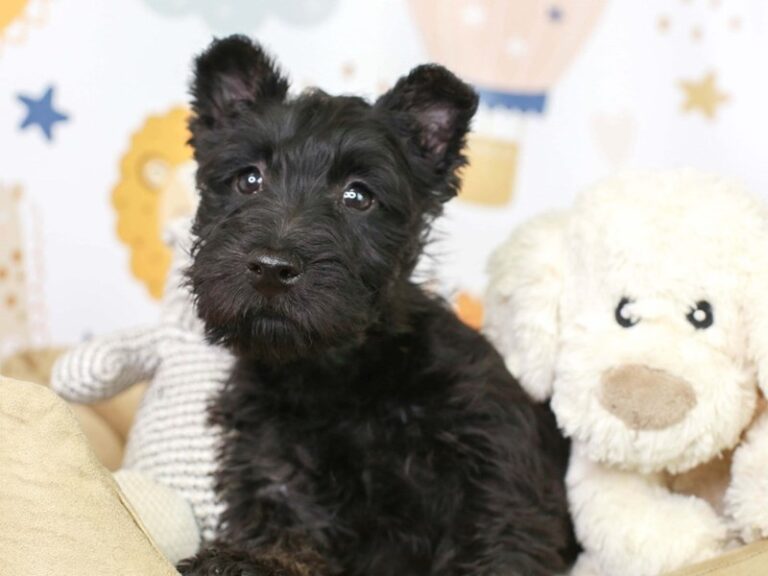
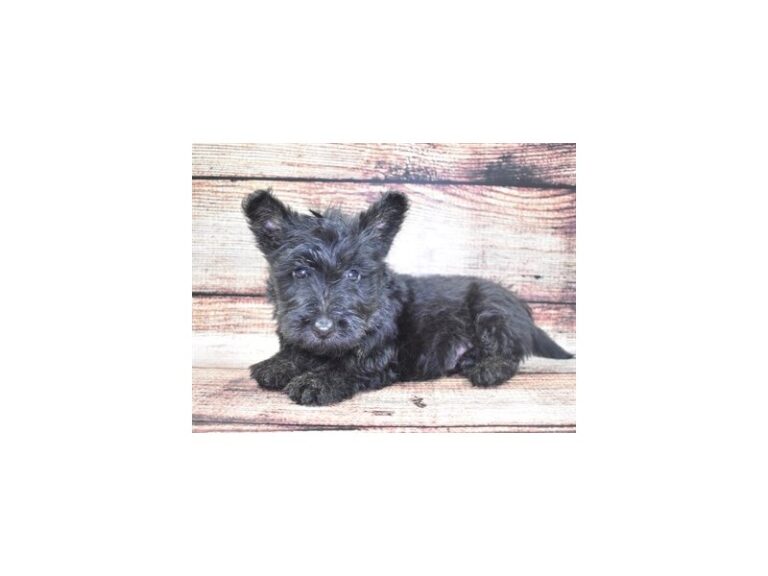
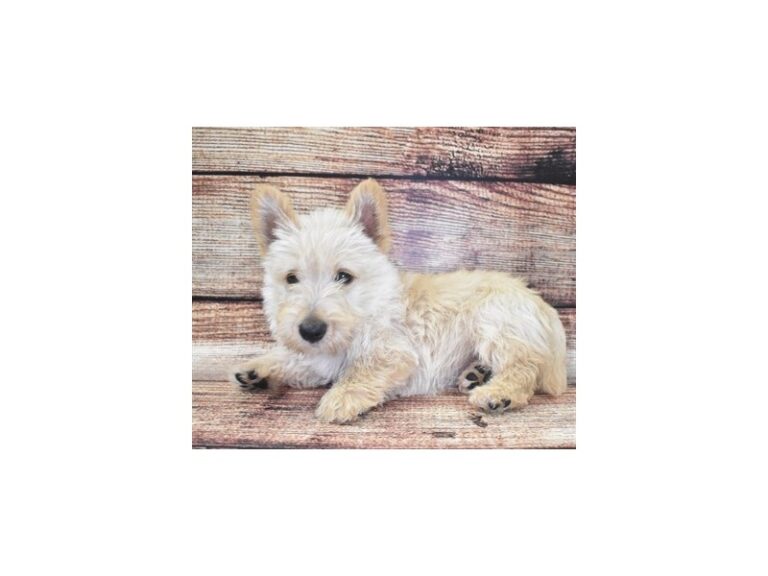
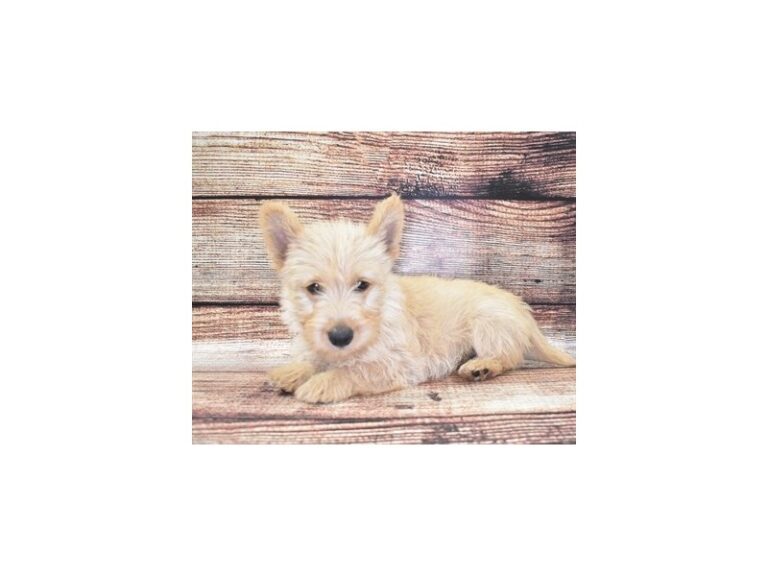
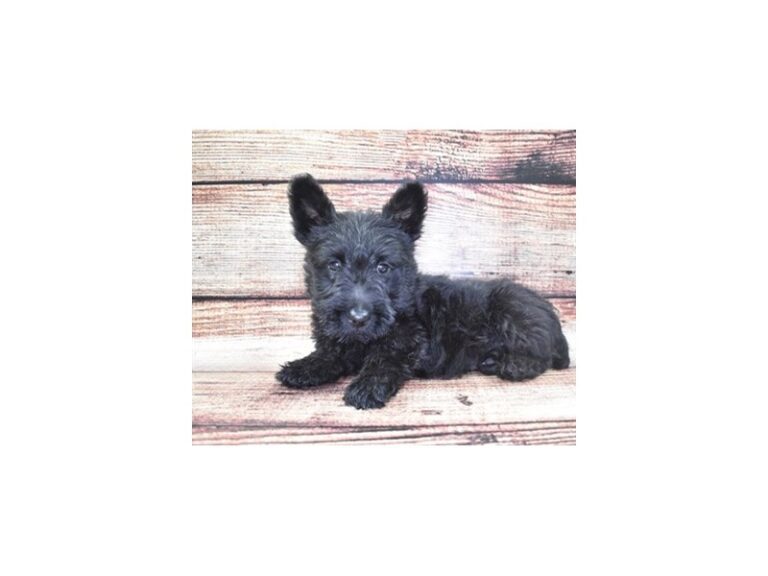
art="1137" data-end="1347">Scottish Terriers are known for their bold personalities and strong sense of independence. They often form close bonds with their families but may not constantly seek attention like some other companion breeds.
Their terrier heritage gives them confidence and curiosity. A Scottie may enjoy exploring the yard, investigating new scents, or digging in the garden.
They can be reserved around unfamiliar people, making early socialization particularly important. With proper exposure and training, a Scottish Terrier can become a confident and well-mannered companion.
Breed Characteristics
- Breed Group: Terrier Group
- Height: Approximately 10 inches
- Weight: About 18–22 pounds
- Life Expectancy: 12–15 years
- Coat: Dense, wiry outer coat with a soft undercoat
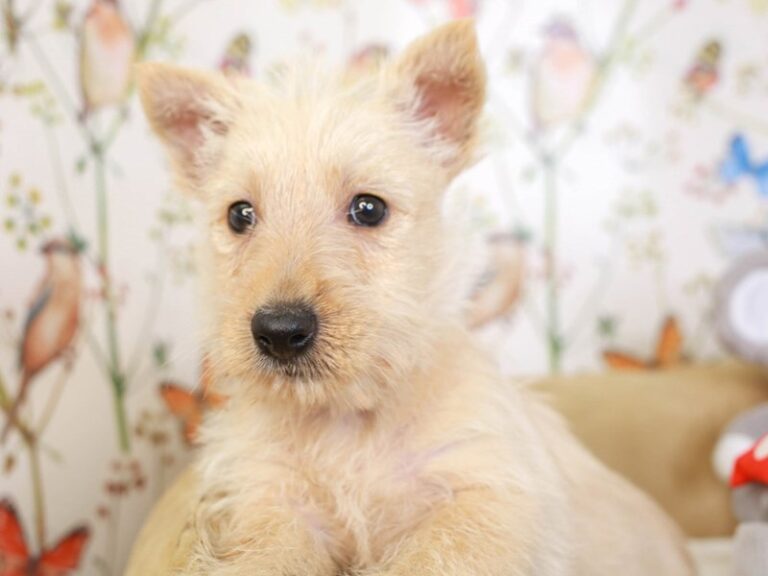
- Colors: Black, wheaten, or brindle
- Temperament: Independent, confident, loyal, alert, spirited
- Energy Level: Moderate
Intelligence & Trainability
Scottish Terriers are intelligent and capable of learning commands, but their independent nature can make training a little different from training more eager-to-please breeds.
Short, positive training sessions can work well. Treats, praise, and toys can encourage cooperation, while consistency helps establish clear expectations.
Early training should focus on:
- Basic obedience
- House training
- Leash manners
- Recall
- Socialization
- Appropriate barking
- Impulse control
Because of their natural prey drive, reliable recall and appropriate leash behavior are particularly valuable.
Grooming Requirements
Scottish Terriers have a distinctive double coat consisting of a wiry outer coat and softer undercoat. Regular grooming is necessary to maintain their appearance and coat health.
Grooming may include:
- Brushing several times per week
- Regular professional grooming
- Hand-stripping or clipping when appropriate
- Bathing as needed
- Nail trimming
- Ear cleaning
- Routine dental care
- Facial and leg trimming
The Scottie’s beard can collect food and debris, so it may require regular cleaning.
Introducing grooming during puppyhood helps a Scottish Terrier become comfortable with brushing, bathing, nail care, and professional grooming.
Scottish Terrier Puppies & Children
Scottish Terriers can be loyal family companions, but their independent personality means they may prefer respectful interactions rather than constant handling.
They can do well with older children who understand how to interact appropriately with dogs. Children should be taught not to pull on the Scottie’s coat, disturb it while eating, or engage in rough play.
Young children should always be supervised around Scottish Terrier puppies.
Early socialization can also help them become comfortable around other dogs and household pets.
Is a Scottish Terrier Puppy Right for You?
A Scottish Terrier puppy may be an excellent choice if you’re looking for a dog that is:
- Small but confident
- Loyal and devoted
- Independent and spirited
- Moderately active
- Intelligent and curious
- Full of personality
Prospective owners should be comfortable with a dog that has strong terrier instincts and an independent streak. Consistent training, socialization, grooming, and appropriate outlets for natural behaviors are important for a happy Scottie.
Frequently Asked Questions
Are Scottish Terrier puppies good family pets?
Yes. Scottish Terriers can be loyal and affectionate family companions when properly socialized and trained. They may be particularly well suited to families with older children.
Are Scottish Terriers easy to train?
Scottish Terriers are intelligent but independent. Positive reinforcement, short training sessions, patience, and consistency can help them learn effectively.
Do Scottish Terriers shed?
Scottish Terriers are generally low-shedding, but their dense coat requires regular brushing and professional grooming. No dog is completely non-shedding or hypoallergenic.
How much exercise does a Scottish Terrier need?
Scottish Terriers have moderate exercise needs. Daily walks combined with play and mental stimulation are generally appropriate for most adults.
Are Scottish Terriers good with children?
They can be good companions for older children who understand respectful handling. Young children should always be supervised around a Scottie puppy.