Overview
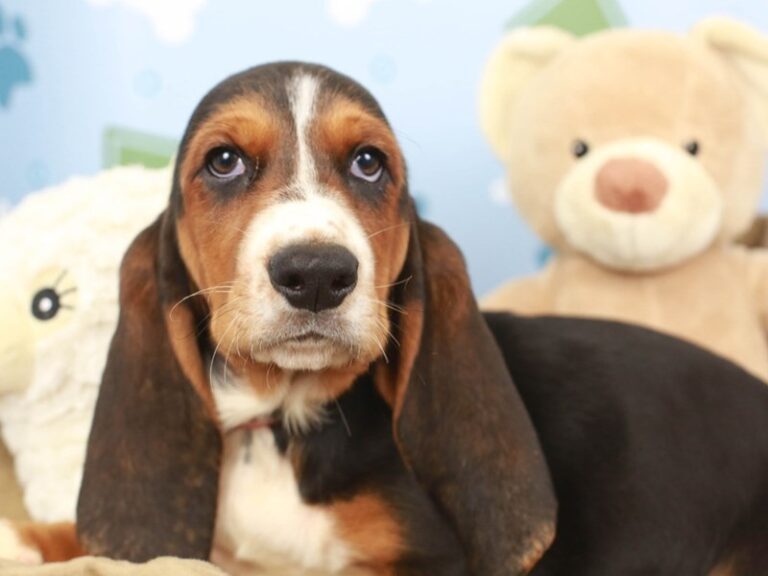
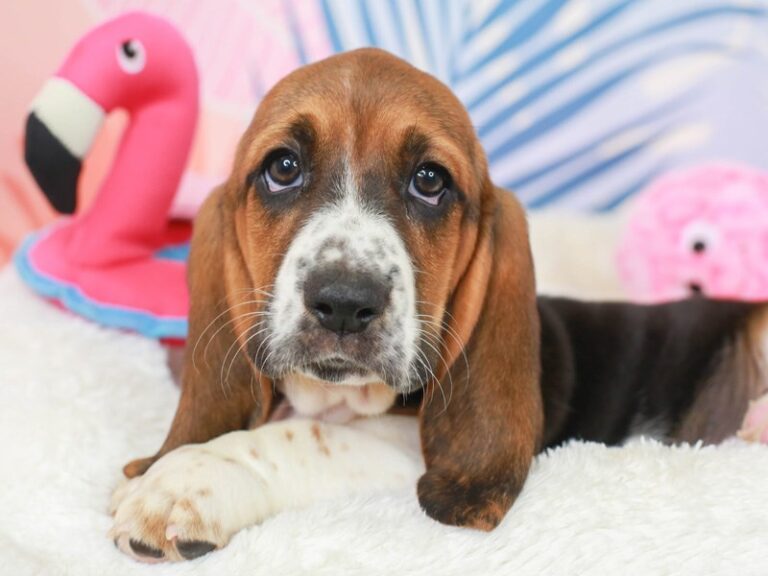
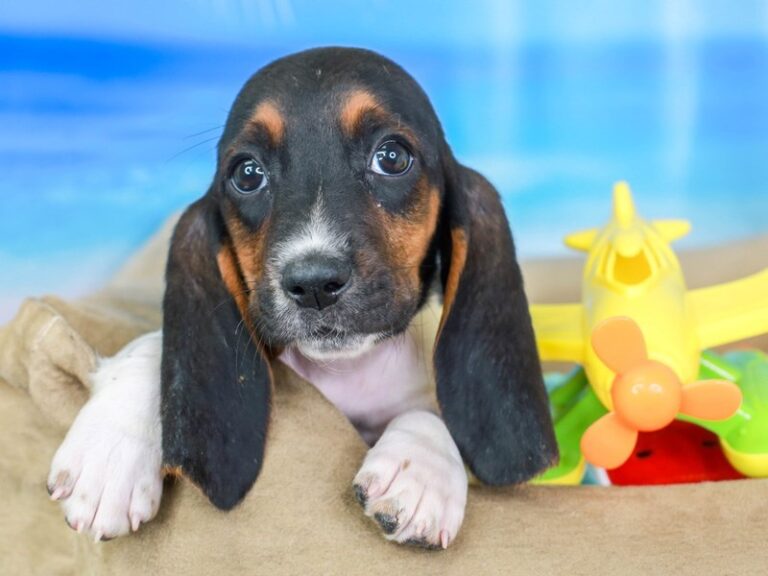
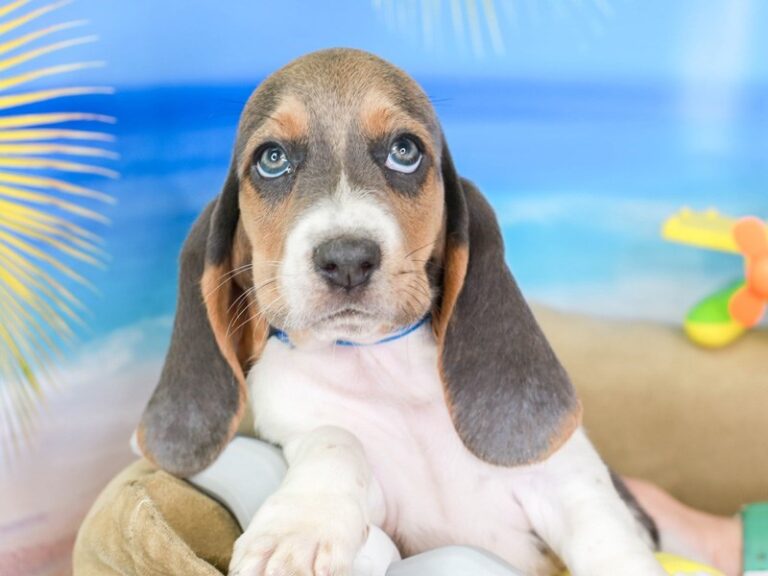
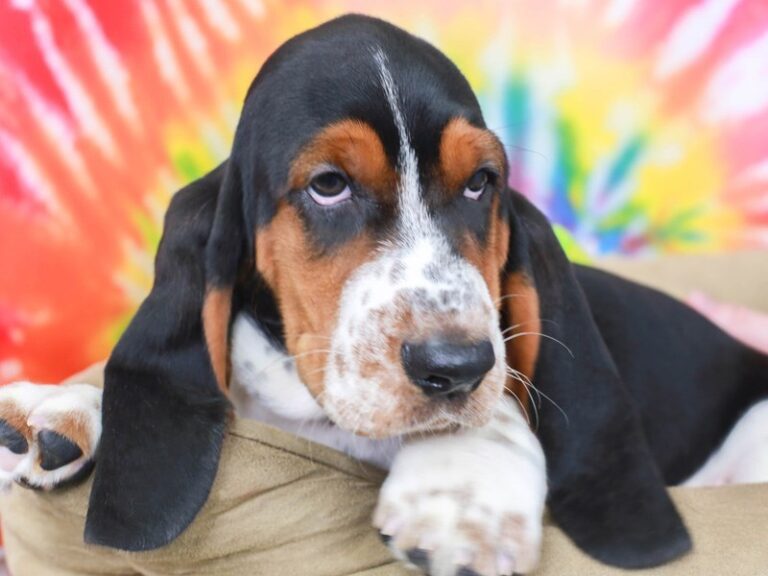
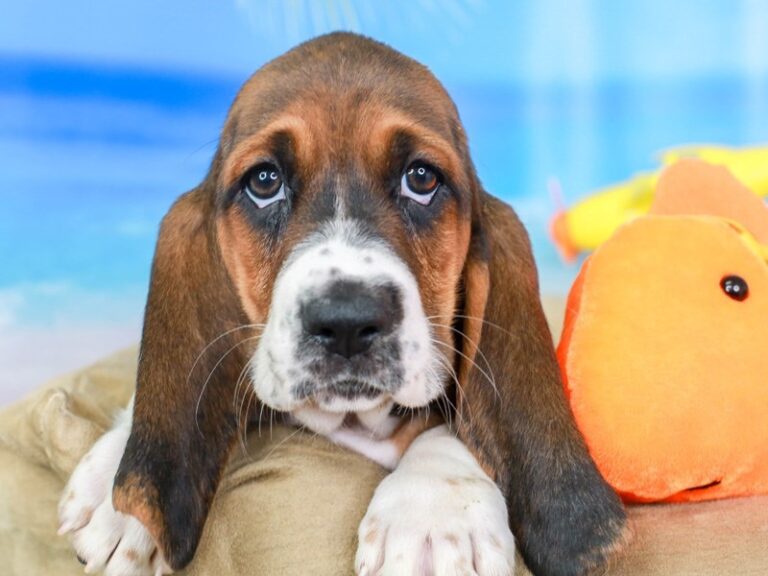
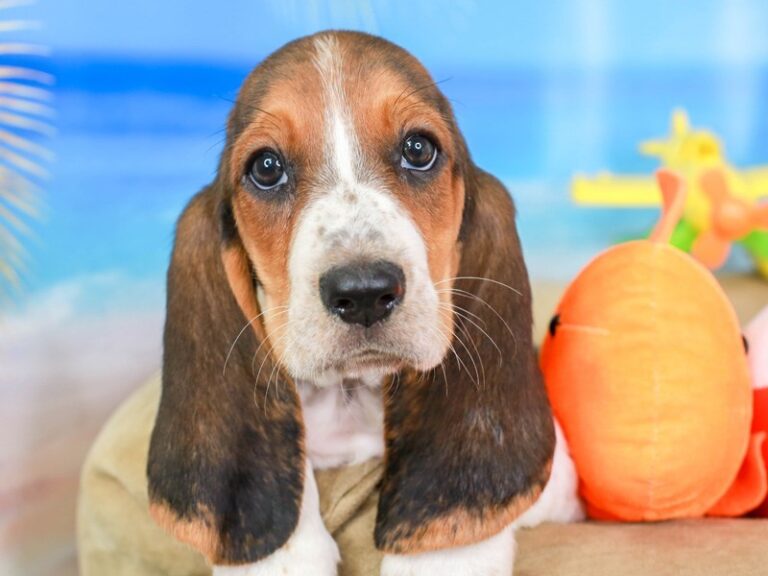
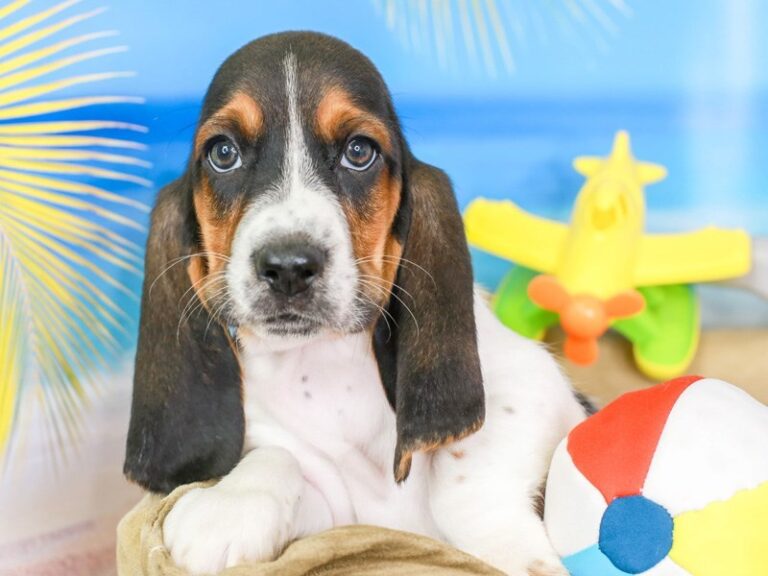
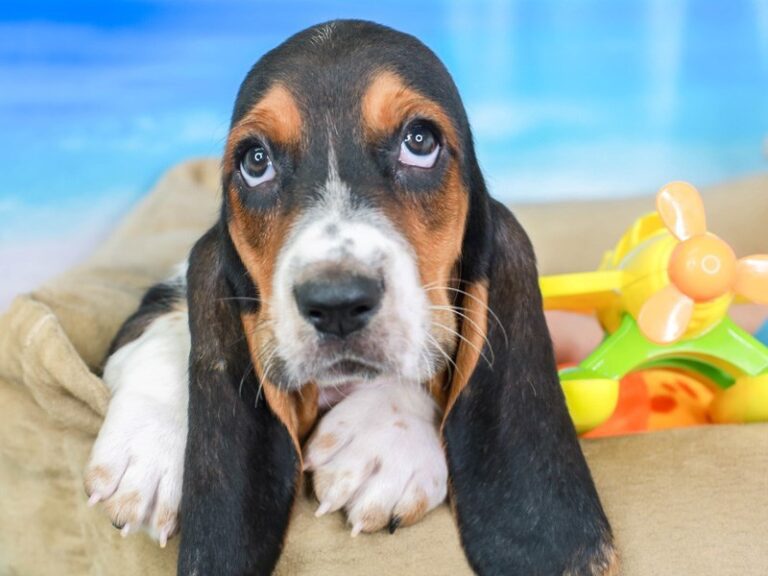
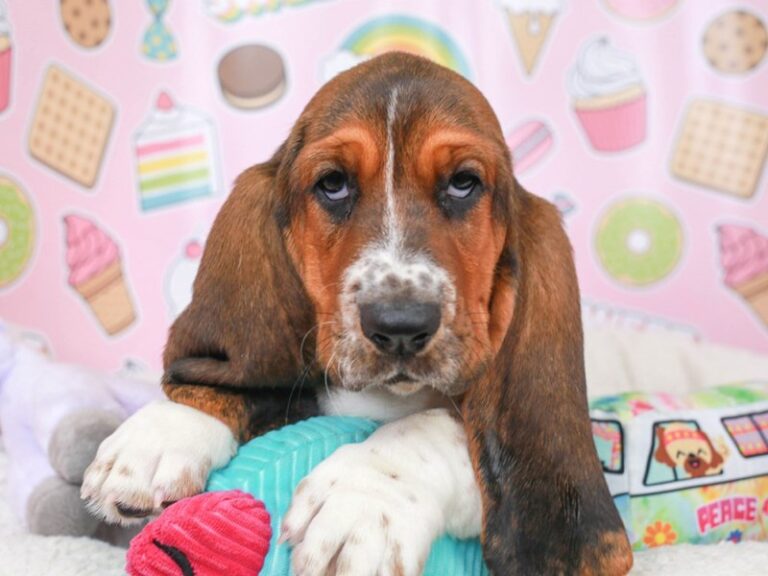
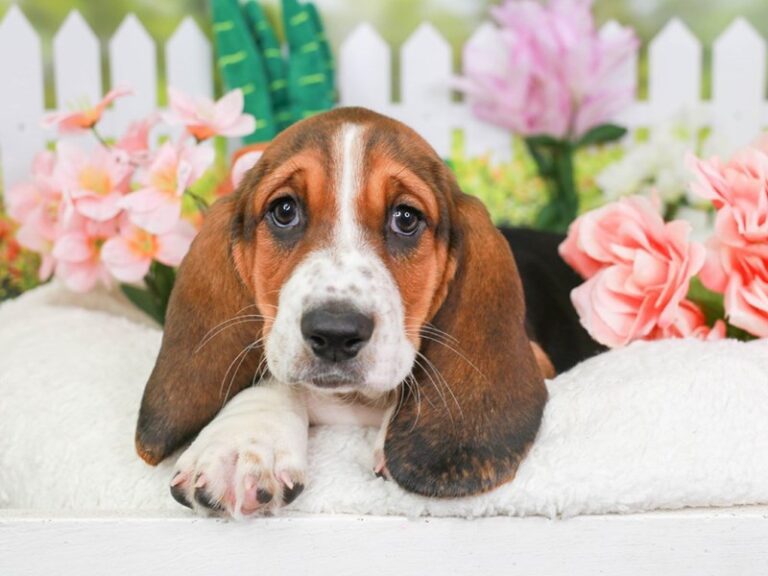
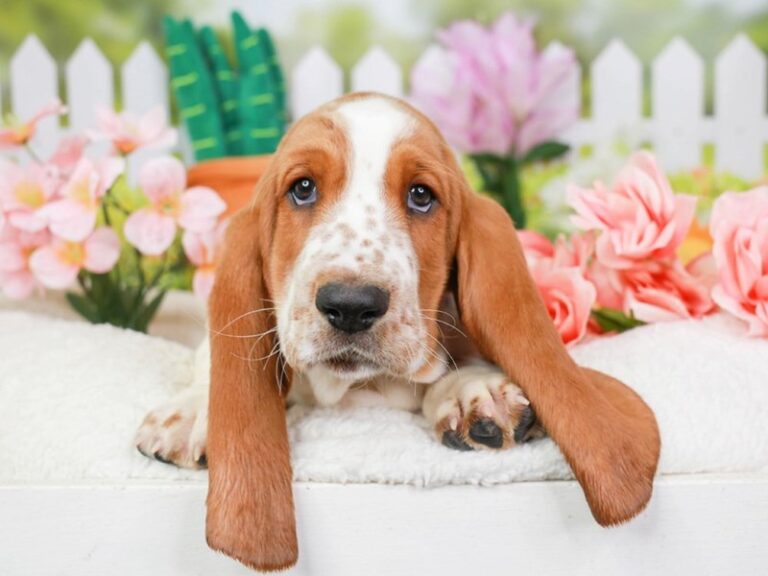
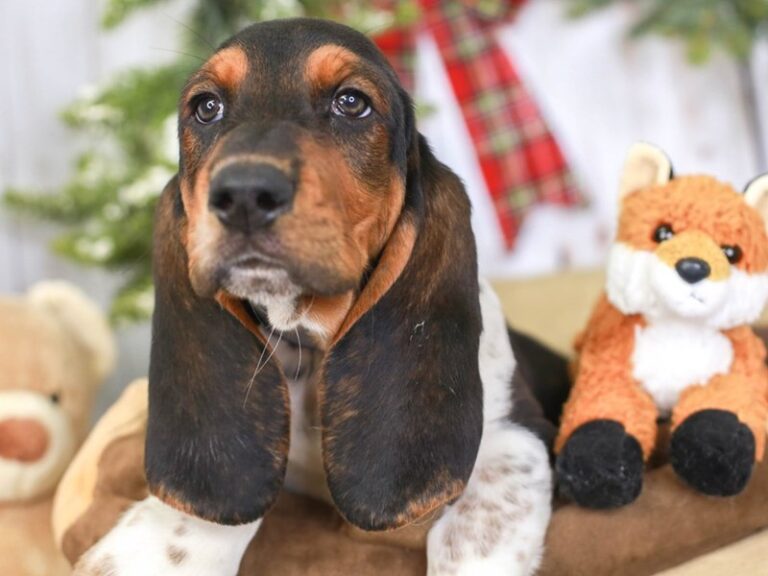
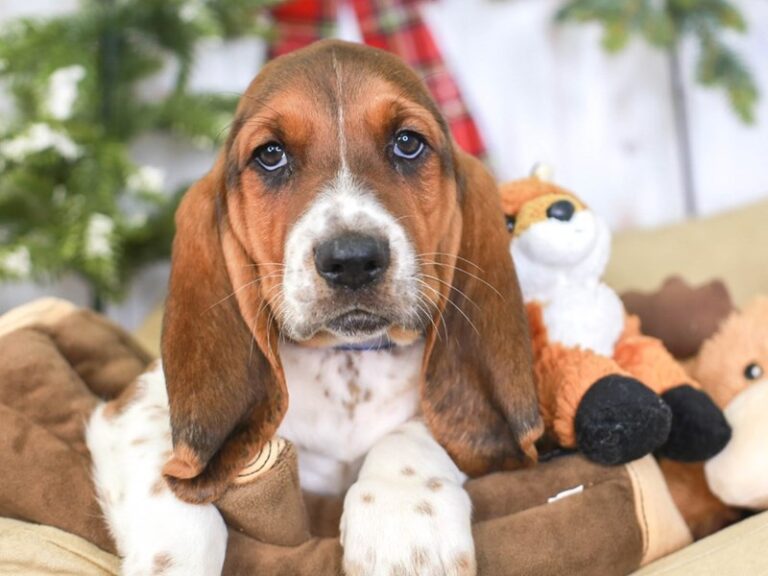
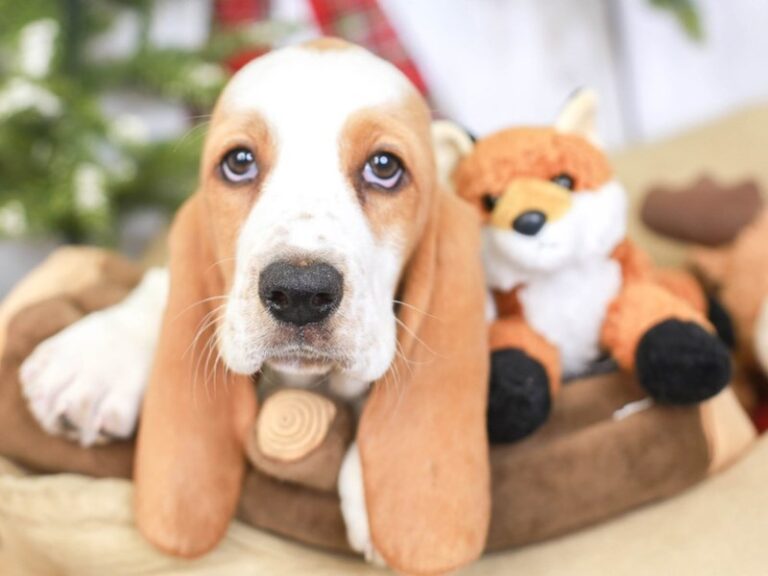
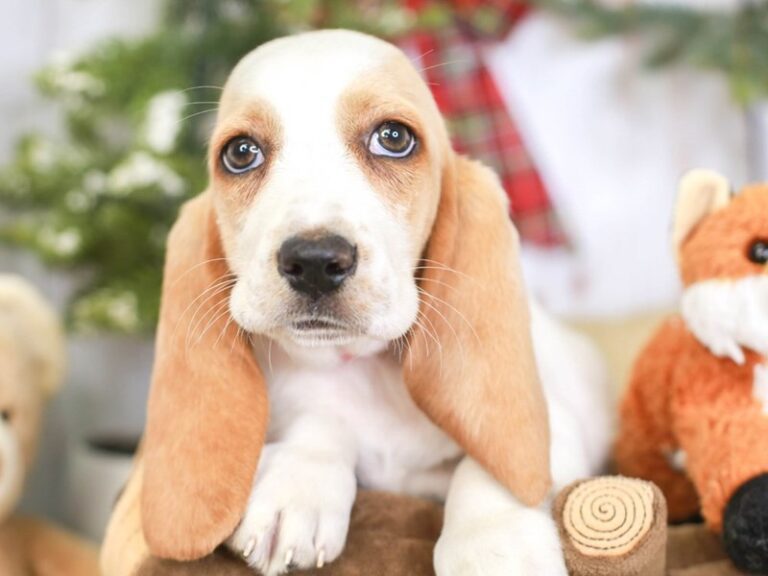
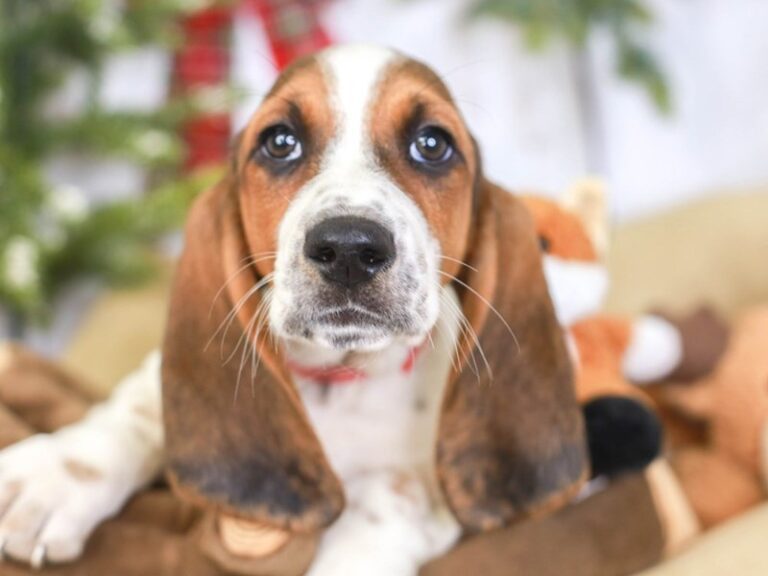
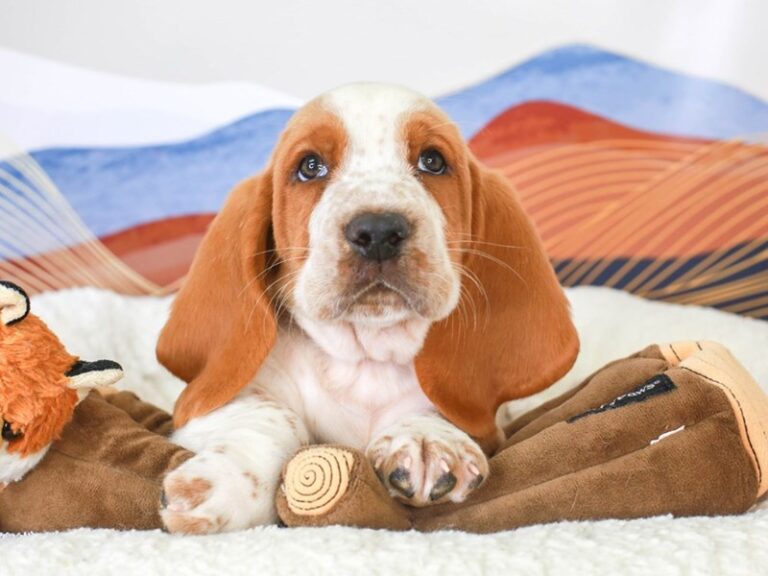
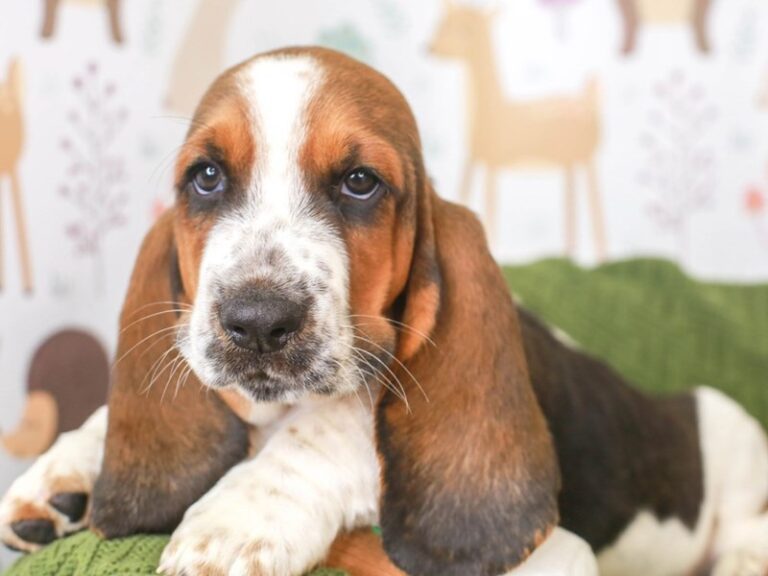
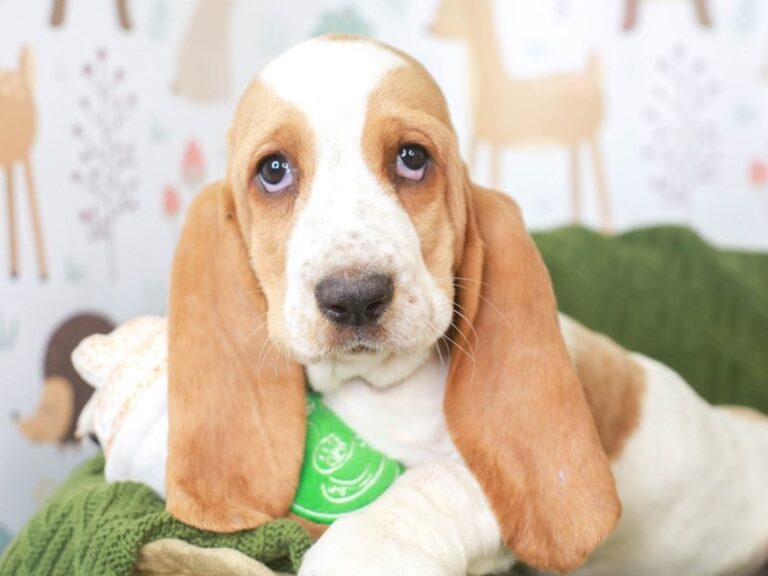
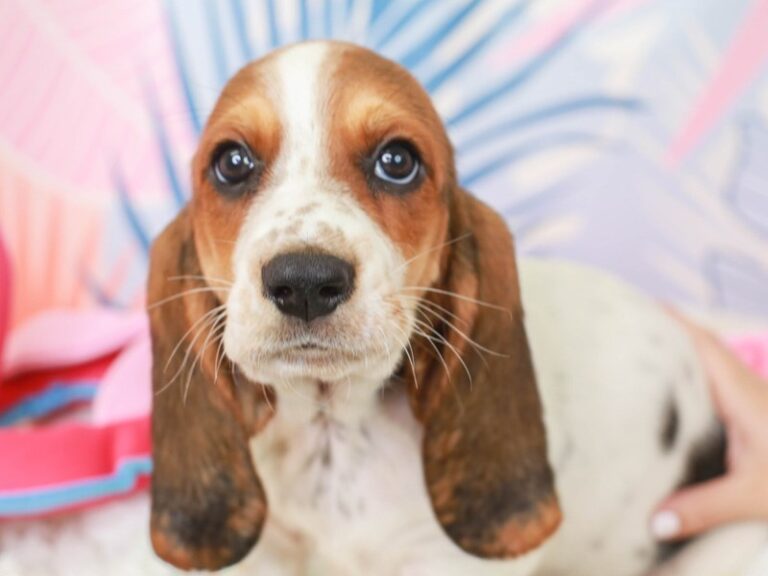
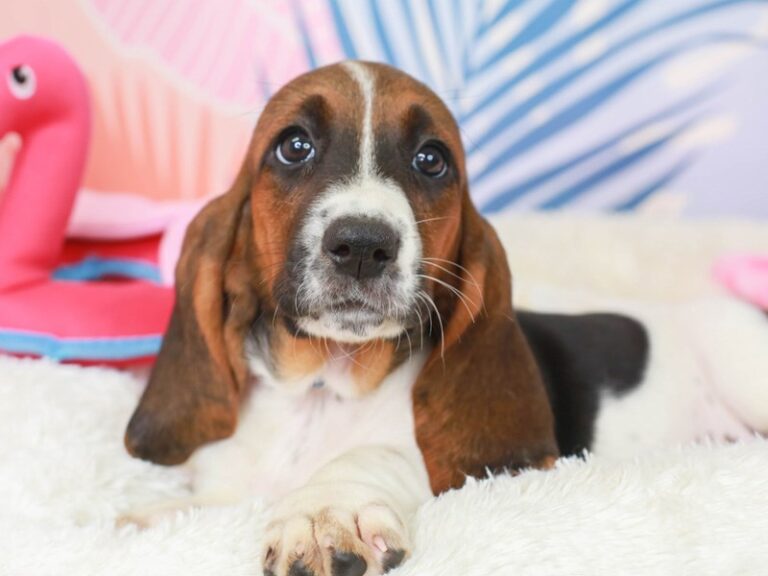
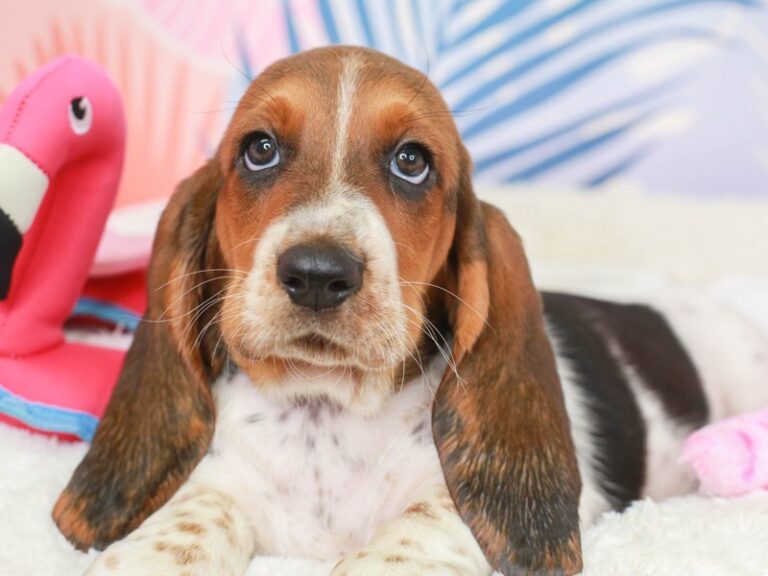
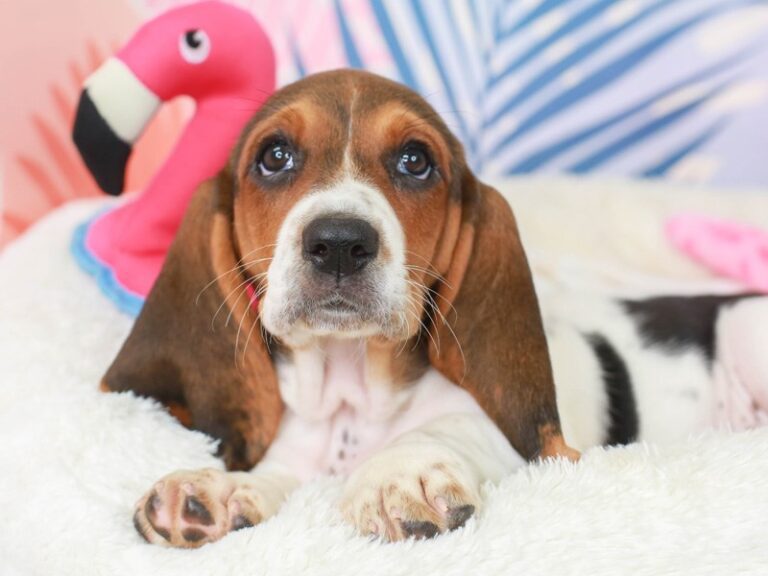
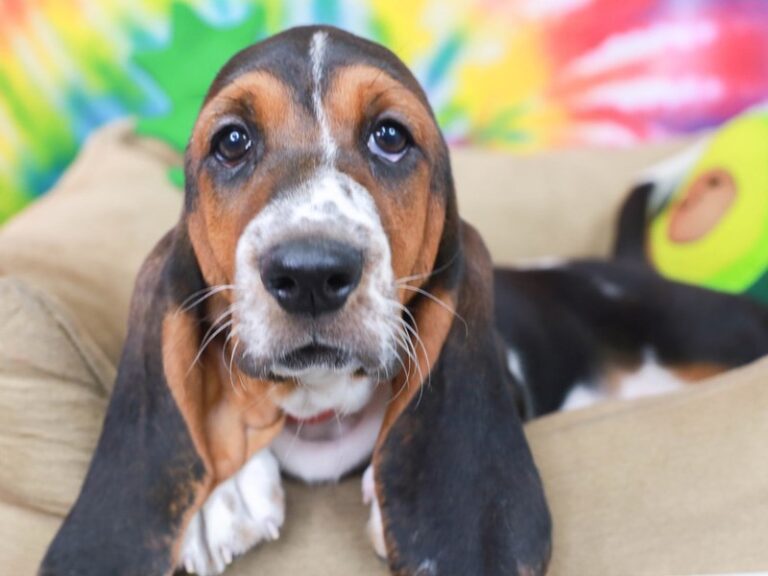
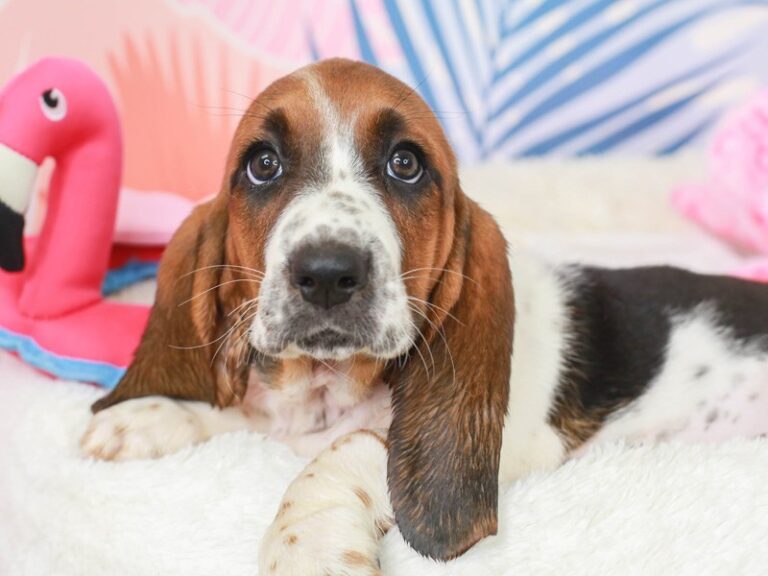
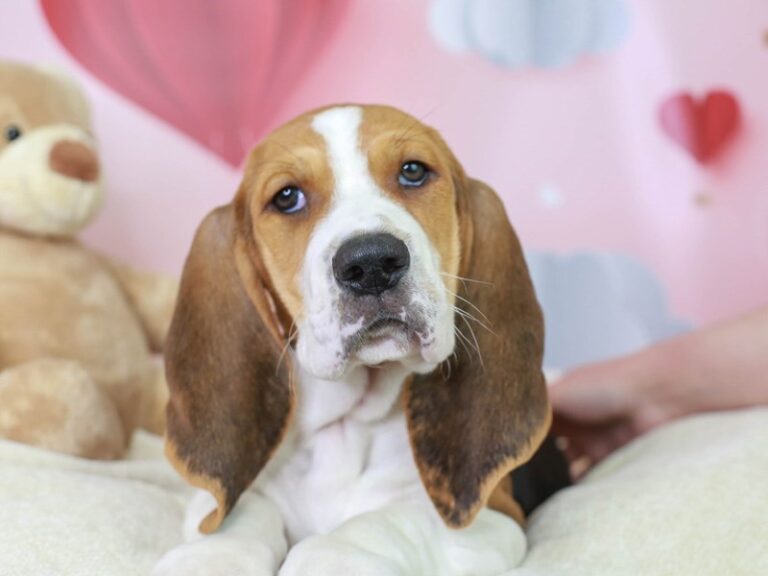
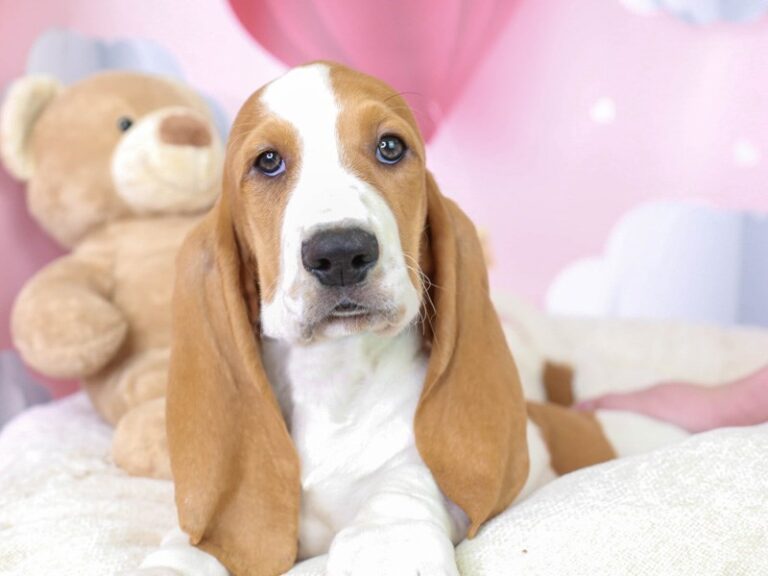
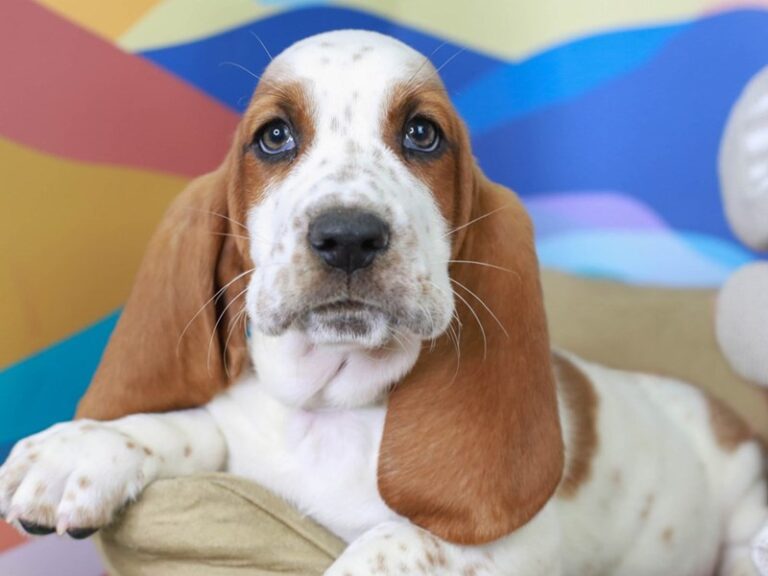
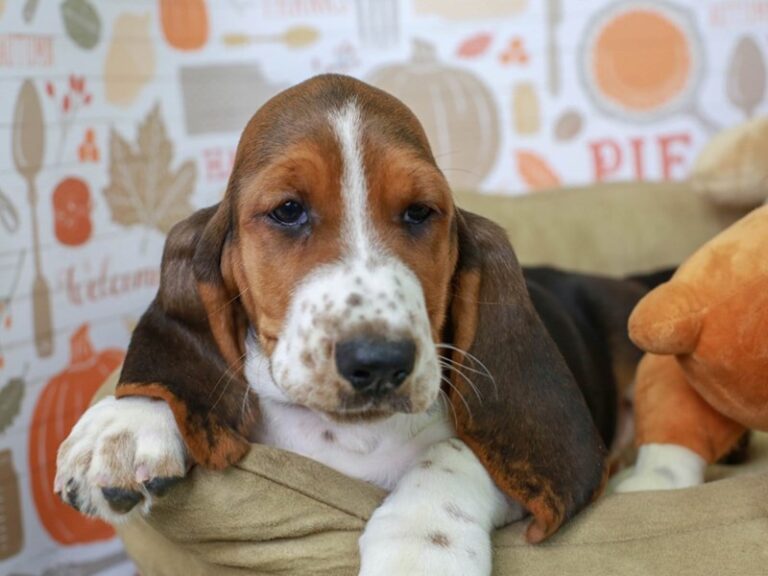
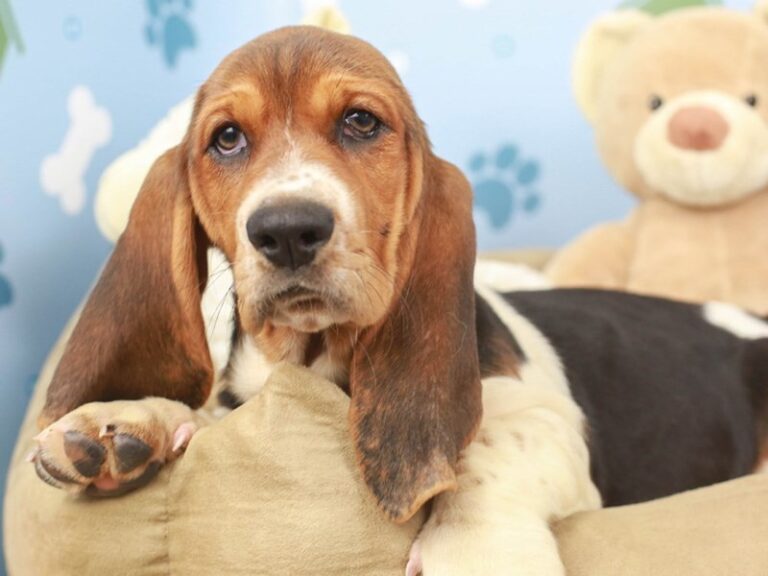
The Basset Hound is a distinct, endearing scent-hound breed, instantly recognizable for its long ears, short legs, droopy face, and soulful expression. In spite of their relatively short legs, Basset Hounds are considered medium-sized dogs, well suited as laid-back companions for families and individuals. Basset Hounds are gentle, calm, and affectionate, often described as patient couch-potatoes with a heart for quiet companionship and gentle loyalty.
The Basset Hound is recognized by major kennel clubs and established breed organizations, including the American Kennel Club (AKC), United Kennel Club (UKC), and The Kennel Club (UK), with additional support from notable breed clubs such as the Basset Hound Club of America.

History
The Basset Hound’s roots trace back to France (and nearby Belgium) where “basset”-type hounds were bred for scent-tracking game on foot. The name “basset” itself comes from the French word bas meaning “low,” referencing their short stature. Their build (short legs, elongated body) was an intentional design to allow them to track prey slowly and steadily, without the need for horses. Over time, while some retained them for hunting and scent work, many became household companions for their mellow temperament and loyal disposition.
Background & Development
Basset Hounds are defined by their smooth, dense coat, long ears which help stir scent particles, loose skin, and heavy bone structure, all traits that made them excellent scent hounds. Their scenting ability is second only to that of the Bloodhound, making them excellent trackers. Over the years, breeders and owners recognized their potential not just as working dogs but as loyal, gentle family pets. Their calm nature, patience, and moderate energy made them suited to home life, provided they get moderate daily exercise and regular walks.
Temperament
Basset Hounds are gentle, affectionate, and deeply loyal, known for their calm, laid-back demeanor and patient nature. They often enjoy lounging around with their human family as much as they enjoy a casual stroll or sniff-filled walk outdoors. They tend to be good-natured with children, other pets, and strangers (with proper socialization); though their stubborn streak, a product of their scent-hound heritage, can make training a bit of a challenge.
Their strong sense of smell and instinct to follow scent trails can make them amusingly single-minded when they catch an interesting whiff, so walks on leash (and good recall training) are important.
Care & Environment
Basset Hounds adapt well to home life, whether in apartments or houses, as long as they receive moderate, consistent exercise. Regular walks, gentle play, and time to sniff and explore help meet both their physical and mental needs.
Because of their long bodies and short legs, maintaining a healthy weight is especially important. Basset Hounds are prone to weight gain, and excess weight can place strain on their joints and spine. A balanced diet, portion control, and regular veterinary checkups are essential.
Bred as scent hounds, Bassets can be independent and occasionally stubborn. Early socialization and patient, consistent, reward-based training support good manners and confidence. With routine, patience, and care, they are calm, loyal companions with a relatively long lifespan.
Grooming
Basset Hounds have a short, smooth coat that is easy to maintain with regular brushing. However, their long ears and skin folds require routine cleaning to help prevent moisture buildup and ear infections. Nail trimming, dental care, and basic hygiene are important parts of their grooming routine.
✓ This article has been reviewed by Animal Kingdom’s expert team to ensure accuracy and reliable pet care guidance.
Don't see what you're looking for?
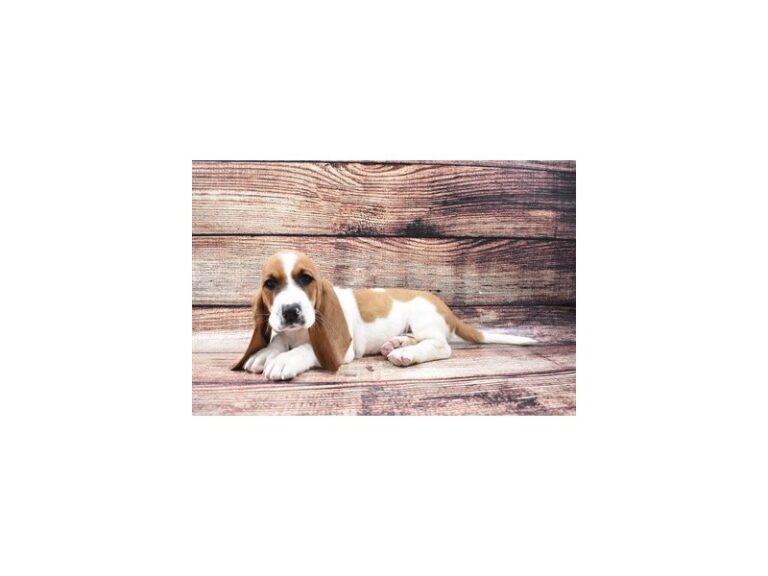
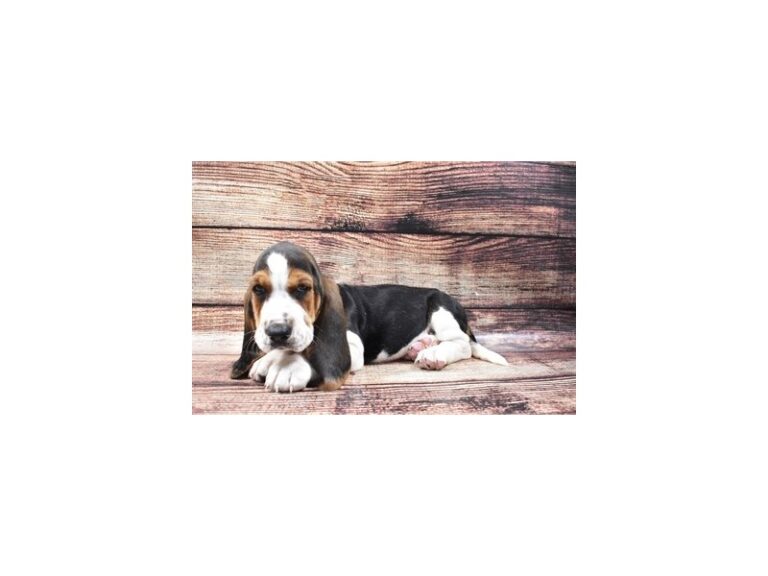
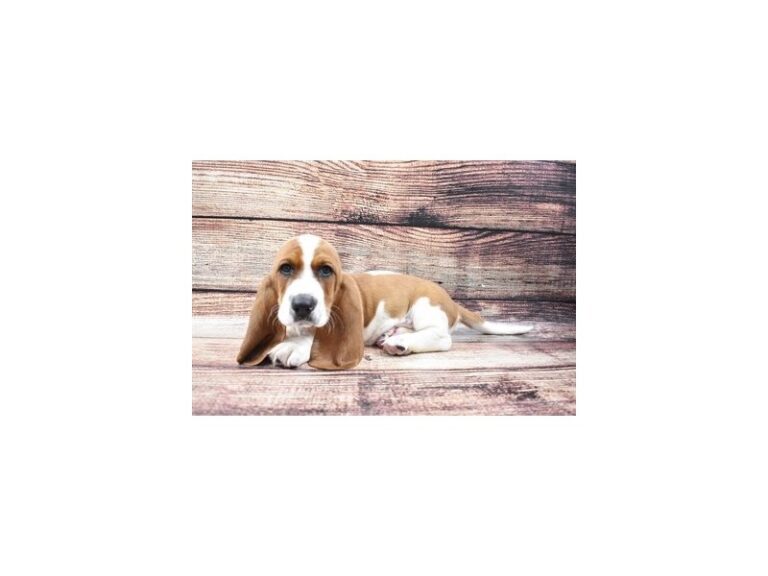
Adopted Basset Hound Puppies
-
-
-
-
-
-
-
-
-
-
-
-
-
-
Dexter -
-
-
-
-
-
-
-
-
-
-
-
-
-
-
-
-
-

-
-
-
-
-
-
-
-
-
-